Rio Nuevo funds downtown Tucson projects as revenue falls
Rio Nuevo’s August revenue fell to about $800,000, but the board still voted to help fund a furniture store and a mercado in downtown Tucson.
Rio Nuevo had its “worst collection month ever” in August, board Chairman Fletcher McCusker said, but the board still voted Oct. 27 to help fund a furniture store and a mercado downtown.
Chief Financial Officer Dan Myers reported that the district’s August Tax Increment Financing revenue was around $800,000, compared with $1.2 million in August 2025 and $1.36 million in August 2024.
“This shouldn’t take us completely by surprise, but I thought we were rebounding,” Myers said. “This is dismal.”
In previous years, August has been slightly less lucrative than other months, but the numbers still averaged more than a million dollars.
“Financially, we were hopeful that the worst was behind us, but we’ve had the worst collection month ever,” McCusker said. “This will continue to challenge us in how we budget and how we react to opportunities.”
Board members discussed possible reasons for the decline. Hank Amos suggested it may be tied to the University of Arizona’s enrollment, which has declined in recent years. Students make up a large share of the people who use Rio Nuevo’s downtown projects, so lower enrollment could greatly affect the district.
No investigation has yet been conducted to determine the true reason behind the dip, but Myers said he would “do some digging” to get answers.
Tucson Spotlight trains the next generation of Southern Arizona journalists and publishes their work free for everyone. No paywalls, no corporate backing — just readers who believe this community deserves better local news.
A few board members, including Richard Oseran and new members Amos and Kameron Norwood, suggested that the group hold a retreat to reevaluate its main priorities. Norwood said the board should come up with a “north star,” a strategic plan with a clear goal. Once the board settles on it, he said, it will be easier to build up the board’s “piggy bank” and invest in projects that fit the plan, which would improve its finances.
Rio Nuevo already has a master plan, but board member and architect Corky Poster noted that the board has not always followed it. With such big changes in revenue, Poster agreed that its strategy needs an update.
McCusker pointed to the board’s current projects.
“Hotels have been, in fact, our north star,” he said. “But if we hadn’t helped with those projects, we would’ve had $12 million in the bank and a bunch of little projects that don’t move the needle.”
Lydia Hunter, with the accounting firm BeachFleischman, presented Rio Nuevo’s 2026 audit, confirming that the district’s receivables were lower at the end of the 2026 fiscal year than at the end of the 2025 fiscal year.
The board decided to schedule a retreat during one of its January meetings to discuss future plans for its finances.
The board also unanimously voted to amend its Government Property Lease Excise Tax agreement with the AC Marriott Hotel, folding it into an existing agreement that currently covers only the hotel’s parking garage. The hotel, the first built downtown in 40 years, has been a catalyst for the district’s hotel boom, attracting a Hilton, Doubletree, Hampton and Home2Suites.
The board tabled an earlier motion to delay the amendment so members could revisit garage utilization and rates, a move McCusker called “an extremely risky proposition” that he would vote against.
The parking debate reflects broader anxiety downtown, where merchants say business is down 15% to 25% since private garages raised rates in July. The Chapman Garage nearly doubled its daily rate to $30. Norwood said the higher prices hurt middle- and lower-income residents “that keep the life of downtown going” the most.
Next, the board voted 6-2 to spend up to $117,691 to help build out retail space on the bottom floor of the Home2Suites hotel downtown, a tenant improvement project expected to bring a furniture retailer to the area.
Developer and property owner Greg Fay said the retailer would relocate its current showroom into the roughly 700-square-foot space, which has sat vacant for five years. In return, Rio Nuevo would see about $2,600 a year in tax revenue.
Amos and Norwood voted against the proposal, calling the per-square-foot cost excessive and suggesting the retailer pursue a small-business loan instead.
“I don’t think the onus should be on us to fund this project when we’re not going to get anything back,” Amos said.
McCusker backed the deal, saying Rio Nuevo’s job is economic development, and that “not every deal is going to be a home run.”
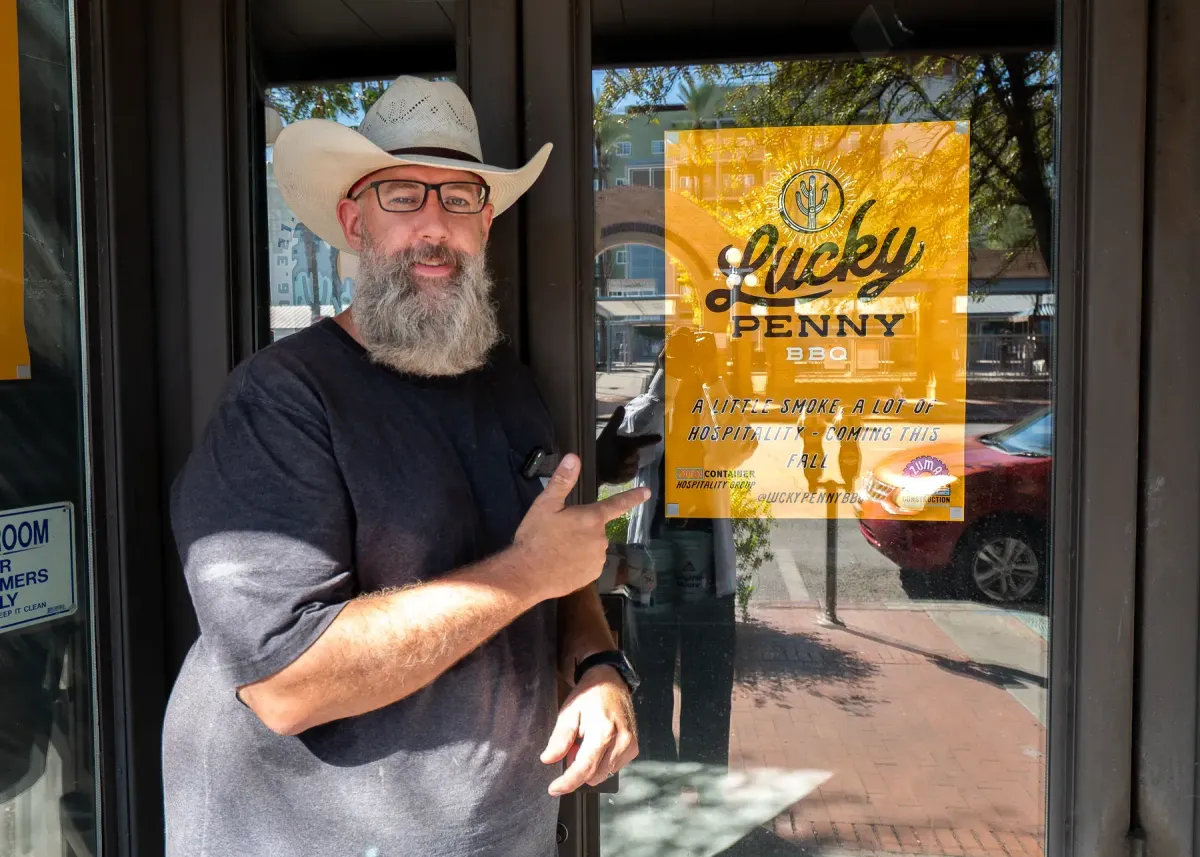
The board also unanimously approved an extension request for its Economic Benefit Agreement with the Lucky Penny Project, a dual-concept venue located at 47 N. Sixth Ave. that will feature Lucky Penny Barbecue and Bonanza Coffee Company.
Open Container Hospitality owner Brock Lynch, who is spearheading the project, hopes to obtain the project’s certificate of occupancy on or before Nov. 11, the deadline outlined in the agreement.
Lynch requested the extension out of an abundance of caution, saying he hopes to get the project up and running by the end of the month.
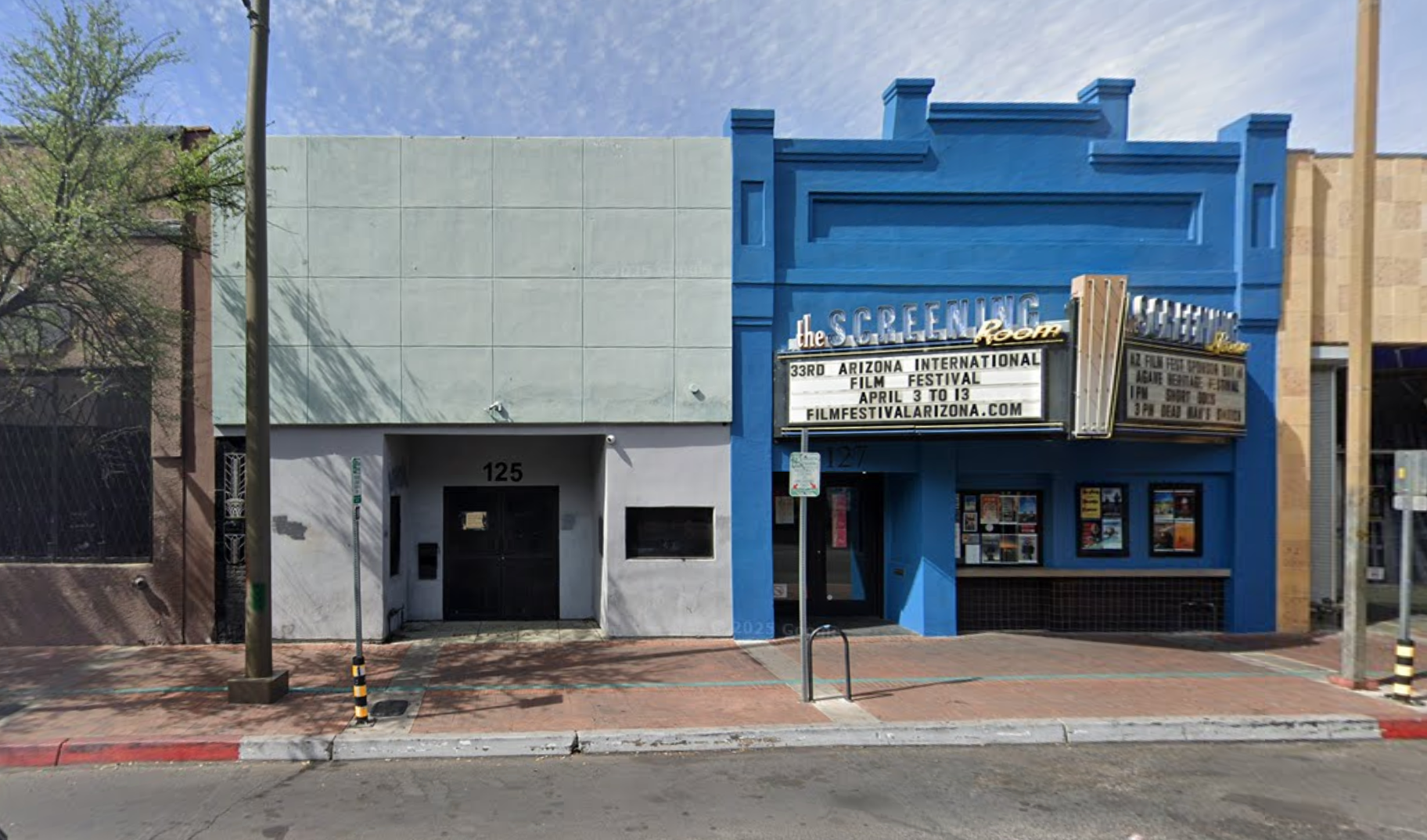
Finally, the board approved a proposal to turn the historic Betty Gay building at 125 E. Congress St. into a mercado with six flex spaces for small retailers.
This proposal was first discussed during the board’s Oct. 13 meeting, with RealGood Concepts owner Danny Cordova initially seeking a $112,500 investment from the board to fund 50% of the project’s total cost.
Cordova also owns popular downtown restaurants La Chingada, The Neighborhood and Cruda Mariscos & Oyster Bar.
After discussing fees that Rio Nuevo can’t cover, the board set its commitment to the project at $106,750. But instead of agreeing to hand over the cash in full, the board decided funding would be distributed as Cordova signs leases for the six spaces.
McCusker stressed the importance of this project, saying the board cannot claim to have revitalized downtown when there are half a dozen vacant spaces on its main street.
Ahva Ghazanfari is a University of Arizona student and Tucson Spotlight intern. Contact her at ahvanghazanfari@arizona.edu.
Tucson Spotlight is a community-based newsroom that provides paid opportunities for students and rising journalists in Southern Arizona. Please consider supporting our work with a tax-deductible donation.