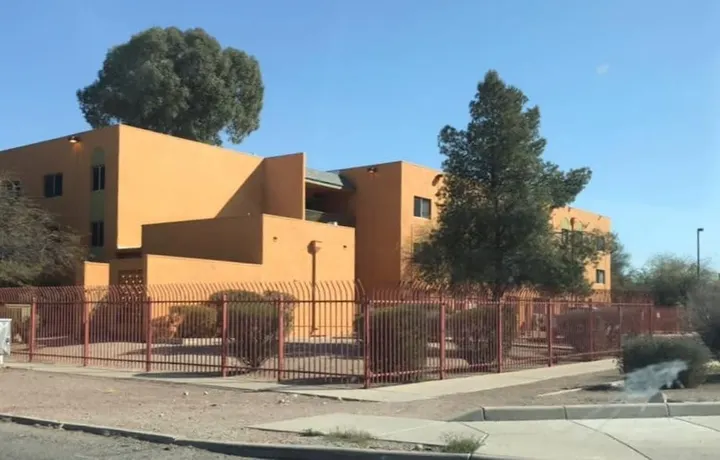
Rio Nuevo board adds two members, eyes new downtown mercado
Rio Nuevo’s board welcomed two new members and heard a $112,500 request to turn downtown Tucson’s Betty Gay Building into a mercado.
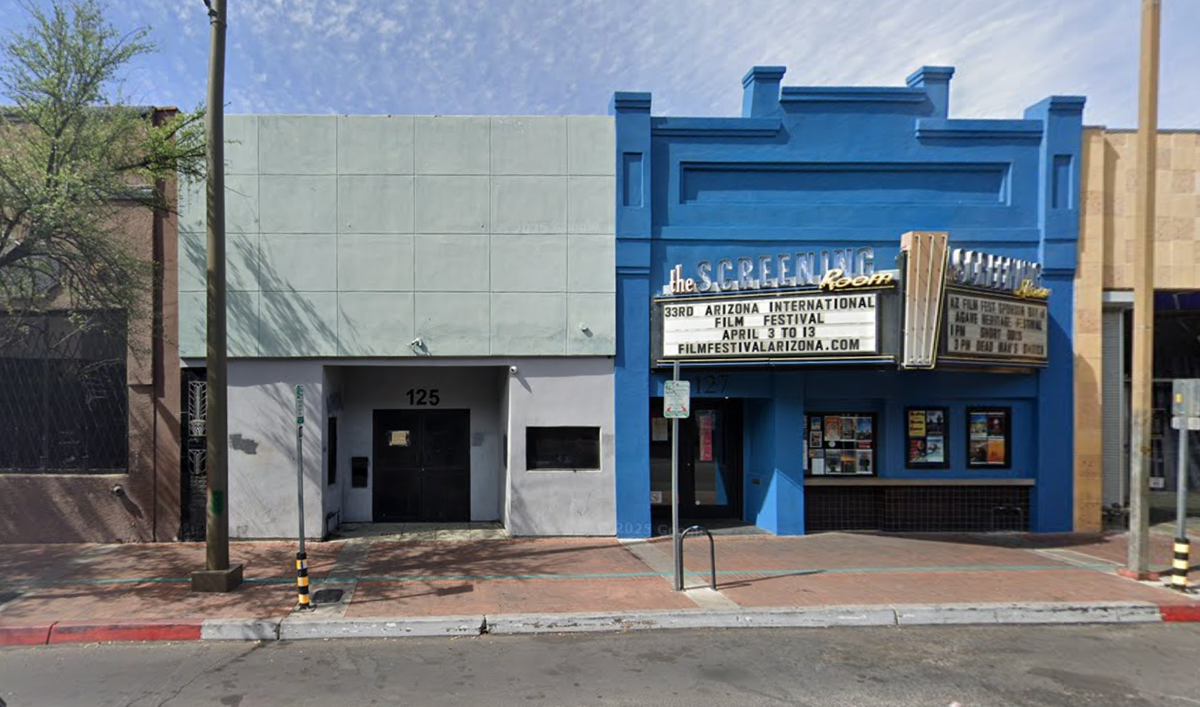
A downtown restaurateur wants Rio Nuevo to pay $112,500 to turn the historic Betty Gay Building on East Congress Street into a mercado with six small shops for local vendors.
Board members discussed the project during their Oct. 13 study session, which also saw them welcome two new members: George H. “Hank” Amos III and Kameron “Kam” Norwood.
Amos was appointed by the speaker of the Arizona House of Representatives. Having graduated from the University of Arizona in 1981 with degrees in finance and real estate, he brings decades of relevant experience to the board. He currently serves as president and chairman of Tucson Realty & Trust Co., the oldest real estate company in Arizona.
Amos previously held leadership roles with the Greater Tucson Economic Council and the Arizona Board of Regents, serving on the latter from 1994 to 2002 and as president in 2000. Amos’ extensive civic and nonprofit board service also includes the Pima County Real Estate Research Council, Carondelet St. Joseph’s Hospital Foundation and the Tucson Unified School District Business Advisory Council.
“Hopefully I can assist Rio Nuevo to reach greater heights,” Amos said during the meeting.
Norwood grew up in Tucson and graduated from the UA. He came to Cushman & Wakefield | PICOR in 2023, bringing experience across commercial real estate, business operations and entrepreneurship.
His path to real estate ran through eight years in technical staffing. From there, he started multiple companies, among them Packdash, a third-party logistics firm he co-founded. He helped build it into a $2 million business that was sold in 2023.
Your membership pays emerging journalists to cover Southern Arizona the way it deserves.
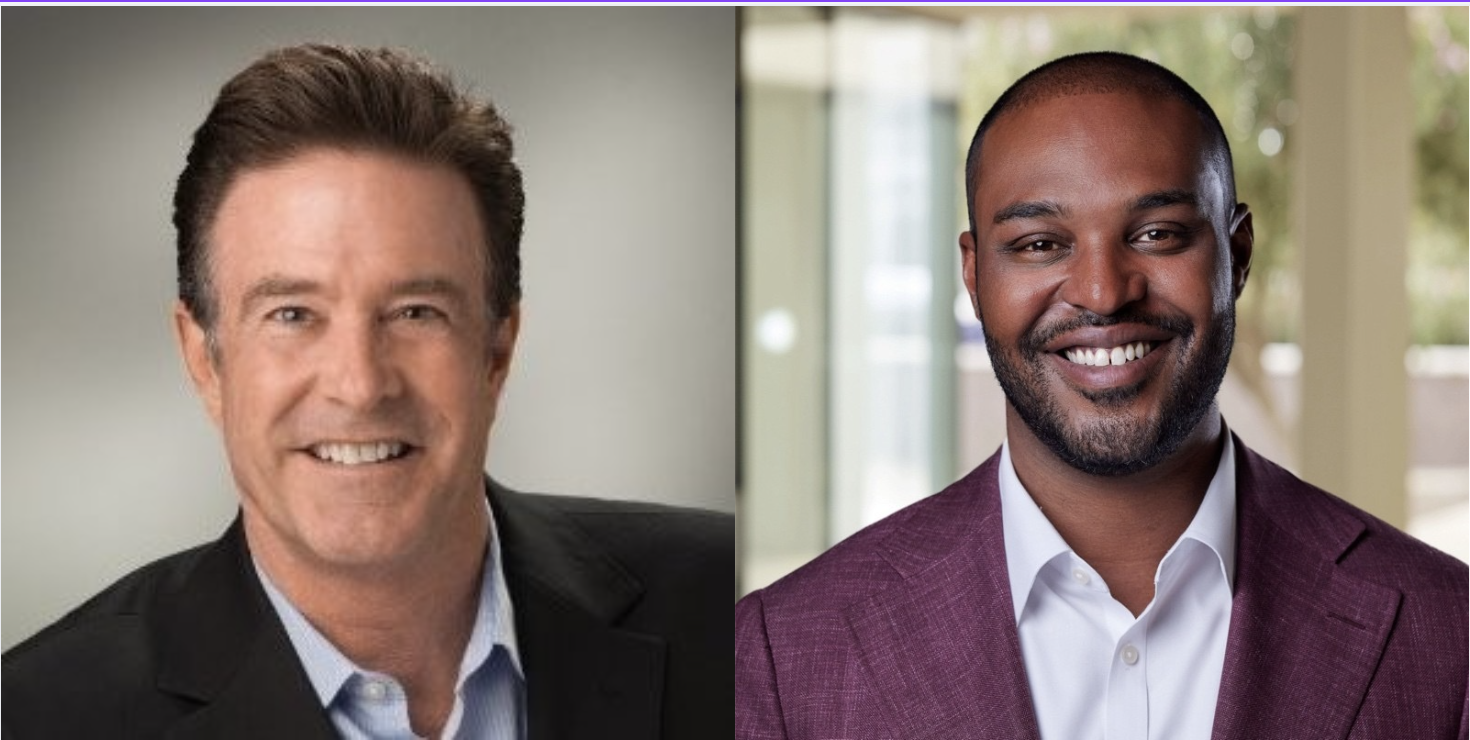
Norwood also serves on the boards of the The Chamber of Southern Arizona and Desert Sage High School and holds a Google Black Founder Award for his entrepreneurial work.
“I love everything about Tucson. I left and came back, but when I was asked to join this board, not only was I honored, but I felt it was a duty of mine to keep moving my passion for Tucson forward,” Norwood said. “I think I bring a lot of knowledge, not only from the entrepreneurial standpoint, but also from the financial and real estate underwriting standpoint as well.”
Discussion then turned to the district’s financial report. Dan Myers, the district’s chief financial officer, said that as of Sept. 30, the board had about $3 million in cash available to spend on new commitments, debts and overhead costs.
Myers also brought up the board’s ongoing financial challenges.
“It’s been tight the last year or so. Our revenues are down, and we took on some really big commitments,” he said.
The district has about $15 million left to pay toward its existing commitments. Around $12 million of that will go to its two biggest projects: the Moxy Hotel and the Tucson Inn & Marketplace.
Most of the board’s remaining commitments are $1 million or less. All of the projects will generate revenue through sales tax, allowing the board to invest and reinvest to further develop downtown Tucson.
“We hope as new projects come on board and continue to develop that things will move up again, but we should try to be a little conservative here so that we don’t overspend,” Myers said.
The board then discussed a proposal from Legends Global, a worldwide venue management company, to take responsibility for finding a sponsor for the Tucson Convention Center.
Despite being “commission only,” the agreement would require Rio Nuevo to pay Legends Global a guaranteed $12,000 every month to cover its ongoing work, regardless of whether a sponsor has been found.
The board moved to support the agreement under two conditions: that Rio Nuevo speak with the city about splitting the cost of the retainer and that Rio Nuevo pitch Legends Global on applying the retainer to the board’s commission.
The motion passed unanimously.
Next, Rio Nuevo Chairman Fletcher McCusker provided an update on the board’s land at the base of “A” Mountain. The property served as a local landfill until the late 1960s, and some toxicity remains in the area as a result.
McCusker said there have been no proposals to purchase the land, though several different parties on the west side have expressed interest in its outcome. Neighbors and other constituents in the environmental sector have advocated that it remain an open space, with McCusker saying Rio Nuevo does not have the ability to remediate the property.
The board unanimously voted to authorize an expenditure of up to $10,000 for a Phase 1 environmental study of the land. The study will help interested parties on the west side understand the nature of the former landfill’s toxicity.
The board also discussed a possible extension for the Lucky Penny Project, a restaurant and patio with a downstairs coffee shop at 47 N. Sixth Ave. Brock Lynch, owner of Open Container Hospitality and the project, requested a 60-day extension of the project’s Economic Benefit Agreement with Rio Nuevo. Though it’s unlikely, there’s a chance that the business may not obtain its certificate of occupancy by the Nov. 11 deadline outlined in the agreement.
The board did not vote on the extension, but it will likely approve it at its next meeting.
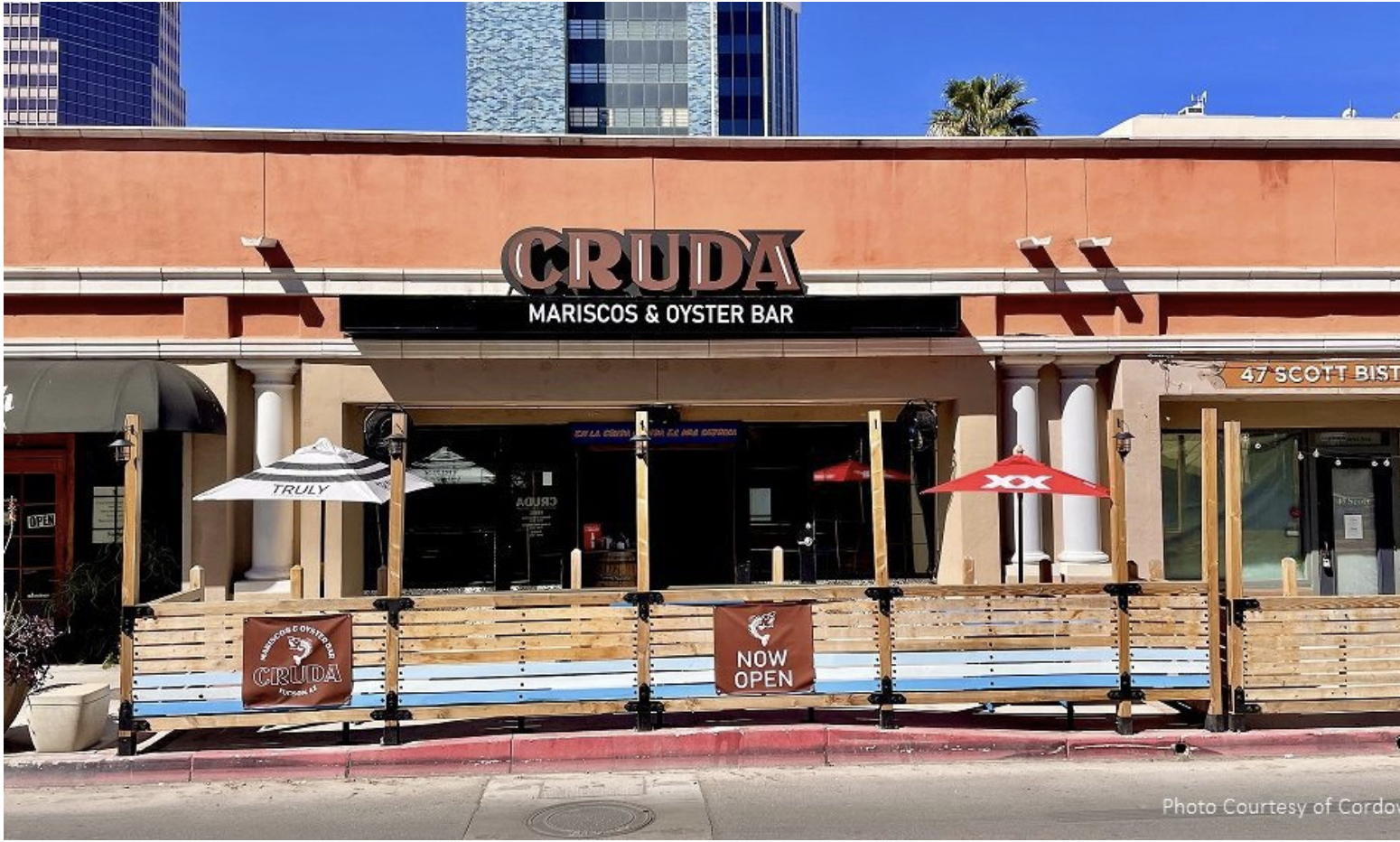
Finally, the board heard from business owner and entrepreneur Danny Cordova, who owns RealGood Concepts, a hospitality group, and many popular restaurants downtown, including La Chingada, The Neighborhood and Cruda Mariscos & Oyster Bar.
“I cannot say enough about Danny Cordova. He’s taken over some really troubled property with really troubled owners and landlords and he’s done everything he ever said he was going to do,” McCusker said. “He’s got a lot of credibility with us.”
Cordova is proposing to revamp the historic Betty Gay Building at 125 E. Congress St. into a “mercado” with six shell spaces that would allow local vendors to sell and display their products.
The project would help the district activate the block by converting an underused property into six storefront or flex spaces. Smaller spaces would make it easier for independent businesses to open downtown and encourage customers to visit multiple shops at a time.
Cordova is seeking $112,500 from the board, 50% of the total cost of the project. Rio Nuevo’s participation would help reduce the initial redevelopment burden and allow Cordova to break ground on the project before the year ends.
The board did not take action on the item, but will likely vote in support of Cordova at its next meeting.
Ahva Ghazanfari is a University of Arizona student and Tucson Spotlight intern. Contact her at ahvanghazanfari@arizona.edu.
Tucson Spotlight is a community-based newsroom that provides paid opportunities for students and rising journalists in Southern Arizona. Please consider supporting our work with a tax-deductible donation.