Tucson looks to Albuquerque for safer buses and bus stops
After a trip to Albuquerque, Tucson city leaders are adopting bus ambassadors and weighing a hazard-reporting app and an Adopt-A-Stop program.
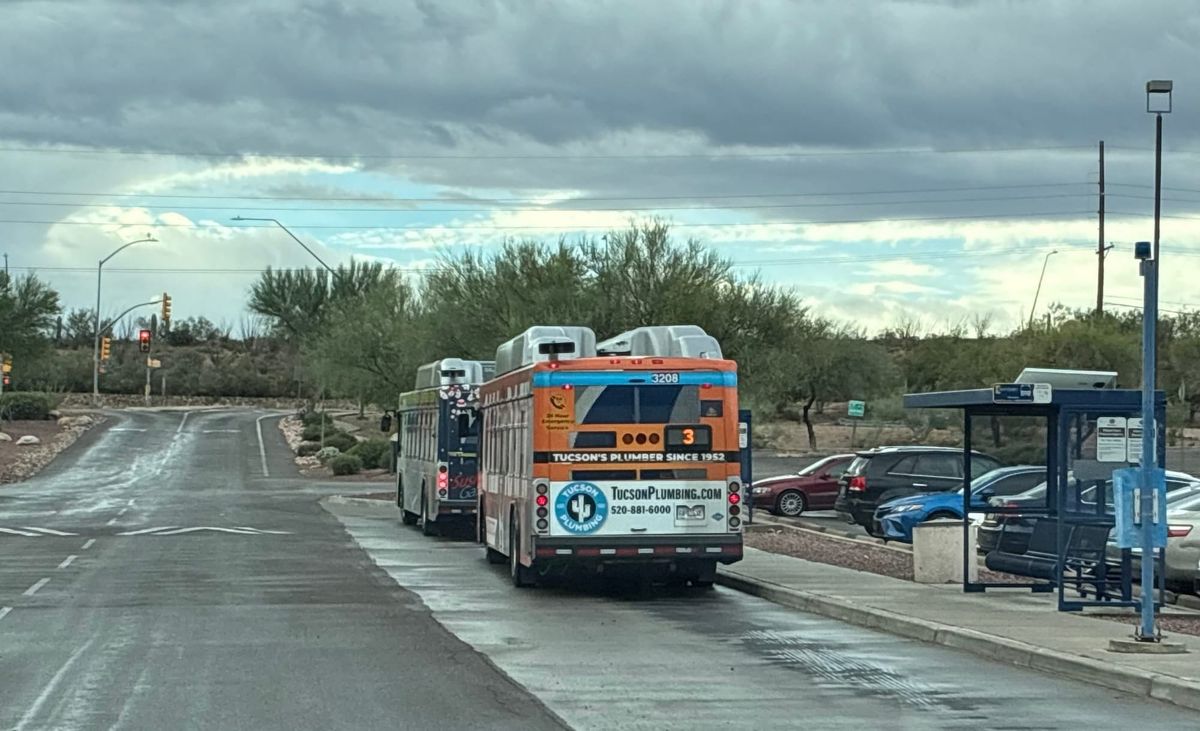
Tucson already has plans for paid bus ambassadors modeled on Albuquerque’s, and after a trip there, city leaders want more: an app for reporting hazards and volunteers to keep bus stops clean.
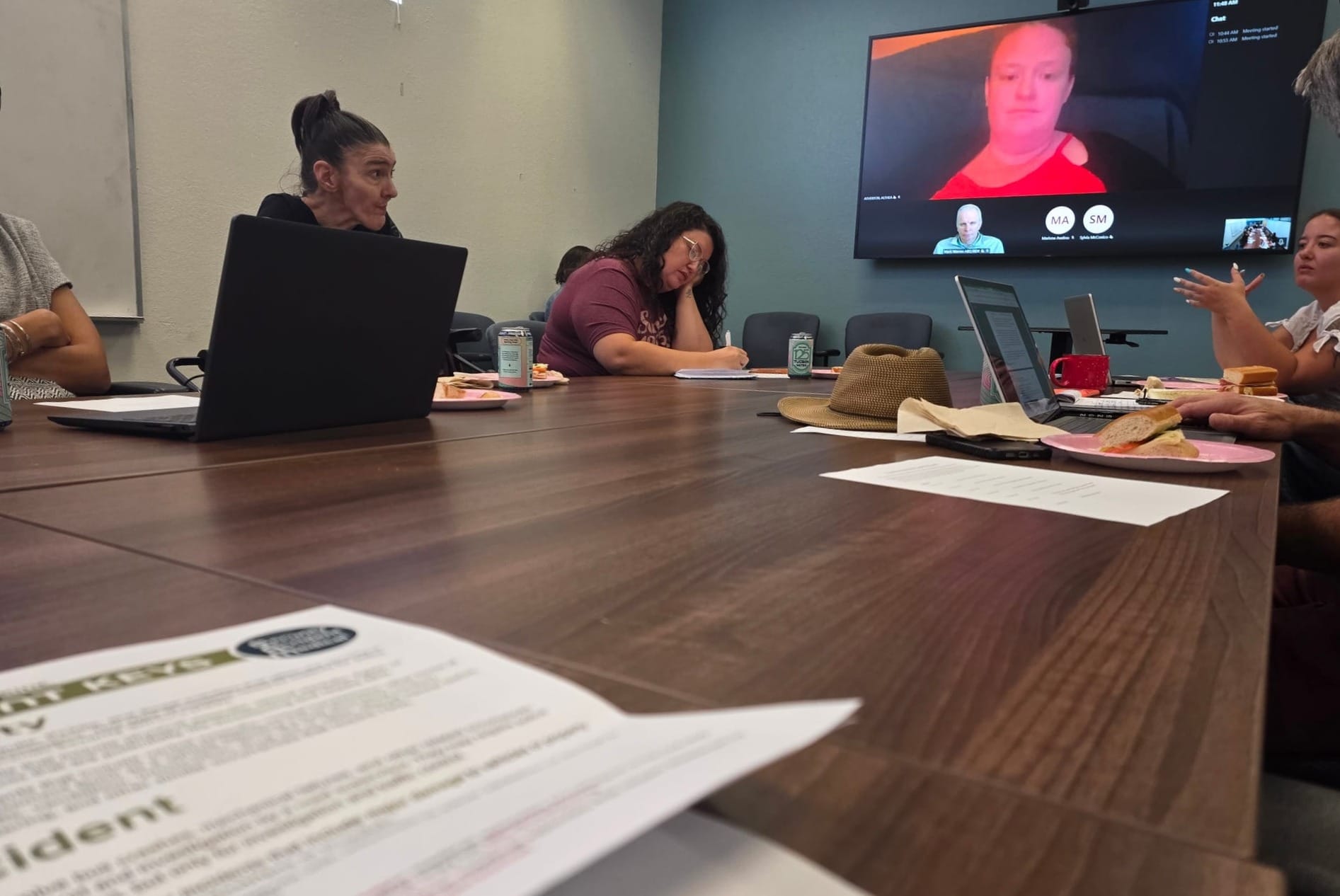
Seventeen city staff members, including three council members, traveled to Albuquerque to see its transit system. Tucson and Albuquerque officials discussed the visit during a meeting at the Ward 6 office earlier this month.
Albuquerque and Tucson have nearly the same population and similar climates, with both cities also bonded by their struggles with road safety. The 2026 “Dangerous by Design” report ranks Tucson as the fourth deadliest metropolitan area for pedestrians and Albuquerque as the second, and Arizona and New Mexico as the third and first deadliest states.
Despite the similarities, the way public transit is used in the two cities is very different.
Ward 6 Council Member Miranda Schubert said Tucson is “admired” by other municipal governments for its ridership statistics. In 2025, Sun Tran reported more than 18.3 million boardings while Albuquerque’s bus program, ABQ Ride, reported 7.7 million.
Schubert also said ridership affects safety, noting that cities like Albuquerque with 40% of Tucson’s ridership will have safer buses and bus stops simply because there are fewer people.
Tucson adopted Albuquerque’s transit ambassador program several months before the officials’ visit, but its version will differ. The Albuquerque model involves trained volunteers committing at least two hours per week to riding the bus and aiding passengers in need of assistance while also promoting safety.
Tucson’s program will involve a team of four paid ambassadors with lived experience who will alternate between bus routes to promote safety on buses while helping connect individuals in need with services. The city discussed the possibility of hiring more ambassadors in the future, if the existing ones prove effective.
Tucson Spotlight was awarded Collaboration of the Year by the Local Independent Online News Association. Become a member today and help make sure Southern Arizona keeps getting the coverage it deserves.
ABQ Ride bus driver Robert Chavez said the ambassadors are “a pretty good deal” because they’re able to answer passengers’ questions about things like routes and directions and ensure operational safety, freeing the driver to focus on the route.
If a fight breaks out, Chavez said his typical procedure is to call dispatch, pull the bus over and open the doors so the people involved or any scared bystanders can get off and avoid injury or involvement.
ABQ Ride ambassador Althea Atherton said an ambassador’s physical presence, backed by simple things such as “mom eyes” and without the tough look of security, is an important deterrent for incidents like that.
Atherton said she’s only ever had to ask someone to leave the bus once, when they tried to bring a flammable gas canister on board, calling the interaction very civil.
“I think the approach of being a friendly face in a polo shirt versus a security guard who looks like they’re going to rough someone up made that a very easy interaction,” Atherton said.
Albuquerque’s safety work goes beyond buses. To address its road safety problems, the city adopted the Vision Zero ABQ policy in 2019, setting a goal of zero traffic deaths by 2040.
Another recent road safety development came when the city changed its traffic code for the first time in decades to adopt a “Stop for Everyone” policy, along with a public relations campaign of the same name.
The policy codified that any vehicle has to stop at any crosswalk, marked or unmarked, for any pedestrian or cyclist, who are defined as “vulnerable road users.”
The Albuquerque City Council also invested in a public relations campaign specifically to reach public transit users, who are also considered vulnerable road users.
Albuquerque staff at the meeting said that with the adoption of the “Stop for Everyone” policy and the campaign behind it, incidents and accidents decreased significantly in the last year.
In Albuquerque, most incidents occur at bus stops rather than on buses. Atherton said the bus is “the safest place to gather in the city.” She believes that rhetoric about safety on buses does not match reality and that the key to transit safety lies in keeping the stops secure rather than focusing on buses.
As in Tucson, buses in Albuquerque often serve as shelter from the heat for vulnerable road users in the hotter months. Transit staff at the meeting said they want to keep buses accessible for that purpose.
Tucson is now weighing two more ABQ Ride programs. One is the See Say app, short for “see something, say something.” The app allows riders or drivers to submit photo or video of suspicious activity, safety hazards and service issues to the city, making it easier to respond. It also helps the city collect data and track trends to ease planning and coordination of its response, both long- and short-term.
The app also connects different parts of public safety, such as police, fire and community safety departments, so they can complement one another and ensure the correct responses based on trends in the data.
The other is Adopt-A-Stop, which includes more than 100 of the city’s 3,000 bus stops. Volunteers act as the city’s eyes, noting when bus stops need graffiti or litter cleaned up.
Albuquerque encourages businesses to get involved through both the See Say app and the Adopt-A-Stop program, giving them a way to report anything about bus stops that frustrates them. Tucson city officials hope to do the same if they adopt something similar.
Businesses near bus stops sometimes feel the stops get in their way. Albuquerque hopes business leaders will help keep the stops clean and “be proud of the bus stops.”
Ian Stash is University of Arizona alum and freelance journalist in Tucson. Contact him at ianjgs16@gmail.com.
Tucson Spotlight is a community-based newsroom that provides paid opportunities for students and rising journalists in Southern Arizona. Please consider supporting our work with a tax-deductible donation.