Marana approves tougher noise rules for data centers
The Marana Town Council approved zoning rules requiring data centers to meet new noise limits, including low-frequency sound, before they open.
Marana data centers will have to meet new noise limits before they can open, including limits on low-frequency sound people can’t hear, under zoning rules the Marana Town Council approved Oct. 20.
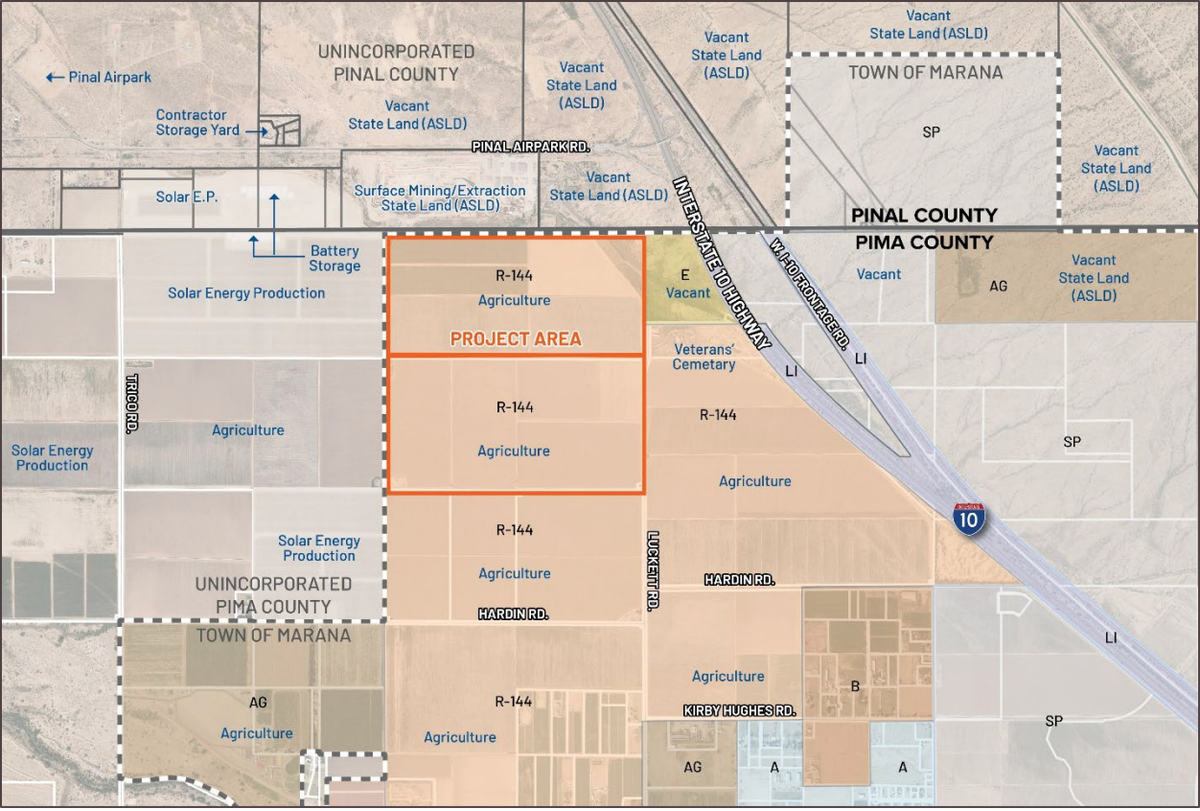
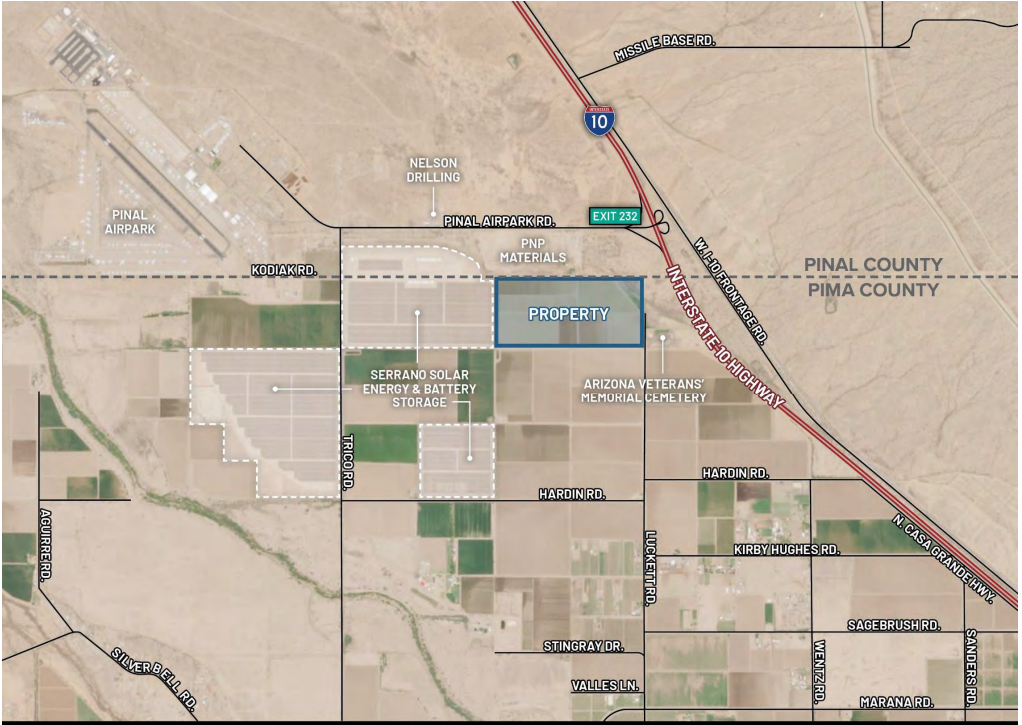
In January, the Marana Town Council approved zoning a parcel on Luckett Road for data center use. After extensive public comment, advice from outside counsel and multiple public hearings, the council believes it has implemented zoning regulations for data centers that could become a new standard for other municipalities.
The new rules would apply to all current and future data center projects in Marana.
One of the main concerns brought up during public hearings was noise, including low-frequency, ambient sound waves often produced by data center systems. But low-frequency does not necessarily mean low volume, and low-frequency sound can still affect the human body, even if the frequency is inaudible to the human ear.
During the council’s Oct. 6 meeting, Elise Kelman, a researcher with a bachelor’s degree from Cornell University in animal science and neurobiology, warned the council about the harmful effects noise pollution has on both human and animal populations.
“The federal framework governing laboratory animal facilities, together with the National Research Council guides for the care and use of laboratory animals, recognizes noise and vibration as environmental variables capable of affecting animal behavior, physiology and reproduction,” Kelman said. “This is not limited to laboratory animals, but also humans.”
Kelman also said that several local and migratory species of animals and birds within the region, some of which are at risk, will be affected by the noise pollution generated by a data center.
Town staff believes the new standards properly address the issue. They change how sound is measured and how limits are imposed, set penalties for failing to comply and require a lower decibel limit than the current average for facilities near residential or mixed-use properties.
Tucson Spotlight is free for every reader because donors make it possible. Join them.
Samuel Hord, senior acoustical consultant for MD Acoustics, said the new way of measuring sound proposed for the zoning code is meant to catch noise that other methods miss.
The most common method, called dBA, mimics some parts of human hearing and filters out others, Hord said. A second measure, dBC, “better accounts for low-frequency noise,” he said.
The dBC standard reportedly picks up low-frequency sound people can’t hear.
According to the new code, a data center will be denied a certificate of occupancy or completion until proper noise reduction is achieved and must submit design specifications for noise reduction before being issued a construction permit.
Noise was not the only concern. During the Oct. 20 discussion about the proposed change, several community members brought up the heat data centers give off. Recent studies have shown that data center activity can raise the temperature of surrounding parcels by 2 to 4 degrees Fahrenheit.
The new code does spell out what happens when a data center closes. It details requirements and timetables for decommissioning, if a facility is ever shut down. It requires a list of minimum items that, unless a utility company owns them, must be disassembled and removed from the site, including but not limited to backup generators, server banks, hazardous materials and underground storage tanks.
Most of the provisions listed are requirements that other businesses already follow to certain degrees, including containment and remediation of any hazardous pollutants.
Decommissioning is to begin within 180 days of a site ceasing operation and must be completed within 12 months of starting, barring an extension granted by the council. Town staff members are to be granted site access during that time to ensure compliance.
These assurances and requirements apply from the start of a data center project until decommissioning is complete. A sale of the property does not void them. If it changes hands, the previous assurances carry over until new ones are established. The same applies to foreclosure.
The council approved the new rules in a 5-1 vote. Council Member Patrick Cavanaugh voted against them and Council Member Herb Kai recused himself after declaring a conflict of interest. He also did not vote in January on the rezoning of the Luckett Road parcel, citing his partial ownership of part of the site.
Cavanaugh said that although he appreciated the efforts to strengthen the town’s regulations, he remained concerned about the enforceability of the noise and decommissioning requirements.
He said he could not support the rules without stronger assurances that operators would be held accountable for violations.
“Trying everything we can do is one thing,” Cavanaugh said. “You hope these (data centers) are good players, but you start challenging some of these data center operators, and they’ll just say, ‘sue us,’ and tie you up in lawsuits forever.”
Quentin Agnello is a University of Arizona alum and freelance journalist in Tucson. Contact him at qsagnello@gmail.com.
Tucson Spotlight is a community-based newsroom that provides paid opportunities for students and rising journalists in Southern Arizona. Please consider supporting our work with a tax-deductible donation.