Tucson duo turns burnout into business of compassion
Tucson natives Jose Ocaño and Angel Guzman built Hatching, a business teaching burned-out helpers how to reconnect with compassion.
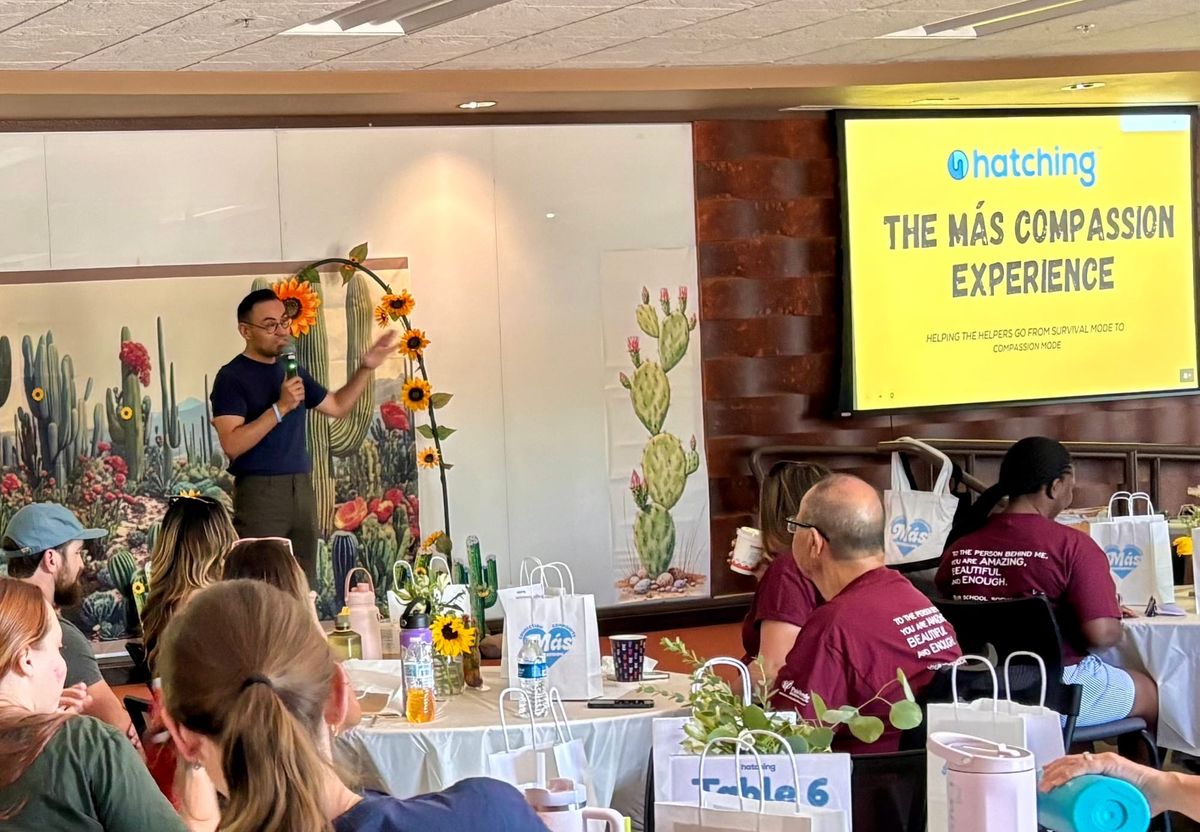
In 2023, former Tucsonans and married couple Jose Ocaño and Angel Guzman were both navigating personal crises when they made an unconventional choice: quitting their jobs to start a business together.
That business, Hatching, now teaches burned-out helpers, from animal shelter workers to school social workers, how to reconnect with compassion.
Ocaño began working at Pima Animal Care Center when he was 19. A certified vet technician, he ended up having to assist with the euthanasia of animals. While euthanasia can be the best and most humane option in some cases, that wasn't always the case at the shelter, he said.
"I saw animals being euthanized because they sneezed," he said. "They were being euthanized because they were hissing at you after being in a long car ride."
Ocaño noticed he and his colleagues were experiencing burnout. Part of the solution, he said, was to change PACC's operational procedures.
"Over the years, PACC has become an incredible organization and one of the best life-saving models in the country and I got to be a part of that," Ocaño said.
His success implementing changes at PACC took his work to a national audience when he was hired by Best Friends Animal Sanctuary. But while working in human resources, he began experiencing the familiar feeling of burnout from his days at PACC.
"So often I was going in to do programs and operational support, but I know that addressing the burnout and the human side of things was a necessary part," Ocaño said. "Over time, I realized this is the missing piece here. It's about centering people's humanity."
Your membership pays emerging journalists to cover Southern Arizona the way it deserves.
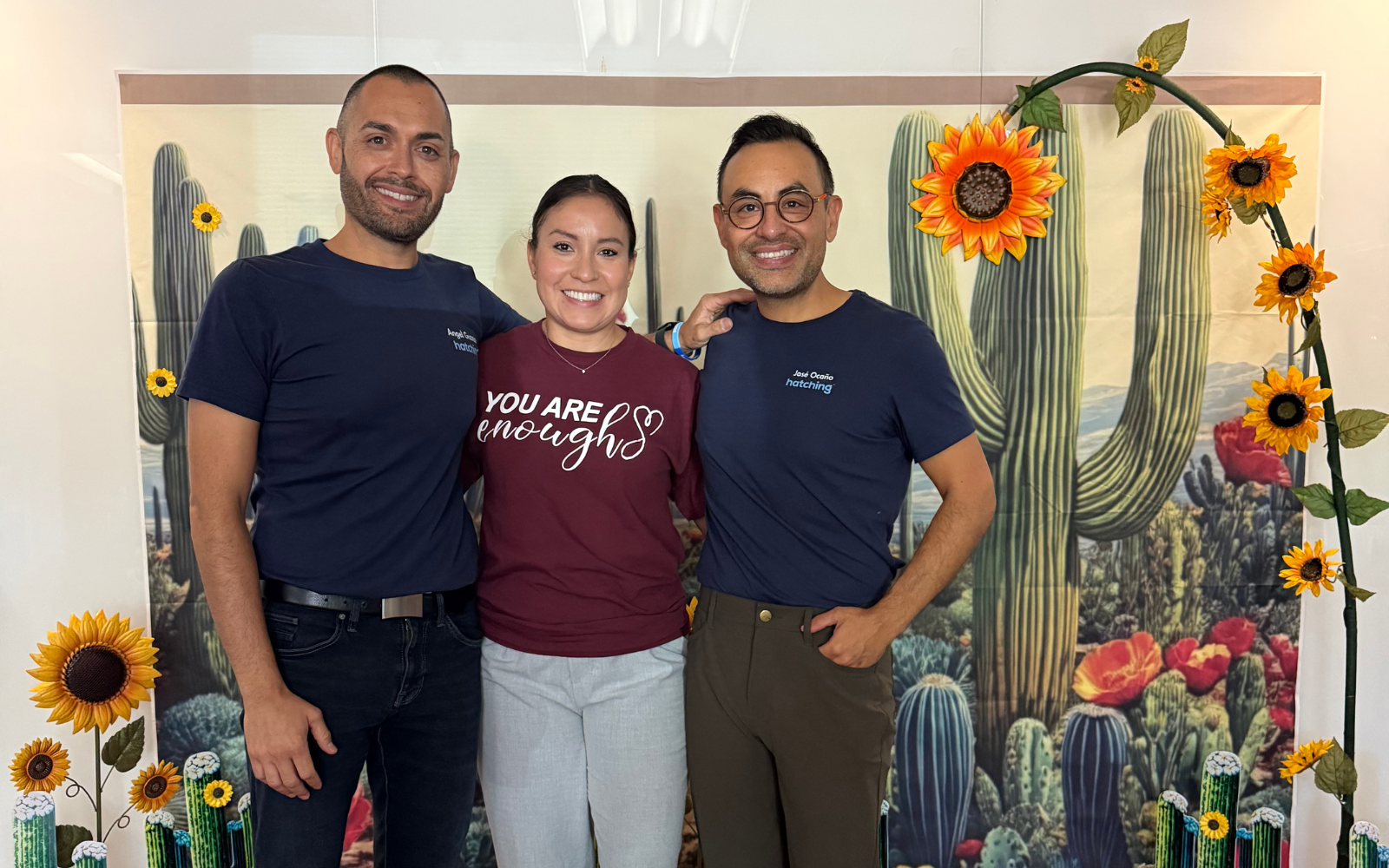
If the emotional challenges that come with caring are not met, Ocaño says it can make the situation worse.
"It leads to people being … apathetic and hopeless," he said.
During his time at Best Friends, Ocaño's mom entered hospice and passed away.
"My life was really up and down at the time and a co-worker told me I'm 'hatching,'" Ocaño said. "She meant it like this next iteration, like you're growing, learning, and having to navigate this hard circumstance. That stayed in the back of my mind."
Guzman is a professional violinist who has performed at Disneyland, toured with Latin artists and recorded with Camila Cabello. He's also a financial whiz, with his resume including a job with Adult Protective Services' financial crimes unit and work as a financial investigator for the state of Arizona.
Guzman also had a benign tumor growing on his jaw where his violin rested. The operation to remove it would effectively end his career, so he resisted until it became too much.
He eventually went ahead with the surgery, but missed playing the violin as a way to express himself and cope.
"It was life-changing and how I perceived life and the world around me," he said.
Guzman needed to find another outlet, so he filled his time with mindful practices.
"I picked up practices like yoga, meditations because I could no longer go to the gym (or play)," Guzman said. "It was really a lot of adapting and accepting the reality of my circumstances."
The idea behind Hatching didn't begin as a business plan. It was seeded in coping with life's hardships, and grew from emotional evaluation and finding ways to heal.
But while the stage was set for their business, something was still missing.
Then, Ocaño recalled an experience from his time working in an animal shelter in Fresno.
"I was sitting in the break room with a staff member and we were sharing what the experience was like, working at this really intense, under-resourced environment. We shared advice and different things that I found had helped me," he said. "Then I realized (I had) this feeling of connection, this feeling of, 'I'm in this with you.'"
It was at this moment, he said, that the idea for Hatching really took off.
"We are going to hyperfocus on people and the helpers because we need them in order for the world to be a better place," Ocaño said.
Hatching had now emerged, growing into what Ocaño and Guzman call "compassion cultivation."
It's about helping people move from survival mode to compassion mode, Ocaño said. The pair found that people were often so "deep in survival" mode that even good suggestions felt like too much to take on, so they developed what they call "Más Compassion."
"Often times … self-care … is not something we talk about and discuss in our community. So that's kind of a little insight of why we call it 'Más Compassion,'" Ocaño explained.
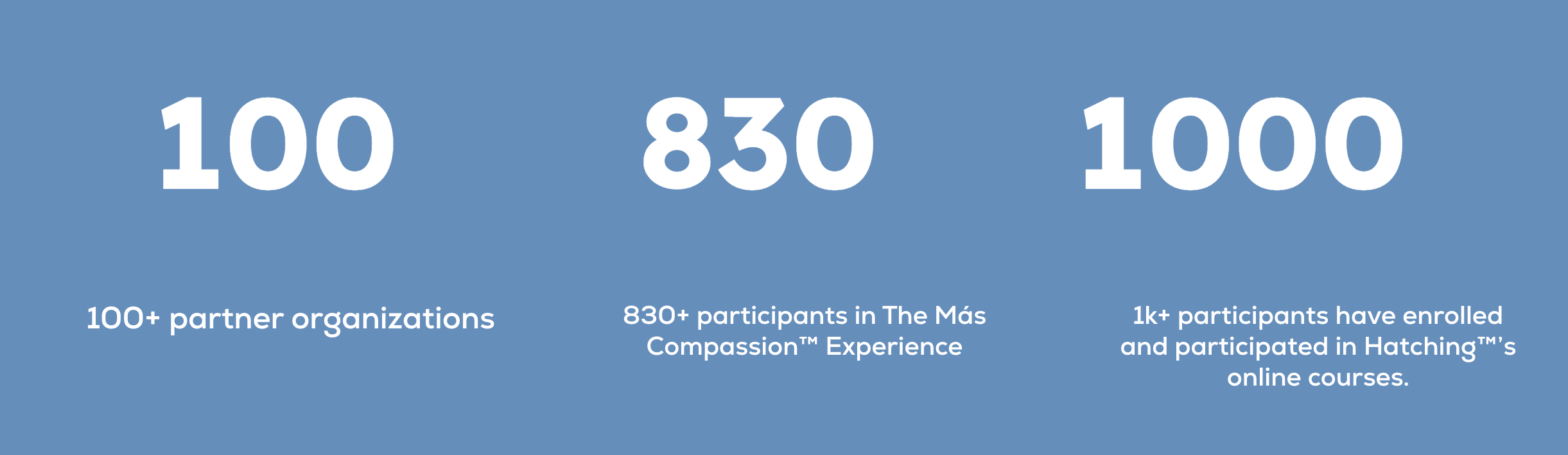
They start with what they call a "333" routine: three minutes of stretching, three minutes of musical reflection while asking internal questions, and three minutes of journaling.
"This is where the magic happens," Ocaño said.
Participants ask themselves questions like "What is it like to be me?" and "What do I carry?" then share their answers with co-workers.
Participants answer the questions through an anonymous survey app, sharing what they learned about themselves and others during the exercises.
"The number one things we hear at every workshop, and it's the most powerful takeaway, it's 'I'm not alone,'" Ocaño said.
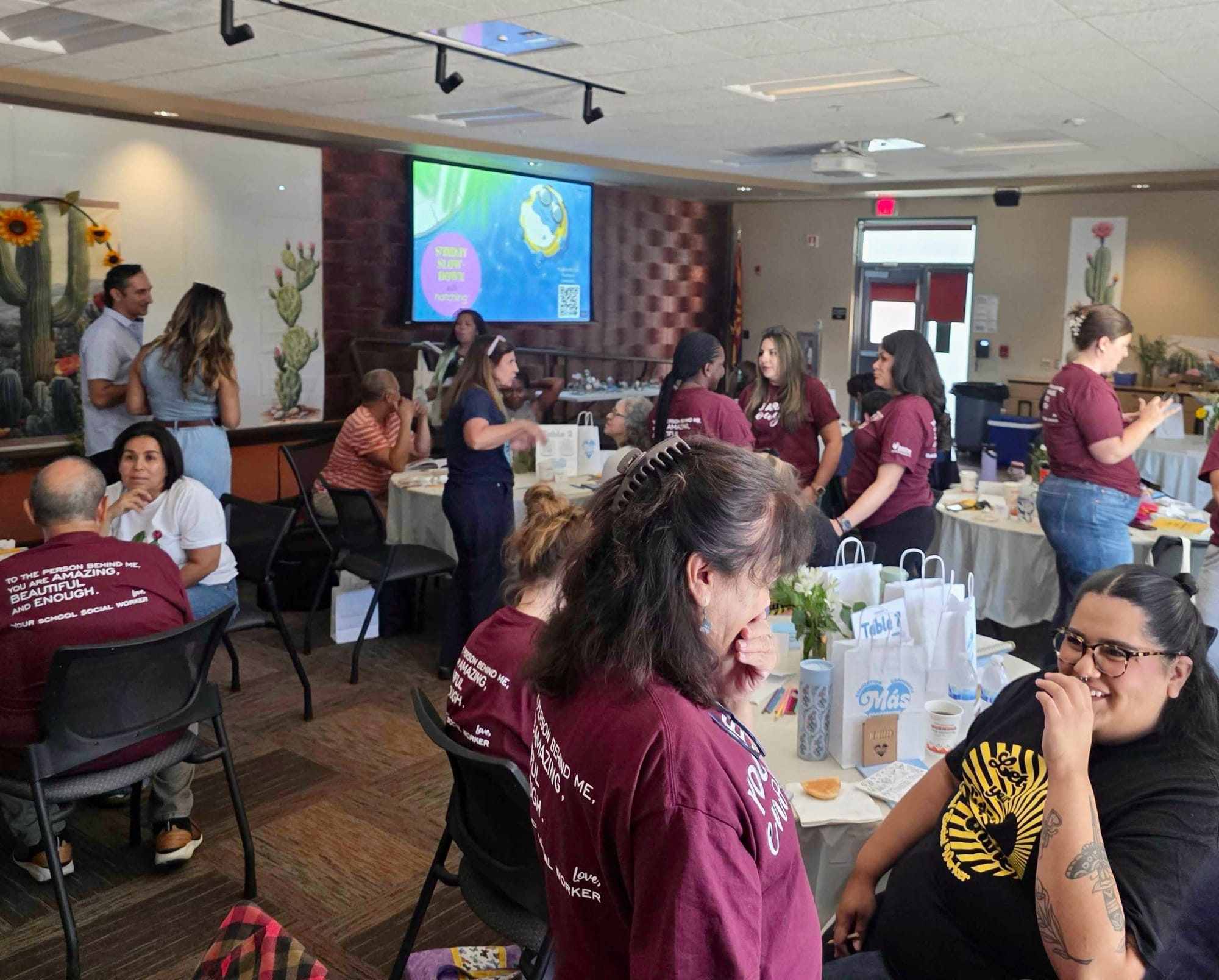
The pair recently returned for a visit to Tucson to share tools for conquering burnout with Tucson Unified School District social workers. They said the goal is to always connect people to the present by reconnecting them to themselves, each other and their work.
If workers can return to their jobs with "more compassion in their tank and some tools and a deeper connection to each other, and why they do (what they do)," Ocaño and Guzman say they've succeeded in cultivating compassion.
Katherine Martinez is a a Kickapoo-Potawatomi Native majoring in journalism at the University of Arizona and Tucson Spotlight intern. Contact her at martinezk29@arizona.edu.
Tucson Spotlight is a community-based newsroom that provides paid opportunities for students and rising journalists in Southern Arizona. Please consider supporting our work with a tax-deductible donation.