
Mini Poderosas forum connects Tucson girls with leaders
A mentor forum at Pima Community College on Oct. 10 connected Tucson girls with leaders in public safety, business and STEM.
A fire chief who once planned to be a veterinarian and a tech executive who started in an opera box office shared their winding career paths with Tucson girls at Pima Community College on Oct. 10.
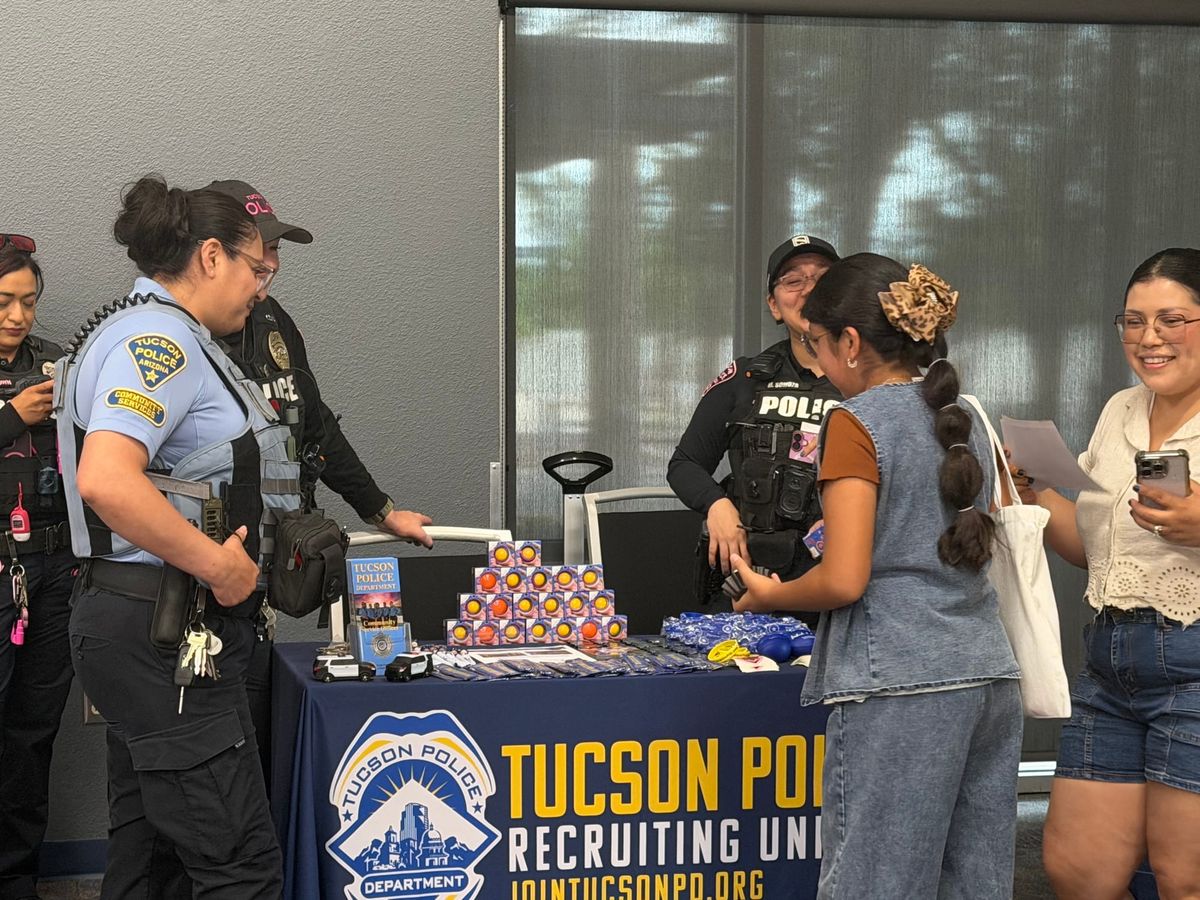
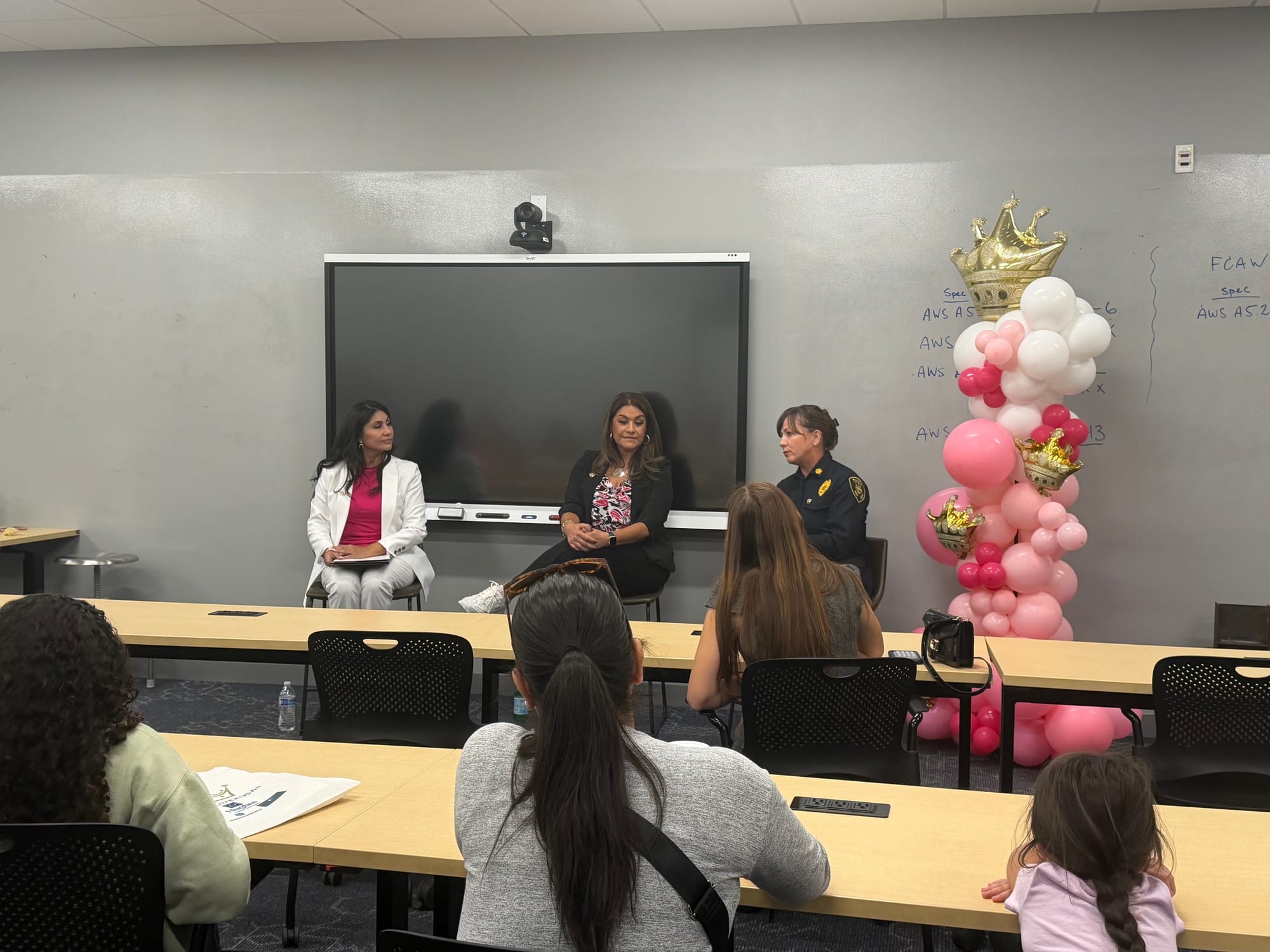
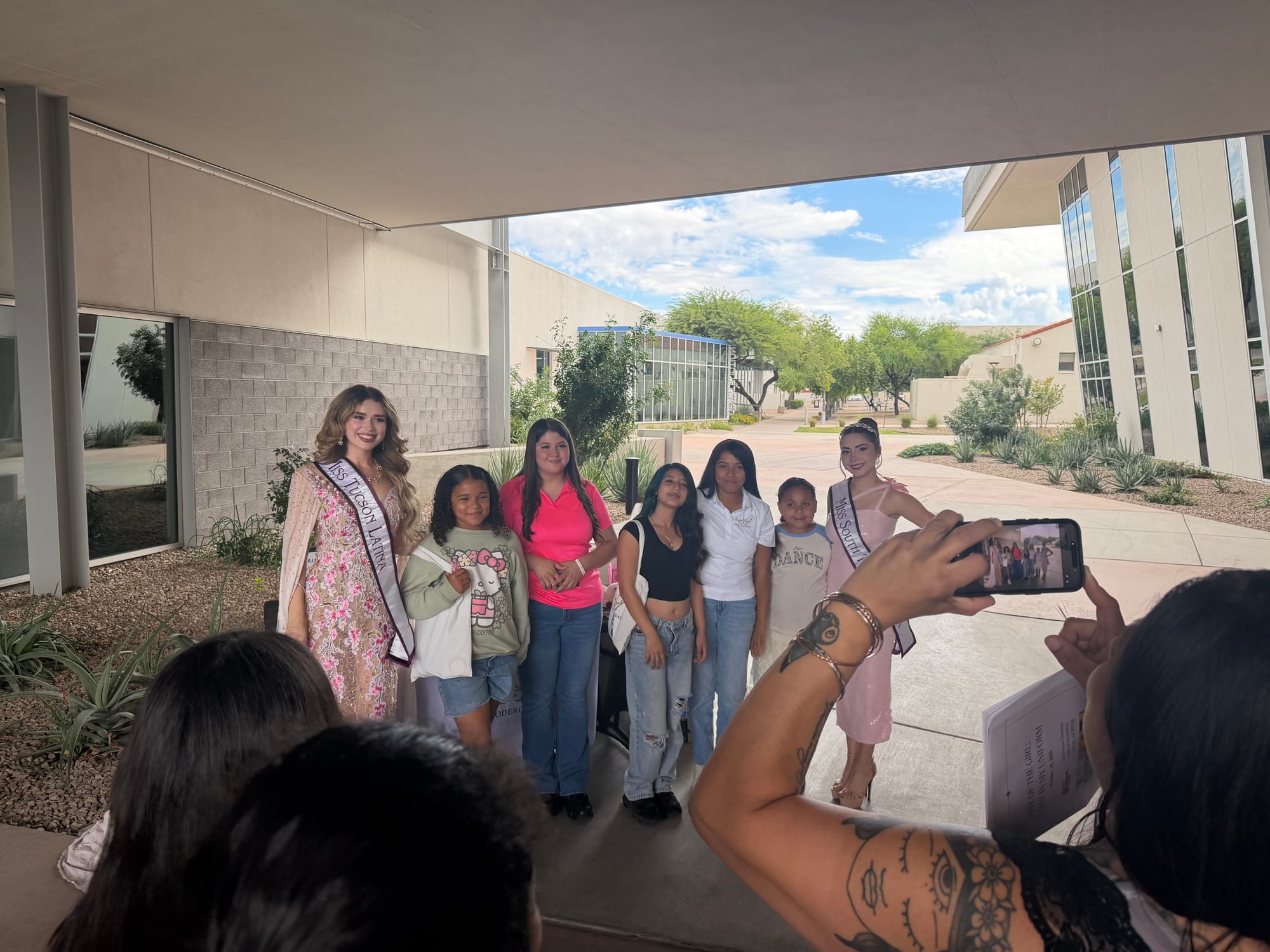
The International Day of the Girl Conference in Career Exploration connected community leaders with members of Mini Poderosas, a Tucson-based nonprofit that works to empower young girls through mentorship, education and programs. It aims to build their confidence, leadership skills and opportunities.
The conference also introduced young women and middle and high school students to professionals in public safety, business and STEM, providing a platform for attendees to explore personal leadership journeys, strategies for navigating adversity and the role of social-emotional regulation in personal and professional development.
The forum was moderated by Mini Poderosas Executive Director Azucena Bravo, who emphasized the program’s core mission: equipping young women with the tools to manage life challenges, build emotional resilience and establish strong networks of mentorship.
“This is a place where we invite community leaders so you get to know a little bit about their story, their leadership journey, and any sort of adversity that they might have encountered and how they overcame it,” Bravo said during opening remarks.
Paloma Santiago, vice president of the Arizona Tech Council, shared her professional journey, detailing how adaptability and early life shifts shaped her eventual career in marketing, fundraising and workforce development.
Growing up in Wyoming before relocating to Tucson as a junior in high school, Santiago described the challenges of adapting to new environments and managing academic transitions across states.
After graduating from Sabino High School in 1996, she enrolled at Pima Community College, choosing a community college over a large university to ease into higher education.
Your membership pays emerging journalists to cover Southern Arizona the way it deserves.
After becoming a mother at age 19, Santiago temporarily stepped away from higher education to enter the workforce, securing an entry-level position in the box office at Arizona Opera. There, she developed core foundational skills in customer service, sales and administration.
Encouraged by a colleague and mentor to resume her formal education, Santiago enrolled in a nontraditional evening degree program. Balancing full-time employment and single parenthood, she eventually earned a degree in marketing from the University of Phoenix.
Over the course of her career, Santiago held leadership roles with Junior Achievement, Girl Scouts and San Miguel High School before joining the Arizona Tech Council, where she currently works with business and education leaders to build Arizona’s STEM workforce pipelines.
Santiago told attendees to resist the pressure of having their entire life trajectory mapped out at an early age, emphasizing that brain development and career interests continue to evolve well into early adulthood.
“Your brain isn’t fully developed until you’re 25. Who you are right now will most likely be different after 25,” Santiago said. “Work on yourself, work on your education, work on your personality, work on everything that you can and find out who you are.”
Santiago highlighted the importance of clear communication with parents and guardians, noting that building empathy and mutual understanding at home helps establish a strong foundation during adolescent transitions.
The girls also heard from a leader who has spent three decades in a male-dominated field.
Tucson Fire Department Chief Sharon McDonough talked about her 34-year career in public safety and emergency management, offering her perspective on working and advancing within historically male-dominated fields.
McDonough initially planned a career in veterinary medicine before unexpected family circumstances and financial constraints prompted a change in direction.
While working at a local gym, interactions with firefighters led her to take the civil service examinations for both fire and police departments in 1990.
McDonough chose the fire service for its focus on emergency medical response and public service. She entered the fire academy with a high school diploma and later earned college degrees while moving up through the ranks.
Over three decades, McDonough advanced from firefighter and paramedic to captain, battalion chief and deputy chief. She also served a four-year tenure as director of the Public Safety Communications Department, overseeing Tucson’s 911 dispatch operations and the launch of the city’s 311 non-emergency service line.
McDonough became interim fire chief last March and was named permanent chief in June, making her the first woman to lead the Tucson Fire Department. Women make up fewer than 1% of fire chiefs nationally.
Addressing the cultural and physical challenges of being one of few women in the department during her early career, McDonough stressed the value of professional consistency, workplace focus and constructive policy reform. She said that institutional progress often depends on individuals showing up, demonstrating capability and advocating for necessary policy updates, such as modernizing parental leave and workplace regulations.
“Adversity happens. It’s what we do with it next,” McDonough said. “Don’t get bogged down by the naysayers. Choose your battles appropriately.”
McDonough encouraged the young women in attendance to pursue their interests without allowing external discouragement to set limits on their aspirations.
The event is part of Pima Community College’s broader efforts to connect local youth with college pathways, career exposure and civic leaders who can serve as role models.
Isabel Vidrio is a University of Arizona alum and freelance journalist in Tucson. Contact her at vidrioi@arizona.edu.
Tucson Spotlight is a community-based newsroom that provides paid opportunities for students and rising journalists in Southern Arizona. Please consider supporting our work with a tax-deductible donation.


