South Tucson presses on derelict motel, "trap houses"
South Tucson's council demanded action against a derelict motel's new owner and a property owner blamed for years of crime, while learning it has little power to stop a contested cell tower.
The South Tucson City Council is pushing for stronger action against the new owner of a derelict motel and against a property owner blamed for years of crime nearby.
The council also learned during its Sept. 1 meeting that it has little legal power to stop a cell tower project residents oppose.
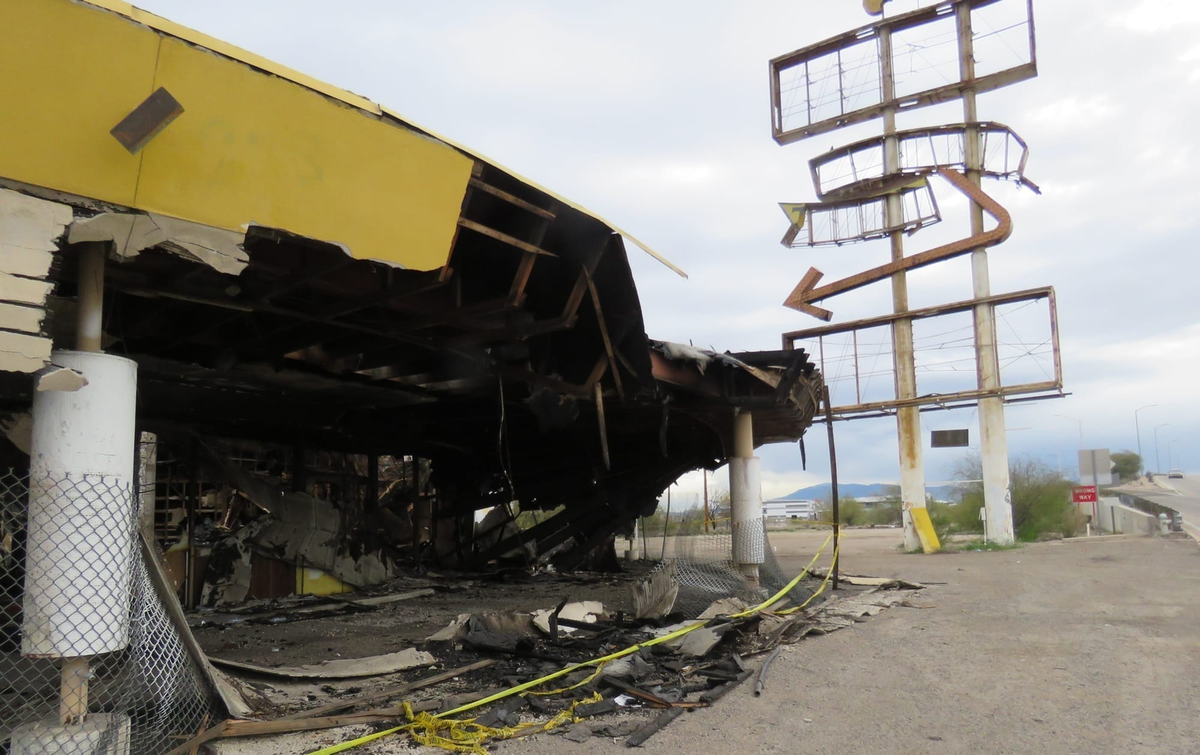
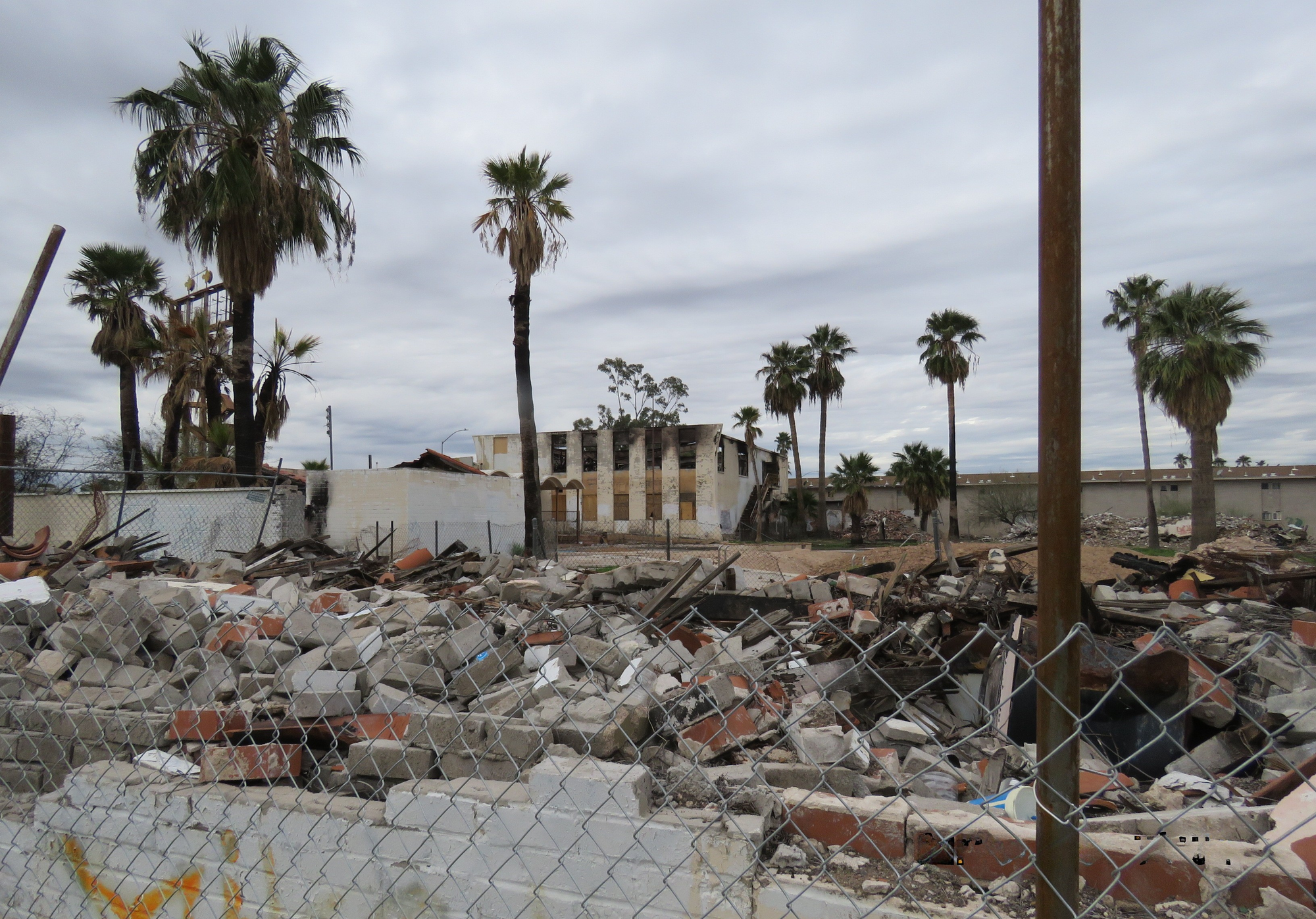
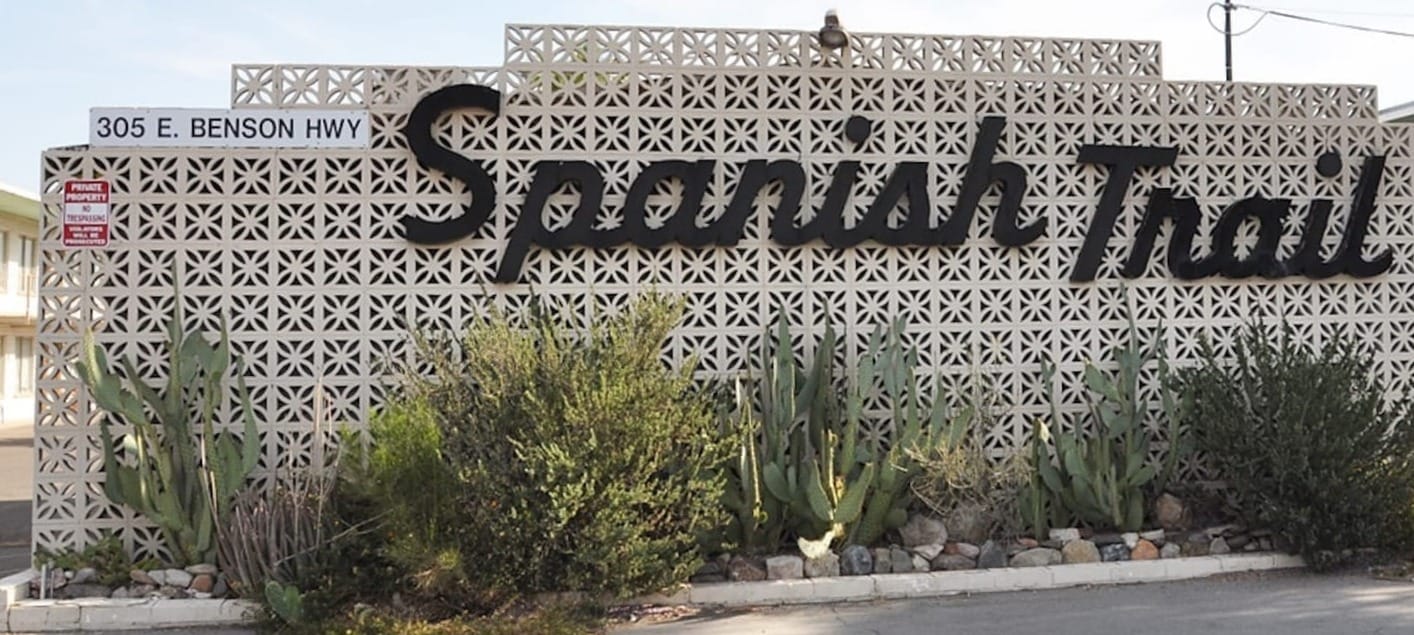
The Spanish Trail Motel, at 305 E. Benson Highway, has sat vacant for years and been the site of multiple fires. The address also covers the adjacent Spanish Trail Suites, which is still operating and housing tenants.
South Tucson's mayor and council have tried to compel the motel's previous and current owners to demolish it, filing a lawsuit in June 2026 against Kristian Gose and his company, Asgard Group LLC, demanding cleanup and removal of hazardous waste at the site.
The council was informed during the meeting that a new, unknown owner has purchased the property from Gose and is asking the city to accommodate their needs before beginning demolition.
Mayor Roxanna Valenzuela said this is not the first time the property has changed ownership amid the council's efforts to clean up the site.
“This is a recurring pattern,” Valenzuela said. “People keep changing ownership and there's no accountability, and they're probably selling it within their own network. I understand working with them, but why are we accommodating to them? They should have done their homework.”
Tucson Spotlight is free for every reader because donors make it possible. Join them.
Before Asgard purchased the property, it was owned by Brian Bowers' company, Torino Avenue LLC. Bowers still owns the adjacent Spanish Trail Suites.
Acting City Attorney Michelle Stinson, an associate at Pierce & Coleman Law Firm, said the pending lawsuit against the motel's owners will follow the property no matter how many times it's sold.
A demolition company has filed a permit to operate on the property, but Councilman Brian Flagg voiced frustration with the situation.
“The rubble looks bad,” Flagg said. “But that's nothing compared to the dysfunction that (the Spanish Trail Suites) has bred. The drugs, prostitution coming out of that hotel, that's what needs to get dealt with. This has gone on for years.”
Bowers has been the subject of previous protests and actions by the council and community members. Last year, Spanish Trail Suites and another Bowers property saw the highest volume of 911 calls in South Tucson, according to City Manager Veronica Moreno.
South Tucson Police Chief Danny Denogean said that while the volume of 911 calls in that area has dropped over time, foot traffic has remained steady, meaning unreported crime is likely still happening.
Flagg and Valenzuela both voiced frustration with the lack of urgency around a case they've filed with the Arizona Attorney General's Office, saying they've repeatedly been told to wait until it's processed.
Flagg commended Attorney General Kris Mayes' work targeting other “slumlords” in Pima County but questioned the timeline of their request.
“Am I going to get told (in) ten million years that there's nothing we can do about Brian Bowers?” he asked.
Valenzuela called Bowers' properties “trap houses.”
“We see the prostitution. We see the drug deals happening there. We see the owners participating, and there's just not enough presence from our police department there,” she said. “People are not speaking up, so we have to try something different.”
Valenzuela pushed for an item to be added to the next meeting's agenda so the council can provide further instruction to South Tucson police.
The council turned its attention to a proposed cell tower at 2425 S. 10th Ave., with Verizon Wireless recently submitting a construction application, which is currently under review.
The tower has been a point of contention for residents. While it could help bridge a gap in network coverage, houses within visual distance of it could lose 2% to 20% of their value.
Several residents voiced their displeasure with the project during the call to the audience, asking the council to take action.
“I don't give a damn about legal analysis, because I've heard all this stuff for months,” Flagg said. “The thing needs to stop. The whole process needs to stop.”
But the 1996 Telecommunications Act protects cell service providers from regulatory pauses or indefinite holds on their projects, with exemptions for environmental risks and other listed factors.
The council directed Stinson to determine whether there are any legitimate avenues for halting the project.
Quentin Agnello is a University of Arizona alum and freelance journalist in Tucson. Contact him at qsagnello@gmail.com.
Tucson Spotlight is a community-based newsroom that provides paid opportunities for students and rising journalists in Southern Arizona. Please consider supporting our work with a tax-deductible donation.