Pima County's proposed budget adds $58 million in spending
Pima County's proposed 2026-27 budget would increase spending by $58 million, directing most of the boost toward public safety and infrastructure, as supervisors debate employee raises and rural road funding.
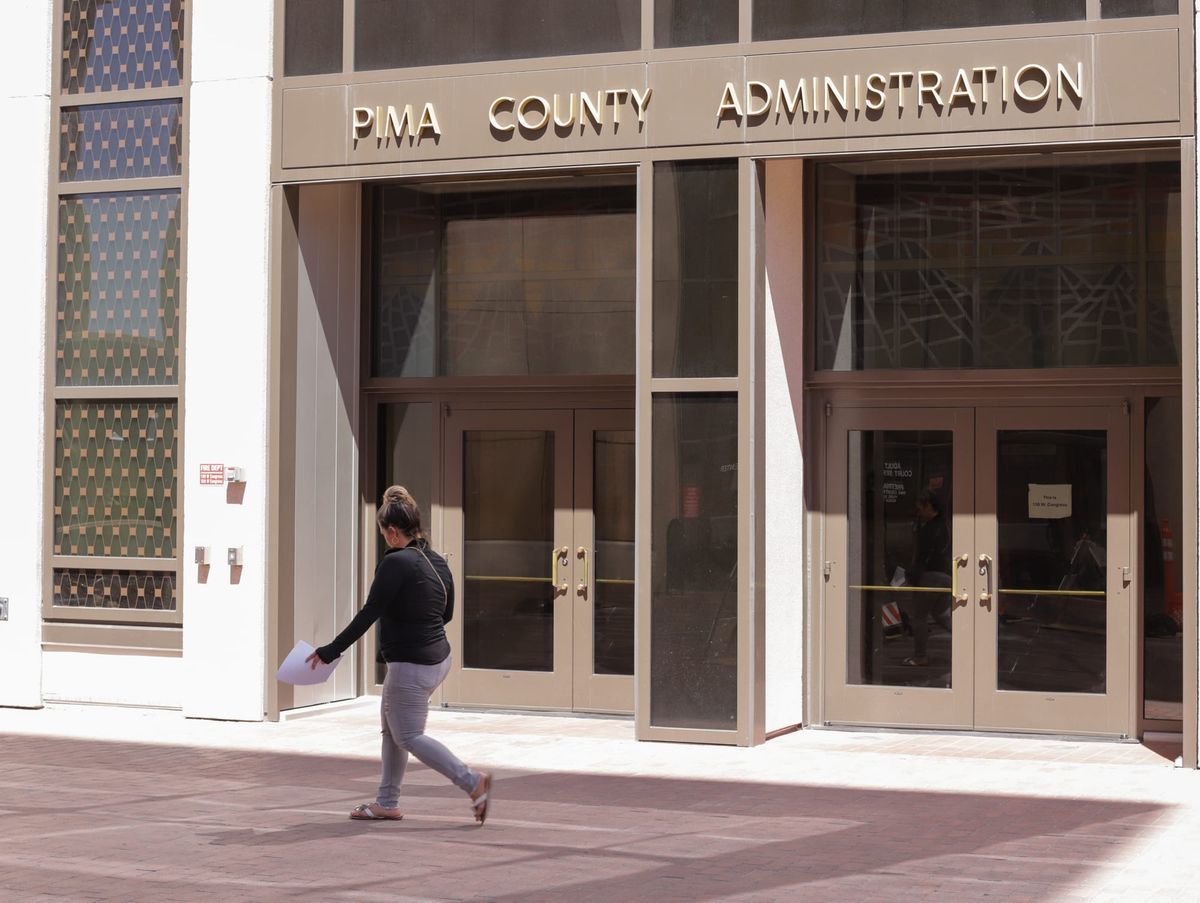
Pima County's proposed 2026-27 budget would boost spending by $58 million, pouring most of the increase into public safety and infrastructure while supervisors debate how the rest, including employee raises and rural road maintenance, should be divided.
The budget recommended by county staff includes $1.81 billion in spending. After the $581 million allocated for general government services, the two largest spending categories are $452 million for justice and public safety and $447 million for infrastructure resources.
Additional spending goals presented in the budget include $148 million for community and economic opportunity, $129 million for environment and public health, and $52 million for conservation and recreation.
The county has directed $260 million toward the Prosperity Initiative, a regional partnership aimed at reducing generational poverty, and $9 million to its ongoing two-year One Pima Initiative, which aims to improve public safety, housing stability and substance use treatment options. The One Pima funding includes $8 million in opioid settlement funds.
Additional efforts in the budget include $5 million to help close the affordable housing gap, funding for solar projects under the Comprehensive Climate Action Plan, and employee benefits such as $1.3 million each for childcare stipends and student loan repayment, along with a 3% raise.
District 5 Supervisor Andres Cano said during the June 9 meeting that the county "will have to do some work" on employee benefits, noting that those two benefits don't help an employee who has no children and no student loans.
Several speakers at the meeting spoke out against the proposed 3% raise, saying it disproportionately benefits employees who already earn higher salaries, while lower-earning employees will struggle to keep up with the cost of living without a larger increase.
Property taxes remain Pima County's biggest source of income, bringing in $652 million in revenue, a $35 million increase in county property tax revenue over the previous year's budget.
The tentative budget also includes the addition of a $2.5 million RTA-funded project on Silverbell Road from Camino del Cerro to Ina Road.
This budget marks an increase from the previous one, which totaled $1.76 billion in spending. The two categories that saw the largest increases were justice and public safety, up $18 million, and infrastructure resources, up $29 million.
The upcoming budget also reflects a $121 million increase in the current fund balance, driven chiefly by a larger existing balance of funds compared with last year, as well as the increase in property tax revenue.
Supervisors voted to approve the tentative budget at their May 23 meeting, when they also approved tentative budgets for six additional districts the county oversees. They include:
- The Flood Control District tentative budget, approved at $19,558,296 with an effective tax rate of 0.3407%.
- The County Improvements District tentative budget, approved at $372,139 and paid for with property tax levies, with the vast majority going toward street lighting improvements.
- The Library District tentative budget, approved at $63,454,352 with an effective tax rate of 0.582%.
- The Rocking K South Communities District tentative budget, approved at $4,930,829 and paid for with property tax levies, with roughly a fifth coming from the levy and the remainder from debt earnings.
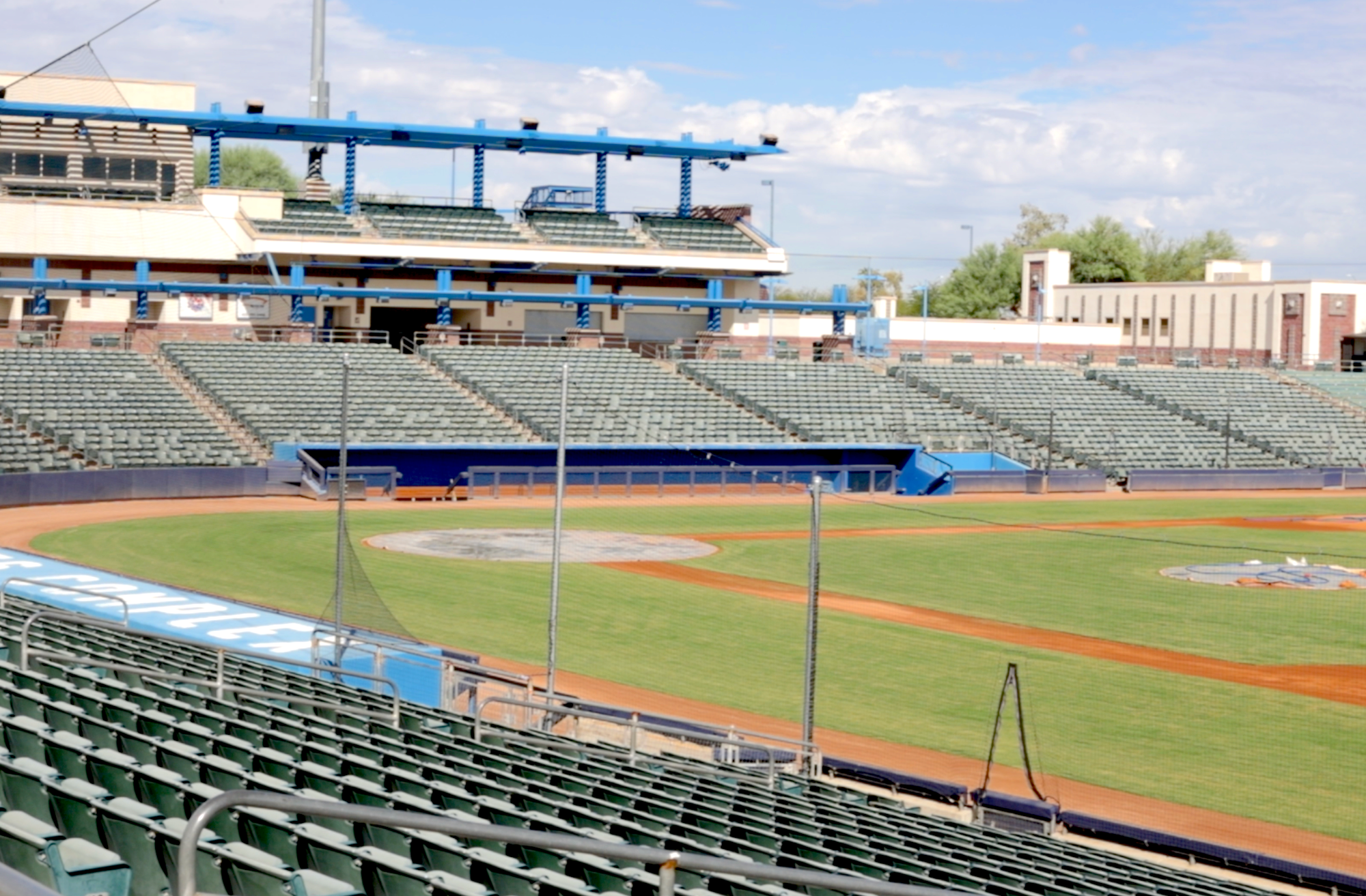
- The Stadium District tentative budget, approved at $9,645,670.
The board also voted to adopt a Wildflower Community Facilities District tentative budget set at $0. The board made the same vote for the 2025-26 fiscal year at its meeting on May 20, 2025, when it said approving a budget, even a blank one, would help establish the district so an actual budget could be discussed in the future. No funded budget has been presented for the district this year either.
Of these seven budgets, four passed by unanimous vote, with District 4 Supervisor Steve Christy voting against the Library District, Stadium District and overall county budgets.
District 3 Supervisor Jennifer Allen made three last-minute suggestions heading into the final budget process, totaling an additional $450,000 from the county's general fund, all aimed at helping rural communities. She said it was important to raise these issues because her district encompasses 80% of Pima County's land by area, much of it unincorporated, with the county serving as the only form of local government for many residents there.
Her first suggestion was $30,000 in additional funding for the International Sonoran Desert Alliance. Allen noted that the organization is "the only nonprofit in town" supporting residents in communities like Ajo, where it provides services like Ajo One Stop. The funding would contribute to ISDA programming and combine with other county funding directed to the organization for home repair.
Her second suggestion was two individual $10,000 funds to support a senior meals program that lost funding last summer in Ajo and Flowing Wells. Allen said the Pima Council on Aging is preparing for another round of senior meals starting Oct. 1 but needs funding to carry the program until then.
Her final suggestion was a $400,000 pilot program for the county to grade dirt roads in its highest-need areas four times a year, once per quarter, up from the current three times.
"Some of the most common requests seen in our office are about roads, dirt roads in particular," Allen said. "From Arivaca to the Avra Valley, we've got communities asking for more frequent maintenance and then faster responses after monsoon rains and storms."
Ian Stash is University of Arizona alum and freelance journalist in Tucson. Contact him at ianjgs16@gmail.com.
Tucson Spotlight is a community-based newsroom that provides paid opportunities for students and rising journalists in Southern Arizona. Please consider supporting our work with a tax-deductible donation.