AZ female mayors talk bias, progress at Tucson panel
Arizona's female mayors and vice mayors discussed gender and racial bias in politics at a Tucson panel, where Mayor Regina Romero announced her reelection bid.
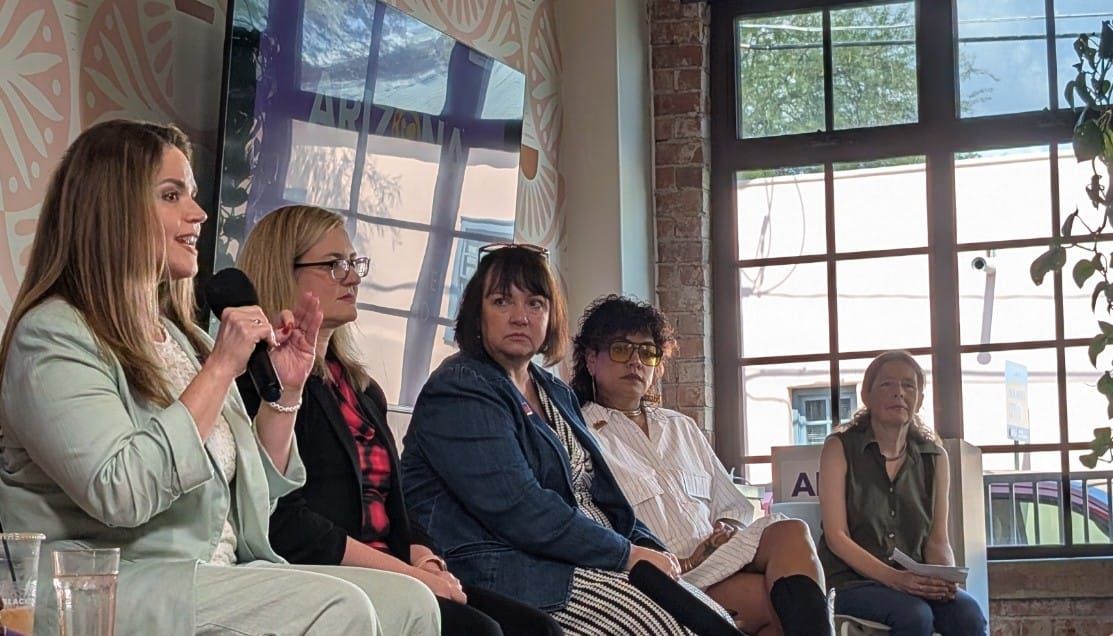
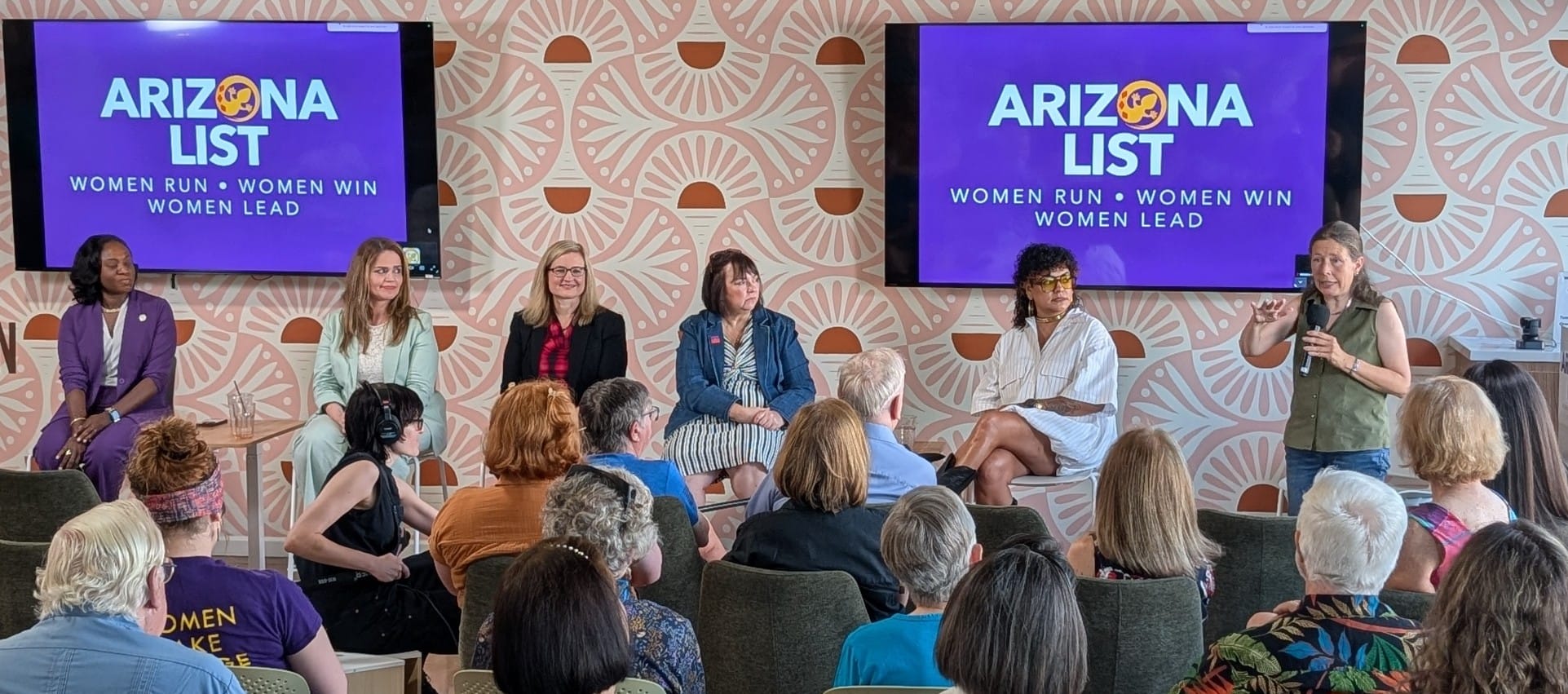
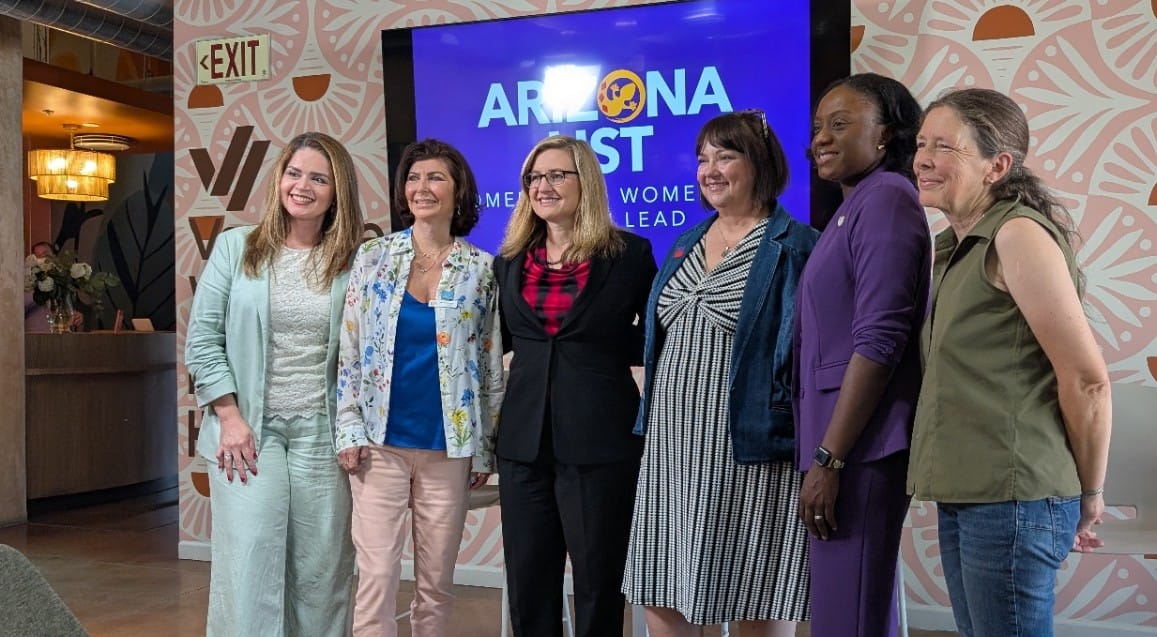
Arizona's female mayors and vice mayors traded stories of being dismissed, mistaken for staff and second-guessed at a candid panel discussion Saturday in Tucson, where Mayor Regina Romero capped the event by announcing she's seeking a third term.
"This event was put together because we are living through some really, really challenging times. The federal government is starving the cities financially, terrifying our people locally," said Christina Mendoza, Romero's chief of staff. "(There is) not enough money, too much need, and lots of different intersectional challenges that don't have easy solutions."
Vice Mayor Lane Santa Cruz was also in attendance, along with Phoenix Mayor Kate Gallego, Phoenix Vice Mayor Kesha Hodges Washington and Flagstaff Mayor Becky Daggett.
The event was presented by Arizona List, which exists because of the obstacles to promoting and electing women leaders, according to Executive Director Cathy Nichols.
"I notice (the disrespect) in little ways, like people addressing me as 'Becky' in emails," Daggett said. "Don't let others forget about the title because there is a gravity that comes with being a leader and being elected."
Daggett said that was a lesson she learned from former Flagstaff Mayor Coral Evans.
Romero recalled the time a Tucson Weekly columnist accused her of practicing what others told her in a mirror before city council meetings.
"Basically, I didn't have a brain, according to him," Romero said. "After 12 years of being on the council plus 12 plus years in activism, I still got, 'But are you prepared to be mayor?'"
Your membership pays emerging journalists to cover Southern Arizona the way it deserves.
Washington recounted a similar instance with a female reporter who credited others for her initiatives.
"Despite the fact I am an attorney, I am educated, it was always someone else's idea," Washington said. "I had to explain to someone I am capable of my own thoughts."
Both Romero and Washington said the media does not represent female mayors the same as their male counterparts.
"How I am covered in the media versus my predecessors, all men, had been covered. All of a sudden, I invented homelessness," Romero said with a laugh.
Romero and Washington said race also contributes to their challenges and their strengths.
"I was the first woman, the first Latina ever in the history of our city to be mayor, and no wonder," Romero said. "I notice how I am treated, how women are treated. Being a Chicana, a Latina, it is an intersectionality of racism and misogyny that I carry."
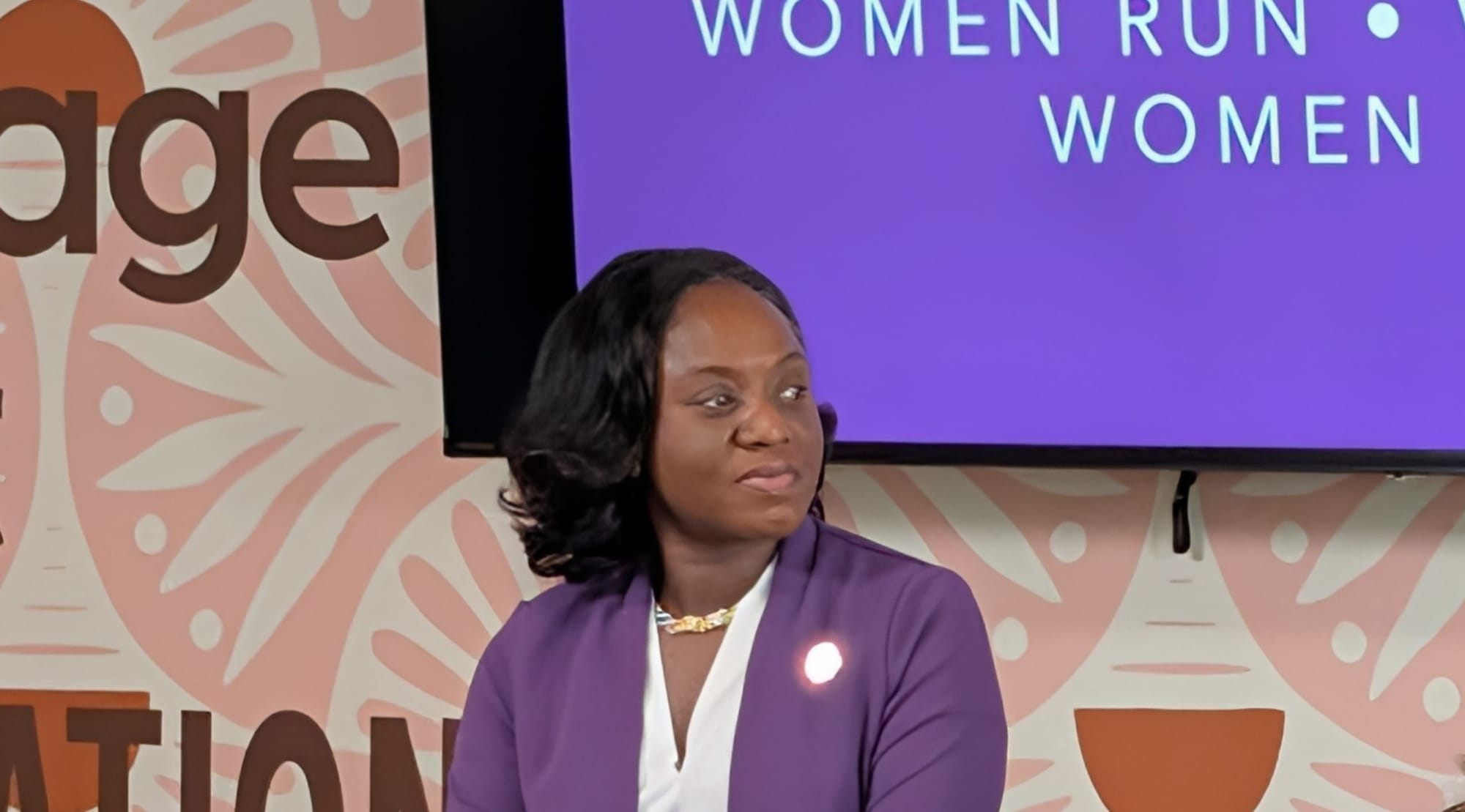
Washington said she's faced questions suggesting she can't hold certain beliefs because she's Black, and that women, especially minority women, are often treated as though they and their accomplishments aren't enough.
"Our male counterparts can say, 'Oh it's sunny outside' then that's a miraculous discovery, but if we say, 'Oh, it's hot' then it's, 'climate change is a joke,'" she said.
To combat these types of behaviors, Washington said one must engage in introspection and "be competent in who we are," while also leaning on organizations like Arizona List that provide a safe place for women to discuss their experiences.
Gallego said being underestimated can be a strength.
While reviewing large amounts of data, Gallego discovered that snow removal costs had been baked into a request for city credits, despite the fact that it doesn't snow in Phoenix.
"When you find these things, it helps negotiate better deals for residents," she said.
That kind of scrutiny, Romero said, comes with the job.
"Mayors, we are the front lines. We can't hide behind, 'Well Congress isn't voting on my bill.' We get (things) done," Romero said. "We have to have results for our community."
Romero spoke proudly about a small business program she helped create in Tucson, calling it one of her proudest moments. She said the one-stop shop for small business resources was the fulfillment of a longtime dream.
"The City of Tucson did not have a small business program before I became Mayor," Romero said. "And now we are sitting in it."
Washington is most proud of the City of Phoenix's Tenant Eviction Assistance Program.
"The data tells us that prior to the program, nine out of 10 landlords had counsel and the tenants did not have counsel," Washington said. "It meant that most of the time the tenant would be on the losing side."
The program provides legal assistance for people who qualify if the eviction process ends up in court. After its implementation, 60% of participants ended up bypassing eviction and working out a way to avoid "that scarlet 'E' on their record."
Gallego also spoke about her victory over the Diamondbacks' use of the tourism tax. The team had lobbied for $500 million in stadium upgrades, but Gallego found the real cost was $1 billion. She and Washington were able to change the tax's designation from a "sports and tourism fund" to a "sports, tourism and bioscience fund," directing $50 million toward a new medical school at Arizona State University.
Washington said she's motivated by making tangible differences in her community.
"For every one loud voice, there are 10 who are going to benefit from what I've done, especially with everything that is going on in the federal government," Washington said. "Being able to show (residents) that government really can work with them and show that we are being reasonable and fiscally responsible with their money and still provide programs that they need."
Romero said she and the city's nonprofit partners are concerned about how federal cuts will affect people who rely on food stamps and the state's Medicaid system.
Despite those concerns, Romero points to tangible progress. The city has helped 1,800 community members secure housing through its Housing First Initiative, work that Romero said keeps her going.
"Every morning, I wake up, I look forward to going to work and actually making a difference," Romero said.
Katherine Martinez is a a Kickapoo-Potawatomi Native majoring in journalism at the University of Arizona and Tucson Spotlight intern. Contact her at martinezk29@arizona.edu.
Tucson Spotlight is a community-based newsroom that provides paid opportunities for students and rising journalists in Southern Arizona. Please consider supporting our work with a tax-deductible donation.