BASIS Tucson North graduates its first full K-12 cohort
The first class of students to attend BASIS Tucson North from kindergarten through senior year graduated this spring, marking a 13-year milestone for the high-intensity charter school.
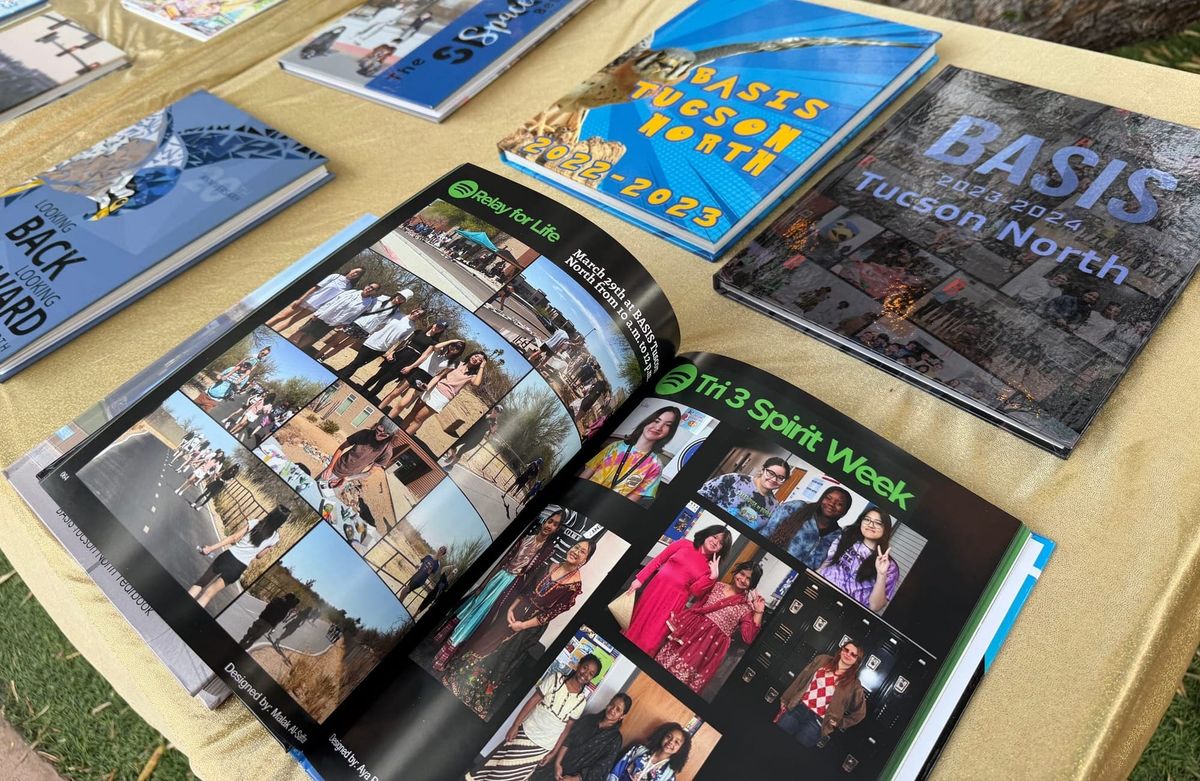
When BASIS Tucson North opened its primary school in 2013, it made a bet that students who entered as kindergarteners would still be there 13 years later. This spring, the first cohort to take that full journey graduated.
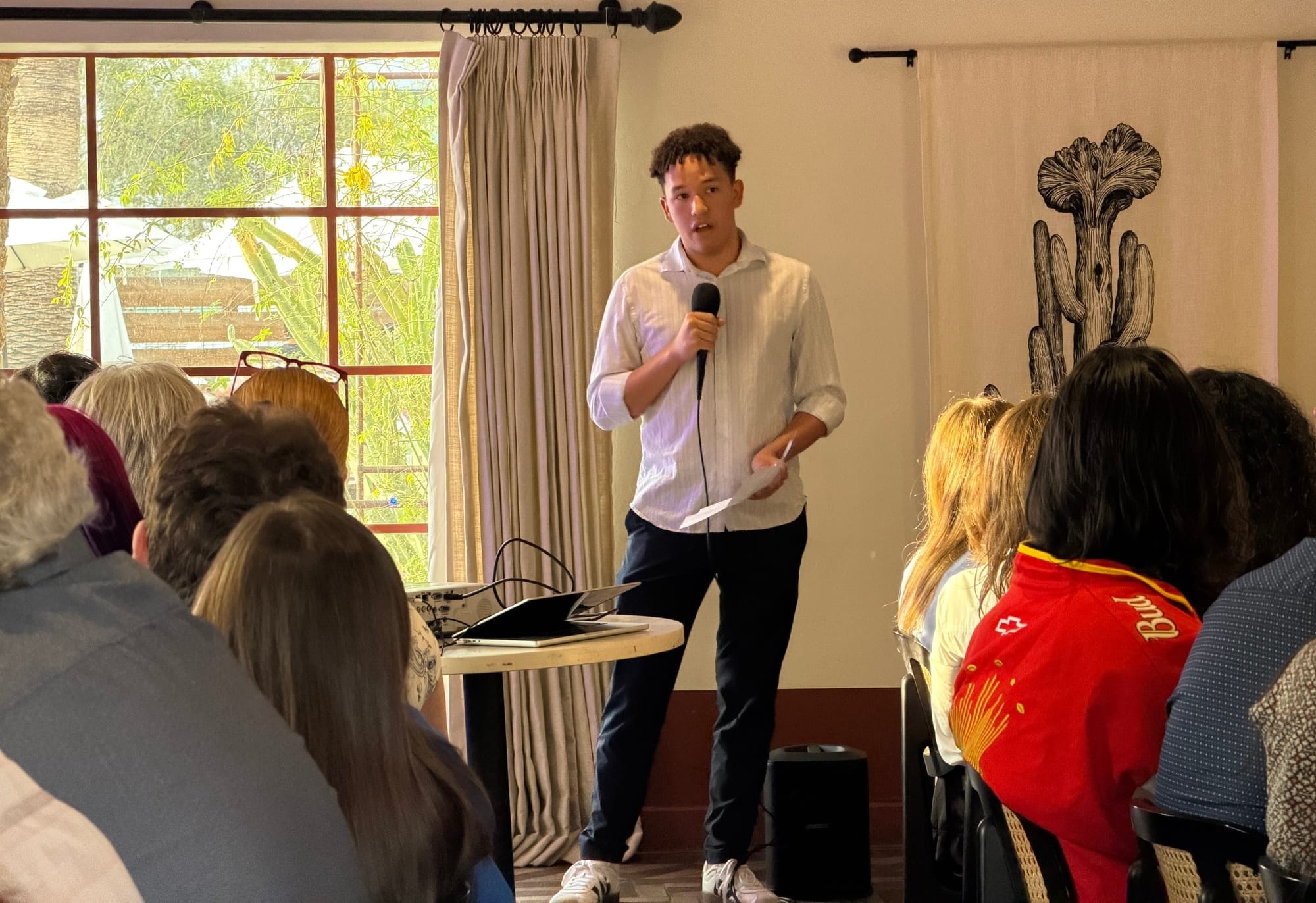
Students, staff and parents gathered April 23 at Locale Neighborhood Italian Restaurant to celebrate the cohort, whose 13-year journey offers a rare look at the long-term effects of a high-intensity accelerated curriculum on student development.
For Monika Mendoza, head of school at BASIS Tucson North, the cohort represents something bigger than a graduation milestone: a cultural anchor and a bridge between the school's past and its future.
"It's a pretty special thing to have this group of kids stay together for all these years," Mendoza said.
The cohort provided a sense of stability at what can be a nerve-wracking school to join, often serving as an informal welcoming committee for incoming students and helping newcomers integrate into the school environment.
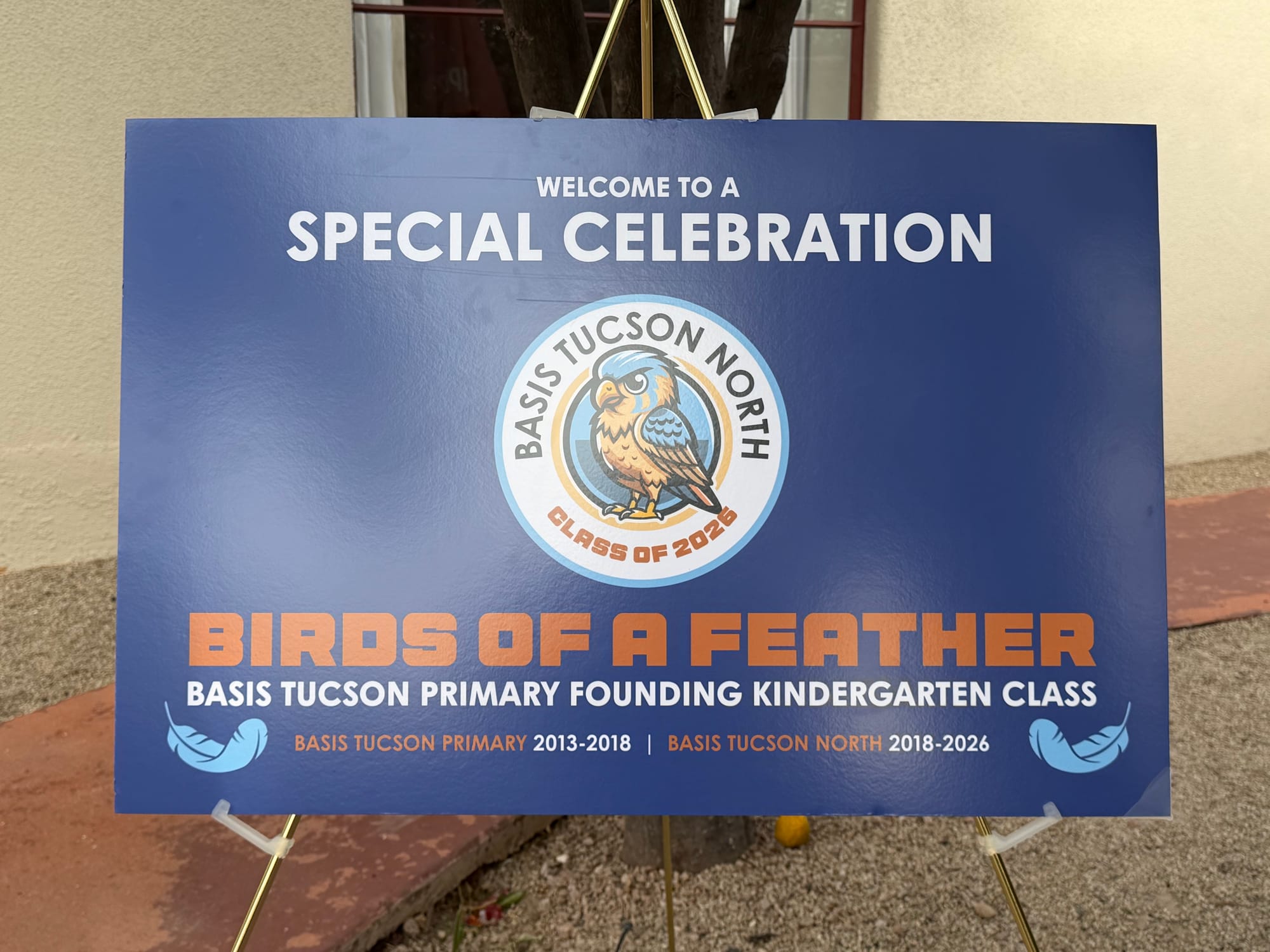
The BASIS curriculum introduces concepts early and revisits them with increasing complexity, a spiraling model that, for graduating senior Allison Devaughn, made the transition from primary school to high-level research feel like a natural progression.
"Just having that love of reading and this gracious appetite for new material. It just really translated well to reading a bunch of papers and textbooks," Devaughn said.
Devaughn's desire to learn developed in her primary years and served as the foundation for handling heavy AP coursework and Capstone projects. Drawing on her research experience and extracurricular work, she secured a position in a molecular and cellular biology lab through the KEYS Internship Program.
"I was able to funnel some of that desire to read into a desire to learn more, because at the end of the day, reading teaches you something," Devaughn said.
For Natasha Rubio, whose son Tristan is part of the graduating class, the value of the 13-year journey is measured in maturity. Rubio enrolled him in the primary school's inaugural year after seeing older family members succeed in the BASIS system.
"There is a maturity there that I don't see in a lot of high school kids," Rubio said.
That maturity has extended into community leadership for some students. Tristan spent his final years competing in a national robotics competition and mentoring fourth graders in robotics at the Tucson Chinese Cultural Center.
With a small, consistent group of peers, students became friends by circumstance as much as by choice, a dynamic that Devaughn said pushed her classmates toward a higher level of emotional intelligence.
"It's helped us really work out differences and not just be like, 'We disagree on this one fact, so I'm going to hate you forever,'" Devaughn said. "We can still be friends even if we don't agree on something. How to work through it and just stay friends no matter what."
That consistency has a downside, too. Devaughn calls it a "stagnation of opinions" and sees graduation as a necessary step out of a familiar environment and into the diverse perspectives of a large university.
To mark the occasion, BASIS Tucson North planned a "full circle" ceremony in which the graduating seniors walked through the primary school in their caps and gowns for the younger students.
"We want the kindergarteners to see that this can be you in a few years," Mendoza said. "For the parents, seeing the kindergarten teachers at these senior events underscores the completion of a 13-year academic career."
The first full cohort leaves behind a blueprint for how academic rigor and long-term community can shape a student from kindergarten through graduation.
Isabel Vidrio is a journalism major at the University of Arizona and Tucson Spotlight intern. Contact her at vidrioi@arizona.edu.
Tucson Spotlight is a community-based newsroom that provides paid opportunities for students and rising journalists in Southern Arizona. Please consider supporting our work with a tax-deductible donation.