Arizona lawmakers keep Rio Nuevo funding, add oversight
Arizona lawmakers dropped a plan to redirect $19 million from Tucson's Rio Nuevo district, instead adding accountability language requiring 80% of district spending to go toward sales-tax-generating projects.
Arizona lawmakers have backed off a push to strip roughly $19 million from Tucson's Rio Nuevo district, instead settling on new accountability language that requires the district to direct at least 80% of its spending toward sales-tax-generating projects.
Rio Nuevo is a tax increment finance district funded by a share of state sales tax dollars and held accountable to the Arizona Legislature.
Republican legislators dropped their attempt to reallocate tax funding from the district, with the agreed-upon amendment instead adding new language to A.R.S. § 48-4202, the statute governing tax increment finance districts.
The provision, drawn from budgeted income remaining after operating expenses and debt service, sets that threshold using the district's grants and financial support disbursed each fiscal year.
Rio Nuevo Chairman Fletcher McCusker said during the board's June 9 study session that the district already complies with the directive, adding that every dollar Rio Nuevo spends generates several more in sales tax revenue and private sector investment.
Since 2012, Rio Nuevo has committed $116 million, attracting $833 million in private sector investment, generating 66 new restaurants and retail establishments, eight new hotels and a renovated Tucson Convention Center, according to a news release.
One of the district's most recent projects is Trader Joe's new location on Broadway.
"Good luck getting in there," McCusker said of the crowds since the location opened at the end of May, drawing more than 1,000 people on opening day.
Tucson Spotlight trains the next generation of Southern Arizona journalists and publishes their work free for everyone. No paywalls, no corporate backing. Just readers who believe this community deserves better local news.
With Trader Joe's, the Solot Plaza and the La Buhardilla/Country Home Furniture Buildings project, expected to wrap in December, the Sunshine Mile has flourished under Rio Nuevo's investment.
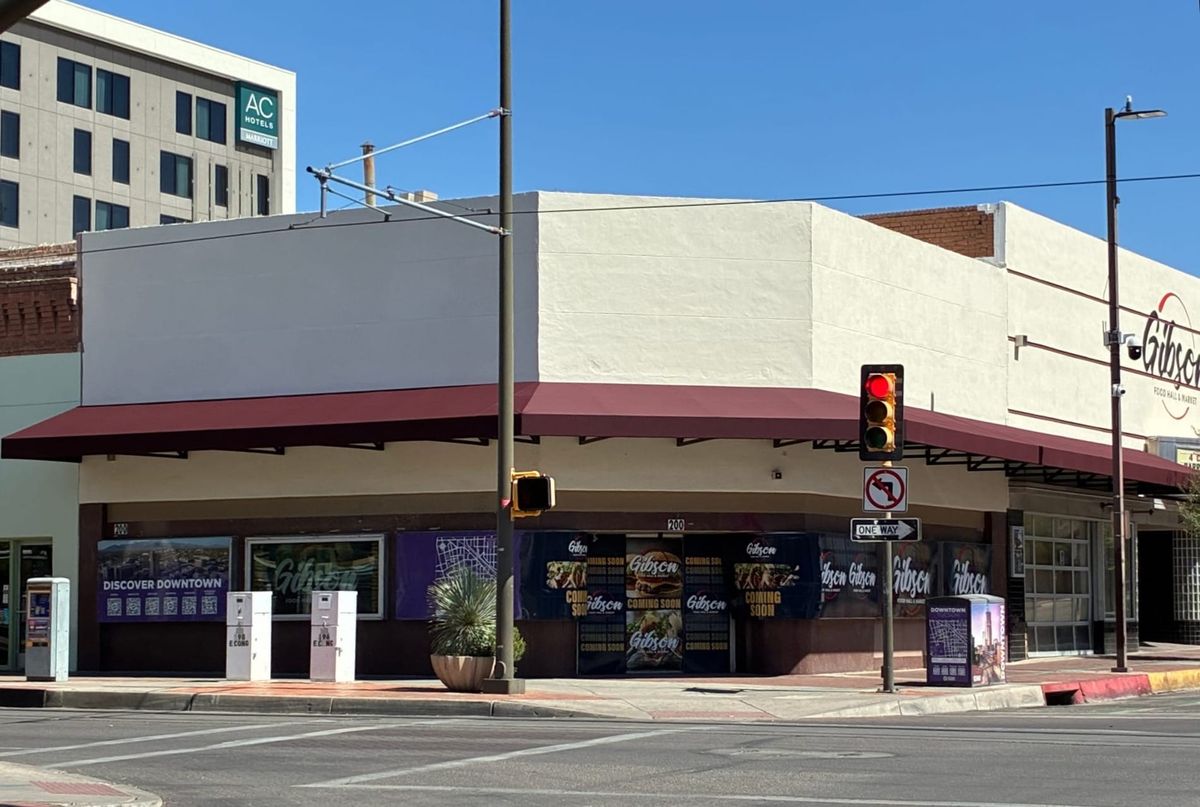
There have been setbacks, including the stalled Gibson Market project and delays in starting work on the Friedman block.
Still, the board noted that Tucson became the first UNESCO City of Gastronomy designated in the United States in December 2015, and Travel + Leisure magazine recently ranked Tucson the No. 2 food city in America, second only to New York City.
Beyond new businesses and destinations, Rio Nuevo has also invested in everyday pillars of Tucson's community.
"For a number of years, we have helped the county keep the courthouse garage open longer than they would normally be open," McCusker said.
According to McCusker, Pima County could not afford the security and utilities needed to keep the nearby parking garage open past 5 p.m., so Rio Nuevo has regularly invested $37,200 a year to cover the staff and resources required to extend its hours.
"About 250 cars a month park in that space," McCusker said. "It's really made a difference over there after hours."
With the accountability requirement now part of the new budget, Rio Nuevo will compile a report on all of its activities by the end of June to comply with the oversight measure.
A committee member was absent from the meeting, so budgets were not reviewed. The board meets again June 23.
Quentin Agnello is a University of Arizona alum and freelance journalist in Tucson. Contact him at qsagnello@gmail.com.
Tucson Spotlight is a community-based newsroom that provides paid opportunities for students and rising journalists in Southern Arizona. Please consider supporting our work with a tax-deductible donation.