Tucson Prop. 422 would extend Reid Park Zoo sales tax
Tucson voters will decide Nov. 3 whether to extend the 0.1% sales tax that funds Reid Park Zoo through 2047, and no organized opposition has emerged.
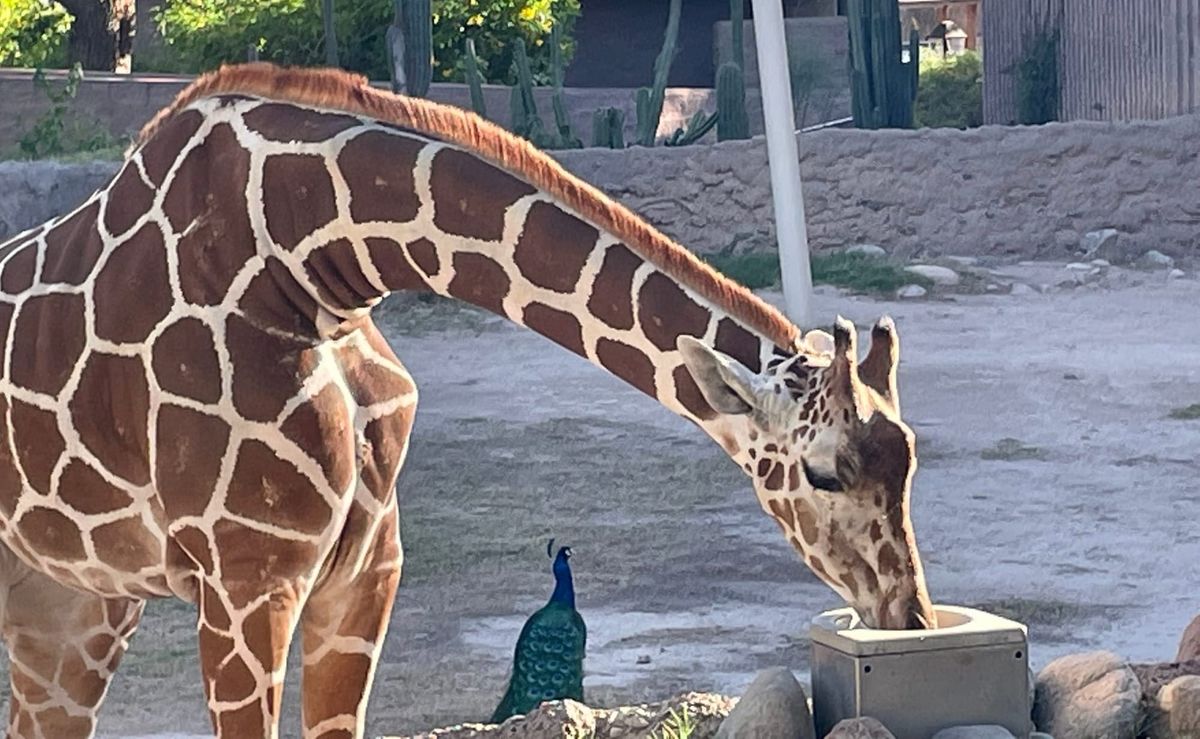
Tucson voters helped build a jaguar habitat and flamingo lagoon at Reid Park Zoo, and on Nov. 3 they will decide whether to keep funding what comes next, including a new elephant barn and a bigger lion exhibit.
Proposition 422 will determine whether to renew a 0.1% sales tax to fund expansion, capital improvements, repair and replacement, infrastructure, operations and maintenance at the zoo through 2047.
The sales tax was first approved by voters in 2017 and is set to expire at the end of next year. If approved, the city will establish a Reid Park Zoo improvement fund, and all money collected through the sales tax will be placed into the fund for future use to be determined by the mayor and city council.
The zoo is owned by the city as part of its Parks and Recreation department, but it’s operated by the nonprofit Reid Park Zoological Society through a contract with the city. From 2025 to 2026, Reid Park Zoo saw more than 610,000 visitors, a quarter of them tourists.
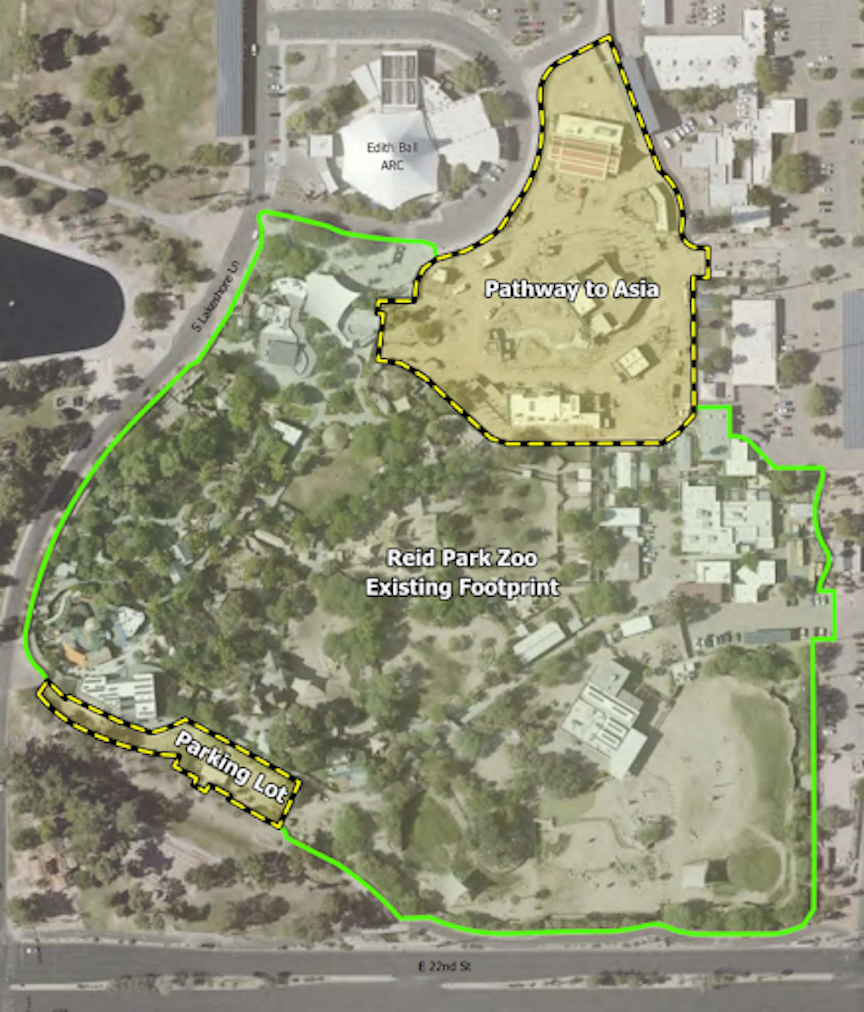
The tax approved in 2017 has paid for 85% of the costs related to large capital projects as part of the 2018 Reid Park Zoo Master Plan. This includes the jaguar habitat in 2019, the flamingo lagoon in 2021 and the ongoing Pathway to Asia expansion, set to open on Nov. 13.
Additionally, the zoo has several projects planned over the next 10 years that the sales tax, if approved, would help fund.
Help us build local news that brings people together, not apart.
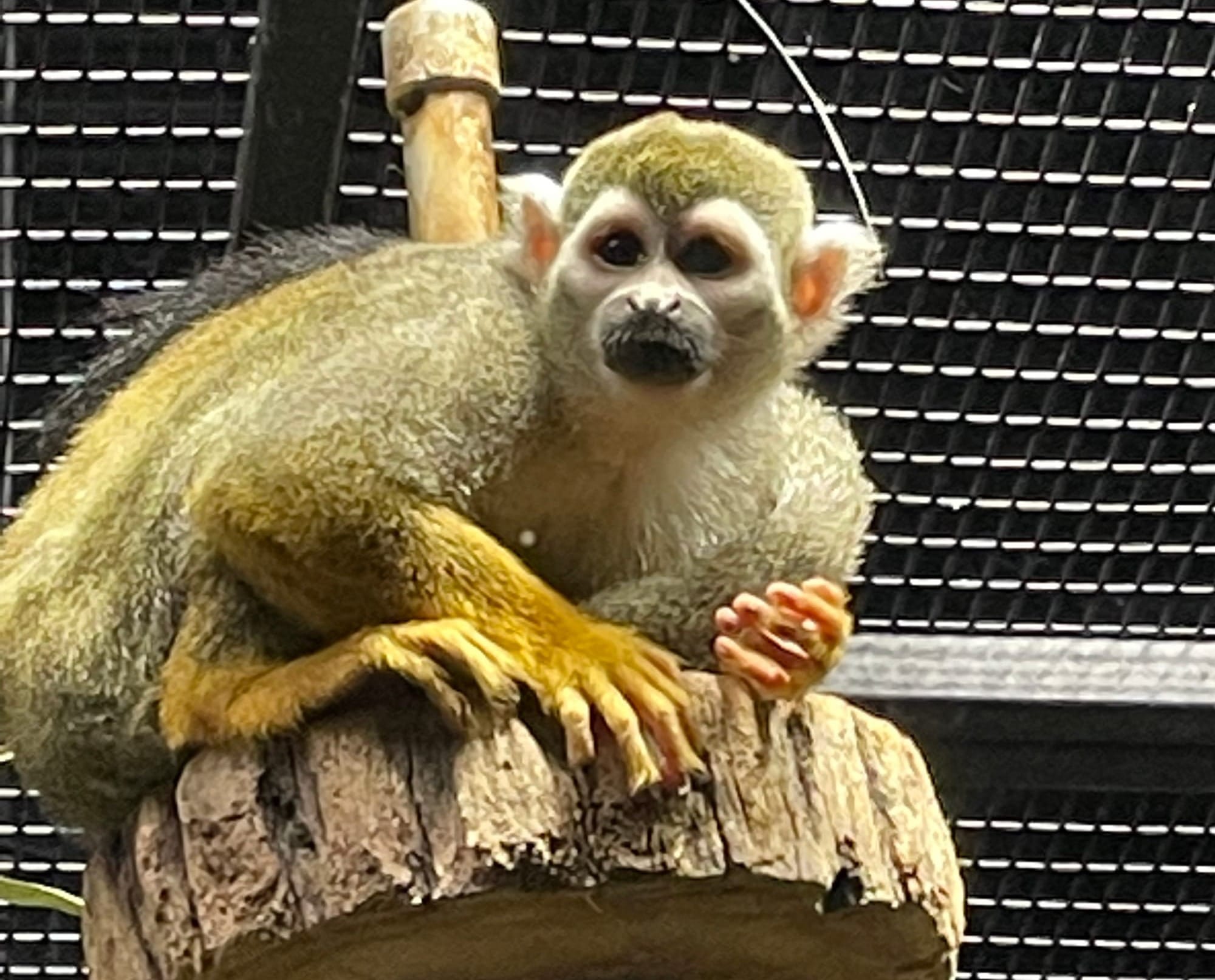
Those projects were presented to the Tucson City Council at its Oct. 6 meeting. They begin with a new pygmy hippo exhibit in 2028, followed in 2030 by a new savannah area that would sit alongside the zoo’s existing one for giraffes, rhinos and birds and add small animal exhibits.
A new elephant barn is planned for 2031 to make room for the zoo’s growing herd, and the wild dog habitat would be expanded in 2032.
Additional small animal exhibits would arrive in 2034. The lion exhibit would grow to six times its current size in 2035, and a combined habitat for warthogs, porcupines and meerkats would be built in 2036.
City officials also have linked the expansion of the zoo to a number of other strategies, including the Safe City Initiative, the Prosperity Initiative and Plan Tucson 2025, all with the goal of improving local culture, increasing tourism and providing social cohesion.
Zoo and tourism leaders have voiced support for the measure.
Nancy Kluge, president and CEO of the Reid Park Zoological Society, said in a letter supporting Prop. 422 that the 2017 sales tax allowed the zoo to hire additional veterinary and animal care staff, make major improvements to habitats and increase the number of children visiting the zoo through free visits. She stressed that the renewal will not result in an increase in taxes.
“Proposition 422 simply extends the existing voter-approved sales tax so we can complete the zoo’s long-term vision,” Kluge wrote. “Proposition 422 ensures these dedicated funds remain at Reid Park Zoo and continue to be used only for capital improvements, operations and maintenance.”
J. Felipe Garcia, president and CEO of Visit Tucson, submitted a letter pointing to the critical role the zoo plays in Tucson tourism and the local economy, calling the sales tax a “proven investment” that has already delivered for Tucson.
“When families plan Arizona vacations, they compare destinations. A world-class zoo keeps Tucson on their itinerary, driving hotel stays, restaurant visits, and retail spending throughout our community,” Garcia wrote. “Every out-of-town visitor who comes to the zoo spends money at local businesses, creating jobs and generating tax revenue that far exceeds the minimal investment.”
Garcia wrote that without the renewal of Prop. 422, the zoo would face “deteriorating infrastructure and an inability to expand exhibits that meet modern standards.”
“Competing cities like Phoenix continuously upgrade their attractions,” he wrote. “We cannot afford to fall behind.”
There were no submitted arguments opposing Prop. 422 and no organized opposition campaign.
Ian Stash is University of Arizona alum and freelance journalist in Tucson. Contact him at ianjgs16@gmail.com.
Tucson Spotlight is a community-based newsroom that provides paid opportunities for students and rising journalists in Southern Arizona. Please consider supporting our work with a tax-deductible donation.