Tucson panel urges residents to plant native, plant more
A free Nov. 7 panel at Arizona Public Media’s new Tucson home shows how native plants and wildlife-friendly yards can thrive in the desert.
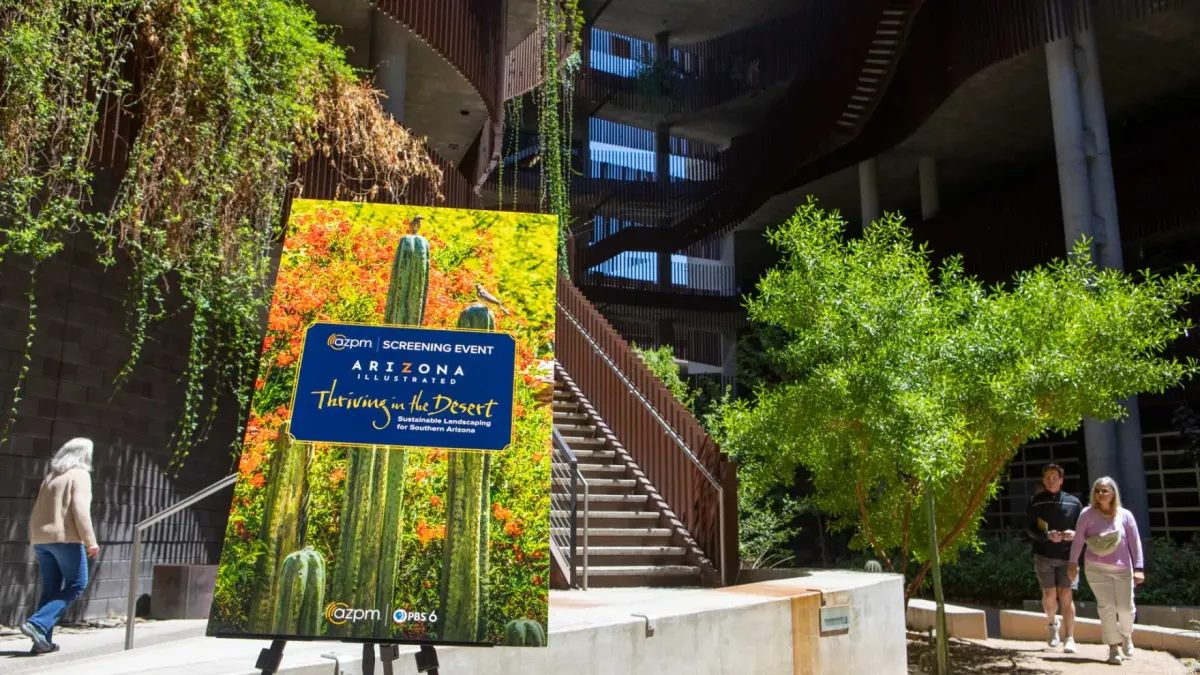
Arizona can grow far more than cacti, experts say, and a free panel Nov. 7 will show Southern Arizonans how to put that into their yards.
Arizona Public Media’s Arizona Illustrated is hosting Thriving in the Desert at 11 a.m. Nov. 7 at the Paul and Alice Baker Center for Public Media. The event will connect attendees with a panel of landscape architects and local specialists who will discuss how community members can help create a sustainable future for the plants, wildlife and people who inhabit Southern Arizona.
The event is free to attend, but advance registration is requested.
The panel will be moderated by Arizona Illustrated producer Tony Paniagua and include the Arizona Wildlife Federation’s Trica Oshant Hawkins, Strategic Habitat Enhancements founder Carianne Funicelli and Nolan Bade, a landscape architect and instructor at the University of Arizona’s College of Architecture, Planning and Landscape Architecture.
“All of them are centered around ways people in Southern AZ can adapt their surroundings to better support the natural surroundings we live in, whether that is native plants and practices, water harvesting, community planning and landscaping or gardening,” said community events coordinator Timna Elisa Guerchon.
The event’s theme is growing and creating, with the panel structured around Douglas Tallamy’s book “Nature’s Best Hope,” which draws attention to the rapid decline of wildlife populations.
In the book, Tallamy suggests that by planting more native plants, homeowners can transform their backyards into thriving habitats for wilderness species.
We're a nationally recognized newsroom, but we're still a nonprofit that runs on community support. Help us keep telling Tucson's stories.
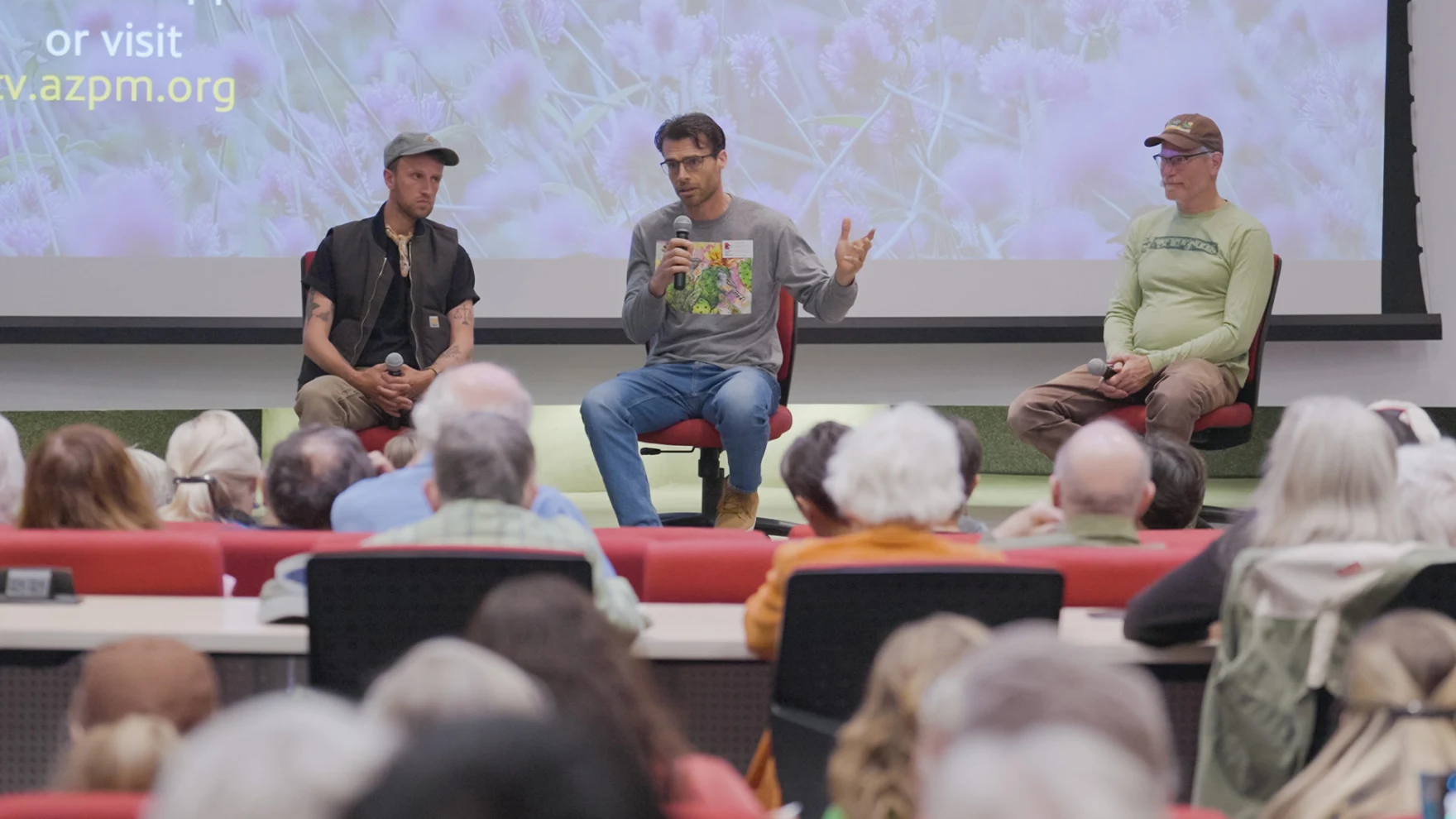
The event will also include research from scientists and writers who have done similar work, Guerchon said.
Bade, who has been a landscape architect for 10 years, combines ecology and civil engineering through his firm, BLOOM, to create outdoor habitat for animals, plants and people.
He encourages people to look beyond traditional landscape architecture aesthetics. He finds that because of circulating misinformation about the “right way to plant,” people often underplant in their own gardens.
“Plant as much as you can. If some of it dies, that’s OK,” he said.
He said that people often think Arizona is only able to foster cacti, but the state’s ecosystem is capable of cultivating an array of vegetation.
“We are stuck in this idea that Arizona doesn’t have plants everywhere, which is untrue,” Bade said, adding that Tucson is stuck in a xeriscaping culture because of the desert’s limited water access. “Choosing ecological designs with naturalistic water features would allow for tree growth and allow other plants to thrive.”
Bade said this would lower a person’s water bill over time because tree canopies shade and cool gardens.
There are also ways to retrofit current systems on an individual and local level to let the natural world thrive.
“Humans have an innate need for nature, but we have nature deficit disorder,” Bade said.
Bade will share more steps households can take to achieve sustainable solutions for plants and wildlife in their community.
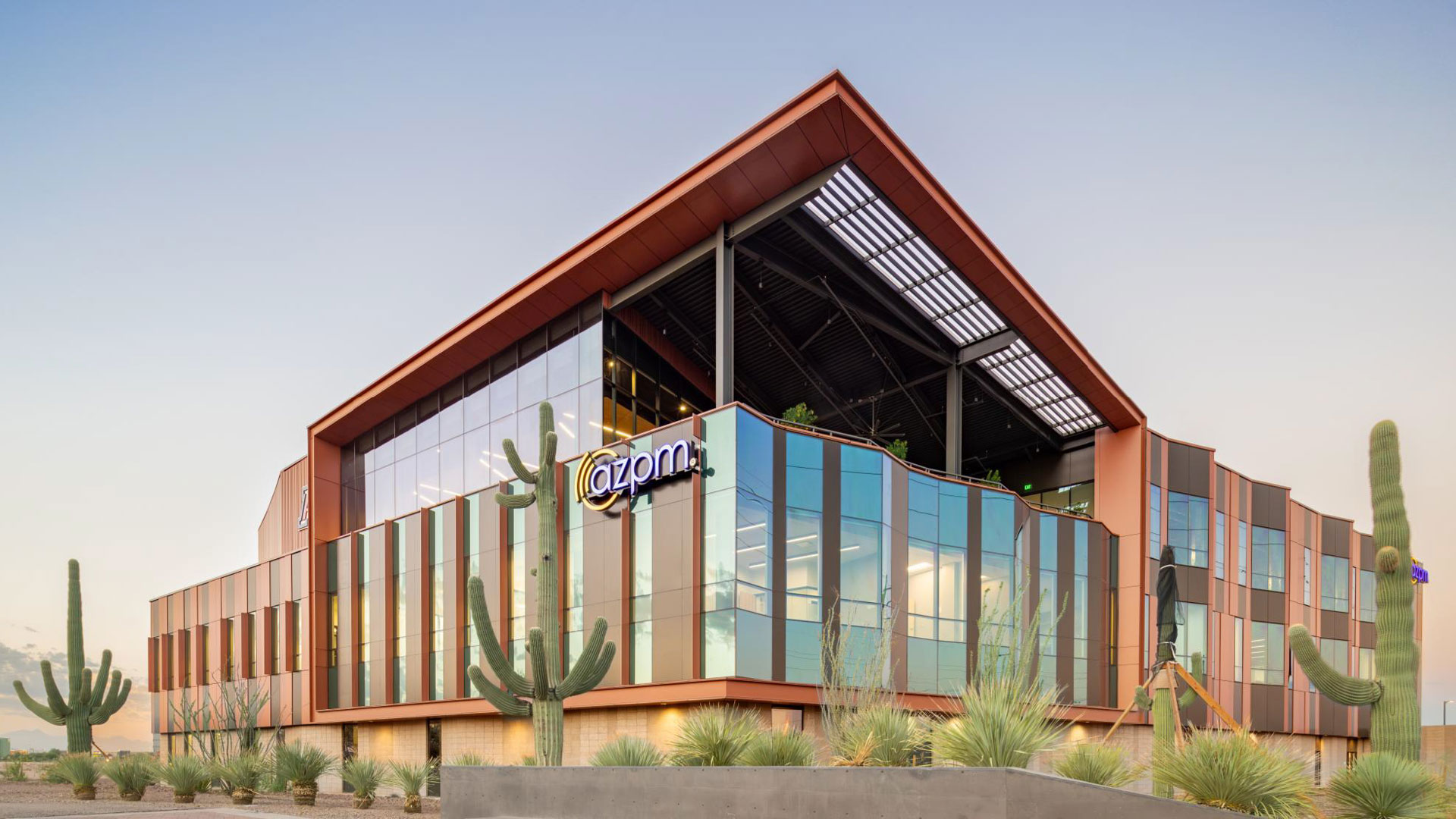
“We host these about every six months,” Guerchon said of the event, although this will be the first installment of Thriving in the Desert held in AZPM’s new facility, which opened in May.
After the panel, attendees will have the opportunity to take a short tour of the new grounds to see how AZPM is integrating the type of landscaping discussed in the panel.
The tour will be hosted by project landscape architect Dustin Simmons of SmithGroup.
Guerchon said the event will also include a screening of an Arizona Illustrated segment focusing on Project Wildlife Bisbee.
Ava Schrag is a University of Arizona journalism student and Tucson Spotlight intern. Contact her at avaschrag@arizona.edu.
Tucson Spotlight is a community-based newsroom that provides paid opportunities for students and rising journalists in Southern Arizona. Please consider supporting our work with a tax-deductible donation.