Mansfeld students serve Navajo tacos at Tucson Meet Yourself
Two Mansfeld eighth-graders taught Tucson Meet Yourself crowds to make Navajo tacos with Chinese chorizo, a dish that blends their families’ histories.
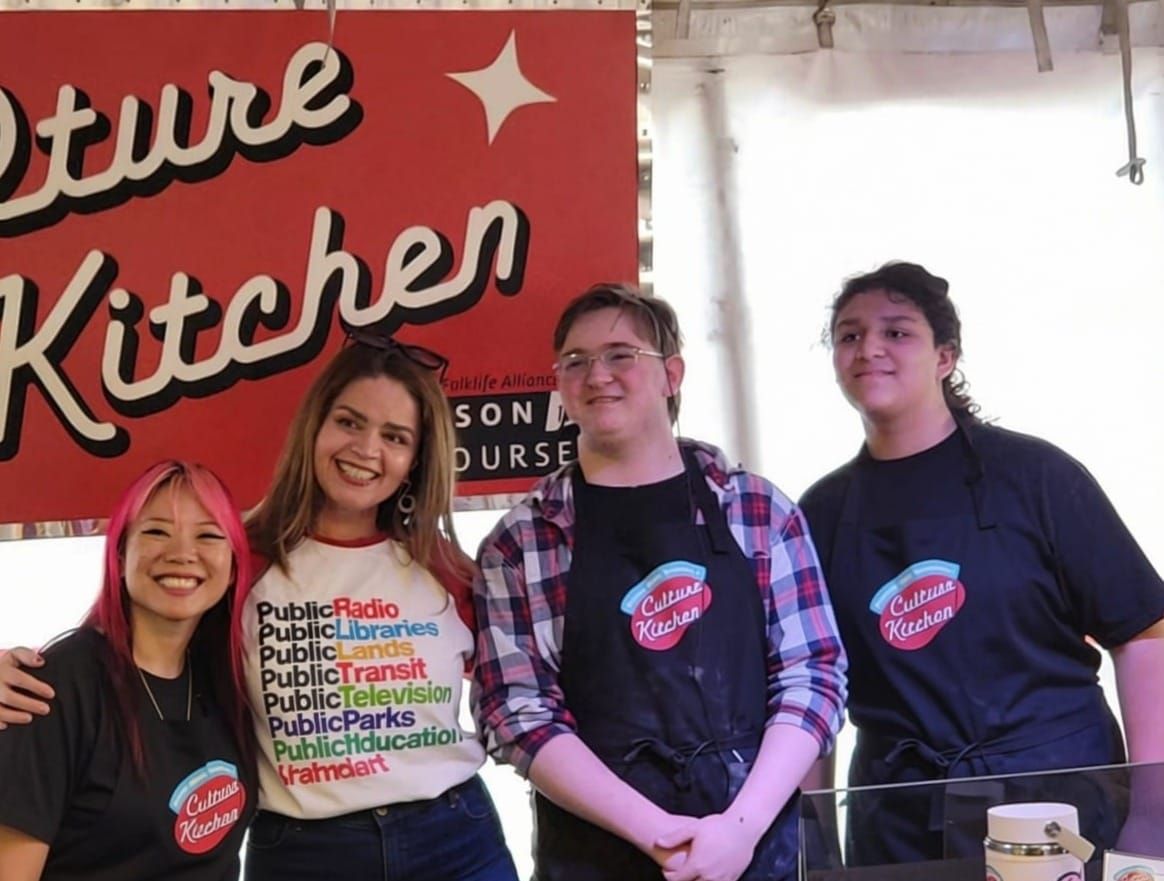
Two Mansfeld Middle Magnet School eighth-graders taught a Tucson Meet Yourself crowd how to make Navajo tacos with Chinese chorizo, a dish they created to connect their families’ histories to Tucson.
The dish was developed through the Food Literacy Program, a collaboration between the Tucson Unified School District and the University of Arizona’s School Garden Workshop. This year’s Tucson Meet Yourself festival included more than 50 vendors offering attendees a way to explore Tucson through its culinary sights, sounds and tastes.
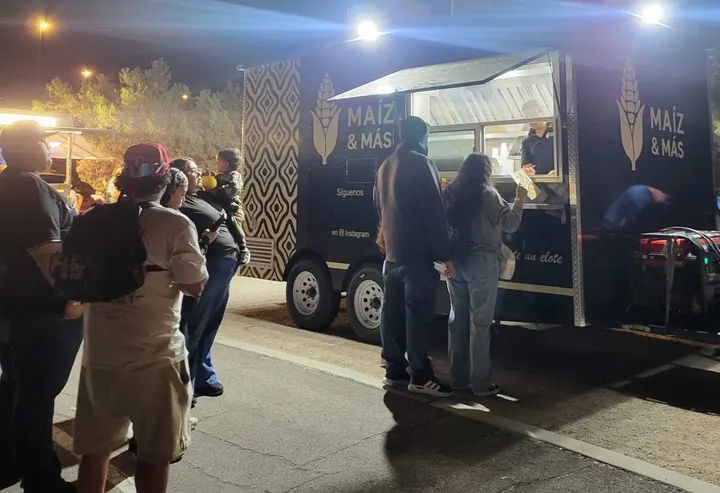
Also called “Tucson Eat Yourself” because of its high volume of food trucks, the event lets community members travel around the world in the span of a few blocks and sample a Venezuelan arepa followed by a Turkish gyro.
The three-day festival featured 10 micro-villages or centers to explore. Culture Kitchen Lane included live demonstrations where attendees could watch chefs prepare specialty dishes, giving Mansfeld students the chance to show off their skills.
The program connects K-12 students, dietetic interns, University of Arizona interns and their communities with resources on place-based nutrition and culinary education.
Food Literacy Program Coordinator Emily Sullivan has worked out of the Sprout House, located next to Mansfeld Middle Magnet School, for the past year and a half. She’s spent the past 10 years teaching young people about nutrition and food systems in various settings.
“The literacy program is all about helping our kids get a healthy relationship with food through the garden and working together to make those cultural, social, and personal connections,” Sullivan said. “We know that food is more than just fuel for our bodies. It feeds our souls and brings us together.”
Tucson Spotlight trains the next generation of Southern Arizona journalists and publishes their work free for everyone. No paywalls, no corporate backing — just readers who believe this community deserves better local news.
Eighth-graders Jose Diaz and Jackson Nabb worked together for the past two months to create a recipe that would connect their family history to the place where they live. Sullivan and her colleague Nicole Mazon facilitated the project, prioritizing the students’ autonomy and allowing them to brainstorm and create a fusion of their cultural identities with Chinese chorizo.
The Food Literacy Program has had a longstanding relationship with Culture Kitchen curator Feng-Feng Yeh, founder of the Chinese Chorizo Project.
“Jose’s family roots include Diné (Navajo) heritage. He shared memories of his nana lovingly making frybread for Navajo tacos, a meal served for special occasions in his family,” Sullivan said. “Jackson’s passion for delicious, home-style food and interest in native Sonoran Desert foods inspired a locally infused twist on the fillings used in our tacos to include Feng-Feng’s Chinese chorizo as a symbol of solidarity between the friends.”
On Saturday, Oct. 17, Diaz and Nabb gave attendees an up-close look at how to make their Sonoran-style Navajo tacos in the Culture Kitchen pavilion.
The pavilion itself was designed to stir the same kind of memories that inspired their dish. The pavilion’s designer, Sarah Polzin, was inspired by food culture and the way memories connect to meals, shaping the area to resemble a retro 1940s diner.
“I was asked to create a space that would celebrate food, and I feel that there’s nothing more nostalgic than a diner,” Polzin said. “Even though most of us were not around when diners were created.”
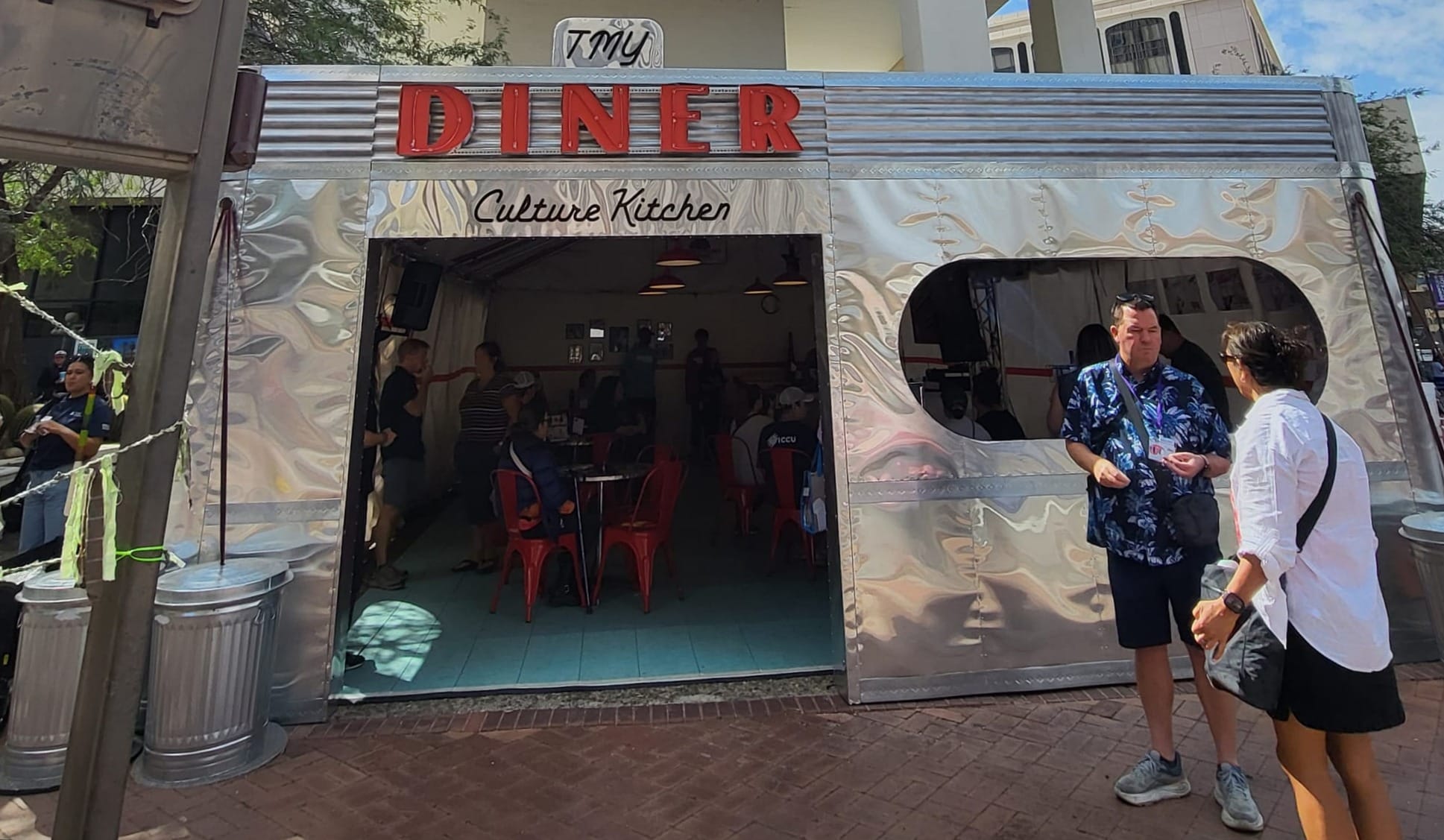
Notecards at every table in the diner offered prompts and reflections on nostalgia and how taste can bring back memories. Taking over the kitchen and making it their own, the students narrated their journey of creating the recipe and their connection to the dish.
“My Nana used to make Navajo tacos sometimes, along with my Lele on the reservation, and I like it because it reminds me of my Nana and Lele,” Diaz said. “I really love them, so I always miss eating it. Whenever I do, I always get some type of joy.”
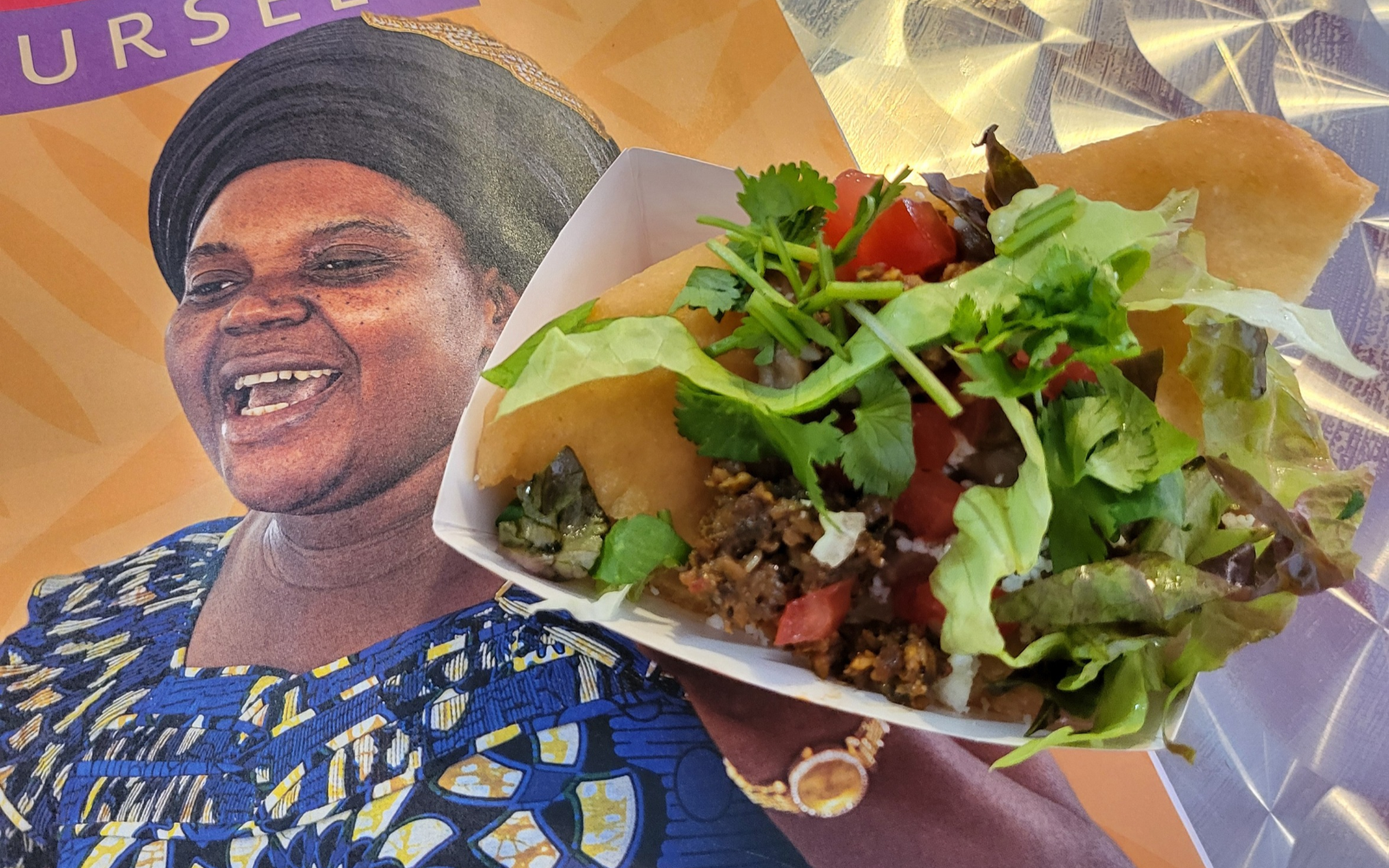
The ingredients included Indian fry bread, beans, Chinese chorizo, lettuce, cilantro, chiltepin salsa, tomato, queso fresco and more. The boys demonstrated their techniques for preparing the dough, adding a pinch of salt and talking about the importance of carefully frying the bread.
“You want to grab both edges of the fry bread, and you want to dip it in carefully away from you so that you don’t burn yourself,” Nabb said. “And a good color for fried bread is this nice-looking golden color, that is a perfect piece.”
At the end, samples were distributed to the tables for attendees to try.
“It is so good. The fried bread is so authentic and delicious. It’s like a taste of home, and I’m so proud and happy for the students that they are learning this, and it’s really amazing,” said Tucson Mayor Regina Romero. “Mansfeld is where my kids went to middle school, so I’m so glad they have the kitchen now to be able to learn how to do this, to learn culture.”
The students applied their garden and culinary lessons from the Sprout House to create a savory dish meant to be shared, part of what the program hopes they take away from their time there.
“Students leave Sprouts House with a greater appreciation for the natural world and a better understanding of themselves, their peers and community, their sense of place, and how they move through the world around them and what that means for their own health and the health of the planet,” Sullivan said.
Kenia Licea is a University of Arizona journalism student and Tucson Spotlight intern. Contact her at klicea2004@arizona.edu.
Tucson Spotlight is a community-based newsroom that provides paid opportunities for students and rising journalists in Southern Arizona. Please consider supporting our work with a tax-deductible donation.