Tucson nonprofit uses live music to treat aphasia
Friends of Aphasia, a Tucson nonprofit, has launched a live music program at local venue La Rosa to help members recover speech and language skills through song.
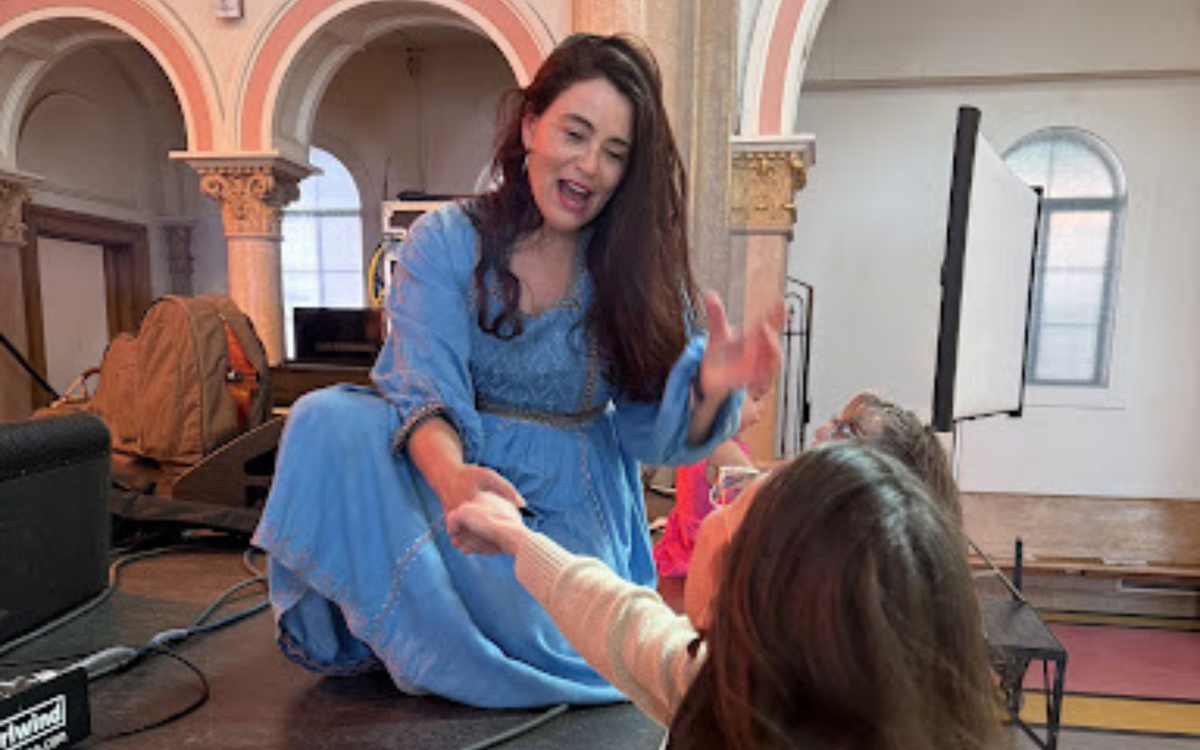
A Tucson nonprofit is bringing live music concerts to people with aphasia, betting that what's difficult to say in words might come more easily through song.
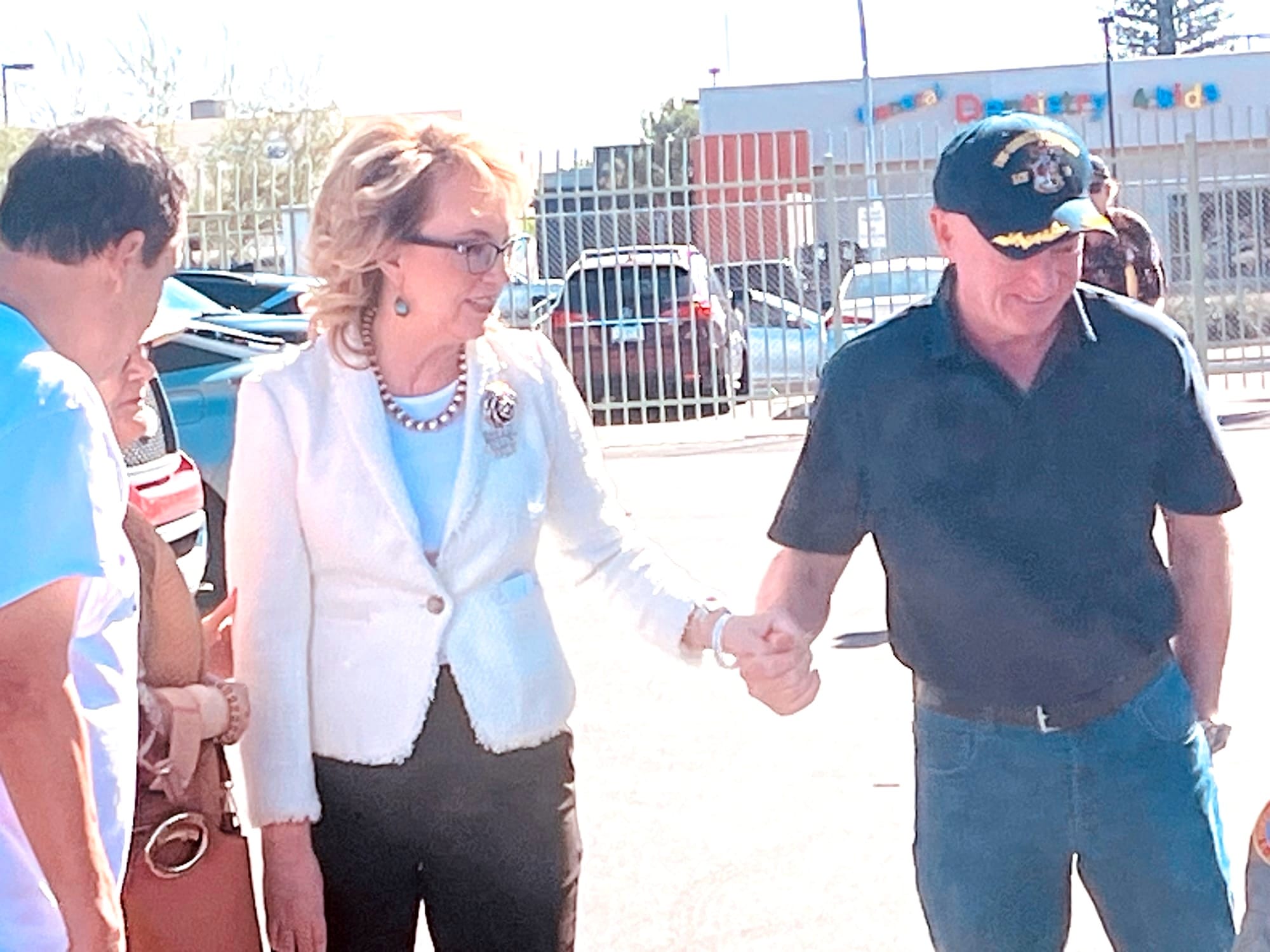
Friends of Aphasia, a Tucson-based nonprofit, was co-founded by former Arizona Congresswoman Gabrielle Giffords, who was shot in the head in 2011 at a "Congress on Your Corner" event in Tucson. As a result of her injuries, Giffords developed aphasia, a communication disorder caused by damage to the brain's language centers.
Primary causes include strokes, brain tumors, traumatic brain injuries, dementia and infections.
"Aphasia is a language disorder. So it can affect what you are trying to say, what you understand, reading and writing, and some of those skills can be affected or all of those skills can be affected all at the same time," said Friends of Aphasia Clinical Director Clare McNamara.
Music is often used to support people with aphasia because it crosses the brain's hemispheres, creating new neural pathways for language, according to the National Aphasia Association.
With this research in mind, the group has partnered with Tucson-based musicians and concert venue La Rosa to connect its members with live performances.
John Coinman and his partner Blair Forward were the first musicians to take the stage as part of the new program.
"For people with aphasia, not only does music help manifest words when they sing along, but music itself is a way to speak," Coinman said.
Although aphasia can occur at any age, it's most common in adults over 65, according to Johns Hopkins Medicine.
There are multiple types of aphasia. The most common is Broca's aphasia, or expressive aphasia, which is caused by damage to the Broca's region of the brain in the left cerebral hemisphere.
People with Broca's aphasia typically know what they want to say, but have difficulty finding the right words.
Other forms include Wernicke's, or receptive aphasia, and anomic aphasia. Global aphasia is the most severe form of the disorder, significantly impairing both speech and comprehension.
"People have this misconception that immediately this person sitting across from them somehow has these other disabilities, which is just not the case," McNamara said. "They're still the same intelligent person, they're now just having a little bit more difficulty telling you that."
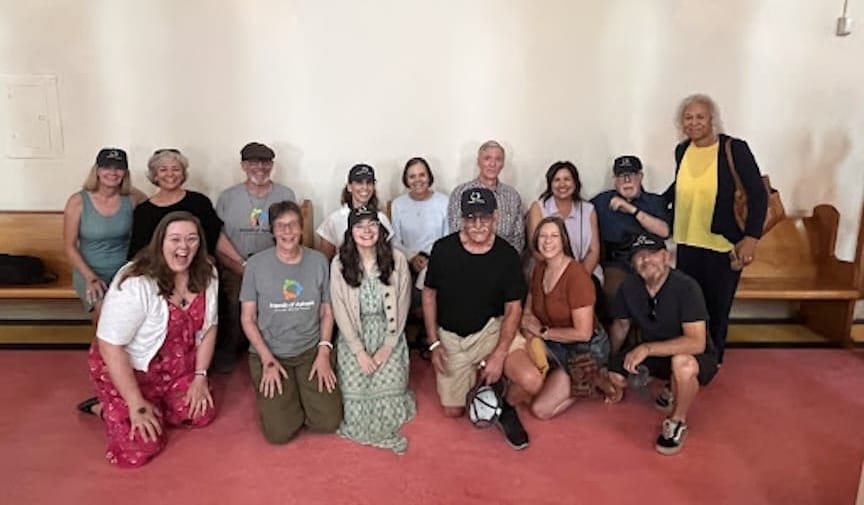
The program uses Melodic Intonation Therapy, a treatment that uses musical elements to improve expressive language by engaging the right hemisphere of the brain, on a larger scale.
An added benefit of the initiative's therapeutic element is that members are provided with an opportunity to let loose and have fun.
"Music is huge in aphasia research and how beneficial it can be to treat aphasia. Then, on the flip side of that, everybody enjoys themselves. It's so fun," McNamara said. "They're getting to experience these personal concerts where it's having this beneficial effect on their language skills, but also on the social piece and raising their spirits. You see everybody in this room all singing together and clapping. It's just really moving."
In addition to the music program, Friends of Aphasia offers group activities that focus on communication strategies, thinking skills, reading, writing, number concepts and advocacy. The organization also offers support groups for family and friends of people living with aphasia.
Friends of Aphasia has hosted five performances at La Rosa, with the number expected to increase.
"I just hope their lives are enriched in some way. It got them out doing stuff that they ordinarily wouldn't be doing and I think these concerts can have the potential to open up more interest in aphasia from the outside world and more community involvement," Coinman said. "When you have aphasia, you've got to feel incredibly marginalized. So, the more community that can be brought into their sphere, their world, the better off it's going to be for everyone."
Zoey Oberstein is a University of Arizona student majoring in journalism and a Tucson Spotlight intern. Contact her at zoeyoberstein@arizona.edu.
Tucson Spotlight is a community-based newsroom that provides paid opportunities for students and rising journalists in Southern Arizona. Please consider supporting our work with a tax-deductible donation.