Tucson mutual aid groups adapt to dangerous summer heat
As Tucson's summer heat intensifies, grassroots mutual aid groups like ALMA and Community Care Tucson are shifting distribution schedules and expanding hydration networks to fill gaps in the city's response.
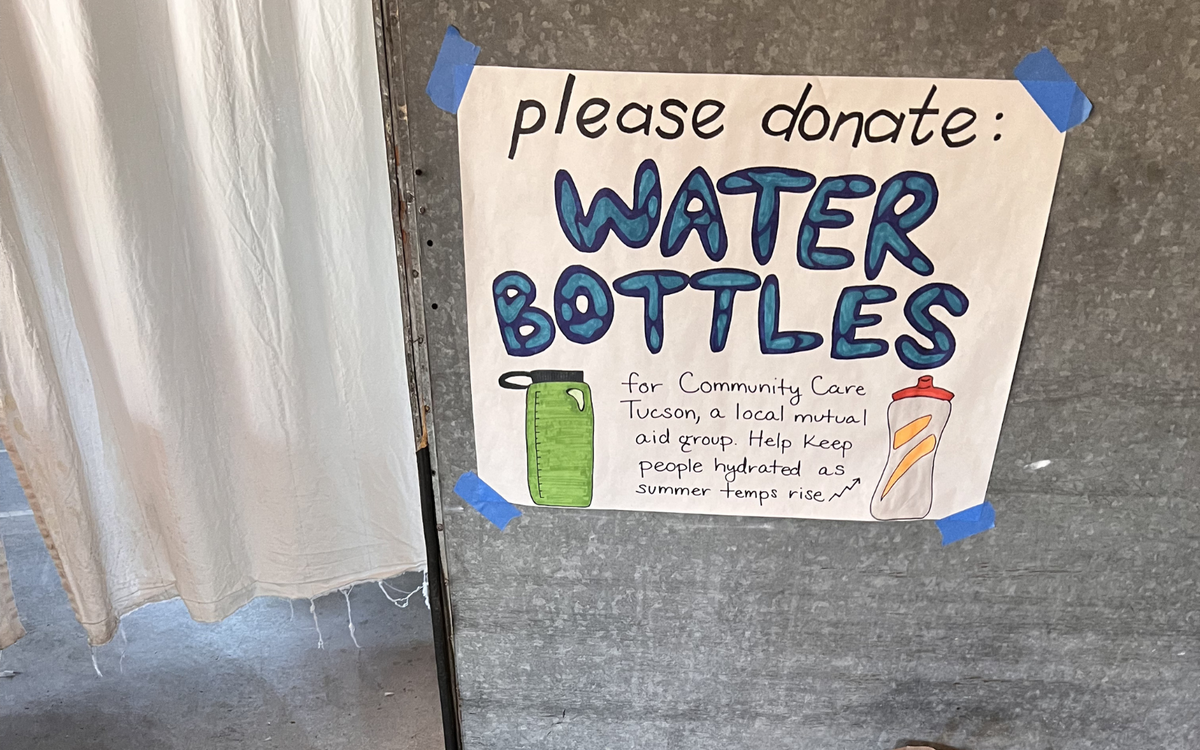
As Tucson's summer heat climbs to dangerous levels, grassroots mutual aid groups are reshaping how they operate, from shifting distribution times to avoid peak afternoon sun to expanding hydration networks, in an effort to fill gaps left by the city's institutional response.
Volunteer-run organization Amphi Liberation Mutual Aid has pushed its weekly outdoor distribution schedule back to 7 p.m. to protect volunteers and participants from heat exposure, while other groups work to expand the city's network of hydration stations.
Amphi Liberation Mutual Aid, also known as ALMA, operates primarily in the Amphi neighborhood and surrounding areas, providing free food, hygiene kits, first aid, clothing and other essential services to unhoused and low-income residents.
ALMA organizer Xavier Martinez said the neighborhood's physical environment compounds the dangers of the summer months.
"Tucson struggles a lot with providing shade and heat relief," Martinez said. "There aren't enough tree shades and structures throughout Tucson."
The lack of cooling infrastructure is exacerbated by urban design choices, including vast stretches of asphalt, and the prevalence of vacant lots and expansive parking leaves pedestrians with little physical refuge from the elements, Martinez said.
Additionally, unhoused people who seek shade on private or commercial property are frequently displaced by business owners or local law enforcement. This forced mobility inflicts a severe physical toll on individuals already managing chronic illnesses, according to Martinez.
"It's one thing to deal with the sweltering heat when you have a lot of wounds, but then when you're trying to find some sort of shade within the city and then to be moved, that leaves a lot of unhoused folks to not feel safe anywhere," Martinez said. "One thing our medical volunteers frequently treat are severe sunburns and aggravated conditions caused by the heat like diabetes and cardiovascular issues."
Your membership pays emerging journalists to cover Southern Arizona the way it deserves.
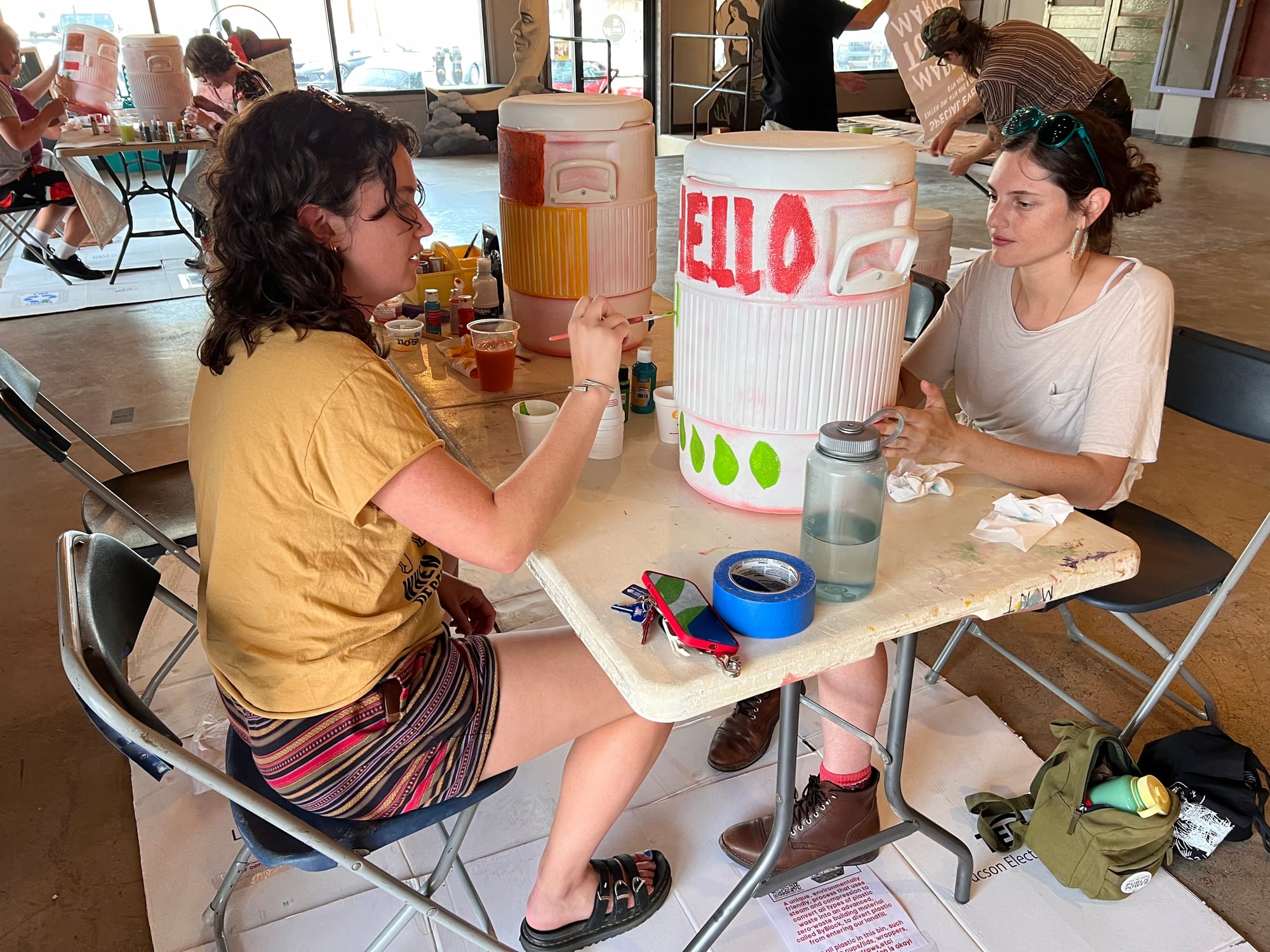
Traditional municipal responses to homelessness often center on enforcement, but local organizers argue that this approach actively undermines safety.
Tate Williams, an organizer with Community Care Tucson, said the city's "Safe City" initiative is a prime example.
"The Safe City initiative overwhelmingly is a program of mass arrests on unhoused people," Williams said. "When government officials use the word safety, I think they often do so as an excuse to cause public harm to people who are most vulnerable."
Not everyone in city leadership shares that assessment.
"Since the beginning of the Safe City initiative, I've been very clear that incarceration is not the goal, that treatment is, and connecting people to the treatments and resources that they need," Mayor Regina Romero said during an April city council meeting. "That's what I saw firsthand."
Mutual aid groups define safety as the meeting of basic human needs. Extreme heat directly impacts the nervous system, increasing anxiety and hostility.
Volunteers with Community Care say offering immediate relief, like a seat in the shade, cold water, a cooling towel and basic care can dissolve potential conflicts.
"Safety is created when people have what they need," Williams said. "When our community is taking care of each other, you create a safer environment."
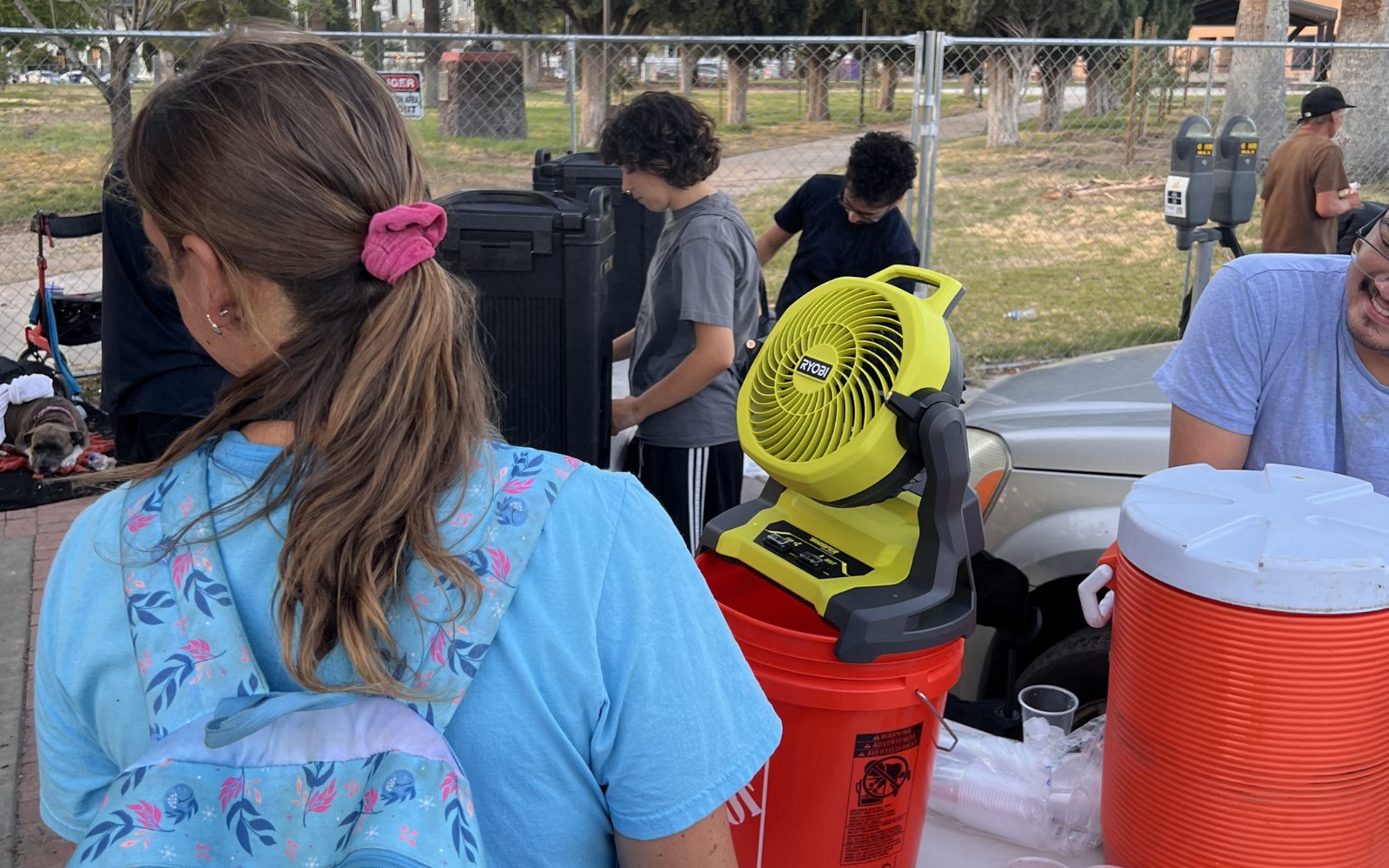
While many people who rely on ALMA and Community Care's services remain unsheltered, a growing number of housed community members are also showing up at distributions. To avoid high electric bills, some seek daytime relief in public libraries before visiting a mutual aid site for food and supplies.
"Because they have to make do with these utility bills, they may not have enough to cover groceries," Martinez said. "The fact that they can get a meal through us relieves a lot more anxiety on their end."
ALMA has scaled up its seasonal offerings to meet the heightened demand, now distributing five-gallon jugs of water, sports drinks, electrolyte packets, sunscreen and protective clothing.
Faced with volunteer burnout and high operational demands, Tucson's mutual aid networks rely heavily on cross-organizational solidarity and public donations.
The groups operate as a decentralized, nonhierarchical ecosystem, with volunteers from different collectives collaborating. ALMA frequently partners with local networks like the Desert Goth Club on fundraising and material drives, one of which recently secured more than 100 hats for distribution.
However, organizers say institutional pushback remains an issue. Municipal efforts to restrict grassroots care, or to implement hostile architecture such as placing fields of large boulders under highway overpasses to prevent people from resting in the shade, force mutual aid networks to constantly adapt.
"Summers are getting hotter and this isn't going to get any easier," Williams said. "We need to have these human networks of care in place so that when bad things happen down the line, we're ready."
Follow Amphi Liberation Mutual Aid and Community Care Tucson on Instagram at @alma520az or @communitycaretucson.
Isabel Vidrio is a University of Arizona alum and freelance journalist in Tucson. Contact her at vidrioi@arizona.edu.
Tucson Spotlight is a community-based newsroom that provides paid opportunities for students and rising journalists in Southern Arizona. Please consider supporting our work with a tax-deductible donation.