UA program treats anxiety with art and theater
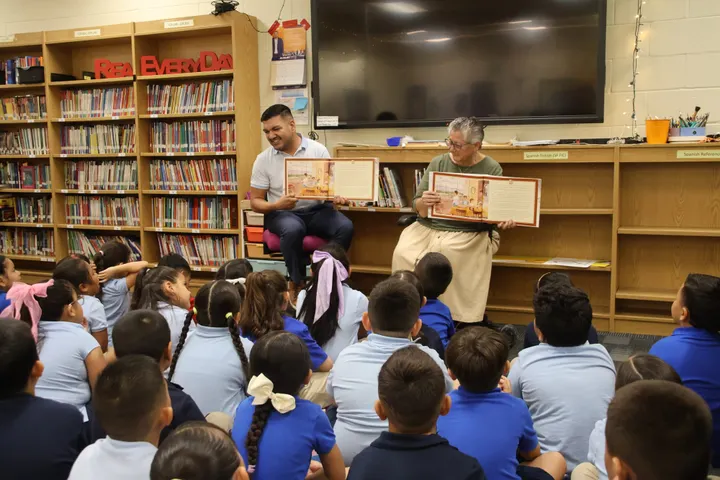
The University of Arizona wrapped up its first year of Arizona Arts Rx, a program that connects students experiencing anxiety, depression and loneliness to arts and culture activities across Tucson as a complement to traditional mental health care.
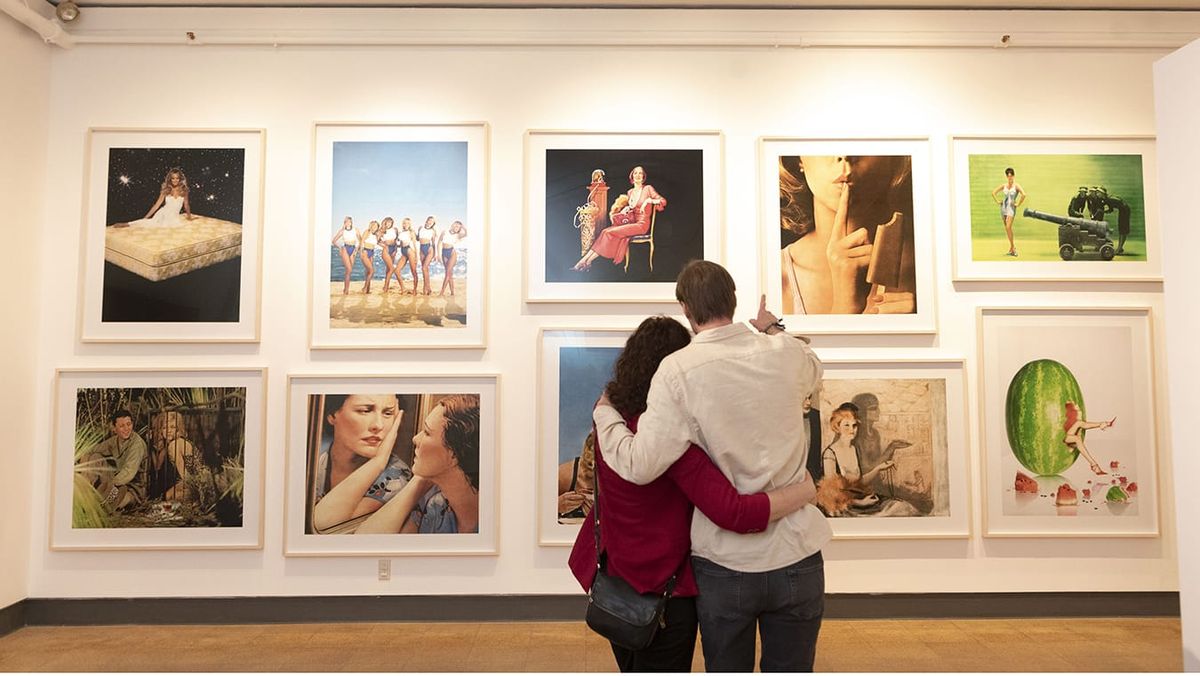
When a University of Arizona student sees a campus health provider for anxiety or depression, they might leave with a prescription. Not for medication, but for a night at the theater or an afternoon at a museum.
The UA just wrapped up the first academic year of its Arizona Arts Rx program, a partnership with Social Rx that connects students to arts and culture activities, on and off campus. Social Rx, formerly Art Pharmacy, is a national organization focused on mental health.
The program, which dates to 2022 nationally, launched at UA last year after Andrew Schulz, then the dean of the College of Fine Arts, approached the Andrew Weil Center for Integrative Medicine about bringing it to campus.
The initiative is led by Arizona Arts in partnership with the Weil Center, Student Affairs, Campus Health and Student Success and Retention Innovation. The UA is the first university in the Southwest to offer services through Social Rx.
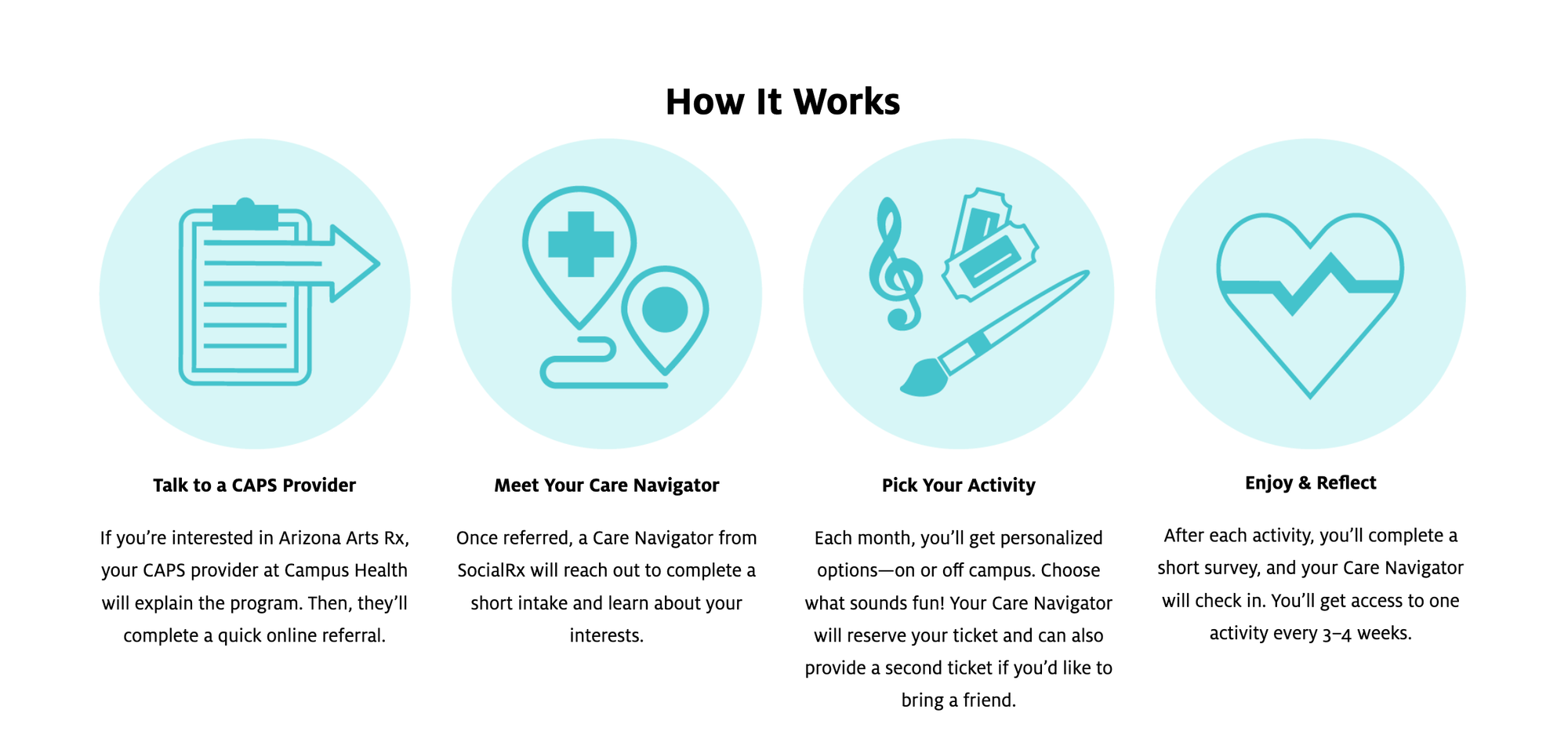
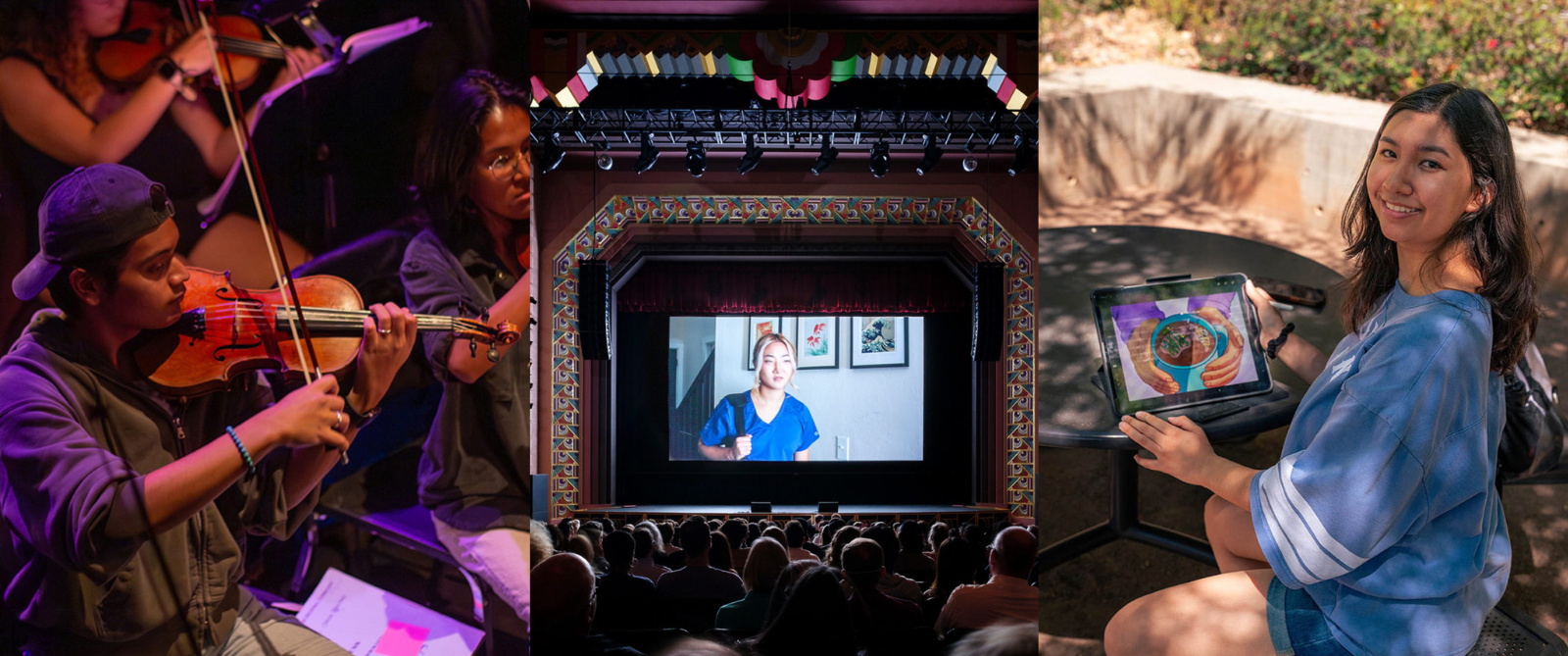
Students referred by their Counseling and Psych Services provider are connected with a Social Rx care navigator, who helps match them with activities based on their interests, from painting and theater to museum visits and zoo trips, and can reserve a ticket for them and a friend at no cost.
The program drew 131 referrals in its first year and was used primarily to address anxiety, depression and loneliness, Campus Health Executive Director David Salafsky told Tucson Spotlight.
"Something we've seen in more recent years is that we're more connected through our phones and technology, but sometimes students are feeling like it's more difficult to find that group of friends," Salafsky said. "Sometimes that can be a challenge and we want to offer opportunities for students to make it happen."
Share Tucson Spotlight with a friend. Every signup earns you a raffle entry to win a gift card to a local Tucson favorite. Four winners drawn August 1.
The arts offer more than entertainment, Salafsky said. They provide perspective and a shared social experience that can reframe how students relate to their own struggles.
"Art gives us perspective on the human experience," he said. "People think, what do anxiety and loneliness have to do with the arts? But it's part of the human experience and reframing what that means."
Salafsky said the program also addresses something deeper than social connection: the stress that underlies so much of what campus health providers see.
That's an observation Dr. Stephen Dahmer, executive director of the Weil Center, shares.
Dahmer estimates that stress is a factor in 80% of what he sees and treats as a primary care physician. He said the program fits within integrative medicine's broader goal of treating the whole person.
"Stress is an underlier for a good chunk of what we see. I believe Social Rx hits this on a deep level," Dahmer said. "In no way does this take away from (traditional mental health treatment). It's an adjunct that can work in conjunction with anything else that is currently being offered."
He added that arts prescriptions can reach students earlier than traditional interventions and work alongside other forms of care.
"Healthcare isn't just about caring for the sick or only about pharmaceuticals," Dahmer said. "We're going to treat you as a whole person. And we can look outside the box for other interventions."
A national movement
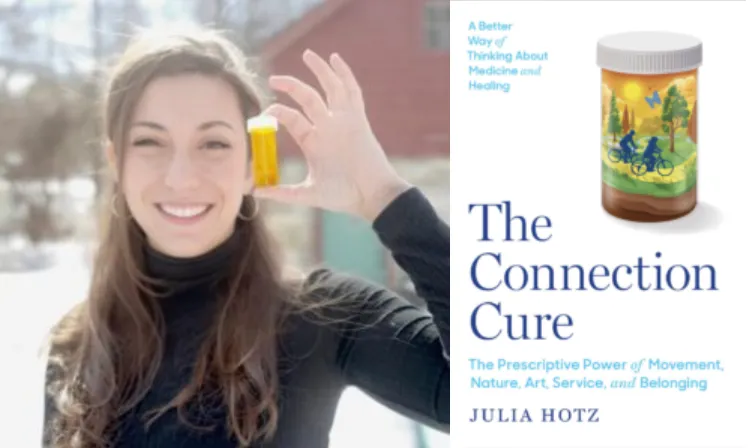
The UA program is part of a broader national shift, said Julia Hotz, a solutions journalist and author of "The Connection Cure," the first book to document the science and spread of social prescribing.
Social prescribing is now practiced in more than 30 countries, but the U.S. has lagged behind, in part because its fragmented healthcare system makes systemic adoption harder, Hotz said.
That's beginning to change.
"Social prescribing really has jumpstarted in the U.S.," Hotz said.
Horizon Blue Cross Blue Shield of New Jersey was among the first insurers to buy in, offering arts prescriptions of up to six months to at-risk members through cultural partners in Newark.
When she completed the draft of her book in early 2023, Social Prescribing USA, a grassroots hub for practitioners, was just starting to find its footing. The group held its first national conference earlier this year.
It was also awarded a National Academy of Medicine Healthy Longevity Catalyst Award to run what it says will be the first social prescribing pilot at Kaiser Permanente, launching in Oakland and Berkeley, California, this year.
"Social prescribing in the United States is really hard to compare to other countries that have it because our healthcare systems are so fractured," Hotz said.
But there are entry points, she said. Medicare, Medicaid and health maintenance organizations like Kaiser have long focused on prevention, operating on the logic that supporting a patient's whole health saves money down the line, making them natural early adopters of the social prescribing model.
Universities, Hotz said, are a natural proving ground.
"The kneejerk response might be, 'What do you mean we need social prescribing in universities? Aren't they filled with clubs and social opportunities and opportunities to engage with the arts?'" Hotz said. "But sometimes people need that extra accountability. And sometimes there are also barriers, like transportation or funding. This is about connecting the dots to what already exists on campuses, but also about setting a good foundation for later in life."
Students who learn early that arts and culture can reduce stress and anxiety may carry that habit into their working lives, Hotz said.
By the numbers
The UA's first-year numbers suggest students are taking the prescription seriously. Of those who completed intake, roughly 80% showed up to their activity, said Chad Herzog, executive director of Arizona Arts Live, which coordinates the program's community partnerships. Even when people buy their own concert tickets, Herzog noted, no-show rates hover around 15%.
"Students who have been prescribed these are not just sitting on that prescription. They're actually showing up," Herzog said. "And think about the number of times people are prescribed something by a doctor and never pick it up."
What students chose to do also shifted as the year went on. Early on, roughly 65% to 70% attended performances and exhibitions as audience members. By mid-year, that flipped: 60% to 65% were signing up for participatory experiences, including glassblowing at the Sonoran Glass School, jewelry making, and more.
"Instead of watching things happen, they were getting their hands dirty with glassblowing or classes at a writing center," Herzog said.
The program now counts more than 60 Southern Arizona organizations as partners, from the Center for Creative Photography and the UA Museum of Art to the Fox Tucson Theatre and Congress. Importantly, those partners are paid for tickets, classes and time, rather than asked to donate services.
"So often when you work in the arts, you're asked to do things for free," Herzog said. "We're not asking our partners to do that. We're asking them to be there as organizations and provide opportunities for students to participate."
That detail matters, Hotz said. One of the structural challenges facing social prescribing in the U.S. is building a model that doesn't burn out the community organizations at its center.
"In the UK, they designed a new position to take care of this, a link worker who works alongside the doctor and patient as a bridge to the community," Hotz said. "Instead of a 15-minute visit, the link worker has up to 60 minutes to really understand what matters to this person."
Social Prescribing USA is already training link workers for the Kaiser pilot, with sessions underway in Oakland ahead of the program's launch.
The response from Tucson's arts community surprised even the program's organizers. When Arizona Arts put out an open call for partners last summer, the volume of organizations that responded caught Social Rx off guard.
"It blew people away," Herzog said. "Social Rx couldn't believe how strong our partners were and how quickly they came and wanted to participate."
What's next
Heading into year two, the program plans to expand its referral pipeline beyond CAPS, training academic advisors to make referrals alongside counselors. Herzog said the goal is to reach 100 partners and explore a well-being add-on pathway for students who want additional support. Prescriptions will continue through the summer, including virtual options for students who have gone home.
The program is entirely funded through a philanthropic gift to Arizona Arts, which has committed to a three-year run.
"This generation is not afraid to talk about mental health, but at the same time, it's still something we have to be talking about," Herzog said. "Now we're thinking about whether there can be some kind of well-being add-on so students can get further support through additional pathways."
The UA-specific outcome data is still being compiled, with a full report expected later this summer. But early self-reported results are notable: 70% of participants reported improved well-being, more than 50% reported reduced anxiety and more than 60% reported lower loneliness scores after engaging with activities.
Hotz said those are the right things to be tracking, but programs that want to build a durable case should also consider measuring what drove early adoption in the UK: reduced utilization of healthcare.
"The UK pilot showed reduced emergency room visits, hospitalizations and visits to primary care physicians," Hotz said. "Over time, in a healthcare system that's government-funded, that led to a reduction in spending. If someone is interested in this from a cost-saving perspective, that could be the thing to measure."
Dahmer said he's watching for UA-specific data that will help identify which students benefit most and how to find them earlier.
"I do believe that there will be students and patients that gravitate towards this more than others, so if we can find students that really might thrive in this, they'll hone in on that in the future," Dahmer said.
That future, he said, also includes rethinking what a healthcare intervention is allowed to look like.
"Sometimes we forget that not too many of our interventions are fun," Dahmer said. "Hedonia (the pursuit of pleasure and well-being) is not a bad thing to include in an intervention for students who may be struggling."
For Hotz, the larger opportunity isn't just what the program does for students now, it's what it teaches them about their own health.
"The tagline of social prescribing is to replace the question 'What's the matter with you?' with 'What matters to you?'" she said. "It's about mixing science with patient choice and making it another option on the healthcare menu."
Salafsky put it more simply.
"Sometimes you just need that nudge to get access to some of these world-class performances and events, and if you don't get that little push, sometimes you can miss it," he said. "That's the great thing about the university community. We have so many things available. It's just getting people that first nudge to get them connected."
Caitlin Schmidt is Editor and Publisher of Tucson Spotlight.
Tucson Spotlight is a community-based newsroom that provides paid opportunities for students and rising journalists in Southern Arizona. Please consider supporting our work with a tax-deductible donation.