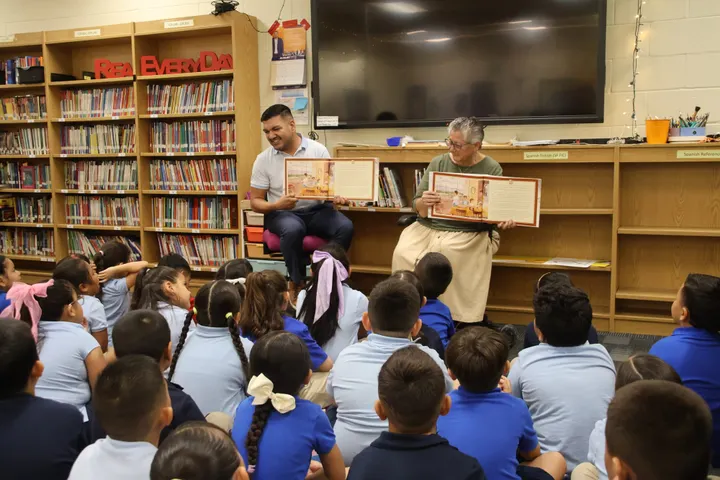
UA education program earns 'A' for reading instruction
The University of Arizona's Elementary Education program earned an "A" grade from a national teacher quality group for its reading instruction and ESL integration.
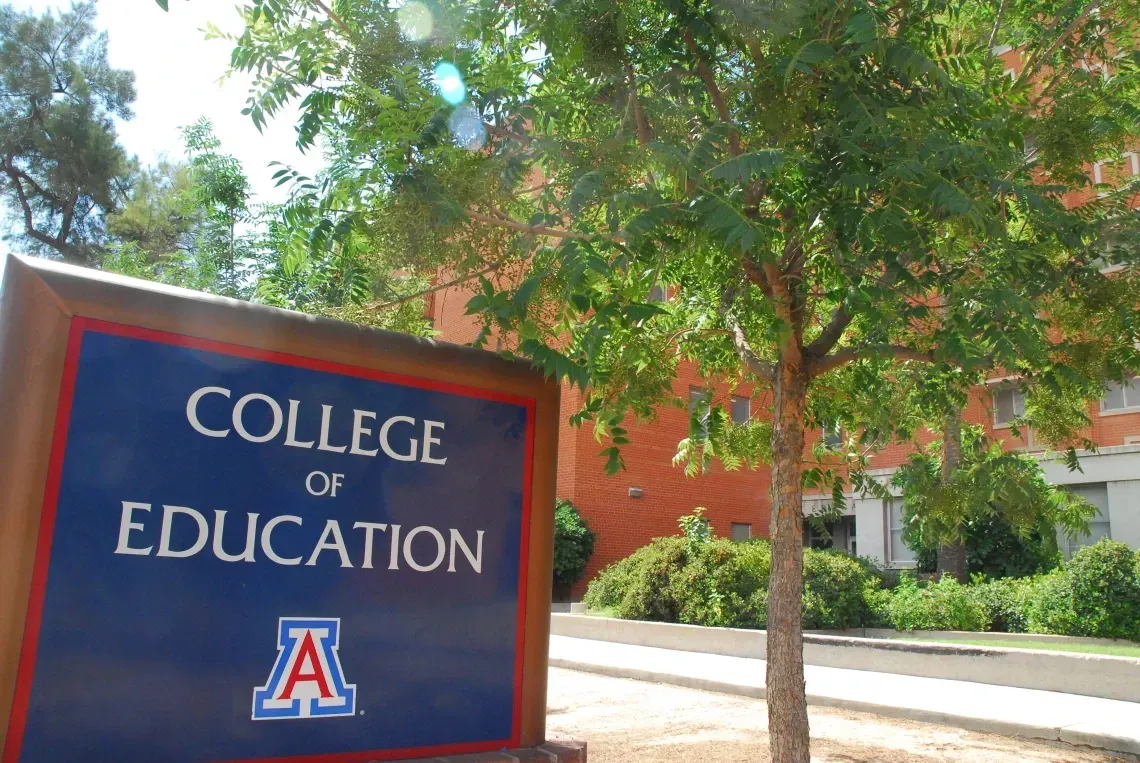
The University of Arizona's Elementary Education program earned an "A" grade for reading instruction from the National Council on Teacher Quality in June, with reviewers also highlighting its integration of English as a Second Language training as a national model.
The National Council on Teacher Quality, founded in 2000, evaluates programs that prepare future teachers. An "A" means the program has met the organization's standard for preparing teachers to properly teach young students structured literacy.
What distinguishes UA's program further is its integration of an ESL endorsement directly into the elementary education bachelor's degree, ensuring every graduate is prepared to teach foundational literacy across a diverse range of learners, including multilingual and English language learners. That puts UA's Elementary Education program among the top 5% in the nation for preparing teachers to teach multilingual learners.
The mathematics program also did well, receiving a "B" grade. According to the NCTQ, the percentage of programs earning an "A" grade increased from 26% in 2023 to 53% in 2026.
"One of the areas that (the council was) recently focusing on or they have been focusing on is reading and with that structured literacy," said Trina Zimmermann, director of field experiences. "The A rating means that we have by their standard met the expectation of what they and many other people feel are good instruction and good preparation for our preservice teachers and brand new teachers."
A few years ago, the state passed legislation requiring teacher preparation programs to align their coursework with the science of reading, or structured literacy, said Maura Gutierrez, an associate professor of practice and associate department head of teacher education and certification programs.
The "A" grade doesn't come with a monetary reward for the University of Arizona, but it does bring recognition.
"It's an opportunity for us to be recognized as a place that does what we do well. We have really strong connections to our community partners. We are very embedded in schools and classrooms and communities," Gutierrez said. "It's an opportunity for us to be recognized as a leader in this area, to be seen as an expert that can support schools around structured literacy."
Tucson Spotlight is free for every reader because donors make it possible. Join them.
The grade also serves as a signal to employers when UA graduates go out seeking jobs in schools and districts, Gutierrez said.
"We are preparing amazing teachers and we're doing what is best for the kids in Arizona, the students," Zimmermann said. "And wherever our teachers graduate (...) we're giving them a really great foundation in teaching reading."
In addition to teaching the structure of reading and literacy, future educators are also encouraged to learn at least one other language.
"That is our approach with these courses and our approach to structure of literacy along with maintaining that commitment to supporting language development and seeing the assets that students bring into the classroom," Gutierrez said. "Those kinds of things like that, being bilingual or multilingual, are seen as an asset and so that is also a part of our program and that's also one of the things we did well on in terms of this scoring system."
Every year, the rate for how long teachers stay in a school district decreases, with the lack of funding and respect for teachers contributing to how future teachers prepare in their education, Zimmermann said.
"The A grade is amazing and shines light on the good things that are happening, but it's happening despite lack of funding. It's happening despite the fact that we struggle in the college of education with our budget every year and we have to cut back and we have had to increase our class sizes and we have had to make cuts at the university level because of funding," Zimmermann said. "It isn't easy, and we're doing it despite that, and teachers are too. They're teaching and doing wonderful things in their classroom despite the lack of funding, the lack of support, the lack of respect."
The "A" grade reflects years of work by faculty to prepare teachers for the classroom, even as the program has faced funding and staffing challenges.
Christy Russell is a journalism major at the University of Arizona and Tucson Spotlight intern. Contact her at crussell68@arizona.edu.
Tucson Spotlight is a community-based newsroom that provides paid opportunities for students and rising journalists in Southern Arizona. Please consider supporting our work with a tax-deductible donation.