Southern Arizona tribes push for child abuse prevention funds
Representatives from the Pascua Yaqui, Tohono O'odham and Gila River communities met with Congresswoman Adelita Grijalva to back a federal amendment that would set aside dedicated child abuse prevention funding for tribal nations.
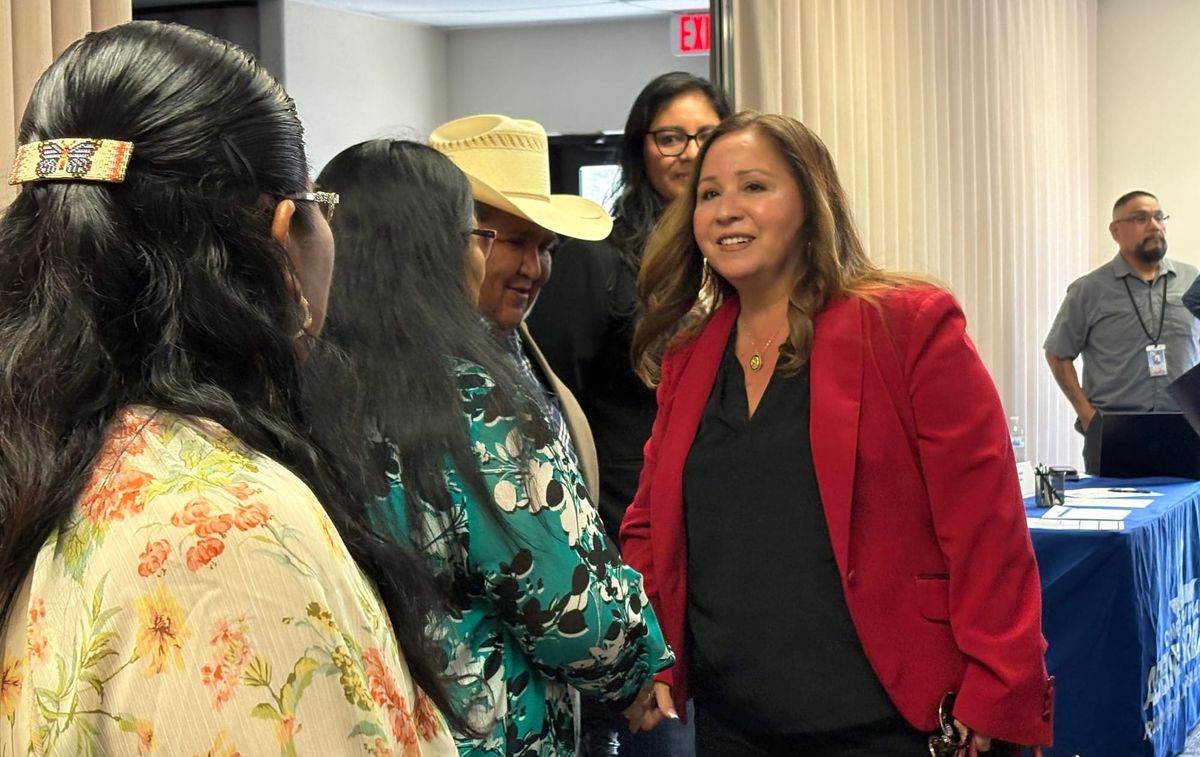
Representatives from three Arizona tribal nations met with Congresswoman Adelita Grijalva last week to push for a federal funding fix they say could mean the difference between protecting Native children and leaving them behind.
Representatives from the Pascua Yaqui, Tohono O'odham and Gila River communities traveled to the San Xavier Mission Clinic for the April 9 roundtable, which centered on a recently proposed amendment to the Child Abuse Prevention and Treatment Act, or CAPTA.
The proposed amendment would ensure tribal nations receive more equitable access to federal child abuse prevention funding and allow for culturally informed programs tailored to their communities.
The amendment would set aside 5% of CAPTA funding exclusively for tribal nations, which currently must compete with states and other larger entities for grants, leaving most tribes without the resources they need.
The amendment would also formally recognize tribal nations alongside states in the equitable distribution of child abuse prevention aid.
"For far too long, federal policy has overlooked the unique strengths and needs of tribal nations, leaving many communities to navigate complex trauma with limited federal support," Grijalva said in her opening remarks.
Grijalva, along with Democratic Sen. Elizabeth Warren and Republican Sen. Lisa Murkowski, has proposed the American Indian and Alaska Native CAPTA amendment to strengthen federal resources for tribal nations working to prevent child abuse and neglect.
Despite the bipartisan support, Grijalva said the bill faces an uphill battle, as Republican committee leaders are unlikely to advance legislation that does not align with the current Senate agenda.
"This isn't just a matter of budgeting," Grijalva said. "It's a matter of justice and safety for the next generation."
Tribal nations account for 2% of the U.S. population, but victims of American Indian and Alaska Native descent make up 15% of child abuse cases, according to the National Crimes Against Children Investigators Association.
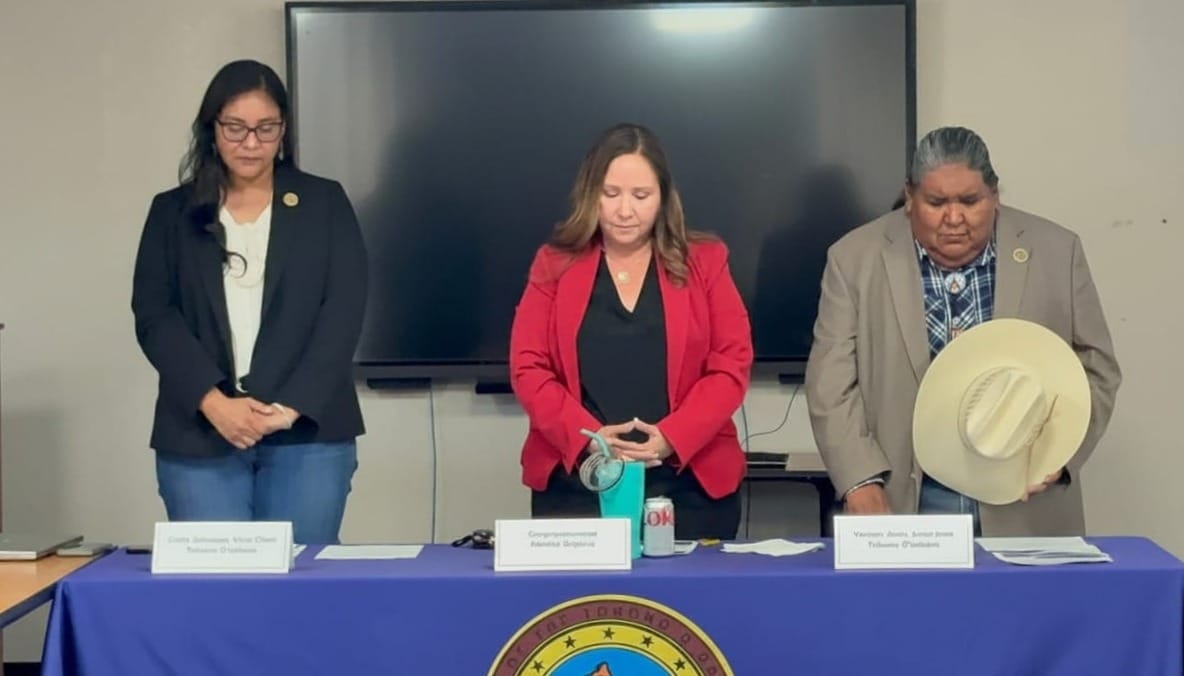
Tribal representatives at the meeting said they supported the legislation, highlighting the issues their communities face and the solutions they would like to see.
"We can't fulfill our promise, our responsibility to our children, if they don't have that basic safety net," said Tohono O'odham Nation Chair Verlon Jose. "We see that as something that always goes to the wayside."
Michael Pries, social services director for the Pascua Yaqui Tribe, echoed Jose's concerns.
"It doesn't feel like tribes have been looked at as nations, or as equals with the state," Pries said.
He said that while programs like Title IV-E have helped the Pascua Yaqui maintain their foster care program, there are still problems to be addressed. Title IV-E is a federal program that helps states and tribes cover the costs of foster care, adoption assistance and guardianship support for children removed from their homes due to abuse or neglect.
"We still struggle with teenagers," Pries said. "That's one thing that I don't think anyone in the country has been able to figure out."
Pries explained that prior to receiving Title IV-E funding, many children from the Pascua Yaqui Nation aged out of the foster care system and grew resentful or distrustful of these systems, regardless of affiliation to state or tribe.
Pries also believes more tribes should be allowed to use funding at their discretion, noting that the Pascua Yaqui have seen a 50% decrease in child welfare cases since implementing Title IV-E and other programs that allow for more self-determination.
Alfred Urbina, general counsel for the Gila River Indian Community, said the second largest cause of abuse and neglect cases in their community is substance abuse-related neglect, most often fentanyl-related.
"When we're thinking about CAPTA and the front-end prevention things, I think that should be a primary focus," Urbina said.
Urbina said that among the 22 federally recognized tribal nations in Arizona, only two have successfully applied for Title IV-E funding, underscoring the need for greater federal investment in the issue.
Quentin Agnello is a University of Arizona alum and freelance journalist in Tucson. Contact him at qsagnello@gmail.com.
Tucson Spotlight is a community-based newsroom that provides paid opportunities for students and rising journalists in Southern Arizona. Please consider supporting our work with a tax-deductible donation.