Pima County spent $1M on Kino baseball renovations in 2025
Pima County spent more than $1.25 million on baseball-related renovations at Kino Stadium in 2025, including a new scoreboard, playing surface and sound system.
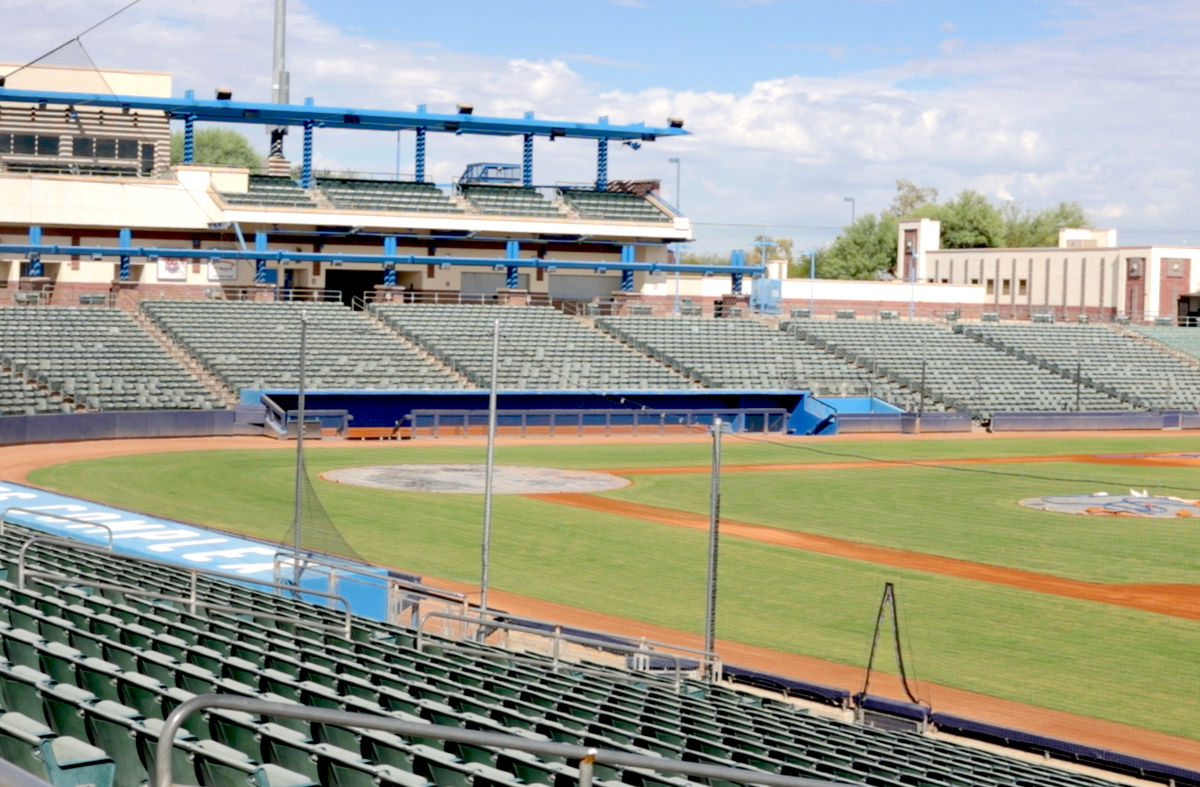
Tucson was set to host its first professional baseball regular season at Kino Veterans Memorial Stadium, but the team never made it across the border.
Pima County spent more than $1.25 million on baseball-related renovations at Kino Veterans Memorial Stadium in 2025 to prepare for the Tucson Baseball Team's 2025-26 season, including $132,840 to upgrade the stadium's sound and broadcasting system, records obtained by Tucson Spotlight show.
Kino Veterans Memorial Stadium was built in 1997 with the idea of reforming the desert baseball scene and turning Tucson into a sports tourism destination. It opened a year later, serving as the spring training home of the Chicago White Sox and Arizona Diamondbacks.
But by 2010, both had left town.
Local baseball fans had reason for optimism in 2025, when officials announced that Kino would host the World Baseball Classic Qualifier, bringing international competition and a renewed passion for baseball to the city. A few months later, a Mexican Pacific League team announced plans to play its home games at Kino.
The Tucson Baseball Team, formerly the Mayos de Navojoa from Sonora, Mexico, saw the move as an opportunity to grow the franchise and build a connection between two border cities.
In preparation for the team's arrival, Pima County approved the $132,840 sound and broadcasting upgrade and agreed to host 34 home games during the 2025-26 season.
It wasn't the county's first recent investment in the stadium. Earlier in 2025, Pima County spent $1.12 million on renovations for the World Baseball Classic Qualifier, including a $700,000 scoreboard and $425,000 for a new playing surface.
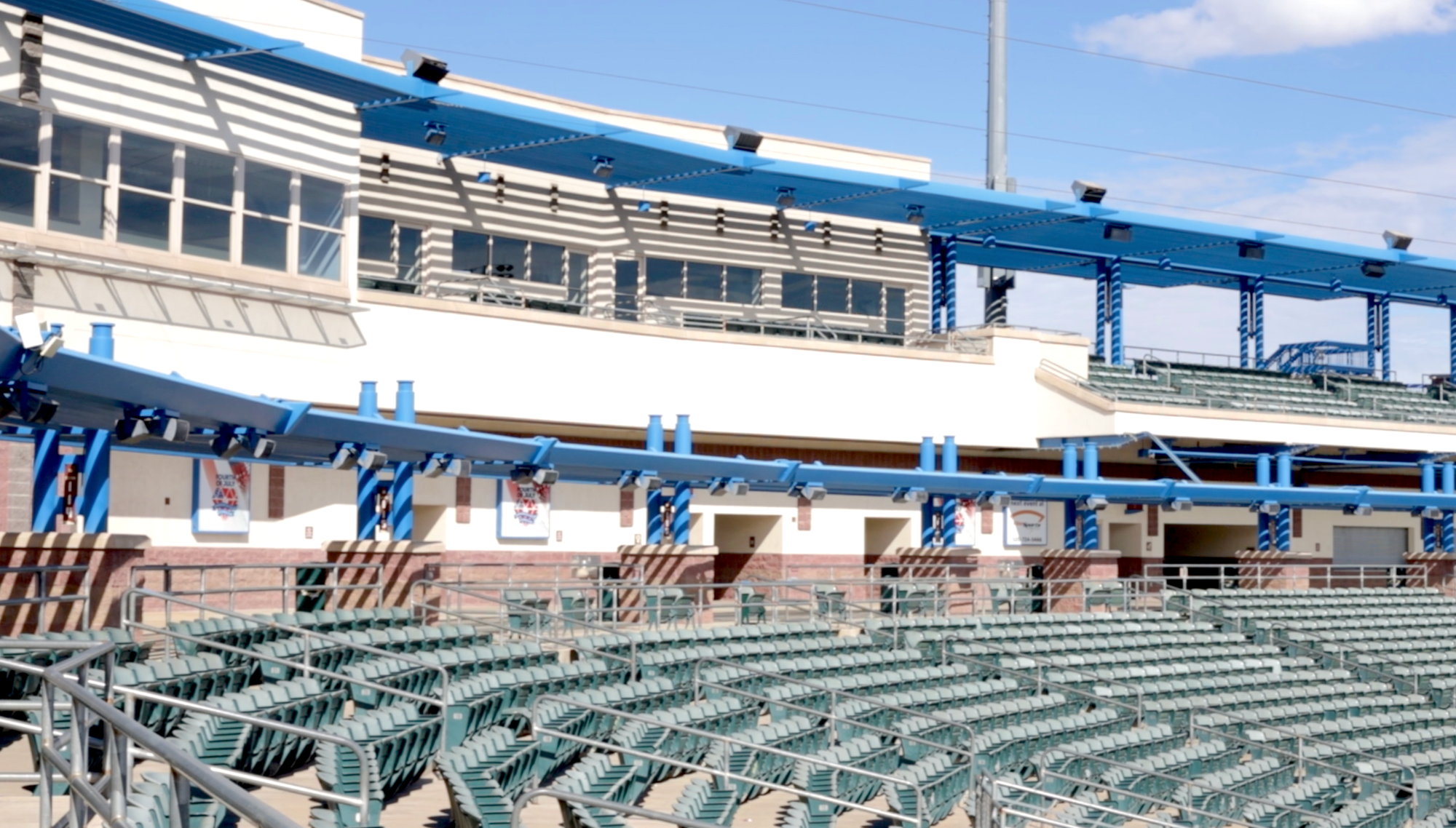
The sound system upgrade was long overdue. Project manager Dustin Mandeville said the existing loudspeakers and telecom infrastructure were outdated and incompatible with modern broadcasting technology.
"Restoring the stadium's audio and broadcasting functionality to its original capabilities will not only enhance the quality of the experience for the patrons, but it will also make the stadium more attractive to organizations looking for a venue to host their event, thereby making more entertainment opportunities available to the community," Mandeville said in a project document.
The Tucson Baseball Team agreed to pay the Pima County Stadium District $225,000 to use Kino Stadium facilities for 34 home games, practice sessions and Liga ARCO Mexicana del Pacífico playoff games.
The rental period ran from Sept. 1, 2025, to Jan. 31, 2026, with each game carrying an estimated cost of $6,165 for grounds maintenance, custodial services, cleaning and private security. The team was scheduled to make six installment payments of $37,500, beginning Aug. 15, 2025.
But the team never made it across the border. Visa complications prevented players and staff from entering the U.S., and the October home opener was indefinitely before the season ever began.
The contract was canceled in December after the team was unable to secure the visas needed to play in the U.S. By then, the team had paid $112,500 of the $225,000 agreement.
"As of Friday, December 12, TBT has chosen to cancel the remainder of their contract with Kino Sports Complex as per clauses in the contract allowing them to do so," County Administrator Jan Lesher said in a news release.
The team announced earlier this year that it would remain in Mexico.
"Pima County and the Pima Couty Stadium District are always evaluating our options and analyzing opportunities to put Kino in the best possible position for future success," Pima County Stadium District-Kino Sports Complex Director Sarah Horvath said in an email, adding that the Tucson Saguaros have been a permanent tenant since 2016.
The Saguaros play in the Pecos League of Professional Baseball Clubs, an independent league unaffiliated with Major League Baseball or Minor League Baseball.
"If a minor league team wishes to call Tucson home, we would be thrilled to work with them on all Kino Veterans Memorial Stadium has to offer," Horvath said. "Pima County and its tourism partners are always working to create the best environment possible to attract sports tourism. Any additional opportunities to bring in a new tenant would be welcome as long as they are a good fit for the community and for the future of Kino."
Tucson's size has long made it a difficult market for major league sports, particularly with Phoenix just over 100 miles away, home to the Arizona Cardinals, Phoenix Suns, Arizona Diamondbacks and Phoenix Mercury.
Blake Eager, executive director of the Southern Arizona Sports, Tourism and Film Authority, previously told Tucson Spotlight that competing with Phoenix for major league teams is a futile effort, suggesting Tucson could instead become the nation's top minor league market.
"Let (Phoenix) be the major league city, and let us be the minor league city, and be the best minor league city in the country," Eager said.
Tucson is home to several minor league teams, including the Tucson Roadrunners of the American Hockey League, FC Tucson of USL League Two and the Tucson Sugar Skulls, which compete in the highest level of professional indoor football in the country.
"With new events such as the World Baseball Classic Qualifier and the Garmin Marathon adding to the long standing events such as El Tour de Tucson and the (Major League Soccer and National Women's Soccer League) preseason, Tucson continues to show that it is a premier destination for sports tourism across not only the United States but internationally as well," Horvath said, noting that the University of Arizona also has a national profile across multiple college sports. "Our community has a well established reputation as a sports destination.
Diana Ramos is a University of Arizona alum and Tucson Spotlight reporter. Contact her at diana@tucsonspotlight.org.
Tucson Spotlight is a community-based newsroom that provides paid opportunities for students and rising journalists in Southern Arizona. Please consider supporting our work with a tax-deductible donation.