Pima County Prop. 425 would raise spending limit by $610M
Pima County’s Proposition 425 would raise the county spending limit by about $610 million, and supporters and opponents disagree on what that means for taxes.
Pima County voters will decide this fall whether to add $70 million to the base of the county’s spending limit, a change supporters say would not raise taxes and opponents say would be permanent.
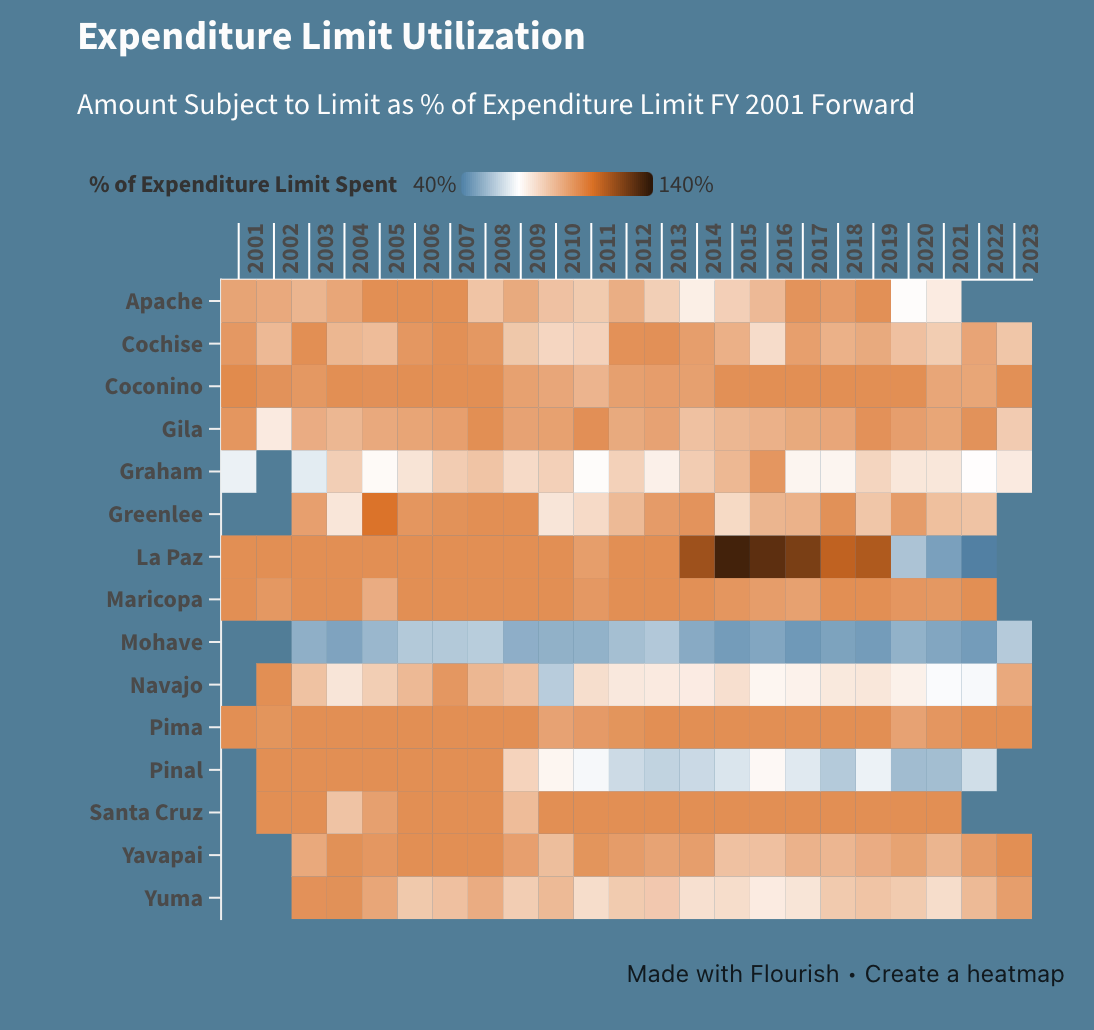
State voters created the limit in 1980. It starts with what the county spent in fiscal year 1979-80 and grows each year with population and inflation. According to the Pima County website, Proposition 425 would add $70 million to that 1979-80 base, which the county says would raise the limit by 75%.
Because the base is adjusted for inflation and population growth, the effect is larger than $70 million. County documents estimate the spending limit would rise from about $817 million to about $1.43 billion in fiscal year 2027-28, an increase of about $610 million.
The county says it does not need the full increase right away. To meet its needs for the next few years, it would only need a 10% to 20% increase to the base limit, but supervisors are asking for an amount they expect to last 20 years so it does not have to keep returning to voters.
The county projects it would spend about $84 million above the current limit in 2027-28, paid for with about $22 million in state revenue and $62 million in existing local revenue.
Without the change, the county says it could be barred from spending all the revenue it collects or have to turn to debt to pay for services.
Supporters say the measure won’t raise taxes.
“It simply lets the County spend the money it already collects, within its existing budget, on services residents already fund,” wrote Eric Robbins, chair of the Pima County Democratic Party, in a letter supporting the measure.
Pima County Supervisor Jen Allen called it “a common-sense ballot measure” in her letter of support.
"The challenges facing Pima County today are not the same as they were nearly 50 years ago, and our communities deserve the flexibility to respond to them," Allen wrote.
Tucson Spotlight just won a national award for local journalism. Become a member today and help make sure Southern Arizona keeps getting the coverage it deserves.
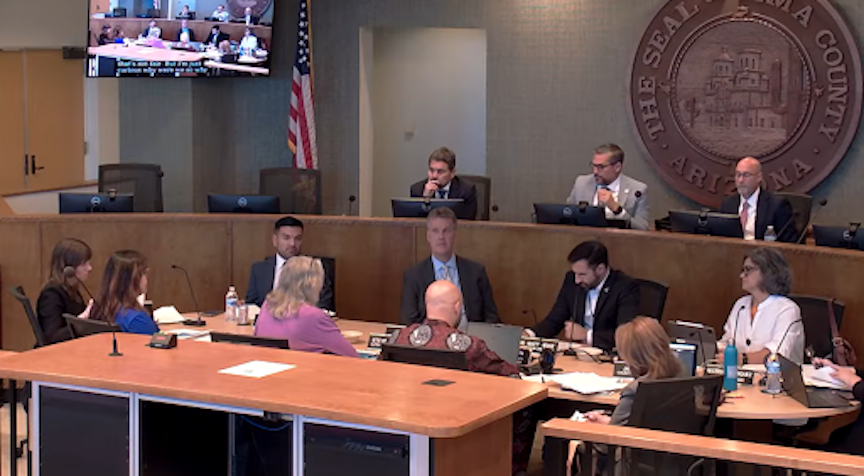
But Kathleen Winn, chair of the Pima County Republican Party and host of the “Winn Tucson” radio show, said the county already taxes residents too much and opposes the measure.
“We’re already one of the highest tax municipalities in the entire state of Arizona, and our roads aren’t any better. Our homelessness situation is not any better. Crime is not any better. We are one of the highest crime cities in the nation,” Winn told Tucson Spotlight.
Winn said she hopes keeping the spending limit in place will push the county to return unspent tax money to residents.
A “No” vote would not allow the county to adjust its 1979-80 base expenditure limit.
Retired Picture Rocks resident Nancy Musgrave said she supports Proposition 425, adding that one of her main concerns is flooding.
“I’m fortunate I live on a paved road,” Musgrave told Tucson Spotlight. “But there are many communities, residential areas out here, that are on dirt roads, and they’re a mess.”
Southern Arizona’s fast, hard-to-predict storms can wash large amounts of sand, dirt and flood debris onto local streets and collector roads, leaving areas hazardous or even impassable.
Musgrave said one resident told a county meeting that the post office would no longer deliver mail to her house because the road was “impassable.”
If there’s a way to increase the county’s spending limit so it can put money toward maintaining county roads, it has to pursue it, Musgrave said.
Another opponent, Jay Tolkoff, a former Republican candidate for Tucson City Council, told Tucson Spotlight he’s deeply concerned about the adjustment.
Tolkoff, who is funding campaign signs urging voters to vote no on Proposition 425, said the adjustment is larger than the county has characterized and leaves no room to revisit it in the future.
“The county is not asking for an increase for how much they can spend,” Tolkoff said. “They’re asking for an increase of $70 million to that 1979 dollar amount.”
Tolkoff said the $70 million would be added to the base before factoring in inflation and local growth, which would make the actual increase closer to $610 million.
“The other thing is that this is permanent,” Tolkoff said. “It’s not going to sunset, this is forever.”
Tolkoff said he’s not opposed to all expenditure increases and would be more open to a series of smaller increases revisited every two years.
The county has no issue with raising tax rates in the future, Tolkoff said, pointing to supervisors’ plan for a property tax of 3 cents per $100 to pay for affordable housing.
Tolkoff suggested the limit increase would only incentivize more taxation.
“You’re giving permission for people to spend money in ways you don’t approve of that haven’t even been born yet, or elected,” Tolkoff said.
He suggested that without an end date, the change could end up doing more harm than good in ways no one can foresee.
Tolkoff said counties like Maricopa have seen their economies grow fourfold in recent years, but Pima County has not grown enough to justify the increase.
Quentin Agnello is a University of Arizona alum and freelance journalist in Tucson. Contact him at qsagnello@gmail.com.
Tucson Spotlight is a community-based newsroom that provides paid opportunities for students and rising journalists in Southern Arizona. Please consider supporting our work with a tax-deductible donation.