Loft Cinema caps Pride Month with "Paris Is Burning"
The Loft Cinema and the Southern Arizona AIDS Foundation closed out Pride Month with a 35th anniversary screening of "Paris Is Burning," the last of 24 events amid concerns over federal funding cuts.
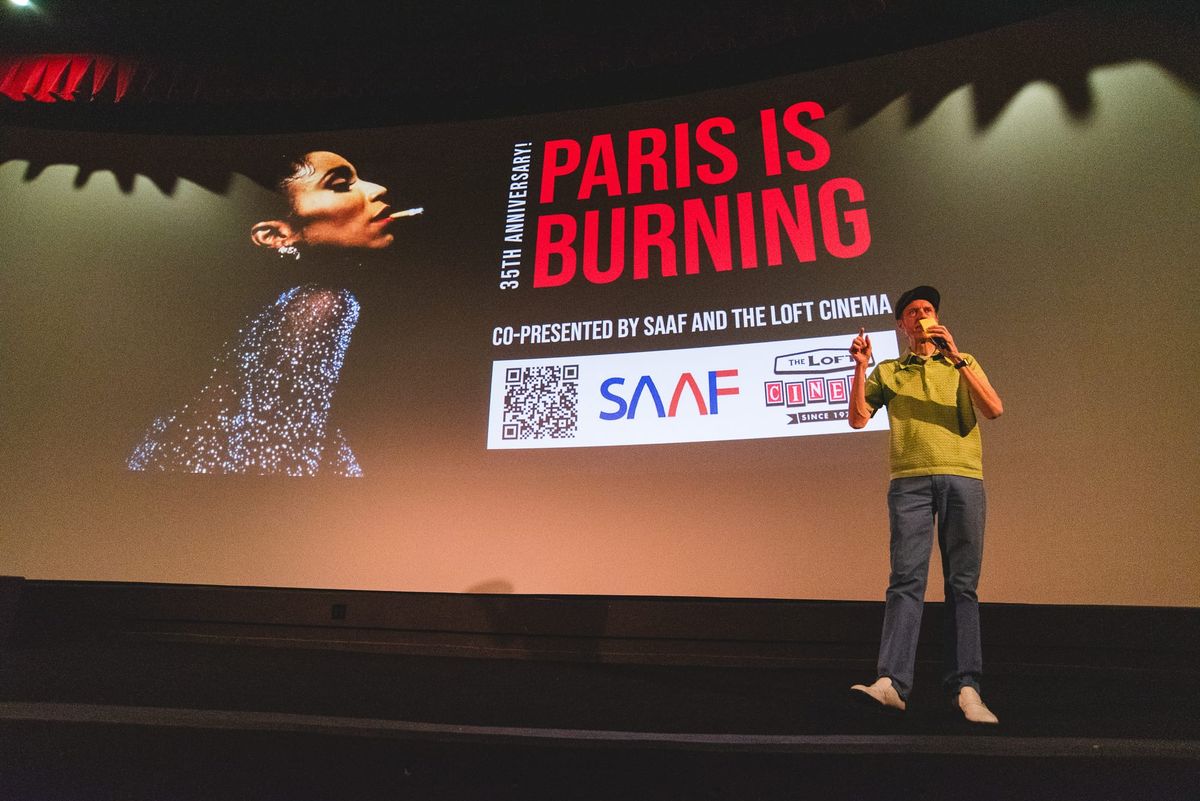
The Loft Cinema closed out Pride Month last week with a 35th anniversary screening of "Paris Is Burning," the last of 24 events the Southern Arizona AIDS Foundation hosted this June to celebrate and, as organizers put it, resist the erasure of the LGBTQ community.
For many in the sold-out crowd, the screening was both a celebration of a landmark film and a reminder of how much the community it captured still has to fight for.
Prior to the June 30 screening, Loft Cinema Program Director Jeff Yanc and others talked about the history of the film and its impact on filmmaking and the LGBTQ community.
"We're celebrating the 35th anniversary of the year 1991, which was the year that is credited with launching the new queer cinema movement of the early 90s. This was a time that just kind of erupted in all of these really great queer-themed films, independent films that brought queer voices and filmmakers and stories to the culture and to cinema," Yanc told attendees. "It was also a time before Netflix, before streaming, so all of these movies played in movie theaters. They even played in mall movie theaters. Shocking."
Loft Development Director Ethan Cox said he's a lifelong fan of the movie, recalling its original theatrical release.
"I remember when this came out. It's just getting to see all of these beautiful, incredible people up on the screen that you don't usually get to see. So, I was really happy that we were bringing it back," Cox said. "I think that while there's a lot of things that have evolved around attitudes towards transgender folks, I think that we still seem so stuck."
Share Tucson Spotlight with a friend. Every signup earns you a raffle entry to win a gift card to a local Tucson favorite. Four winners drawn August 1.
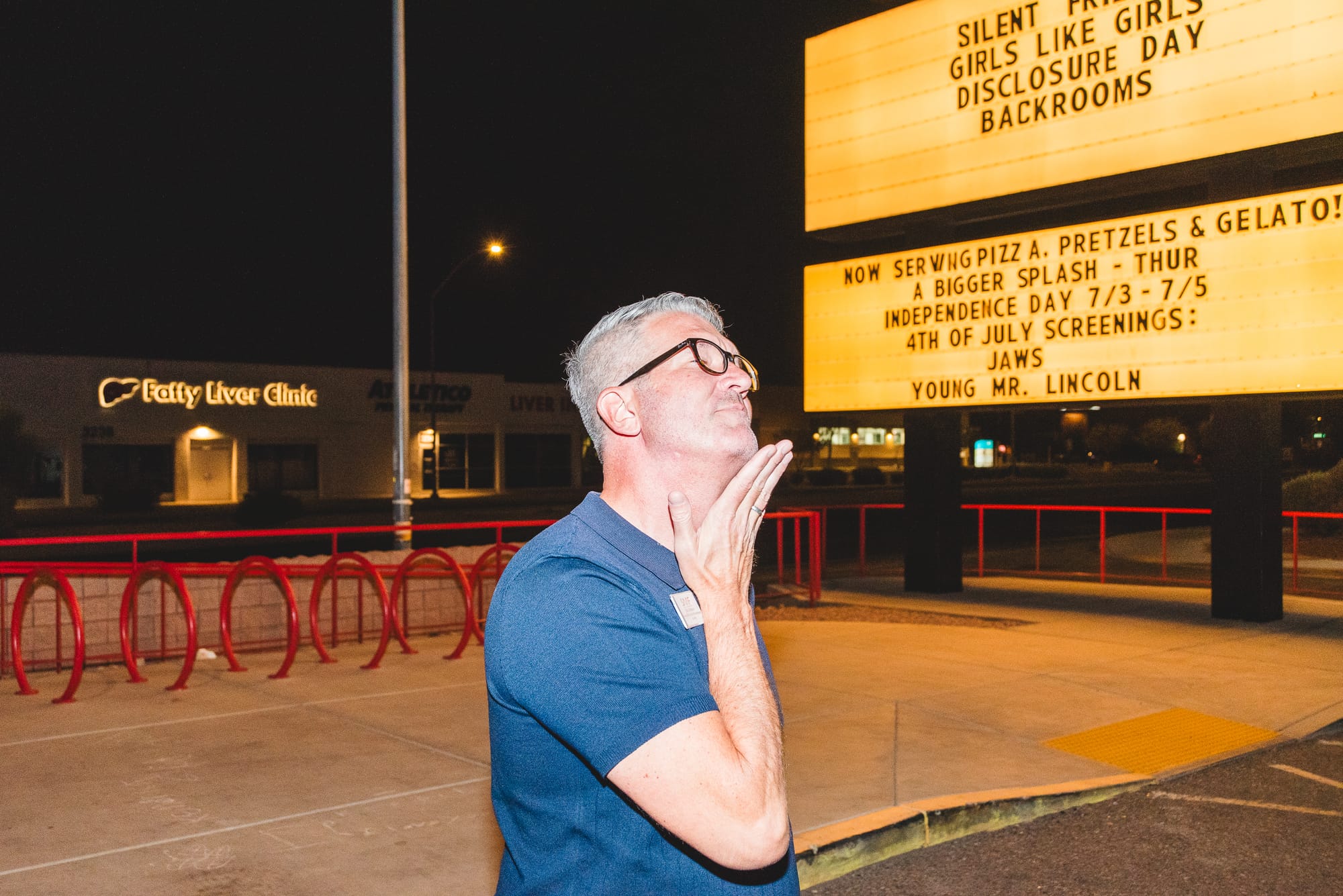
When Cox and others began talking about Pride Month and how to amplify the good work being done in the community, partnering with SAAF was an obvious choice.
"They're the ones leading the charge in a lot of LGBTQ issues in town," he said. "To me, this is why the Loft exists. This is not something you're going to get at a Harkins or an AMC. So much of the work we do is building a community."
Erik Simonson, associate director of development at SAAF, talked about his upbringing and the way the movie impacted his life and helped guide him to his current role.
"I think it's a really important piece of documentary film that really resonated with me because of the experiences I had growing up, which were completely different from the folks that are a part of this documentary," Simonson said. "I came out to my parents when I was super young and I was probably six. I've never been more loved or accepted by two individuals in my entire life. And they continued to support me even as I grew older."
When Simonson began attending school, he noticed that many of his peers who identified as gay had not had the same experience.
"It was very much something you did not talk about," he said. "When I started seeing it happen in my community, with my fellow students, kids getting kicked out of their home, couch surfing, living with friends, trying to survive because their families had rejected them. It really had an impact on my desire to be a part of raising awareness."
While times have changed, there's still plenty of work to be done, Simonson said.
"Unfortunately, I don't think it's changed enough. We still struggle with stigma and youth on their own, youth on the street, young people getting kicked out of their homes and being rejected. So it's still the same story," he said. "Our biggest struggle right now is with the federal funding based on what's happening with our federal government. We had a severe cut last spring and now we're facing another major cut through (the Centers for Disease Control and Prevention) coming up this fall. That's going to majorly impact the amount of prevention services we're able to provide to our community and to Arizona."
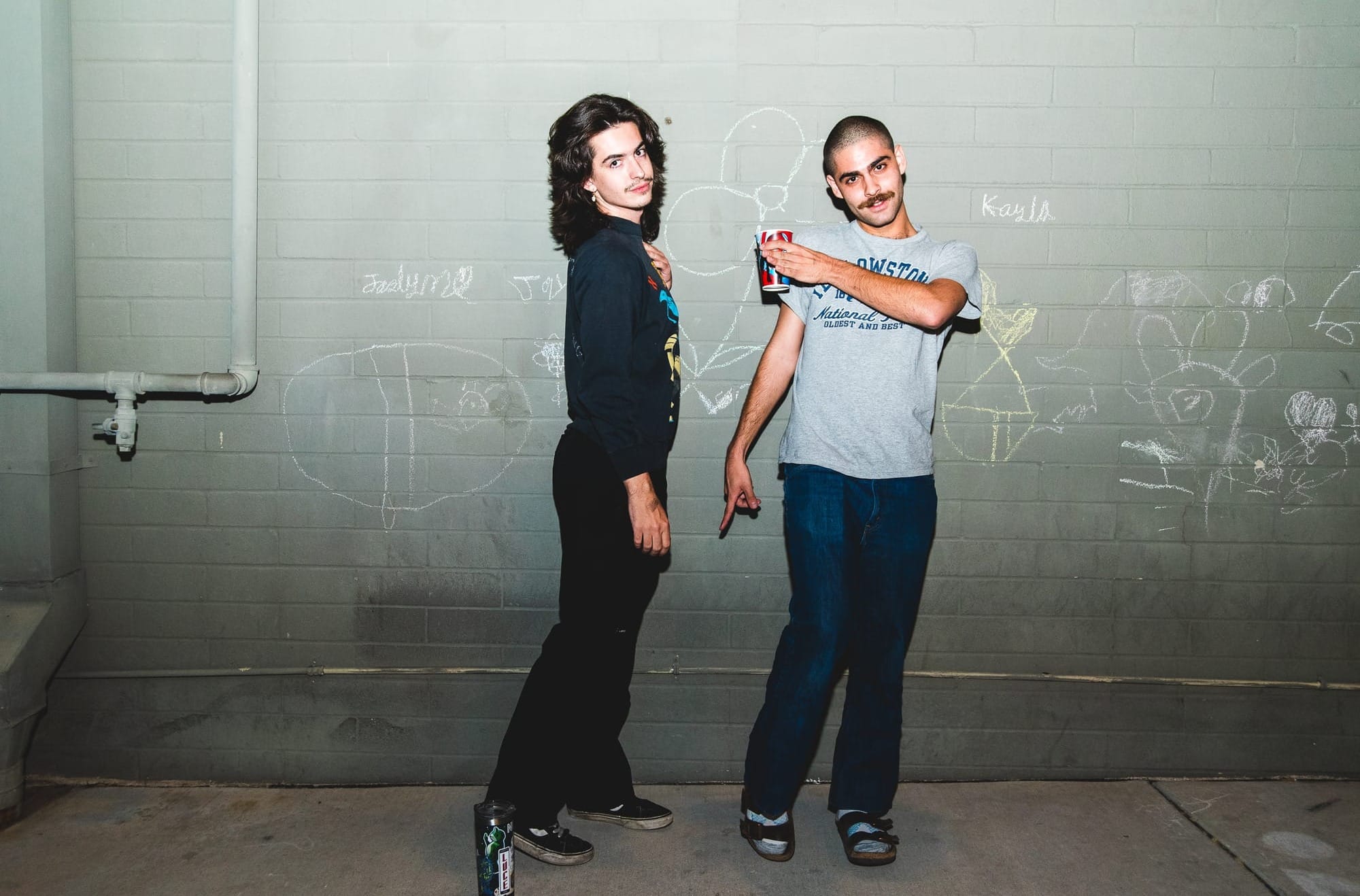
SAAF is trying to bridge the gap with foundation money and other ways to generate funding, with Simonson telling attendees that raising awareness is a big reason the group hosted so many Pride-related events.
"We did 24 events from May 30th, which was a pre-Pride weekend event with Lookout Arizona, and that led right into all of our community partnerships and Bisbee Pride and Out West and a drag brunch," he said. "We wanted to be very thoughtful about how we approached Pride because of the way that things are going in our government at the moment. It feels like we're being erased and we wanted to be as loud as we could and tried to celebrate as much as possible during Pride month so that we can keep it and it's not going to go away. We're not we're not going to let it go away."
After the screening, many attendees gathered in the lobby and on the patio to talk about the film, the community it created and its impact.
"I watched it for the first time when I was sixteen, when I got a Criterion subscription for the first time," said Daar Sam, who was watching the film for the fifth time. "I really didn't like documentaries that much and then I would watch this and it was so colorful, and all the lamps in the movie were really amazing. There's such a good use of narration, it's the most beautiful film ever."
Sam, who identifies as cisgender heterosexual, said the movie resonates every time.
"There's something so strong about the queer community in this film that seems much deeper like roots than a lot of things. I guess in Tucson it's not the same because New York City is its own vibrant hub but I think this is something you can just chalk up to the advent of social media and the fragmentation of society in the 21st century," Sam said. "I know it feels like we've regressed from having these really deep communities that are born out of poverty and it sucks."
Cosmo Brusa Zabbelini, who was watching the film for the third time, said the movie's themes still ring true.
"I don't know if there's much progress. Everyone's broke, probably (more so) now. So much of what happens throughout the film is in the context of poverty and bigotry, as well. I don't know if it's much better, I think people are more aware of it," Zabbelini said. "Even when Jeff was announcing the film, he was talking about how when this screened in movie theatres and now films are streaming. There isn't that much of a community aspect for queer art. There isn't stuff that's hitting the mainstream that's actually transgressive like this film."
Sam echoed those sentiments, pointing to Gregg Araki's newest film, "I Want Your Sex." The Loft is the only theater in Southern Arizona set to screen the film.
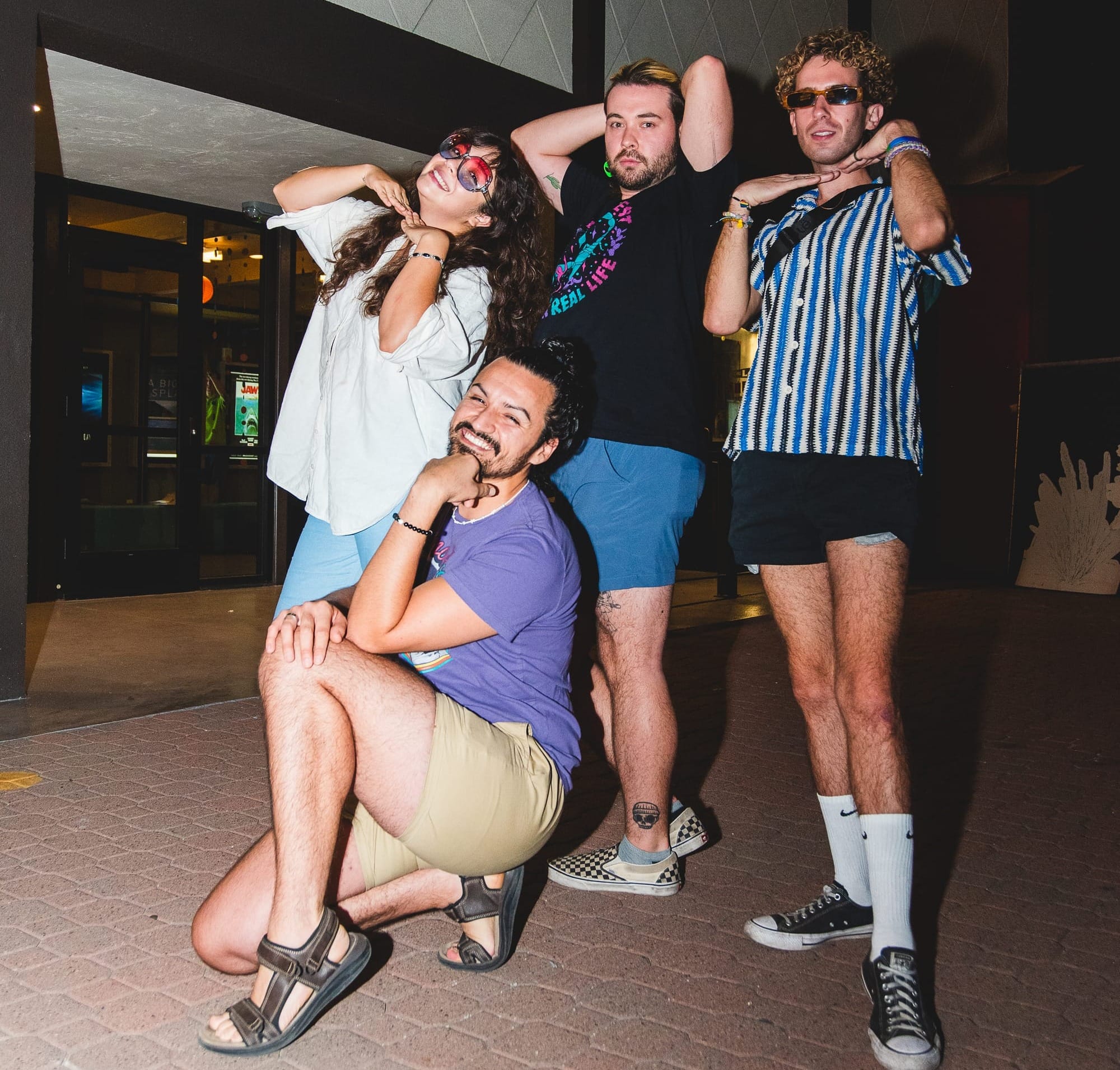
For many attendees, seeing the film on the big screen for the first time was a whole new experience.
"That was a beautiful movie to watch on a big screen," said Ana Quinones. "It was good hearing everybody's reactions and kind of experiencing that with people. I wish I knew the people that were there, but for now this is good."
Victor Bostick appreciated that the film provided attendees with an inside look into what might be an unfamiliar space.
"I think because there are so many current issues that are still brought up in the movie, it's really refreshing to understand (that) people are getting a glimpse into a life that maybe it's not something they might see everyday," Bostick said. "For people to see it and get that explanation of what it's like to be in someone else's shoes, I think it's really special."
Attendee Tyler Bator said the movie reminded him that despite how it can feel, progress has been made.
"We've come so far in the past (35) years since the movie came out. But in ways, we've also lost a lot when it comes to community," Bator said. "It was nice to be able to see what rights we've been afforded in the past 30 years but it's (also about) what do we need to bring back from that time and it really is the community we need to bring back, our friends, and the way that we interact with each other."
For attendee Benjamin Speer, the film marked how far he'd come personally.
"The first time I watched it was on my iPad, I was in the 10th grade, and I didn't know any queer people. I didn't know any trans people," Speer said. "I feel like I've come a long way since seeing it for the first time."
Marlon Bedoy is a Pima Community College student and Tucson Spotlight intern. Contact him at marl.star.nn@gmail.com.
Tucson Spotlight is a community-based newsroom that provides paid opportunities for students and rising journalists in Southern Arizona. Please consider supporting our work with a tax-deductible donation.