Tucson food truck Special Eats creates inclusive jobs
Tucson’s Special Eats is expanding its food operations while creating employment opportunities for neurodivergent adults and people with developmental disabilities.
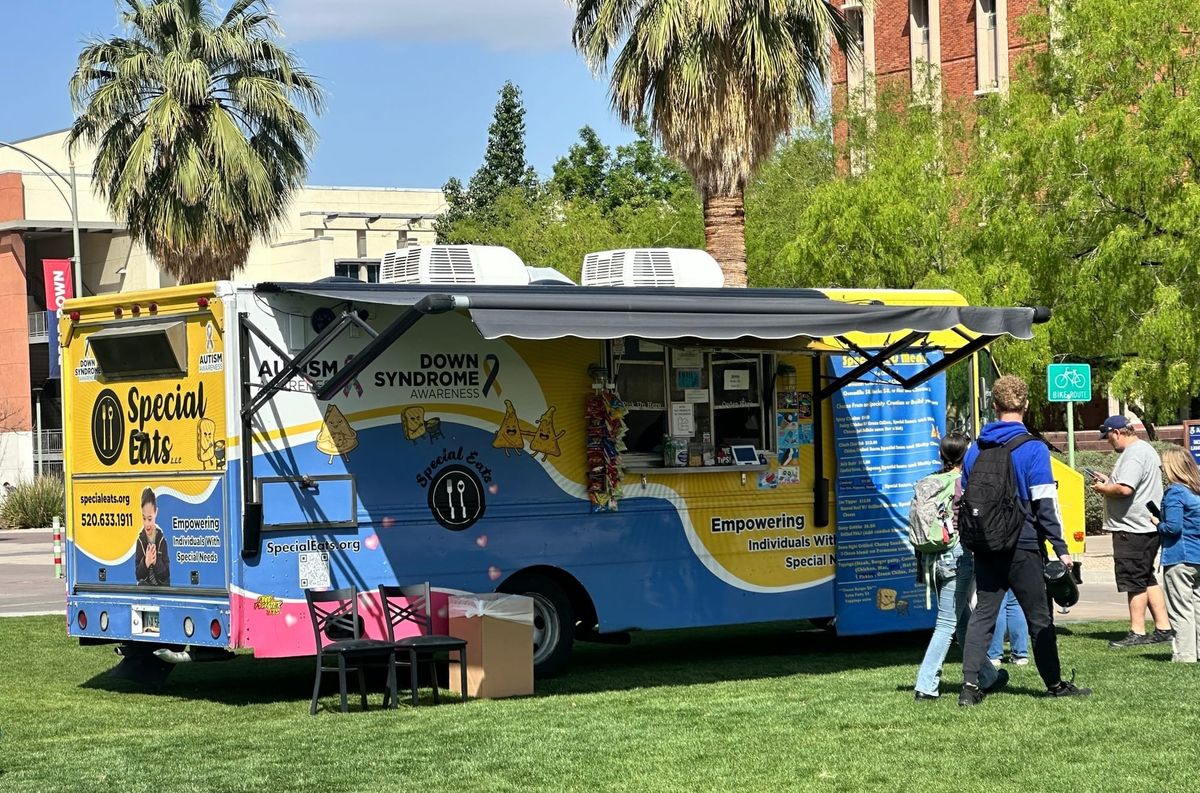
When Special Eats opened in 2022, it set out to address a shortage of employment opportunities for neurodivergent adults and people with developmental disabilities
Four years later, the Tucson food business has grown from 16 employees to 76 and is expanding beyond its original food truck with new concepts and a brick-and-mortar restaurant planned for later this year.
Founded by head chef Bill Harmon and co-owner Tamara Varga, Special Eats launched in response to a serious shortage of integrated employment options. Since its launch, the opportunity to work at the food truck has become so popular that there is a waitlist for people wanting to apply.
The expansion includes a dessert truck, an upcoming wood-fired pizza truck and a brick-and-mortar restaurant opening later this year, according to Harmon.
The growth reflects a shift in the regional vocational landscape. Historically, employment programs for adults with disabilities often relied on fair labor provisions that allowed subminimum wages while limiting participants to repetitive and isolated tasks.
Transitioning employees into a standard workplace with equal and competitive pay is fundamental to establishing personal autonomy, said Director Jasmine Laughlin.
“This provides them a job opportunity to learn the roles of working,” Laughlin said. “They’re given that opportunity to be able to make a paycheck and feel good about buying their own things they would like. It makes them feel just as one of us.”
Tucson Spotlight is free for every reader because donors make it possible. Join them.
To prepare for unexpected workplace situations and meet compliance standards, Special Eats trains its management team on specific medical and behavioral protocols.
Laughlin said employees may encounter challenges in traditional workplaces, including behavioral needs or medical events such as seizures. She said Special Eats’ staff is trained to recognize and respond to those situations, providing a level of support that many typical workplaces may not be equipped to offer.
Balancing business operations with vocational training required a redesign of the traditional commercial kitchen layout. Harmon, a culinary veteran, designed the kitchen infrastructure around routine-based tasks.
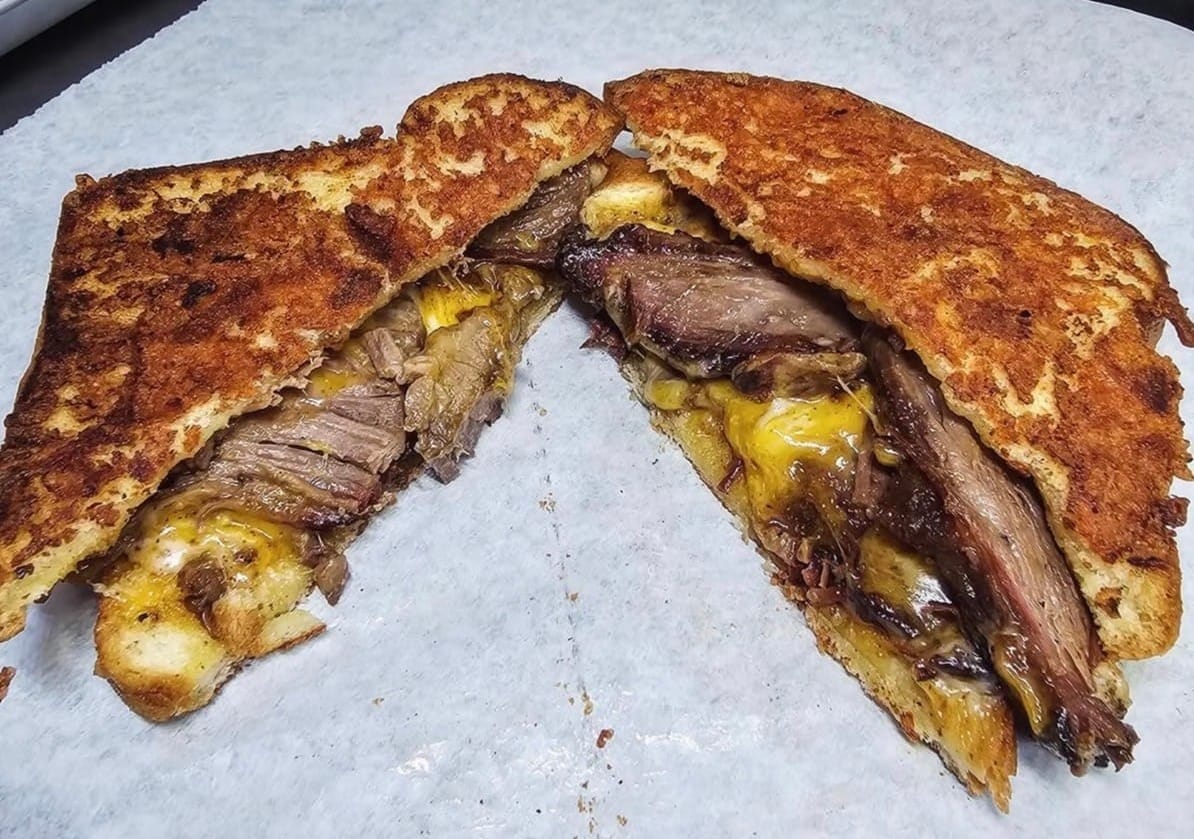
The strategy included limiting the menu to high-quality, high-demand items like chicken, tacos and gourmet grilled cheese, which earned the organization the title of Tucson’s Best Food Truck in 2025.
“I started with a menu that was easy enough for (employees) to cook,” Harmon said. “We simplified it to the point of just a few items so they can get in a routine of knowing how to cook them. We made it as simple as possible while still making it so they have the skills needed to pursue other careers. Some of our staff have gone to get jobs in (other) restaurants.”
The operational framework relies on job rotation rather than fixed placements, exposing workers to multiple aspects of the business.
“When they come in, they start off picking something that brings out their interest,” Laughlin said. “A lot of times they'll start off on prep, but then they won't end up staying there. They'll end up venturing off to work on the sweets truck, working on the food truck, or maybe they're going on the shopping crew that day. They venture off and do tons of things throughout the day.”

For employees with sensory processing difficulties or hearing impairments, working inside a confined space can trigger anxiety. To accommodate different needs, Special Eats established administrative, technical and artistic jobs outside of the kitchen.
One of those roles became the truck’s signature marketing strategy: serving every hot order in an individually stylized, hand-drawn paper bag.
“Coloring bags individually gives the orders a bit of flair,” Harmon said. “We do anything to create more jobs.”
The structured workplace setting has led to behavioral and communication improvements among staff. According to Laughlin, daily social interactions and a stable environment have helped some initially nonverbal employees reach significant milestones.
“We’ve had employees transition to where they are able to speak and communicate without special devices,” Laughlin said. “This becomes home for them. They have a stable environment to thrive in.”
While rapid scaling frequently creates operational friction and high turnover in food service, Special Eats’ expansion has remained resilient due to high employee morale and workforce retention.
“I've had many employees under me, and we're all pretty good at managing it,” Harmon said. “Everybody that has a job with us wants to work. No one's complaining about being at work.”
To follow along on their journey and see their weekly schedule of where they will be serving next, follow Special Eats on Instagram or visit specialeats.org.
Isabel Vidrio is a University of Arizona alum and freelance journalist in Tucson. Contact her at vidrioi@arizona.edu.
Tucson Spotlight is a community-based newsroom that provides paid opportunities for students and rising journalists in Southern Arizona. Please consider supporting our work with a tax-deductible donation.