Free liver scans help Tucson Latinos catch disease early
A University of Arizona program, Nosotros, offers free liver screenings to Southern Arizona's Latino community, targeting a fatty liver disease that disproportionately affects people of Mexican origin.
A walk through the Tanque Verde Swap Meet changed Sylvia Molina's life when she stopped at a University of Arizona booth offering free scans and learned she was on the path to liver disease.
"The student there told me that it looks like I was going to have cirrhosis," said Molina, a 60-year-old of Mexican origin.
Molina received her results on the spot and was able to seek treatment right away, thanks to the liver scan provided by the Nosotros Comprometidos a Su Salud, or Committed to Your Health, program at the UA College of Public Health.
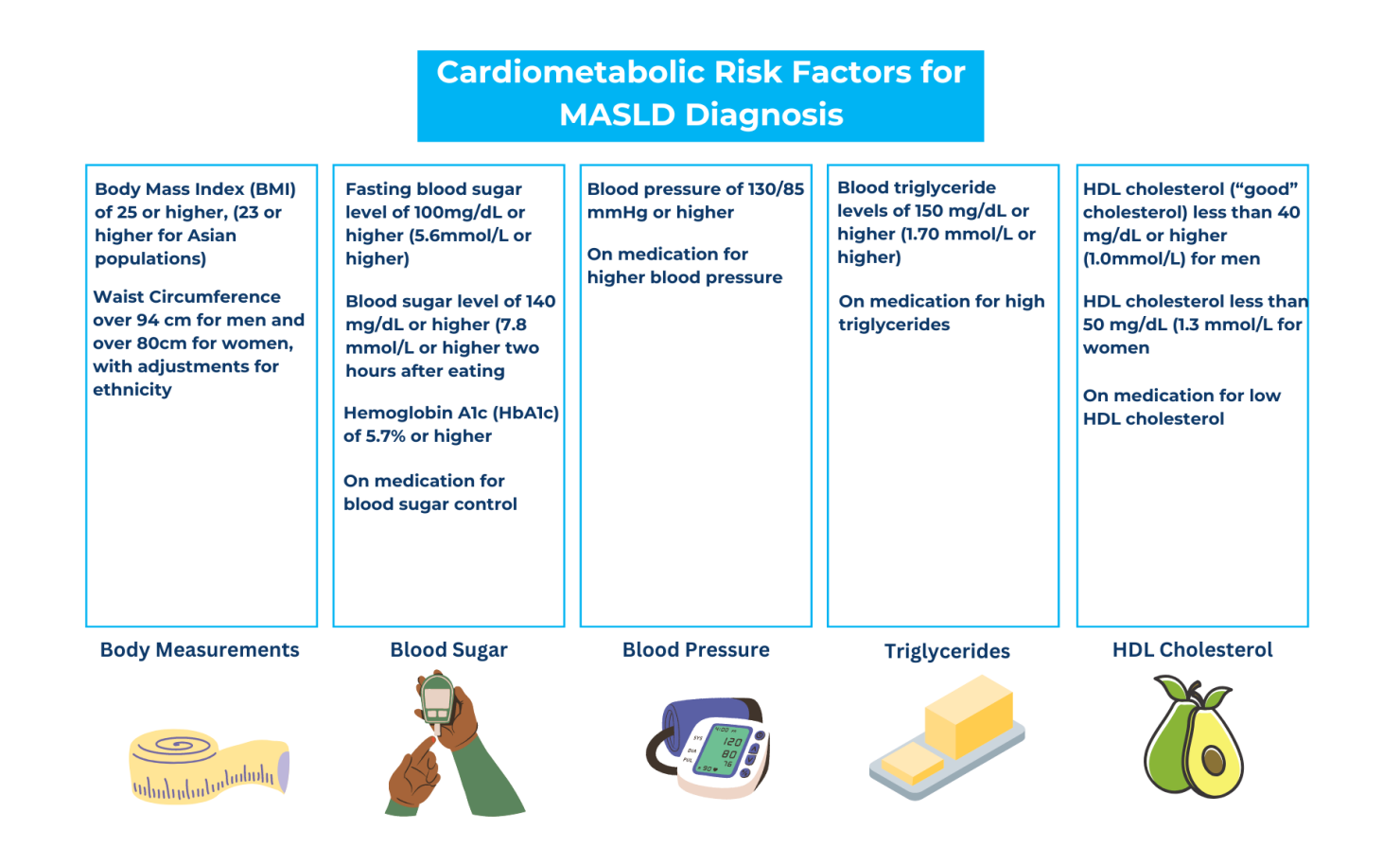
Nosotros addresses health inequities by providing free liver screenings to community members, with no insurance required. The program focuses on a type of liver disease that disproportionately impacts Latinos, Metabolic dysfunction-Associated Steatotic Liver Disease, or MASLD, formerly known as Non-Alcoholic Fatty Liver Disease.
People of Mexican origin may have a genetic predisposition to the development and progression of MASLD, according to a Nosotros study. About 35% of people in North and South America are affected by the disease, the highest prevalence rate of any region in the world, according to a 2022 study.
Nosotros saw a gap in Hispanic and Latino representation in liver disease research. Through community outreach, the program found strong interest in participating among Southern Arizona's Hispanic community, which is predominantly of Mexican origin.
Nosotros completed 1,673 scans in 2023, 70% of which showed abnormal levels of fat in the liver.
More than 90% of people who received results and a brief education on liver health said they felt more motivated to adopt or maintain a healthier lifestyle, according to a Nosotros survey.
Tucson Spotlight trains the next generation of Southern Arizona journalists and publishes their work free for everyone. No paywalls, no corporate backing — just readers who believe this community deserves better local news.
How it works
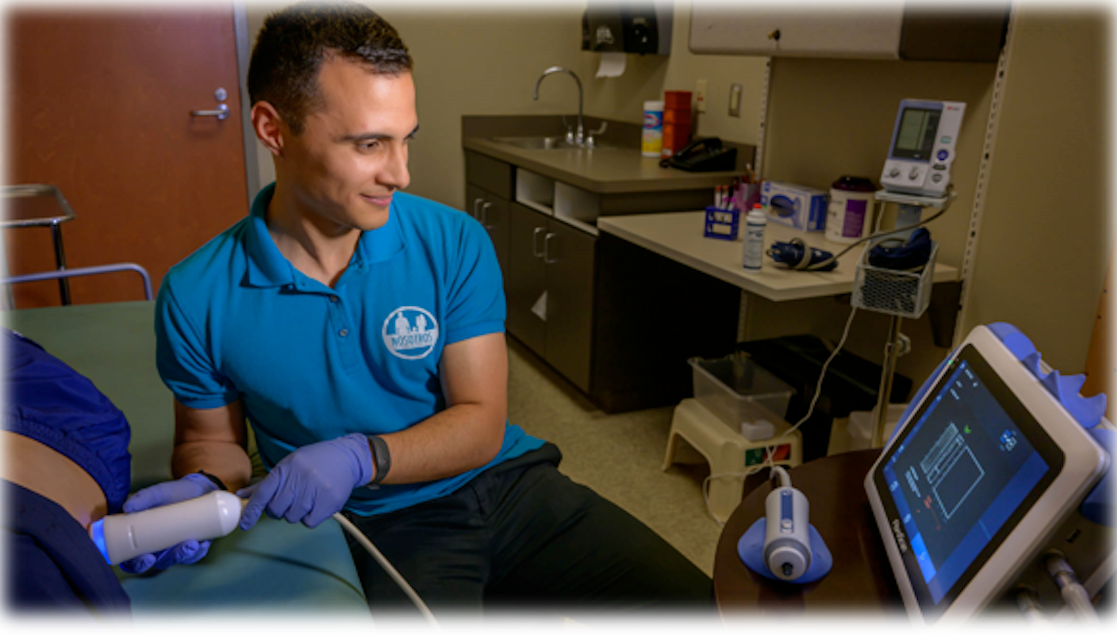
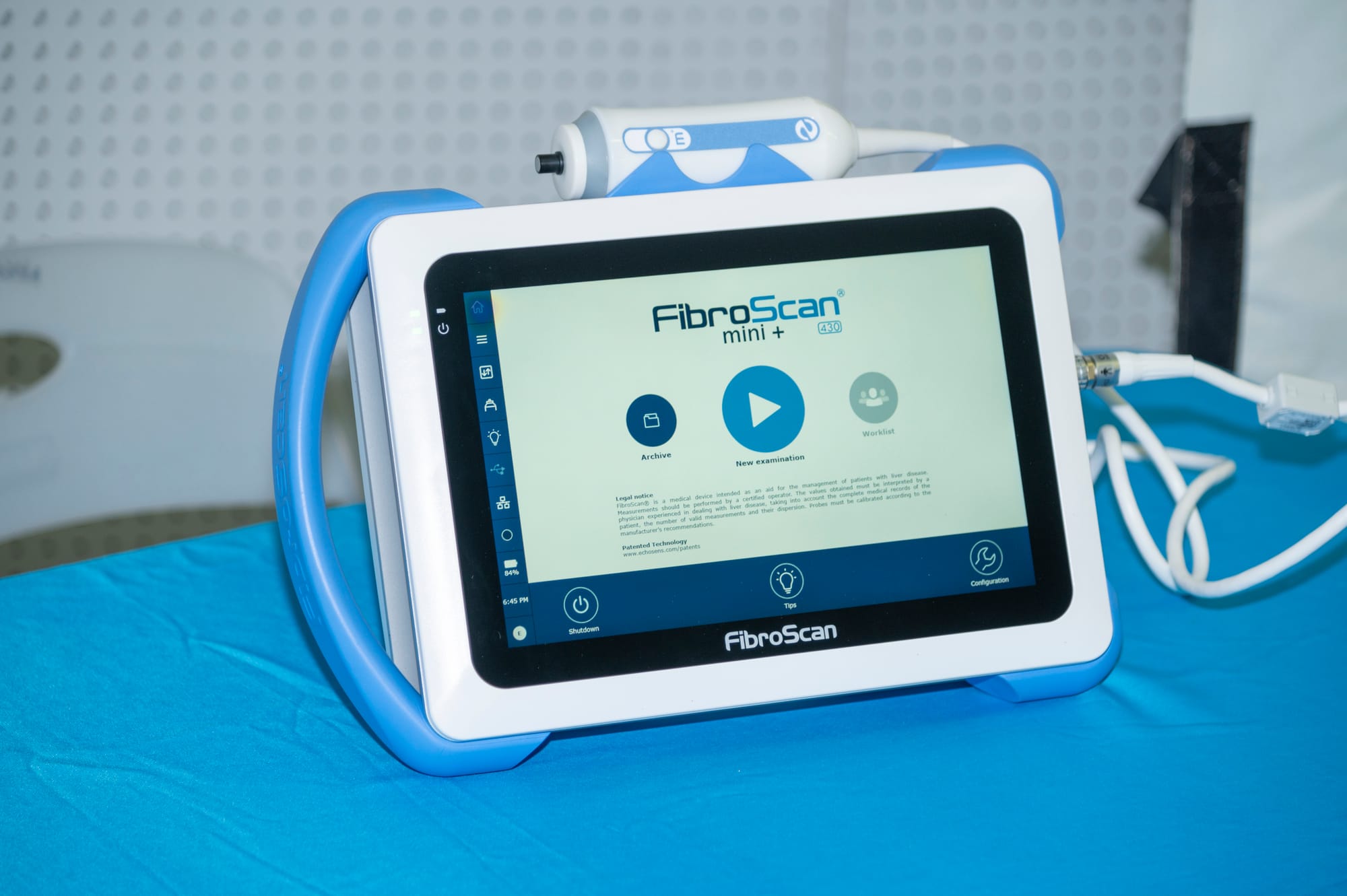
Fibroscan, a noninvasive ultrasound machine, measures levels of fat and scarring of the liver. Nosotros has four Fibroscan machines and has been offering free liver screenings to the community since 2021.
An appointment with Nosotros takes less than 40 minutes, with the actual scan taking under 10 minutes. During their appointment, patients talk with a Nosotros team member about their lifestyle and food choices and fill out a questionnaire before receiving their scan from a trained staff member.
After it's complete, patients receive one-on-one coaching on liver care. The results are immediate and made available to patients to take to their regular providers.
Molina said the process of signing up for a Nosotros appointment was fast and painless. And while she happened to be at an event where Nosotros was tabling, people interested in receiving a scan can fill out a form online to schedule an appointment.
After Molina's scan, the Nosotros team referred her to a free provider to follow up with her results. She said she was in denial at first, not understanding how she could have a fatty liver.
She was overweight, but she wasn't obese and didn't drink alcohol or use drugs. She considered herself a healthy person.
A reversible disease
But cirrhosis isn't always related to alcohol or drug use, said Dr. David Garcia, an associate professor in the School of Health Professions at the Zuckerman College of Public Health.
Cirrhosis, which occurs when excess fat accumulates in the liver throughout a person's life, is an advanced stage of scarring that can result from MASLD or other chronic liver diseases.
"As soon as you are born, everything you eat, drink, breathe is metabolized through your liver. Your liver has 500 essential functions," Garcia said. "It's a very important vital organ."
At first, she was hesitant to contact the provider, afraid of what her results could mean for her lifestyle and for her finances.
"The main word that they used that made me call was that it was free," Molina said. "It's either, you know, buy food, groceries, or get a follow up appointment."
A Fibroscan can cost roughly $200 out of pocket.
And as the cost of medical insurance and services rises, the availability of free or affordable liver scans in impacted communities is increasing.
In addition to Nosotros, Arizona Liver Health offers free initial liver scans, and the east-side medical research facility Del Sol Research Management offers free Fibroscans as part of clinical trials conducted by pharmaceutical companies.
With no FDA-approved pharmaceuticals for this type of liver disease, lifestyle changes are the current recommended treatment.
"We focus on the reversible aspect. If identified early through screening measures, we give people a choice on what lane you take," Garcia said. "You could continue your behaviors and whatever habits and so forth and potentially progress to more advanced disease over 10 to 20 years. Or you could perhaps take door number two, and change your lifestyle behaviors, diet, activity, and weight and so forth."
Choosing a change
Molina chose to cut back on carbohydrate and sugar intake and started to eat more vegetables and protein. She also started being more active by going for walks and hiking Tumamoc Hill.
"I started feeling better. I started feeling lighter because I lost weight. I lost 70 pounds," said Molina, adding that positive feedback from friends also made her feel good.
Molina admits that changing her diet wasn't easy, but she said it was worth it because she wants to continue spending time with her family.
"I love my grandkids, so I want to see them rather than eat the chocolate cake," Molina said.
A year after her first liver scan at the flea market, Molina went back to Nosotros for a follow-up scan. Her results were vastly different, with her numbers decreasing by more than 50%.
Stopping by the Nosotros table was a wake-up call for Molina, who didn't know anything about liver diseases prior to participating in the program. After her diagnosis, she advocates for Nosotros and tells her family, friends and coworkers about its services, saying the program gave her a future.
"It is important to get checked… If you take a family member to get a liver scan, you know, you might be saving their lives," Molina said.
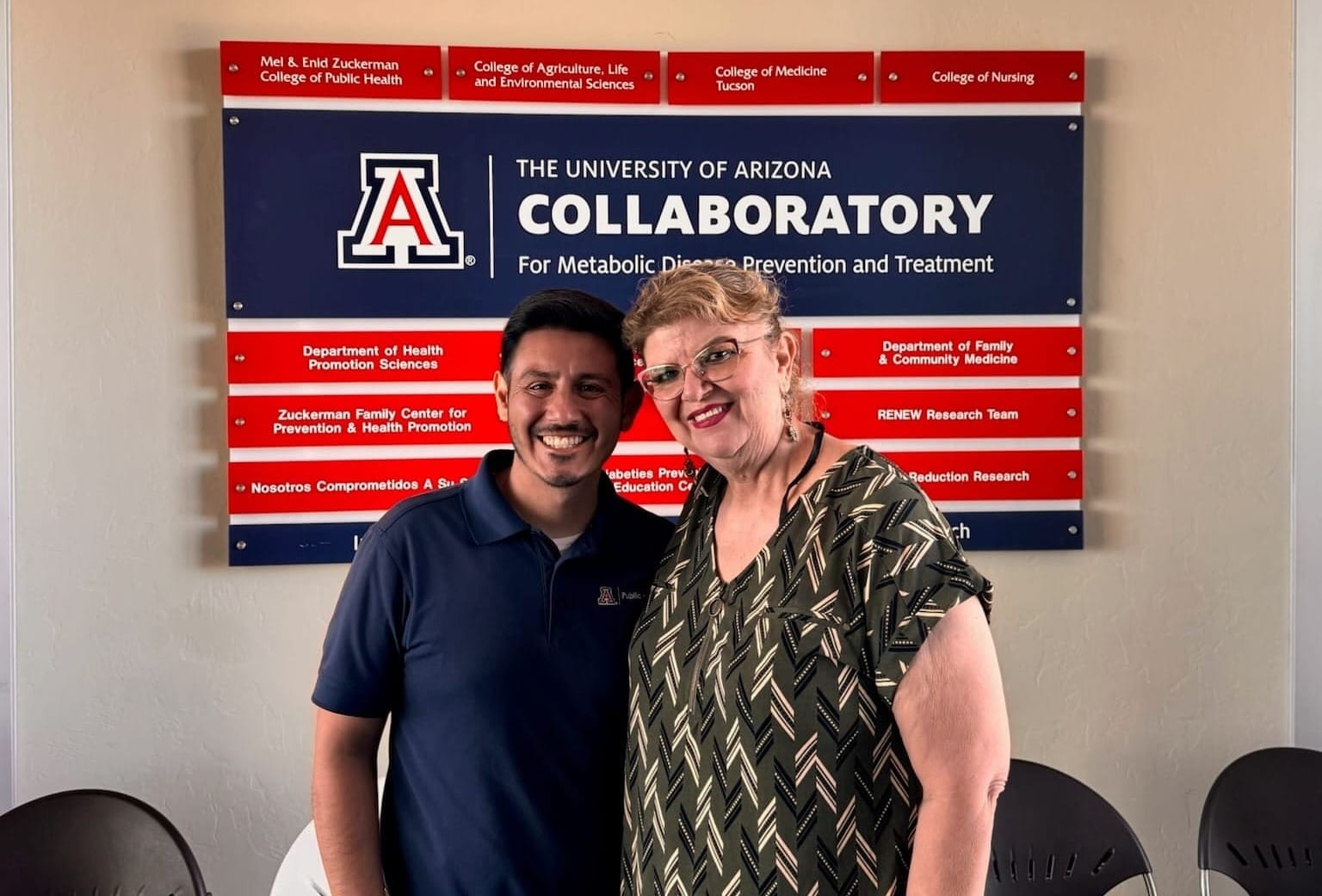
Several years after her first contact with Nosotros, Molina still feels confident in her ability to take control of her life, and whenever she has a chance she talks about Nosotros.
"They can help you, just like they helped me," she said.
From one team to a training ground
Since its start in 2021, Nosotros has grown from a small team of six people to a 25-person staff that includes undergraduate students, volunteers, graduate and PhD students, and full-time staff.
Interns get hands-on experience with research and community outreach, with some undergraduate students who have participated in the program going on to pursue master's degrees and PhDs in public health or medical school.
"(We guide interns) to understanding how responsible conduct of research works, putting the community first and creating good impact by providing, in our case, research and access to services," said Nosotros Research Director Edgar Villavicencio. "For them, whatever they decide to go on their careers, it might look different, but at least, they got an experience with us that they can assimilate to."
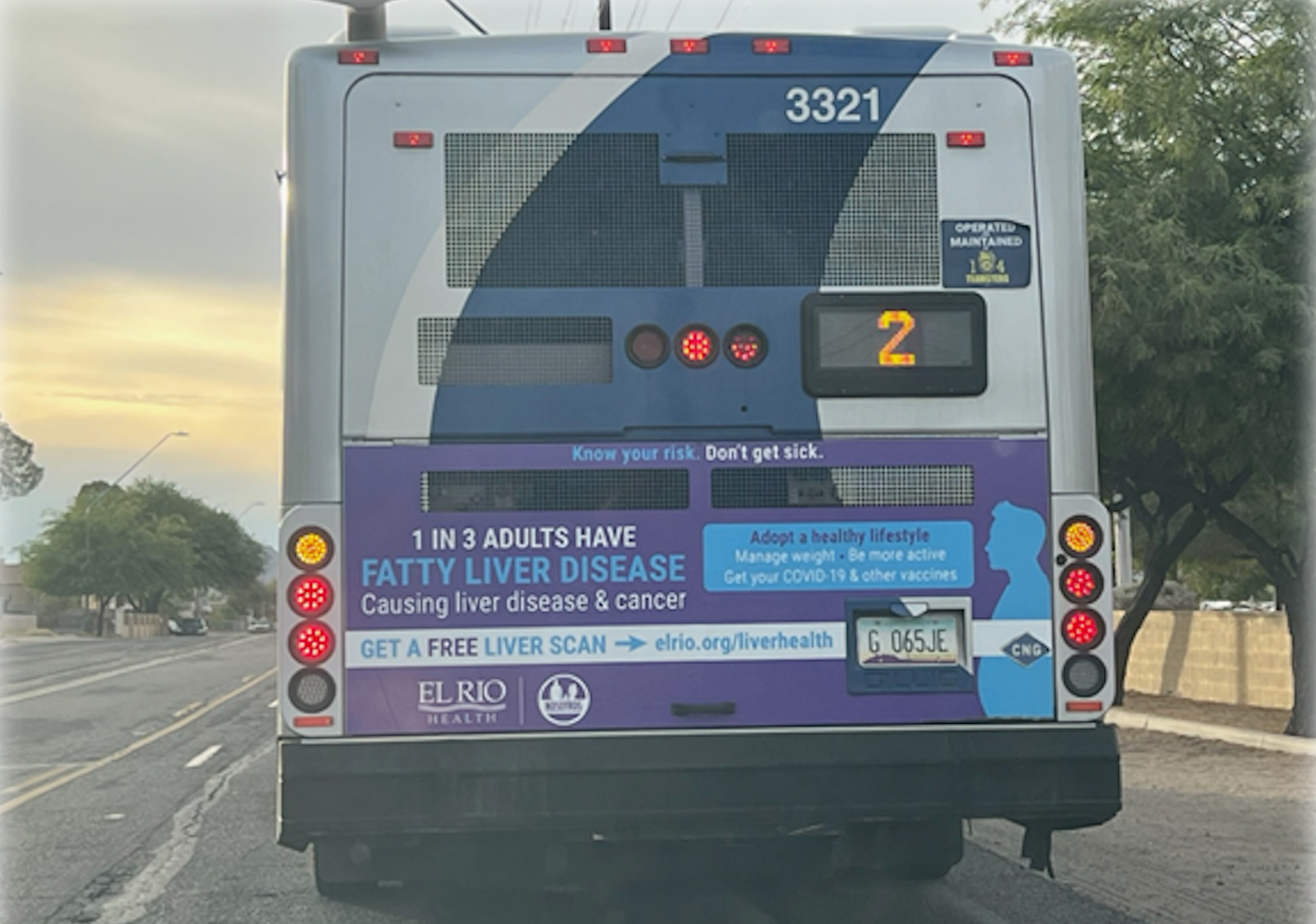
In an effort to spread awareness about liver health, Nosotros partnered with El Rio to create a multichannel bilingual educational campaign to increase awareness and encourage screening. The campaign included ads in local convenience stores, on social media, radio, TV and buses, with all of them directing individuals to the Nosotros research team to schedule an appointment.
As a result of the campaign, 11,743 people visited the study website to learn more about liver health and 1,232 submitted a request for a Fibroscan.
The campaign's success earned Nosotros El Rio's Community Impact Award.
Three of Nosotros' Fibroscans are on the third floor of the Herbert K. Abrams Public Health Center, and one is at El Rio's Cherrybell facility. The Cherrybell location benefits patients who already see their providers there, allowing them to get tested on-site and have their results reviewed the same day, without scheduling a separate follow-up just to discuss them.
Collecting data allows the program to secure more funding and generate studies that allow it to invest back in the community, Villavicencio said.
Funding under threat
But changes under the Trump administration have affected Nosotros' funding, which comes principally from federal grants and donations. The current political climate also seems to have contributed to an increase in patients skipping their appointments, with some people expressing fear of being detained by ICE.
The Nosotros team has made an effort to remind patients their building has security and that they don't need to present any form of identification or proof of legal status during their appointment.
Despite funding cuts, Nosotros continues to provide free scans and educational sessions while contributing to research on the connection between Hispanic people and liver diseases. It publishes papers through the National Institutes of Health and disseminates the information to the community through events and information sessions.
Nosotros plans to expand to other towns in Arizona, envisioning the creation of a roadmap that outlines how other groups can replicate its research model and make it sustainable.
"If I were giving recommendations for academics or anybody trying to do this type of work, it is put good people around you," Garcia said.
Diana Ramos is a University of Arizona alum and Tucson Spotlight reporter. Contact her at diana@tucsonspotlight.org.
Tucson Spotlight is a community-based newsroom that provides paid opportunities for students and rising journalists in Southern Arizona. Please consider supporting our work with a tax-deductible donation.