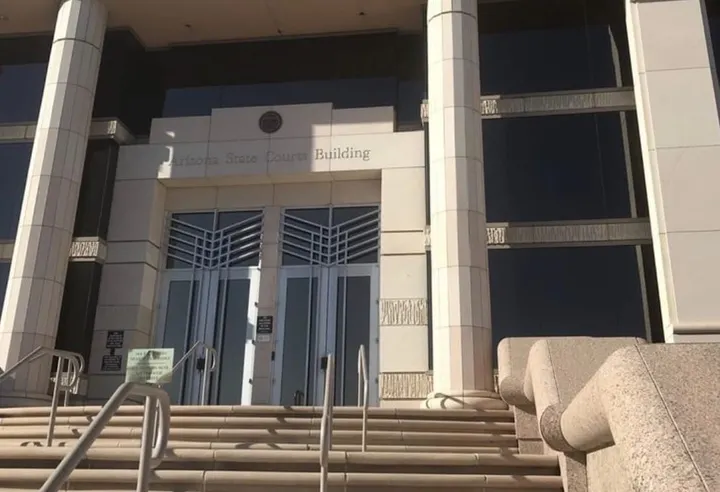
Cochise County families face months-long DES delays
Cochise County residents describe months-long waits, lost paperwork and disconnected calls trying to access SNAP and AHCCCS benefits through Arizona's Department of Economic Security.
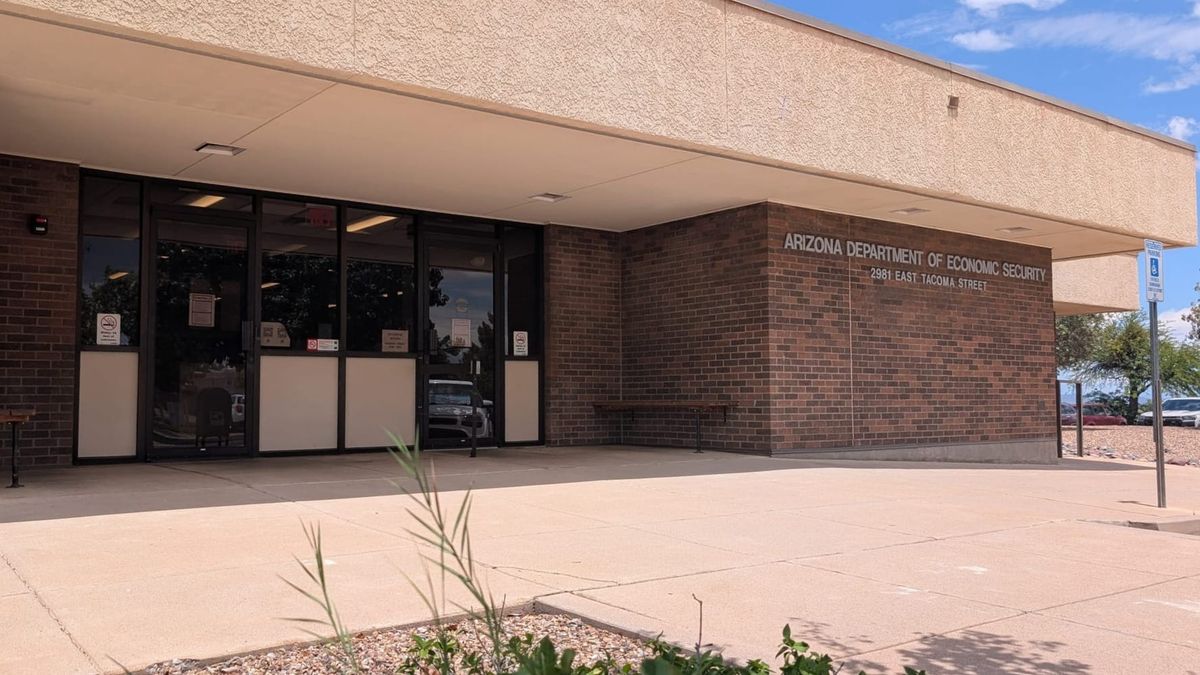
Alison Patterson waited more than three hours on the phone for her mandatory SNAP interview, only to be disconnected. She doesn't drive, so getting to Sierra Vista's DES office in person meant finding someone to take her, on what she says was the last possible day to get the interview done.
Patterson is one of several Cochise County residents who told Tucson Spotlight they've waited months for food and medical assistance benefits, describing lost paperwork, disconnected calls and delays that stretch far beyond the state's 30-day policy.
These obstacles are hindering residents from receiving services, resulting in food insecurity, lack of access to health care and more.
The Arizona Department of Economic Security acknowledges the strain residents are feeling.
"We are navigating the biggest disruption to federal nutrition assistance in decades," DES spokesman Brett Bezio said in an email.
Gov. Katie Hobbs announced $7.5 million in December to reduce SNAP and unemployment insurance wait times by adding temporary staff, expanding vendor capacity, continuing overtime for eligibility workers and improving technology for processing and payment accuracy.
Bezio said the funds have allowed DES to expand its staffing ability to include overtime and weekends.
"Additionally, we established a public-private partnership just this month to increase call center capabilities," Bezio said. "DES (also) launched a new call-back feature that prioritizes applicants who are close to their interview date."
Bezio said he expects the changes to lead to improvements in application processing times.
But several people who spoke with Tucson Spotlight, including Patterson, said they were disconnected after holding for hours on the mandatory DES application interview line.
"I have not been able to get them on the phone to do an interview," Patterson said while standing outside the DES office. "I'm finally coming here on the last day to get it done."
Share Tucson Spotlight with a friend. Every signup earns you a raffle entry to win a gift card to a local Tucson favorite. Four winners drawn August 1.
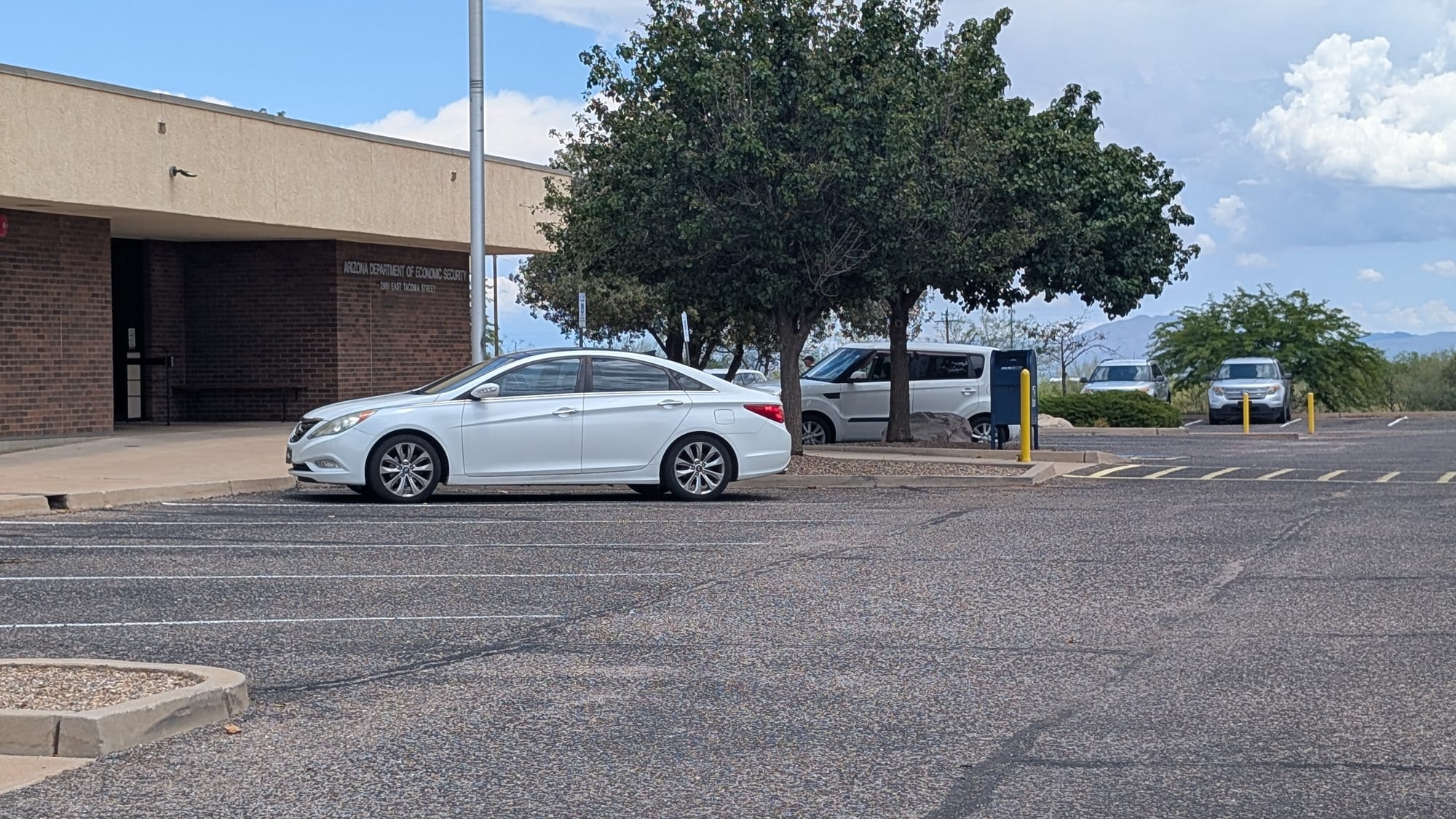
Patterson, holding up a cane, said she does not drive and finding transportation has been a hardship.
While Bezio says the offices are working toward a "more service-oriented lobby model," interviews are primarily conducted over the phone.
"Online options like Health-e-Arizona Plus and MyFamilyBenefits allow clients to submit applications and documents from the comfort of their home, eliminating the need to visit a local office," he said.
This feature has been available for years, but it doesn't address failed call-backs or stalled applications.
For many, coming to the office is a significant obstacle. Lost pay or limited PTO, transportation issues and caregiving requirements all hinder their ability to meet DES deadlines.
Ariana Tovar, a mother of three, said she has been waiting since April for her SNAP and AHCCCS renewal, adding that the lapse has been especially difficult due to her 3-year-old son Luekimia's treatments in Tucson.
Without SNAP, she's struggled to prepare meals for her son. She's turned to charities to help feed her family.
"If it wasn't for having … cancer foundations and the help that they give up there, it would definitely be a problem for me," she said.
Reduced SNAP benefits combined with the rising cost of groceries have exacerbated the struggle for many families.
Bezio said it's not within DES' purview to adjust benefit rates.
"We are committed to working with our community partners to collectively fight food insecurity within our state," Bezio said.
Community members in need can find support through local food banks and state programs including the Senior Farmers Market Nutrition Program, Women, Infants and Children, and the SUN Bucks Summer Electronic Benefit Transfer program. Bezio also pointed to the state's utility and employment services.
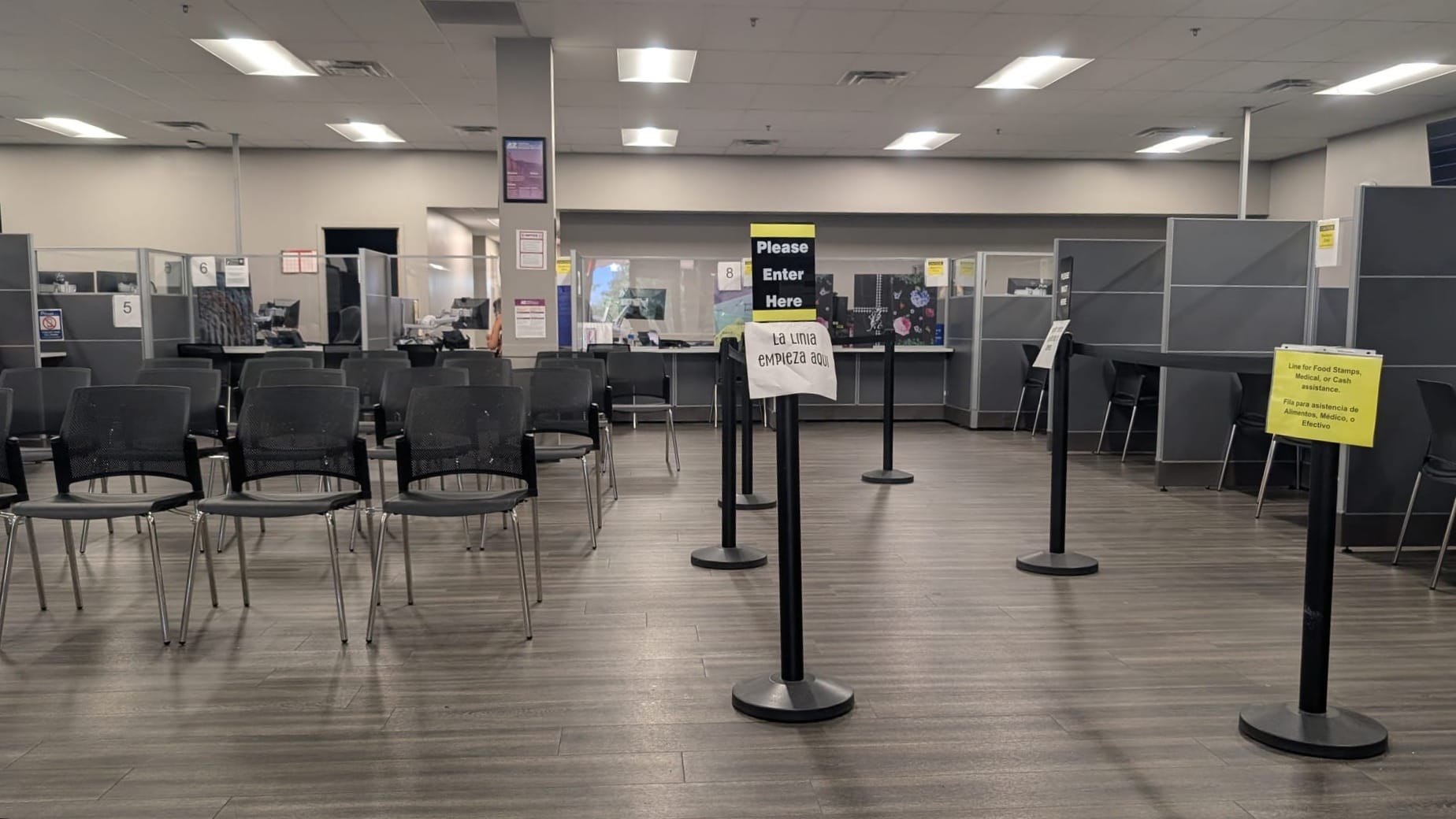
But many of the applicants have skilled jobs and are still unable to make ends meet.
Single mother Lilliana Dominguez said she waited more than four months for her benefits to be renewed, resulting in her skipping meals while breastfeeding and leaving a lasting effect on her eating habits.
Dominguez has worked as a medical assistant for the last 22 years, but her salary isn't enough to feed her family. Her current nightmare began in January, when it was time to renew her AHCCCS coverage.
Dominguez's 13-month-old caught pneumonia and was hospitalized in March, but her coverage was apparently not in effect, despite having submitted her paperwork.
DES told her it had no record of her submission, but Dominguez found proof of the submitted documents.
She said that wasn't the only time DES lost her paperwork, and her account was also flagged for an audit, extending the wait time for her to receive help.
At each juncture, DES said it would call her back in "1-2 weeks," but Dominguez said she received no calls or communication during the waiting periods, resulting in her missing work to make trips to the local office.
In the meantime, she was receiving plenty of calls from the hospital to pay for her son's stay.
The result was four months of hunger and countless phone calls from the hospital for a bill she says should have been covered by the state.
"(It was) very stressful. Sometimes I would get very depressed, having them tell me 'Oh someone will call you in one to two weeks' then being on the lookout for something," Dominguez said. "It was like being hopeful that I was going to get taken care of. It was mentally exhausting."
Dominguez's family AHCCCS and food stamps have since been restored, but the food insecurity remains.
"It's currently $300 for three people. I plan for every week to spend $50, but I go to the grocery store and I've already spent $75, $80," Dominguez said. "I'm not buying (junk) either, just the basics, milk, eggs, bread."
The reduced benefits mean she still has to seek help from food banks.
"The costs are just so high now, it definitely doesn't go that far," Dominguez said.
The months of not knowing when she'd have her next meal have left a lasting impact on Dominguez, who is still breastfeeding.
"Because I did not know when I was going to eat again, I will eat until I get sick when I am at a friend's place or something like that," Dominguez said, adding that she's also worried about whether her daughter fears not knowing where the next meal will come from.
For one Cochise County resident, the obstacles became too much.
Peggy Hill, 66, applied for SNAP benefits after a kidney transplant last year, only to be denied before reaching the interview stage.
Hill said DES told her the denial was due to the new work requirement, though she says her medical records show she is permanently unable to work.
"I'm tired of the games they play," Hill said. "If it weren't for my Social Security, I would be homeless."
Bezio pointed to several "administrative hurdles" that have led to high call volumes and barriers for applicants.
Bezio said H.R. 1, the federal budget reconciliation law also known as the One Big Beautiful Bill Act, drastically changed SNAP eligibility and administration in July 2025, imposing strict new documentation and verification requirements on an already complex program.
He added that the government shutdown at the end of 2025 "exacerbated the situation," and said DES is trying to balance federal mandates for quality and timeliness while avoiding fiscal penalties that taxpayers would otherwise bear.
For residents like Hill, Dominguez and Patterson, that balancing act has come at a steep personal cost, one they say continues long after their benefits are finally restored.
Katherine Martinez is a a Kickapoo-Potawatomi Native majoring in journalism at the University of Arizona and Tucson Spotlight intern. Contact her at martinezk29@arizona.edu.
Tucson Spotlight is a community-based newsroom that provides paid opportunities for students and rising journalists in Southern Arizona. Please consider supporting our work with a tax-deductible donation.