Tucson students use music to heal and connect
Three University of Arizona music students are using song to bridge language barriers, support memory and ease age-related stress among residents at Tucson's St. Luke's Home senior living community.
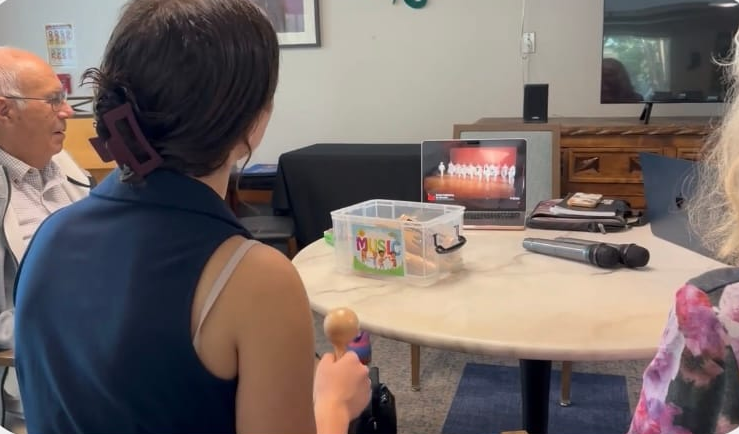
Three University of Arizona music students are using song to bridge language barriers, ease memory loss and build unexpected friendships among Tucson's elderly, and they brought their work to the TENWEST festival to share it.
The Music and Health Story Lab Workshop was created by Jennie Gubner, assistant professor of ethnomusicology in the University of Arizona School of Music and chair of the Applied Intercultural Arts Research Graduate Interdisciplinary Program.
The workshop explored how music and storytelling can support mental health and memory, particularly in older adults and included projects by students Elena Periclos, Alivia Alexander and Taryn Mayer.
Mayer is graduating in May with a bachelor’s degree in music and will be pursuing a master’s in applied intercultural arts research. She told attendees about the process of curating her original musical called “Feral Season.”
Mayer and Alexander both host workshops at the senior living community St. Luke’s Home, providing services that support residents’ mental and physical health and social and emotional well-being.
Alexander's project involved leading workshops to support residents' memory and mental health through music. The group gathered for about an hour, playing small instruments like tambourines, maracas and bells. Alexander guided them through writing lyrics by asking about meaningful memories and stories.
The workshop presented an immediate challenge: one couple spoke only Spanish, while another participant spoke only English.
Music, it turned out, needed no translation.
“It brought a sense of connection,” she said. “Very different people can come together.”
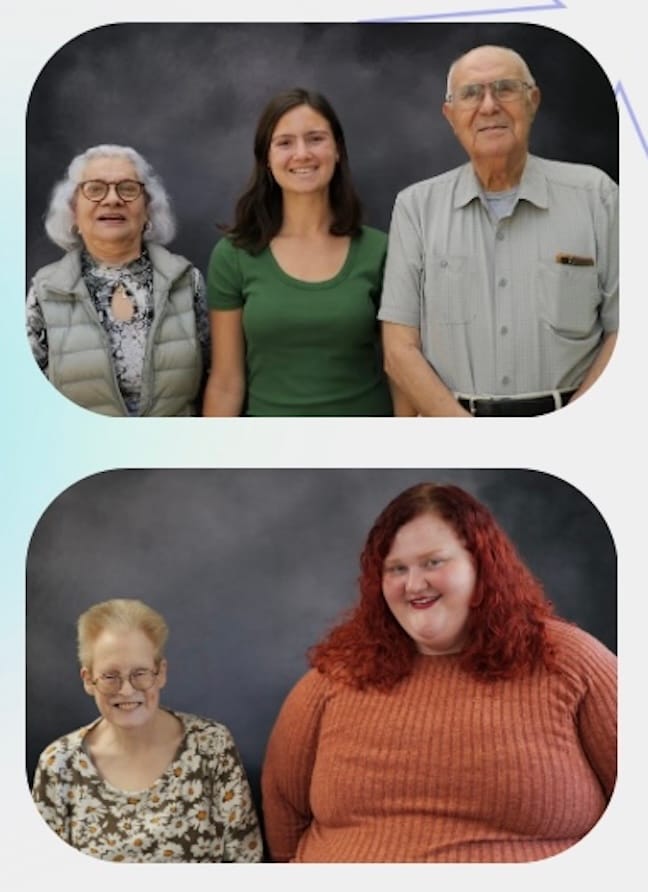
Sharing music from each other's cultures helped the group find common ground. Alexander said that when members described the memories and emotions a song stirred in them, they discovered they had more in common than they expected.
Together the group wrote a song in English and Spanish, combining the two cultures and accompanied by Alexander’s ukulele.
Beyond connection, Alexander said she noticed music easing age-related stress, with participants visibly shifting in mood and attitude over the course of the workshops.
The panelists continue to volunteer at St. Luke's Home, with Mayer noting that many of the workshop participants enjoy performing and singing for other residents, often the original songs they created in the workshops.
“I think it’s been really important for them to have this creative outlet,” said Mayer.
After talking about their projects, students polled attendees about their favorite type of music and past musical experiences.
Many said that music made them feel “encapsulated” and brought an “inner peace.”
One attendee said music is “something to take the mind off things going on in this world.”
Another attendee shared a story about attending a concert with her mom, saying the experience brought them closer.
Several attendees said music had helped them forge new friendships and deepen existing ones, whether through workshops, concerts or folk festivals.
Emma Diaz is a University of Arizona alum and freelance journalist based in Tucson.
Tucson Spotlight is a community-based newsroom that provides paid opportunities for students and rising journalists in Southern Arizona. Please consider supporting our work with a tax-deductible donation.