UA panel honors activist Lorraine Lee’s legacy
A University of Arizona panel honors Lorraine Lee’s legacy of environmental justice, education advocacy and Latino community empowerment in Tucson.
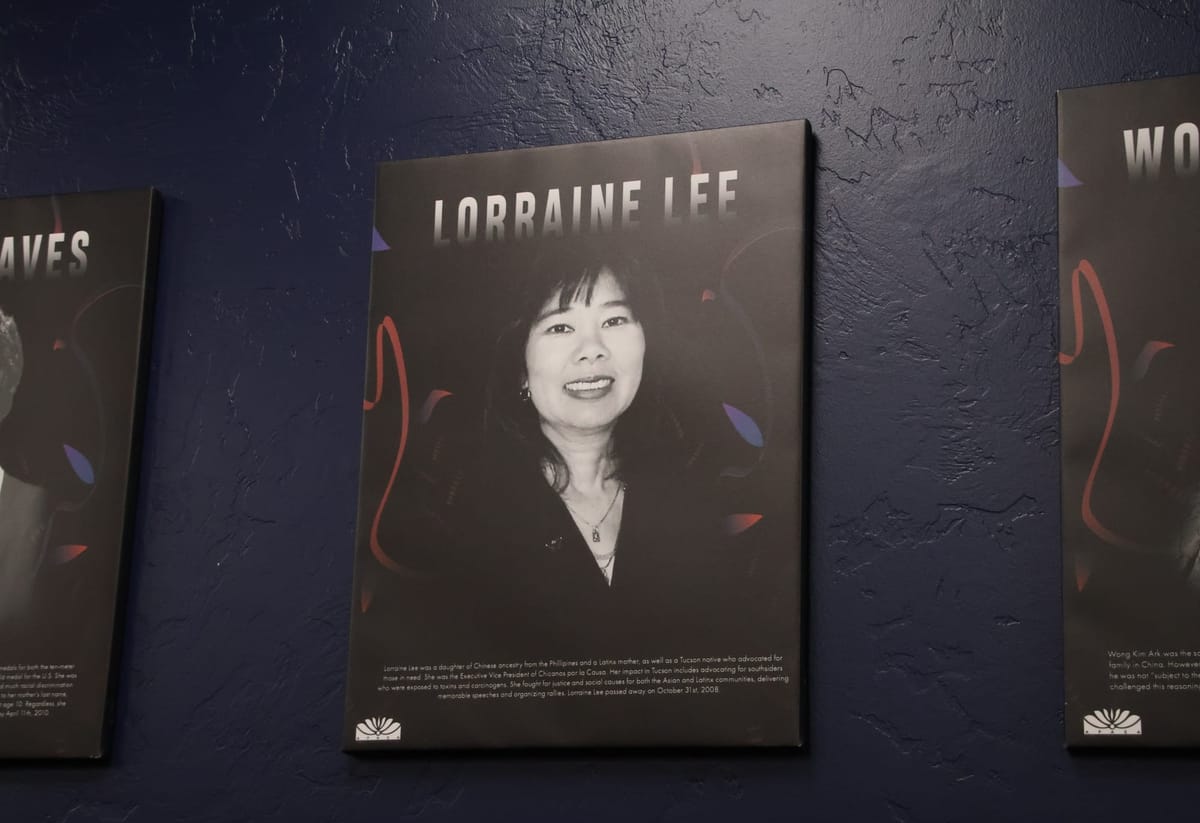
Beneath the sweeping concrete arches of the University of Arizona’s Women’s Plaza of Honor, Lorraine Lee’s name is etched in stone, but her legacy lives far beyond it.
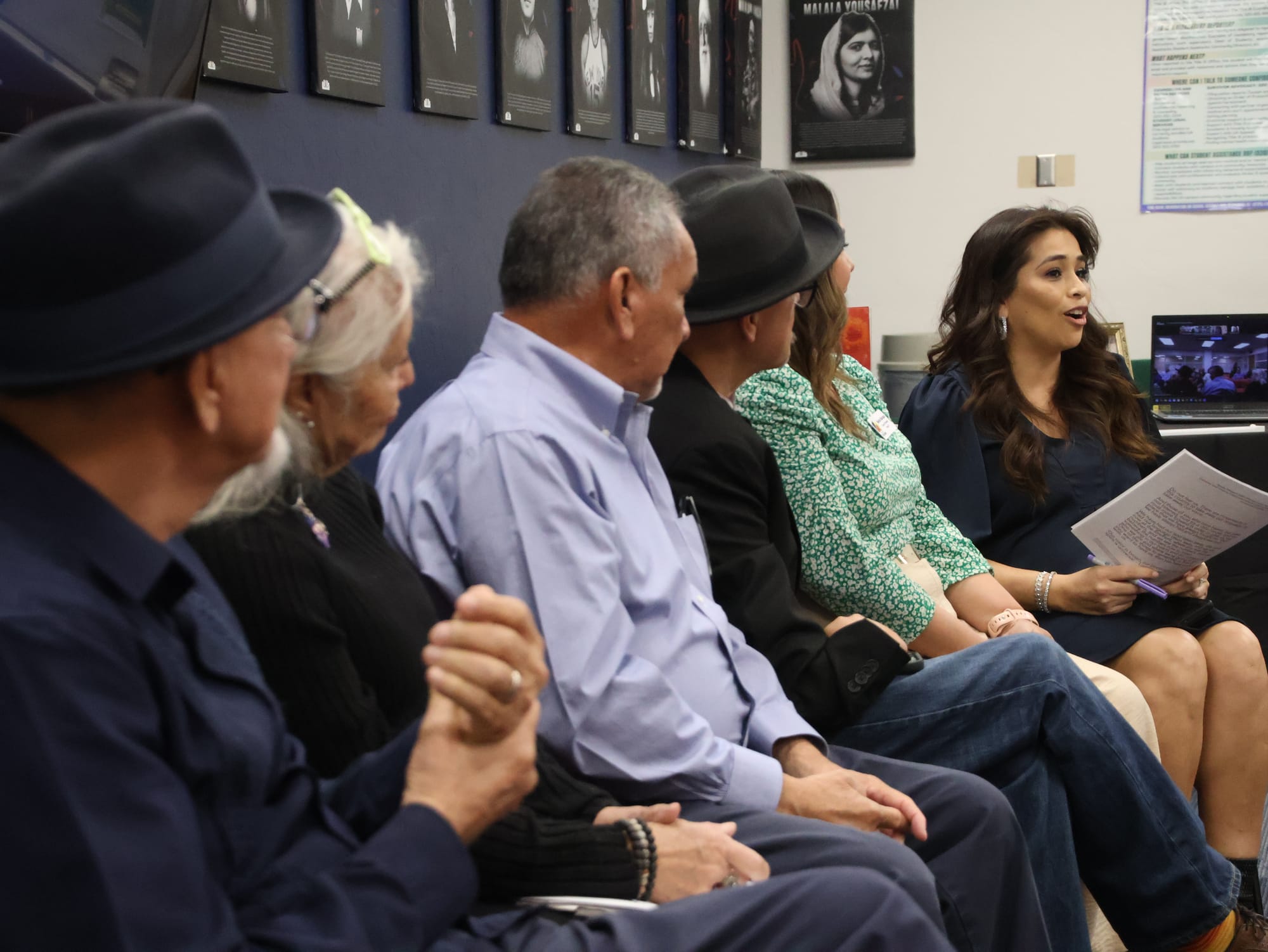
At a recent campus panel, family members, former students and community leaders gathered to remember the Southside activist whose work in education, environmental justice and Latino empowerment reshaped Tucson.
Through stories of migration, mentorship and movement-building, “Spaces for Solidarity: Honoring Lorraine Lee” traced how one woman’s fierce advocacy continues to plant seeds of leadership in a new generation.
Funded by the University of Arizona’s Campus Sustainability Fund, “Spaces for Solidarity” is a three-part program with a goal of supporting and strengthening student well-being and resilience by fostering connections to nature and to local activist histories that intertwine environmental and social justice movements.
As part of the program, organizers hosted a hike on the Tucson Mountain Park trail named in Lorraine Lee’s honor over the weekend and are hoping to install a commemorative piece at the Lotus Lounge Student Space in May.
“(We’re) really grateful for all the folks that have supported our work and to be able to develop this program to introduce Lorraine, her life and her legacy to the next generation of students that we're engaging with, and to bring that spirit of organizing, leading and building community from where you are,” said Kenny Wong, a lecturer in the School of Landscape Architecture and Planning.
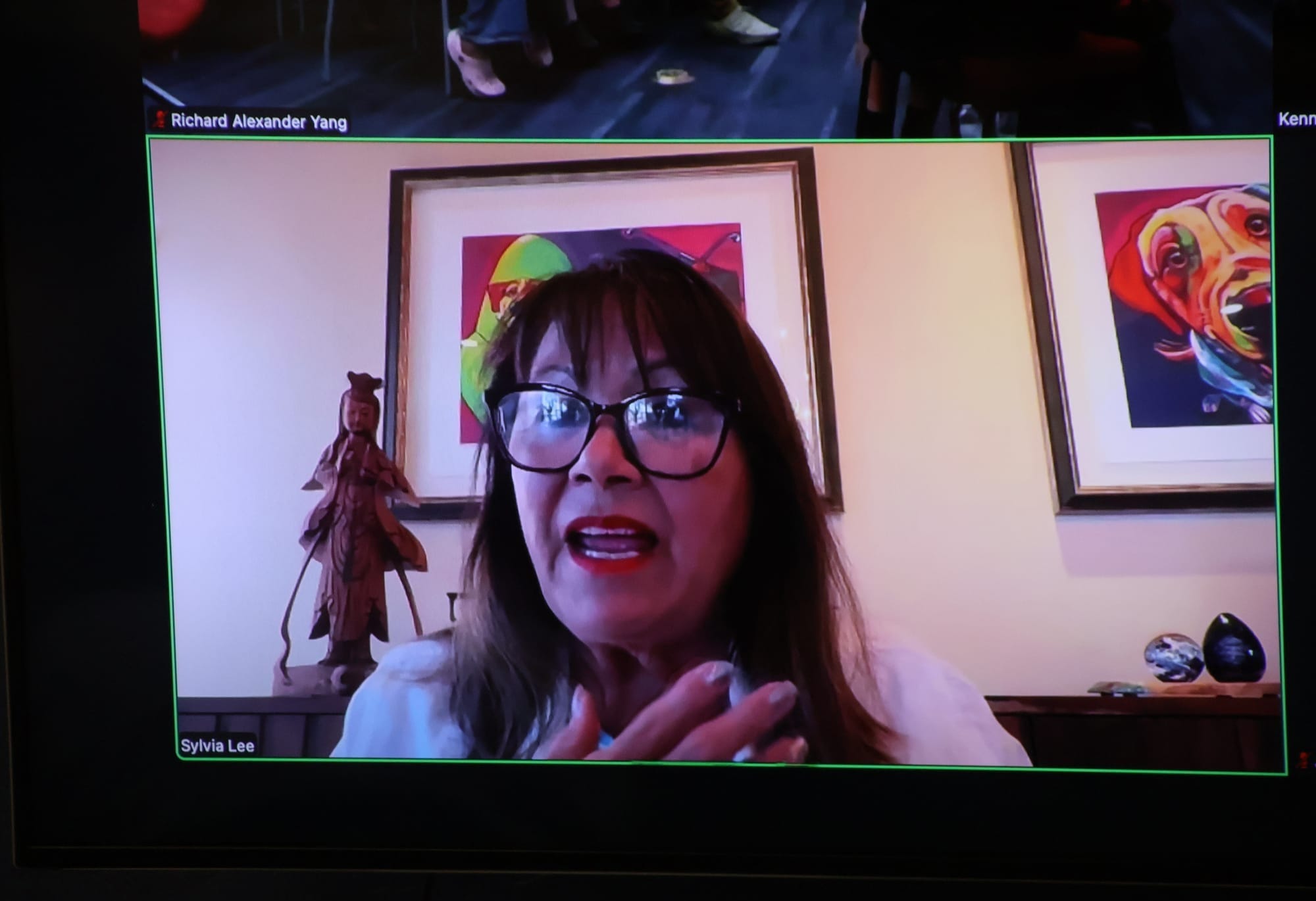
The panel was held at the UA’s Lotus Lounge and included opening remarks by Dr. Sylvia Lee, Lorraine Lee’s cousin.
Sylvia Lee spoke about the family’s history, telling attendees that Lorraine Lee’s great-grandmother, Lai Ngan, was one of the first Chinese women to immigrate to the United States in the late 1800s.
Ngan and her husband, Lee Kuan, settled in Mexico during a period of significant gold and silver rushes. Kuan later left the family to seek work in a mine in Hermosillo, taking Percy Lee — Lorraine and Sylvia Lee’s grandfather — with him. Percy was about 4 years old at the time.
“Lai Ngan got very concerned and took the other two little girls to look for him,” said Sylvia Lee. “Now, keep in mind, in those days, the railroad wasn't even around. (Lai Ngan) only knew Cantonese, she barely knew any English, no Spanish. She got in a boat with these two little girls, went across Mexico (and) found Lee Kuan and Percy.”
But with Chinese families in Mexico facing increasing discrimination, the family was forced to migrate north.
“They ended up fleeing Hermosillo to Nogales, Sonora, and then came across to Nogales, Arizona,” Sylvia Lee said.
Kuan later died, after which Ngan remarried Tom Wu and settled in Tucson’s Southside barrio, an area historically known for its Chinese-owned grocery stores.
As an adult, Percy Lee returned to his hometown of San Francisco in the early 1900s in search of work. Fluent in Spanish, he later accepted a job on a coconut farm in the Philippines, where he met his wife, Concepcion Co. The couple had seven children, including Ricardo Lee, Lorraine Lee’s father.
During World War II, the family escaped to the mountains after Japanese forces invaded the Philippines, remaining there for roughly four years. They stayed in hiding until 1945, when American troops liberated the country and the war ended, after which the family immigrated to Tucson. There, Ricardo Lee married Delia Cinco, and the couple settled at the corner of South Sixth Avenue and Irvington.
Lorraine Lee was the middle of three children.
That history of migration, resilience and community-building would later shape Lorraine Lee’s own commitment to advocacy in Tucson.
The panel was led by Arizona Mountain Mamas Program Manager Cassandra Becerra, who worked for the late congressman Raúl Grijalva.
“There are only three women I'm afraid of,” Becerra said, quoting Grijalva. “My wife, Nancy Pelosi and Lorraine Lee.”
Becerra read from one of Grijalva’s speeches delivered at Lorraine Lee’s alma mater, Pueblo High School, highlighting her advocacy for education.
“Lorraine defended her school with a sense of vision and reality,” Becerra said. “She said her vision was that, with time, the school would become transformational … Personal growth, leadership and a sense of shared responsibility for our community and our people.”
Alonzo Morado, Lorraine Lee’s husband, shared one of his core memories of his late wife.
“One time we were making some food, but Lorraine and I had been in an argument, and so she asked me to go buy some meat,” Morado said. “I bought this roast, and she looked at it, and she looked up, and she threw it on the floor. It wasn't what she wanted.”
While those close to her remembered her strong personality at home, Lorraine Lee’s drive was equally evident in her public life.
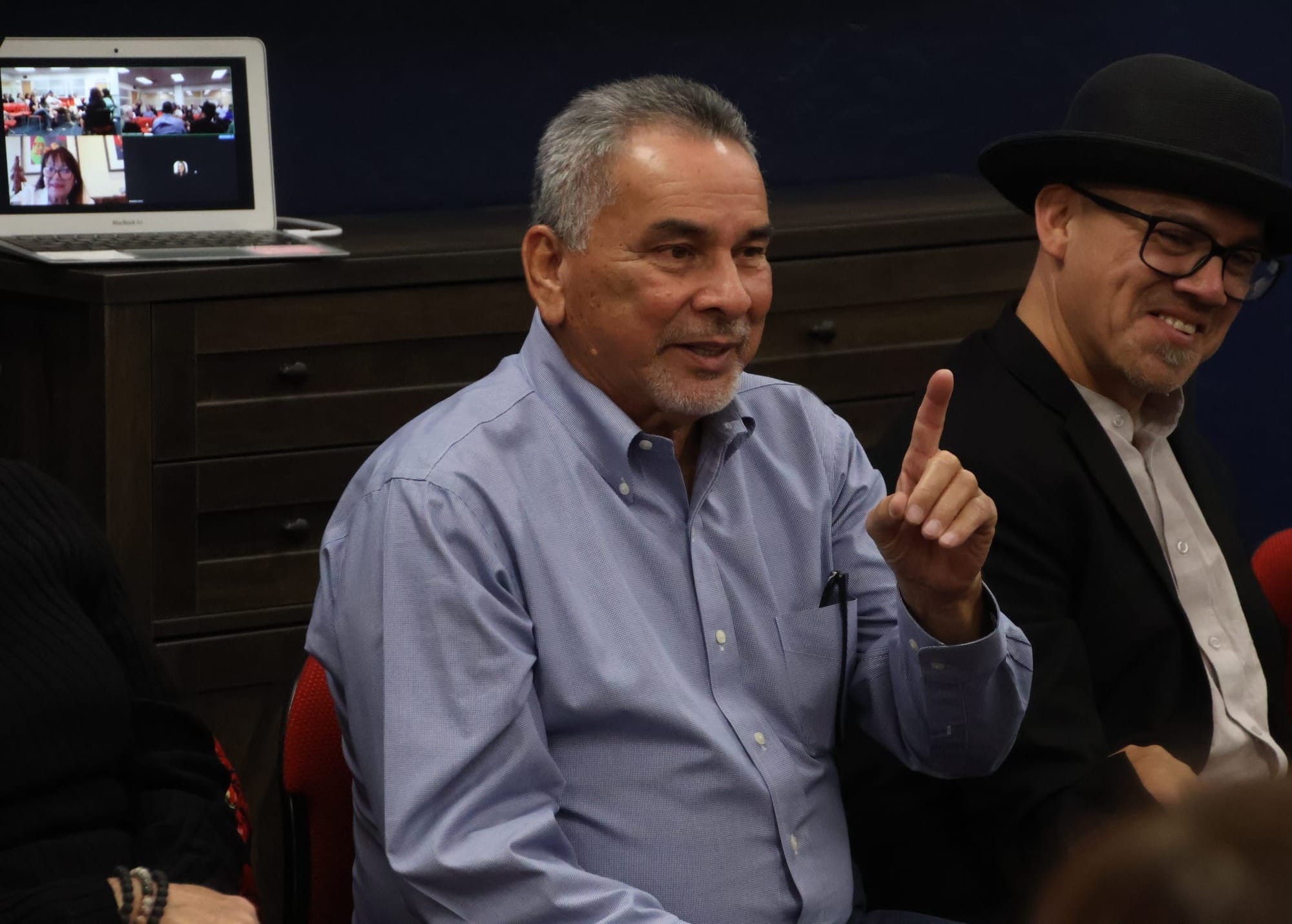
Morado and Lorraine Lee met through their involvement with MECHA, an activist group established by the Chicano movement to empower marginalized students through education and political actions. He said that although the couple argued, they were united by their advocacy for those in need.
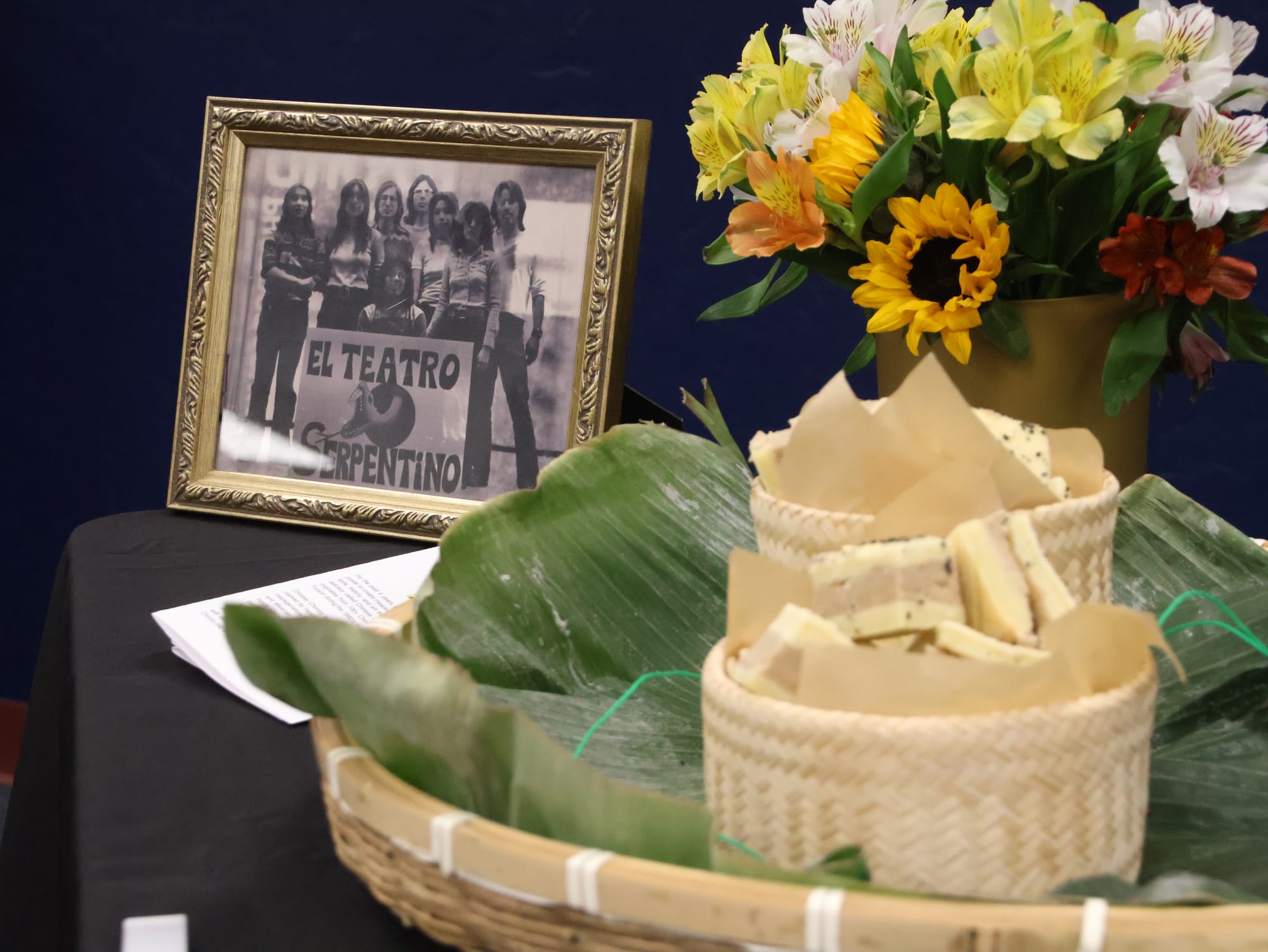
Raul Aguirre, CEO and president of REA Media, was friends with Lorraine Lee throughout high school and college, recalling their collaboration through MECHA and Teatro Libertad and the time when Lorraine ran for student body president.
“I remember talking to her, I go, ‘Hey, before you leave, start talking Spanish so you can get all the votes you need.’ So there she is, she was like, ‘I want to do this, and I want to do that … y saben qué? A todos ustedesーAAAAAA!” Aguirre said, expressing the students’ excitement with Lorraine Lee speaking Spanish.
After earning her bachelor’s degree in psychology from the University of Arizona, Lorraine Lee went on to complete a master’s degree in urban planning at UCLA. She later returned to Tucson to begin her advocacy work with Chicanos Por La Causa, where she eventually became executive vice president.
There, Lorraine Lee established an affordable housing construction company, three charter schools to increase access to education for youth, and a youth leadership development program.
Selina Barajas, the recently elected Ward 5 Tucson City Council member, was one of Lorraine Lee’s mentees. She told attendees that she had long heard about Lorraine’s work from her mother, Gracie Rodriguez, who attended high school with her.
“She would talk to me about her and how powerful she is, and how much she's doing in the community at a very young age,” Barajas said. “I knew that Lorraine was a powerful human here, not just for Tucson, but for our whole region.”
While struggling during her undergraduate years, Barajas volunteered with CPLC’s youth program, where she mentored elementary school students.
“I felt very seen by her,” Barajas said. “I didn't know what I was doing, but whatever Lorraine would tell me to do, I would make sure to execute it times 10, because I saw how hard she was working for our community.”
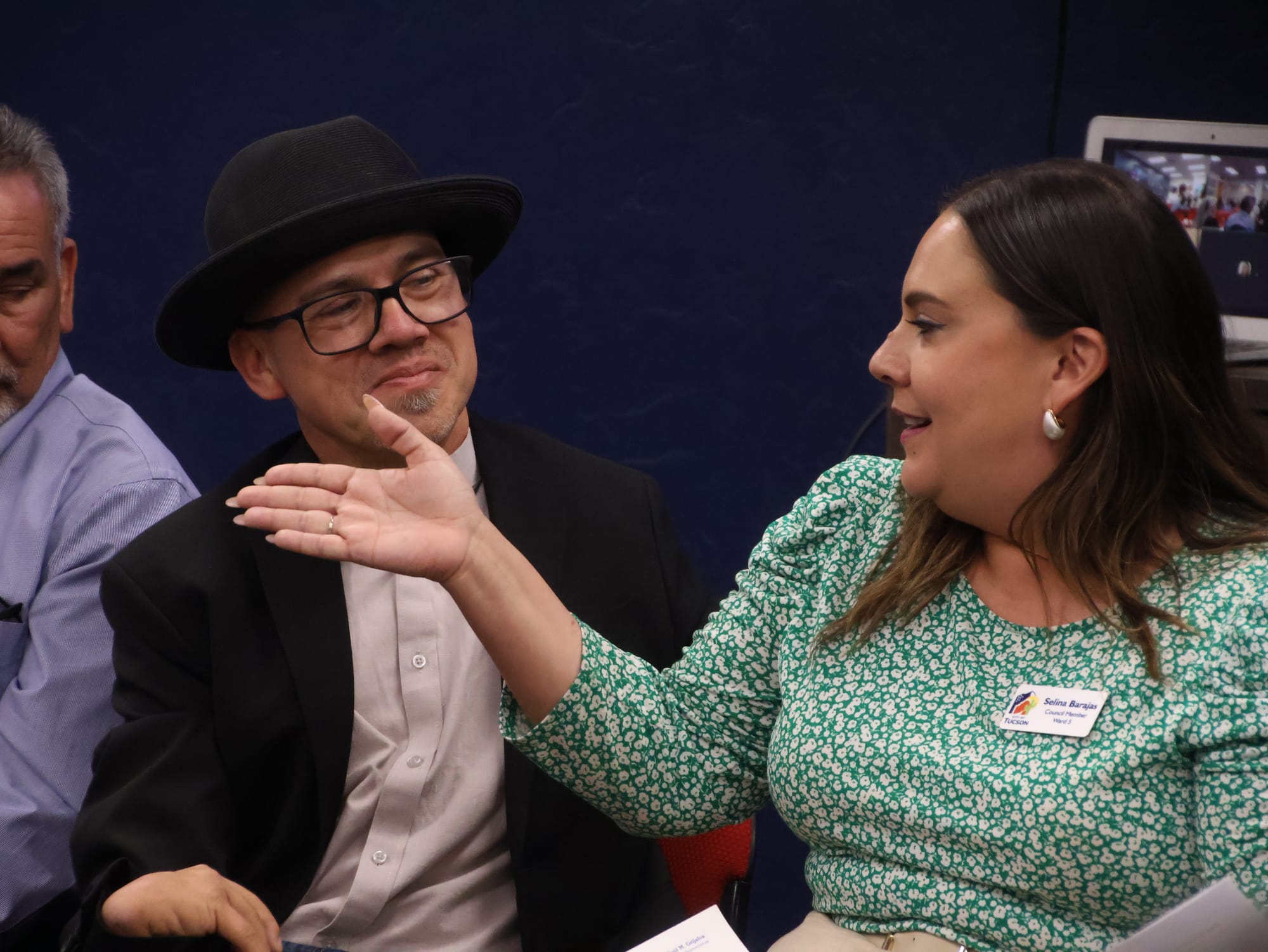
Lorraine Lee pushed Barajas to pursue a degree in urban planning at UCLA.
“I didn't make the program, and I was so bummed out,” Barajas said. “I went to Lorraine. She's like, ‘Reapply, and I'm gonna help you get in.’”
Barajas found support in UCLA professor Dr. Leo Estrada, who had previously been Lorraine Lee’s professor.
When he heard of her passing, Estrada called Barajas to his office so they could mourn together. That same year, Barajas was accepted into the master’s program.
“I credit Lorraine to this day,” Barajas said. “I'm sitting here with the degree I have, with the knowledge that I've been able to gather living in LA for 10 years, I always think, ‘What (would) Lorraine think?’”
Cam Solorio Juarez, community engagement and accessibility coordinator for Saguaro National Park, was also one of Lorraine Lee’s mentees.
“Lorraine epitomized tough love,” Juarez said. “She taught us that it was a long, hard road. It wasn't always easy, but you learned a lot.”
During his undergraduate years, Chicanos Por La Causa brought on student interns through a work-study program. After meeting with Lorraine Lee, Juarez was recruited to teach Chicano studies at one of the charter schools the organization had established.
“‘I believe in you' is what she would say,” Juarez said. “You're going to grow up to be some kind of leader in the community, you're going to do things that are going to open doors for other people.”
After graduating with his master’s degree in urban planning from UCLA, Juarez decided the next day to run for Tucson Unified School District’s governing board.
“She knew that we needed to be pushed into those positions because we needed to protect our community,” Juarez said.
Yolanda Herrera, UCAB’s community co-chair, remembered Lorraine Lee as a passionate and loving person, as evidenced through her tireless advocacy.
But her advocacy extended beyond classrooms and leadership programs.
After the discovery of groundwater contamination in the wells of Tucson’s south side, Lorraine Lee traveled to Washington, D.C., with Yolanda Herrera’s father, Manuel Herrera Jr., to raise awareness about the rapid increase in rare illnesses affecting families.
Lorraine Lee later became the chair of the TCE Subcommittee for the Pima County Board of Health, working closely with groups like the United Community Advisory Board on remediation and compensation for families affected by the pollution.
Lorraine Lee was eventually diagnosed with throat cancer, likely linked to the same contamination. She battled the disease for a decade before passing away in October 2007.
“She came up to me and asked me how my mom was, because my mom had the same cancer she had,” Herrera said. “She was more concerned about my mother than she was about herself. She was understanding and very full of compassion.”
Other guests included Lorraine Lee’s high school and college friends, as well as her niece and daughters.
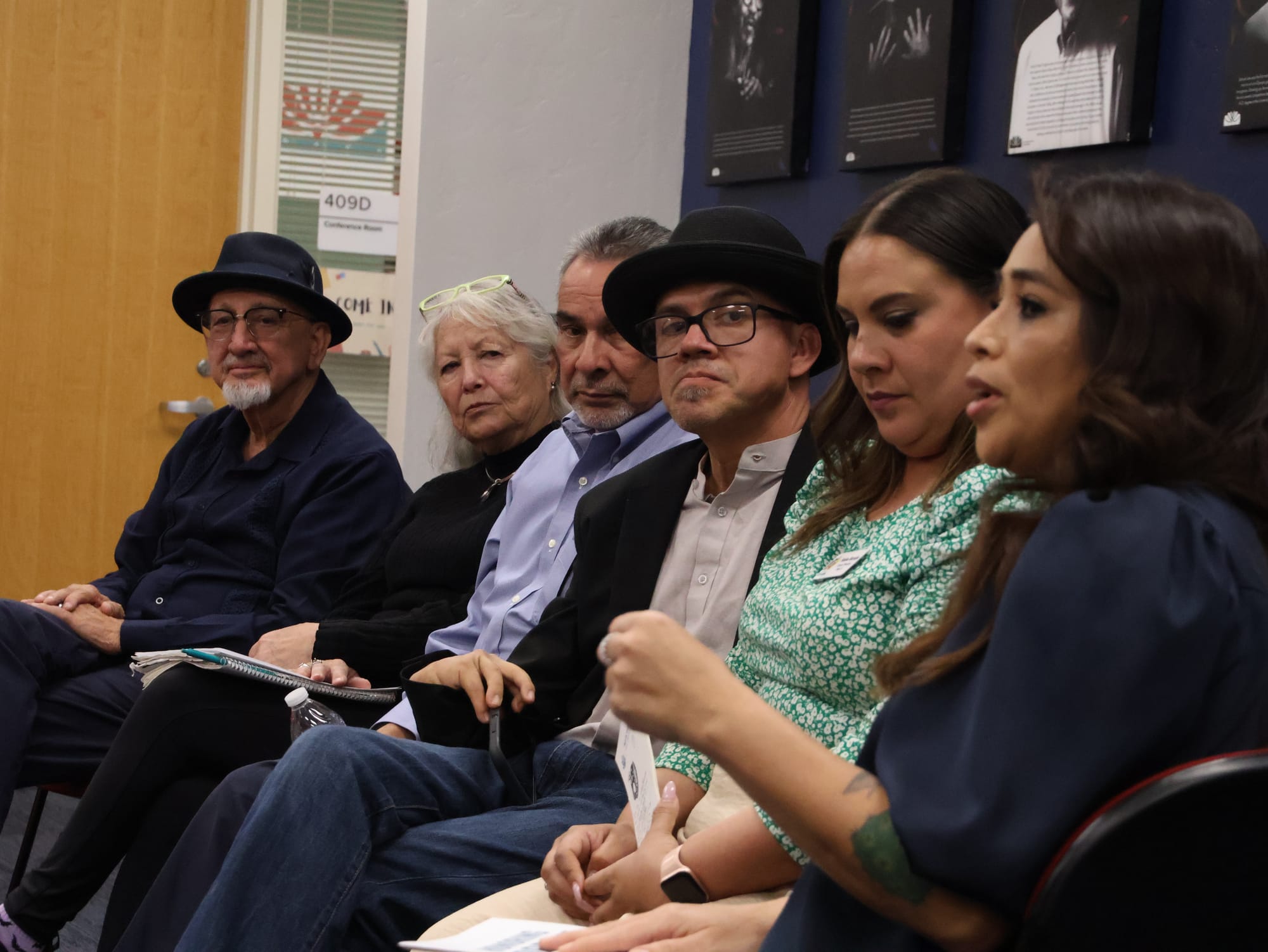
Lorraine Lee’s daughter, Rita Lee-Morado, thanked those who shared stories about her mother and reflected on the lessons she learned from her.
“We deserve a seat at the table, no matter what table it is, she always pushed for that,” Lee-Morado said.
Panelists described Lorraine Lee as a great communicator, saying that she pushed those around her to be proud of where they came from.
“It is truly an honor as her cousin to know how Lorraine's legacy lives on, because we all loved her so much. She was such a fierce advocate for this community, and she still is, because so many people have still benefited from her hard work,” said cousin Sylvia Lee.
For those who knew her best, Lorraine Lee’s impact is measured not only in programs built, but in people shaped.
Others echoed that sentiment, describing her impact not just as enduring, but generative — a legacy that continues to grow through the people she mentored and inspired.
“When I think of Lorraine, I think of seeds, and her planting the seeds of knowledge,” Barajas said. “She planted a lot of seeds in us that are now (are) blooming, and now we're trying to plant seeds in others.”
Topacio “Topaz” Servellon is a reporter with Tucson Spotlight. Contact them at topacioserve@gmail.com.
Tucson Spotlight is a community-based newsroom that provides paid opportunities for students and rising journalists in Southern Arizona. Please consider supporting our work with a tax-deductible donation.