Tucson's Safe City Plan faces questions before vote
Tucson City Council reviewed a draft Safe City Action Plan addressing homelessness, mental health and public safety, though funding questions remain before adoption.
The Tucson City Council reviewed a draft Safe City Action Plan earlier this month, a sweeping proposal to coordinate the city's homelessness, mental health and public safety programs, though at least one council member said key questions about funding and accountability still need answers before adoption.
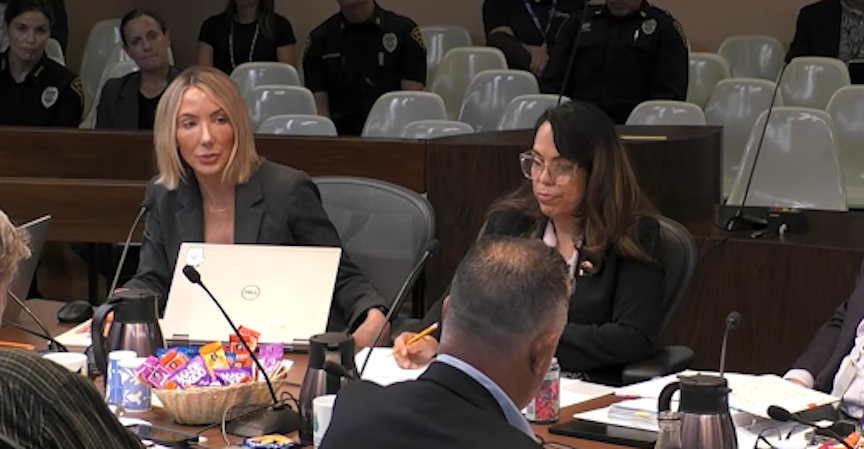
The mayor and council reviewed the plan during their Aug. 4 meeting, discussing efforts to enhance existing programs including Community Safety, Health and Wellness, Housing First and the Violence Interruption and Vitalization Action program.
The draft plan is designed to organize existing work done by city officials and partners, identify gaps in action, coordination and investment, and establish a set of priorities and measurable actions.
Assistant City Manager Liz Morales said the plan aims to build on existing programs rather than creating something new, with the goal of improving coordination across efforts already underway.
Tucson Spotlight trains the next generation of Southern Arizona journalists and publishes their work free for everyone. No paywalls, no corporate backing — just readers who believe this community deserves better local news.
The action plan outlines six priorities:
- Housing access: Expanding shelter use, housing pathways and resource coordination for the roughly 1,386 unsheltered people outreach teams counted in the city in 2025.
- Mental health and substance use: Strengthening behavioral health programs, treatment and recovery services, and expanding the Video Alternative to Jail program, which lets police conduct video initial appearances instead of booking.
- Community safety: Establishing a forced deterrence program, coordinating with county departments and enhancing traffic safety through transit ambassadors and targeted enforcement.
- Regional collaboration: Strengthening partnerships like the Tucson Pima Collaboration to End Homelessness, along with state and federal partners.
- Data accountability: Improving transparency and technology sharing, including coordination of 911 and emergency response through more than 500 city cameras.
- Community engagement: Expanding outreach, incorporating community feedback and supporting long-term problem-solving in priority areas.
The Safe City Task Force has provided a number of recommendations to refine the plan, such as clarifying the role of community violence intervention partners and acknowledging their funding limitations.
According to the action plan, next steps include implementing the Safe City Task Force's guidance across multiple departments, which involves reviewing the plan itself, identifying implementation priorities, monitoring progress and providing recommendations for future actions. Departments will also track their own data to ensure accountability.
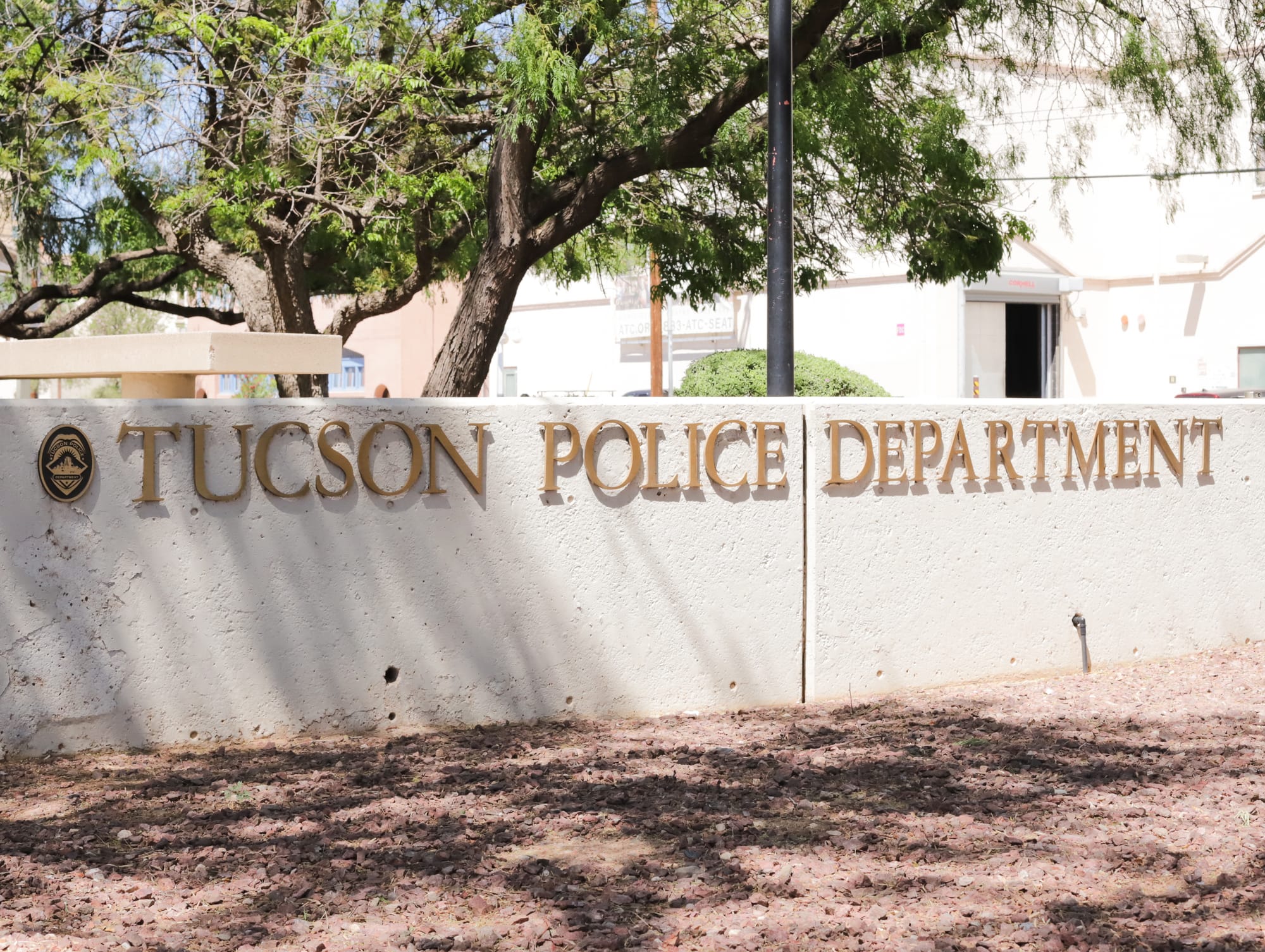
Ward 6 Councilmember Miranda Schubert raised a number of concerns about the plan, citing task force feedback that called for stronger accountability, clearer ownership of implementation, baseline data, measurable outcomes and budget details before adoption.
"One of the biggest unanswered questions for me is whether we are aligning our resources with the strategies that this plan prioritizes. Much of the work described in this action plan – case management, resource navigation, relationship building, long-term engagement – this is work already being done by our amazing community safety, health and wellness, viva, and the homeless protocol efforts," Schubert said. "We all recognize that the state and federal funding options are constrained, which makes it even more important that we invest city dollars strategically and equitably."
Schubert called for the council to gain a better understanding of the plan by consulting with the Safe City Task Force before adoption, and to consider where additional resources should be placed if they become available.
Mayor Regina Romero said the city plans to work with Pima County on budgeting and clarifying which entity is responsible for which services, noting Tucson can't fund everything on its own.
Assistant Tucson Police Chief Stacie Schaner presented several progress updates on the department's efforts to combat illegal street racing, including a new intelligence-led approach adopted this year. The goal is to target street racing as a whole rather than individual incidents, improving road safety through enhanced deterrents.
Schaner said TPD has observed street racing participants warning others against engaging in the activity in Tucson due to increased risk of enforcement, which officials called a positive trend.
With intelligence, TPD has been able to identify repeat offenders, organized groups, vehicles, hotspot locations, organizers and trends, with social media assisting in these efforts.
TPD's threat mitigation unit leads the fight against street racing, but the department has also fostered cooperation between patrol units, criminal investigations and threat mitigation for a unified response, working with prosecutors to pursue actions such as vehicle impoundments and forfeitures.
"Illegal street racing and intersection takeovers have evolved beyond isolated traffic events," Schaner said. "Today they are organized events involving reckless driving, roadway blockages, property damage, violence and significant disruption and risk to our neighborhoods, businesses and our traveling public."
Schaner said license plate readers, traffic cameras and drones have aided TPD's efforts. She also raised the possibility of updating Arizona's impoundment law to allow greater use of that kind of technological evidence.
Schaner said tracking data like collision trends and repeat offenders will let TPD continuously evaluate its effectiveness and adjust as needed. She also pointed to community partnerships and education as another part of the strategy, including exploring alternative outlets for car enthusiasts to "demonstrate their driving capabilities."
She said these efforts align with the greater goals of the Safe City action plan.
"It emphasizes prevention, intelligence integration, data informed deployments, deployment of resources, regional collaboration, accountability and sustained crime reduction," Schaner said.
Ian Stash is University of Arizona alum and freelance journalist in Tucson. Contact him at ianjgs16@gmail.com.
Tucson Spotlight is a community-based newsroom that provides paid opportunities for students and rising journalists in Southern Arizona. Please consider supporting our work with a tax-deductible donation.