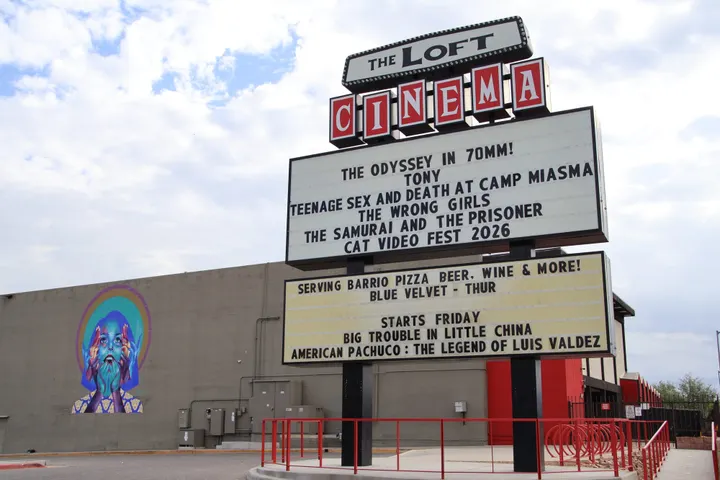
Tucson’s market scene thrives on community support
Tucson makers, artists and food vendors share what it really takes to run a small business through local markets, from pre-dawn setup to weeks of preparation, and what makes a market worth showing up to
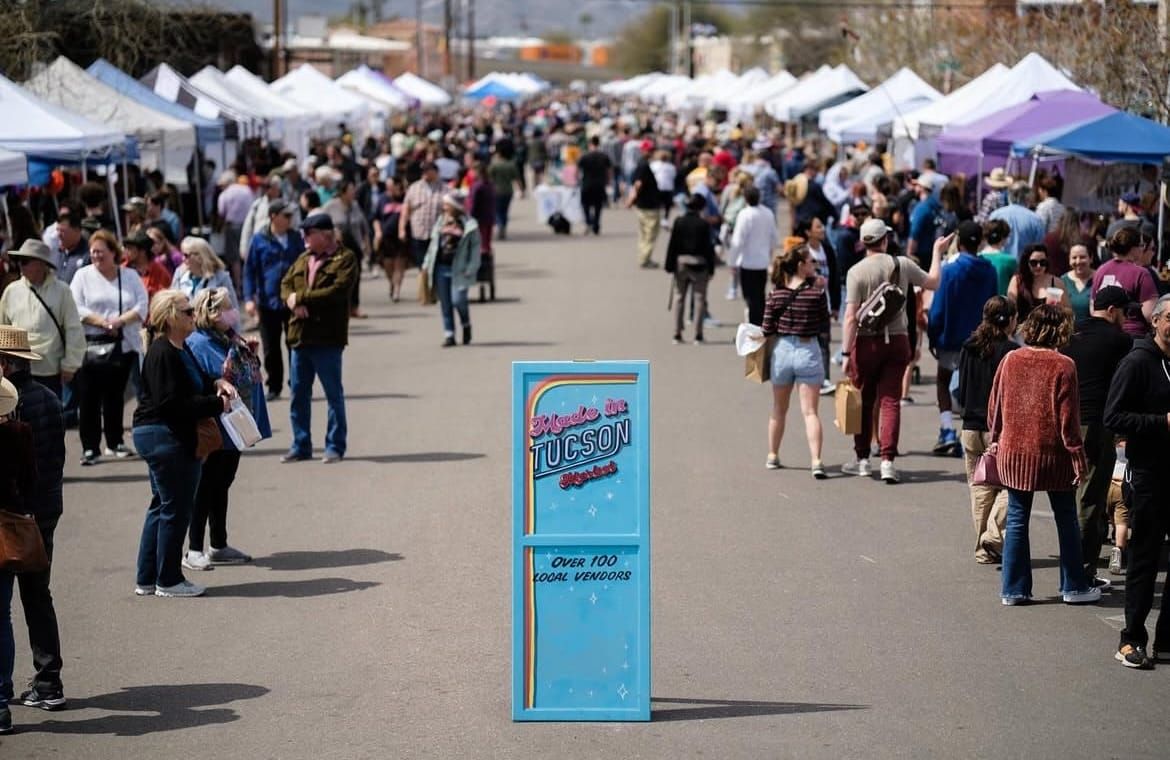
By the time shoppers wander through with iced coffees in hand, Tucson’s market vendors have already spent weeks getting ready for a single day. Tents are unloaded before sunrise. Coffee carts hiss to life. Handmade stickers are lined up one by one. Pastries are stacked beneath glass displays after days of baking and preparation.
But behind every successful market is another layer of labor that shoppers rarely see: the organizers coordinating vendor applications, marketing events, managing logistics and trying to create spaces where small businesses can actually succeed.
For many of Tucson’s makers, artists and food vendors, markets are more than weekend side hustles. They are storefronts, community spaces and, for some, a primary source of income.
“I think community building is huge,” said Noor Nassar, owner of Happy Light Designs. “Especially in moments of so much darkness in the world, I think it’s nice to be the source of a smile or light for people.”
Nassar launched her sticker and art business during the pandemic after being unable to find designs that reflected her culture and upbringing, eventually moving from an Etsy shop into local vending and community organizing.
“In this past year and a half, I have been focusing on in-person markets and just meeting people in person,” Nassar said. “It’s such a different type of rejection therapy. Seeing what lights people up.”
For Aralexie Robles, owner of Aralexie's Sweets, markets provide opportunities that many home-based businesses otherwise would not have.
“People don’t have that opportunity to have an in-store storefront,” Robles said. “So this is basically their storefront.”

Robles officially launched her baking business in June 2024 after initially making cakes for friends and family. She now runs it full time.
“It was really hard at the beginning,” Robles said. “But then I woke up one day and was just like, ‘I need to get my stuff together. This is my job.’”
Vendors repeatedly described markets as essential not only financially but emotionally and socially.
“I love interacting and talking with people,” Robles said. “It’s not just over a phone, it is a real customer connection.”
That connection is what keeps many vendors returning despite unpredictable sales, rising costs and long hours.
“Honestly, it’s the connection,” said Selena Tootsie, owner of By Spooky Tootsie. “When someone picks up something I made and you can tell it means something to them, that feeling outweighs a slow market day.”
Tootsie said markets are a major part of her full-time business because they allow her to build in-person relationships with customers and other makers.
“A lot of my growth has come from showing up consistently at local events,” Tootsie said.
For Derek Gentry of So Gay Crochet, markets are his primary source of income.
“Markets are the only way I make my money,” Gentry said, adding that the work that goes into each event is far greater than many people realize. “I am shoving thousands of dollars worth of plushies into the back of my seat. That’s on the day-of. Depending on the item, most of my products take 30 to 40 minutes to make.”
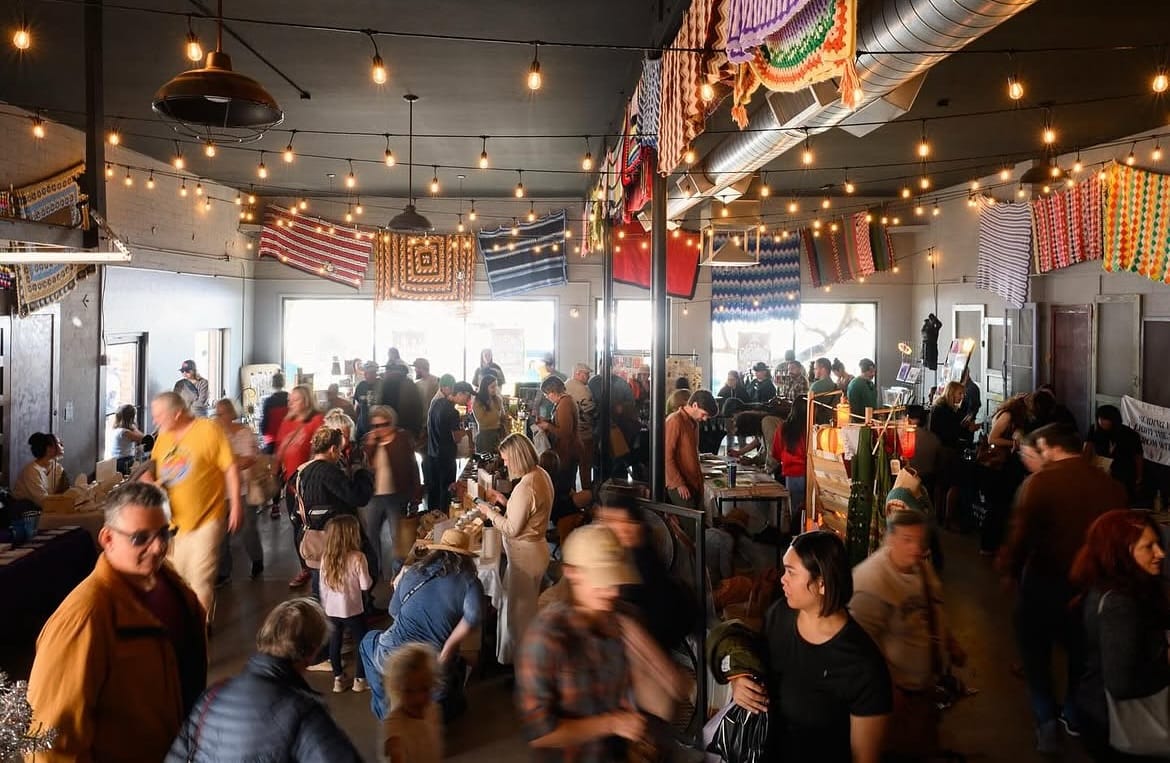
Many vendors said shoppers rarely see the preparation behind the polished booths and finished products.
“There is so much prep that goes into it and behind the scenes,” Nassar said. “If I think about a market as a movable brick and mortar, what can I fit in this space?”
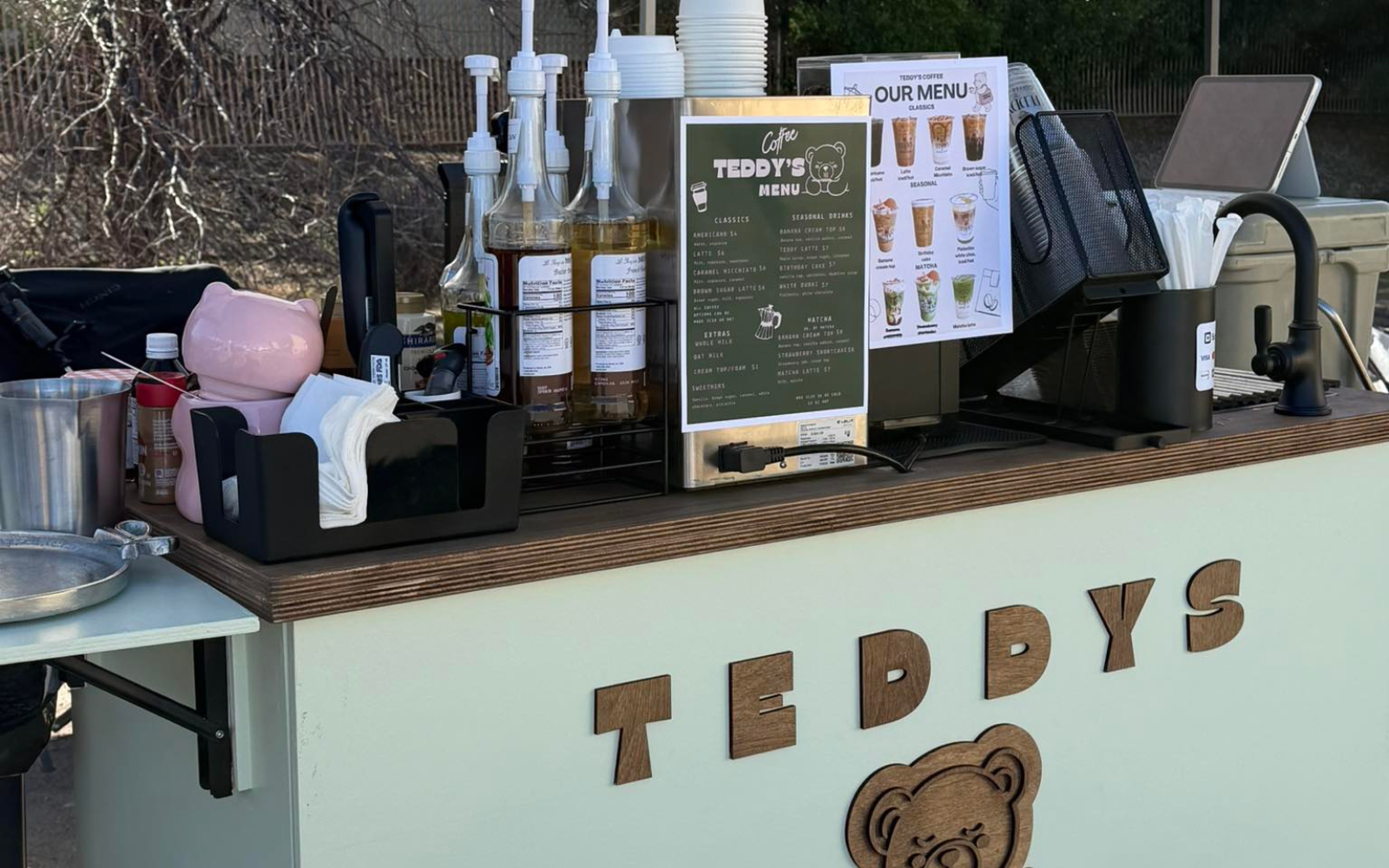
Preparing for a single market can take days, said Angie Vizcarra, owner of Teddy’s Coffee Cart.
“The preparedness for one single event goes beyond that day or those couple of hours,” Vizcarra said. “It can take days or sometimes weeks depending on how big an event is.”
Vizcarra started Teddy’s Coffee Cart earlier this year after struggling to find a traditional work schedule that fit the needs of her son, who has autism.
“I needed to create something for me and my family,” Vizcarra said. “My dream is to see him working for Teddy’s Coffee Cart in the future.”
For 1989 Bakehouse owners Randy Koch and Roselena Trevizo, markets helped grow their home baking operation into a brick-and-mortar business.
“It was all farmers market stuff,” Koch said. “Carving out a niche in the farmers market scene to make yourself stand out from every other person that goes there is kind of the side of it where you have to know what you are doing.”
The couple expanded from selling cookies at markets to opening café spaces in Green Valley and on Fourth Avenue.
“For the farmers markets, yeah it is paid publicity,” Koch said. “But I also get to talk to 500 or 1,000 people.”
Koch said those conversations are one of the reasons he continues vending.
“People forget to stop to talk to people,” Koch said. “That is another part of the farmers market that I love.”
Mikayla Chin, who moved to Tucson from San Francisco in 2024, said Tucson’s maker community immediately stood out to her.
“The creativity in the community is so amazing,” Chin said.
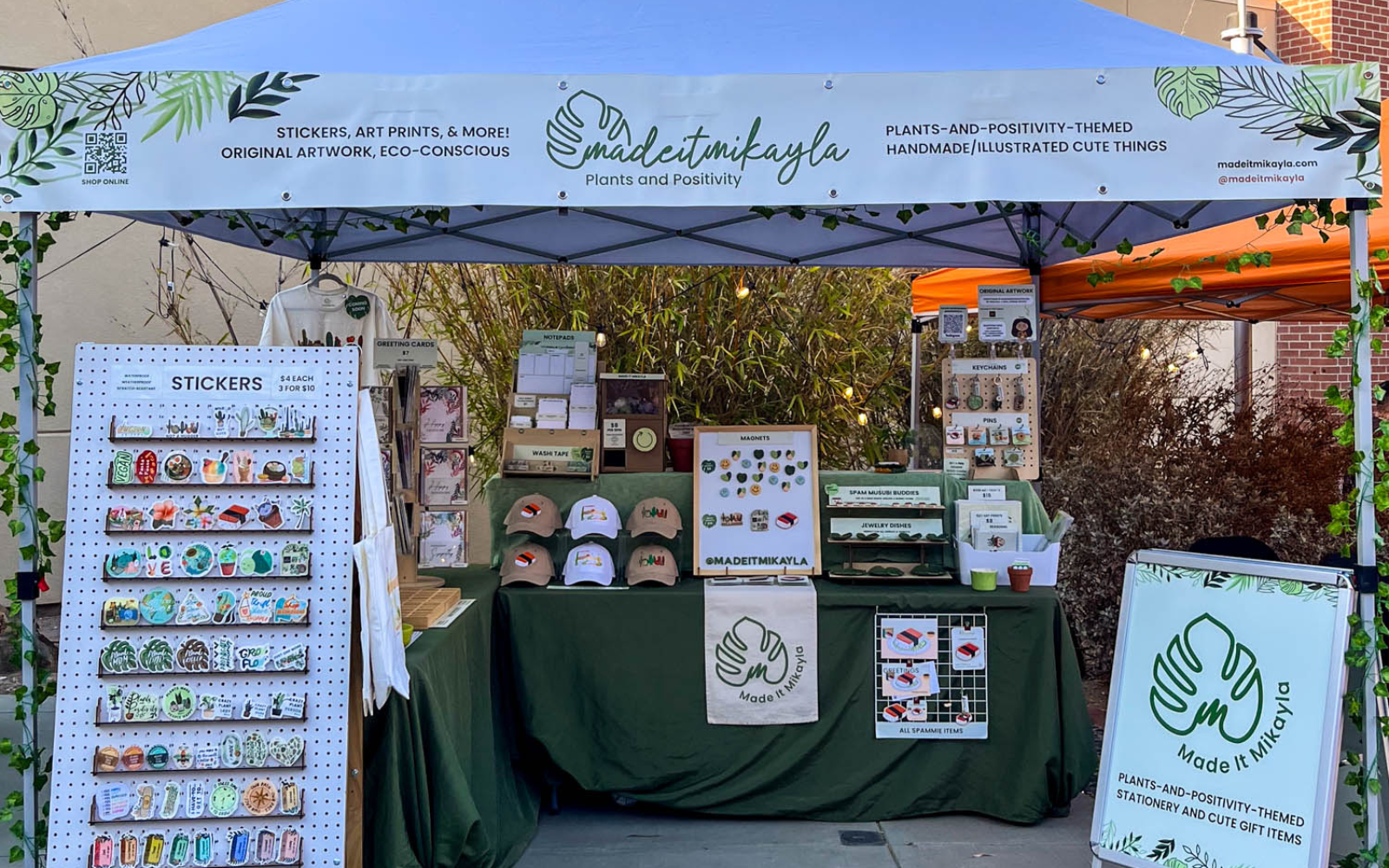
Chin launched Made It Mikayla as a blog in 2017 before transitioning into ecommerce and market vending in 2020, saying the experience has helped her both professionally and personally.
“It helps me get exposure therapy because I have social anxiety,” Chin said. “It also helps me develop as a person and a business and a brand.”
Vendors described Tucson’s market scene as collaborative but said successful events require strong organization behind the scenes.
They repeatedly pointed to communication, transparency and marketing as the difference between a successful event and a frustrating one.
“A well-run market is about pure communication and transparency,” Nassar said.
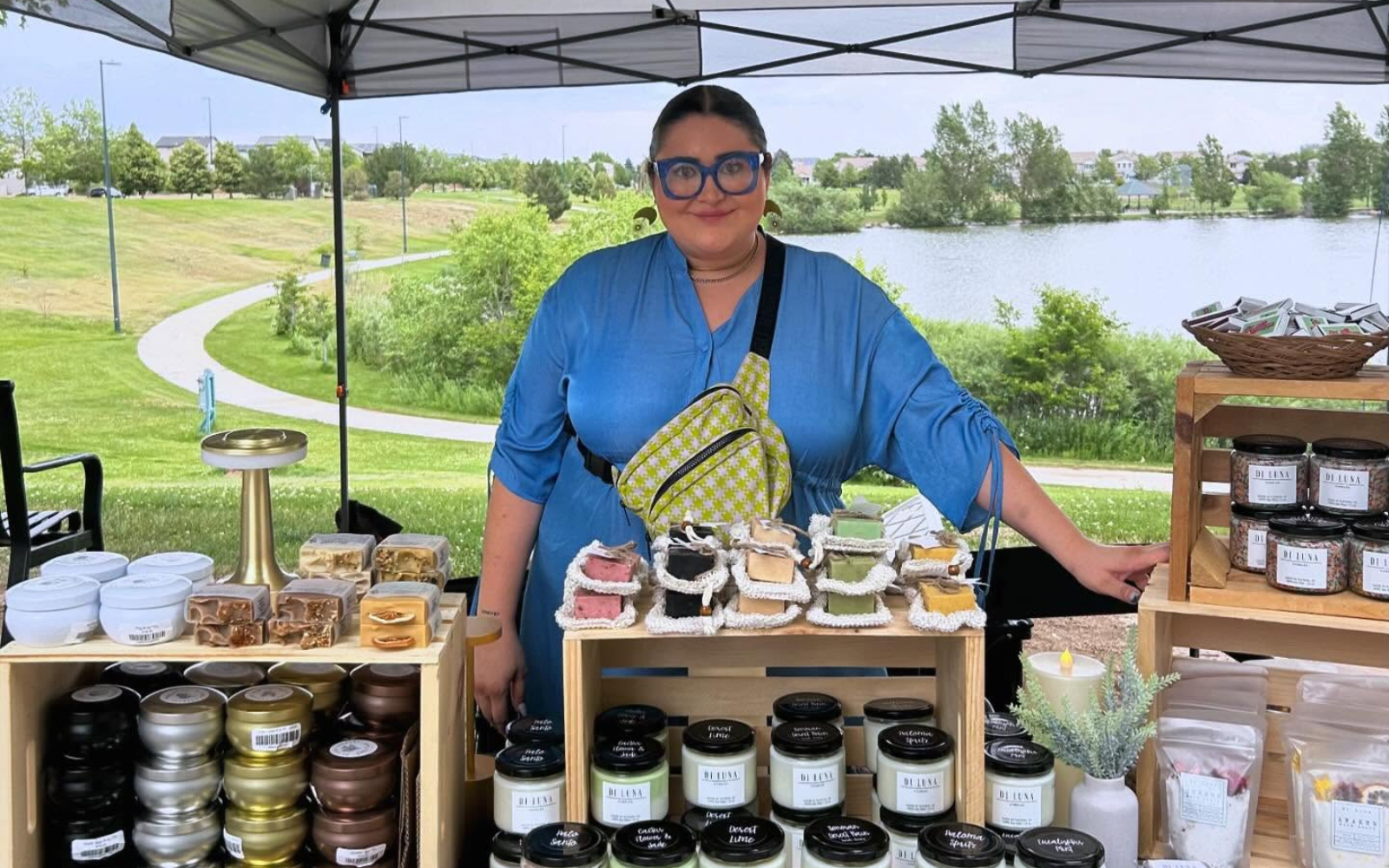
Many vendors praised Di Luna Candles for its detailed communication and hands-on vendor support. The business regularly hosts workshops, markets and vendor events.
“We focus on creating a welcoming, supportive environment where vendors feel genuinely taken care of,” owner Maria Jose Cortes and manager Maria-Ines Cortes said in an email.
The sisters said their own experience as vendors shaped the way they organize events, from providing cold water and shade to checking on vendors throughout the day.
“We understand the effort and risk it takes just to show up,” they said.
Borderlands Market organizer Cynthia Martinez said she also tries to approach organizing from a vendor’s perspective.
“I think a lot of coordinators of markets just coordinate so they don’t fully understand what all goes into setting up and breaking down at markets,” Martinez said. “It can be brutal.”
Borderlands Market describes itself as a pop-up marketplace “for dreamers, makers and families,” focused on creating themed experiences that feel more like community festivals than traditional markets.
“I definitely want the newer vendors to know that we truly care about how well they do at our markets and we’re not just here to take money and go home,” Martinez said.
Vendors also highlighted events like the Fourth Avenue Street Fair, Made in Tucson Market, Indigenous Market, Vegan Night Market and St. Philip’s Plaza Market as examples of strong local markets.
The Made in Tucson Market organizers said they focus heavily on making vendors feel respected and appreciated.
“We try to be very intentional about making sure the vendors feel respected and appreciated,” organizers said in an email.
Vendors also mentioned smaller community-centered events like Mourning Star Market, Queer Hop Shop Market, Rustic Roots Farmers Market and Desert Air Market.
Chin praised Desert Air Market for hosting vendor mixers and being transparent about how vendor fees are used, while Gentry said Mourning Star Market and Queer Hop Shop Market understand how to market directly to their audiences.
“As a vendor you don’t want to feel like you are the only one marketing the event,” Nassar said.
Gentry agreed, saying organizers need to invest in customer-focused advertising rather than only recruiting vendors.
“That is telling me you want my money and you are not trying to get us money,” Gentry said.
Several vendors said difficult event experiences have also changed how they approach future markets. Tootsie referenced problems surrounding last month’s Palo Verde Bloom Fest as a moment that pushed vendors to speak more openly about poor communication and organization.
“It felt good to show other makers that it’s okay to share your experiences,” Tootsie said.
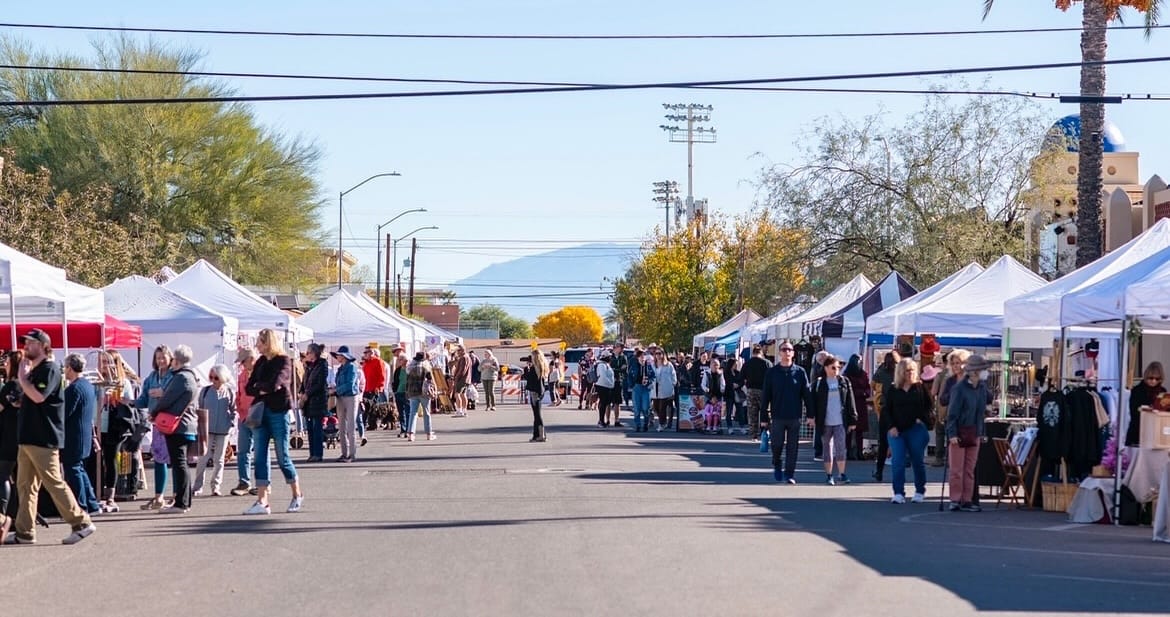
Despite the challenges, vendors repeatedly described Tucson’s small business community as supportive and collaborative.
“What I love about the Tucson community is that it doesn’t feel competitive,” Nassar said. “It feels like everyone is so willing to be collaborative.”
Support, vendors say, does not always mean making a purchase.
“A like, a share, just cascading information,” Nassar said. “Your repost costs nothing.”
Vendors emphasized that social media engagement, word-of-mouth recommendations and repeat attendance all play major roles in helping small businesses survive.
“Support is choosing to shop small when you can,” Tootsie said.
As Tucson heads into the slower summer months, vendors and organizers say community support becomes even more critical.
“Summer in Tucson is a very hard time for local businesses,” Koch said. “The people that stay in Tucson need to go out in the summer eand spend money so those businesses are there in the winter and spring.”
Even so, makers continue packing cars, unloading tents and showing up across the city, hoping customers stop long enough to connect with the people behind the products.
“When someone picks up something I made and you can tell it means something to them,” Tootsie said, “that feeling outweighs a slow market day.”
McKenna Manzo is a graduate student at the University of Arizona and Tucson Spotlight intern. Contact her at mckennamanzo@arizona.edu.
Tucson Spotlight is a community-based newsroom that provides paid opportunities for students and rising journalists in Southern Arizona. Please consider supporting our work with a tax-deductible donation.