Tucson refugee program Owl and Panther faces funding cuts
Owl and Panther, a Tucson nonprofit that has used poetry and art to help refugee children heal for more than 30 years, lost all of its state funding Sept. 30.
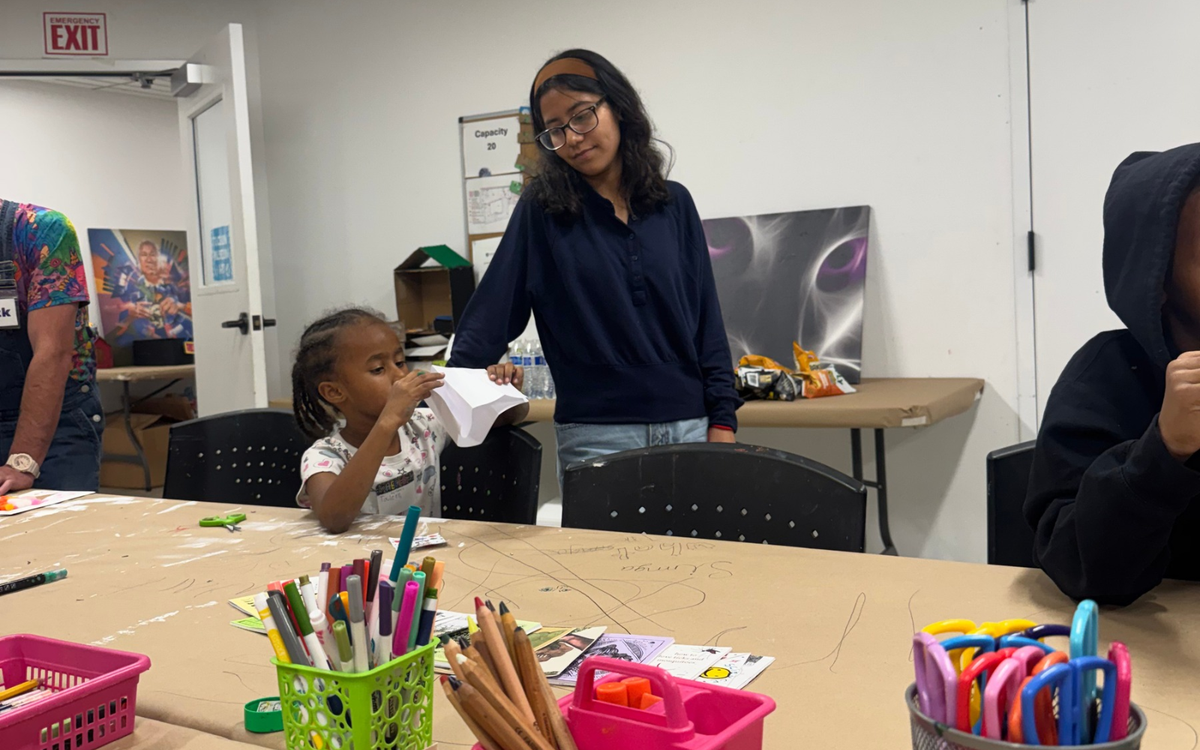
Owl and Panther, a Tucson nonprofit that has used poetry and art to help refugee children and families heal for more than 30 years, lost all of its state funding Sept. 30 and is now relying on donations and grants.
Owl and Panther provides a range of services for refugees, including expressive arts, community building and opportunities to engage with nature.
The nonprofit started as an umbrella organization under the Hopi Foundation, which began working with Guatemalan refugees during the Sanctuary Movement of the 1980s. During the movement, churches and volunteers, including Southside Presbyterian Church in Tucson, sheltered Central Americans fleeing war, death squads and torture.
The U.S. government did not recognize many of them as political refugees, and many were deported. At its peak, more than 500 congregations took part.
Executive Director Patty Barcelo has been with Owl and Panther since its creation, serving in a variety of roles.
“Our mission is to provide healing support to the people that need it the most,” Barcelo said. “In this instance, it’s been refugee people that have come from places that have displaced them. They fled their homes, they fled violence, they were just seeking an opportunity for something better.”
But Barcelo was also a participant, and she knows what it’s like to be displaced from home.
“I remember as a child, when we were in the midst of the war and shortly before my dad got kidnapped, I would have to sleep with my shoes on,” Barcelo said. “I would be scared because we had hundreds of soldiers come to our house and kill people on sight and it was really scary.”
Your gift keeps local news free and gives a young journalist their start.
Barcelo said many participants, including herself, have lived through traumatic experiences and the aftermath of being caught up in war.
“(Owl and Panther) gave me the wings to leave a little bit of that behind and gave me an opportunity to open up about it,” she said.
Owl and Panther began in 1995, when refugee parents served by the Hopi Foundation’s Center for Prevention and Resolution of Violence asked for a group for their children. Staff members Amy Shubitz, Marianna Neil, Jorge Cabrera and Giovanni Panza started a group for teens and a summer school for families that grew into the program.
Creative writing was part of the program from the start. Marge Pellegrino, an author and teaching artist, has served as its program manager.
“Marge Pellegrino and Amy Shubitz provided a place for us to come, a place for us to draw, write poetry, to do projects with our hands,” Barcelo said. “I can’t tell you how life changing that was for me and for a lot of the other refugees that were with us during that time period. I got to have a place where I would come and there would be people like me.”
Another participant, Wendy, has been with Owl and Panther since the beginning. She doesn’t work for the organization, but her ties to it remain strong.
Wendy has watched Owl and Panther grow, from the Sanctuary Movement to the development of its therapy techniques.
Wendy volunteered with a group that met every Tuesday for about 15 years to use poetry as therapy. She also experienced the therapeutic effects of poetry firsthand as a former political refugee.
“I think a lot of the stuff that I saw in my country, when we have those political problems, I think that Owl and Panther helped me a lot (with) writing out my emotions and how to feel comfortable,” Wendy said. “I know a lot of people . . . if they don’t express their feelings, they have all that inside and sometimes it’s hard to open up. I think the group helped me open up on how I felt, even though when that happened I was still a child.”
Wendy’s poetry explores the trauma, perseverance and emotional weight of the refugee experience. One of her poems, “Sanctuary,” was inspired by her family’s move to the United States in 1985. It is one of many poems written by Owl and Panther participants.
“I arrive into an unknown world, carrying with me pain and faith, scars of my torture,” the poem reads. “My hopes guide me to a place called Sanctuario. A place where people open their doors, hearts, it makes me feel safe. A place I could call home, a place where I found peace and freedom. A place where I could be free, free like the wind.”
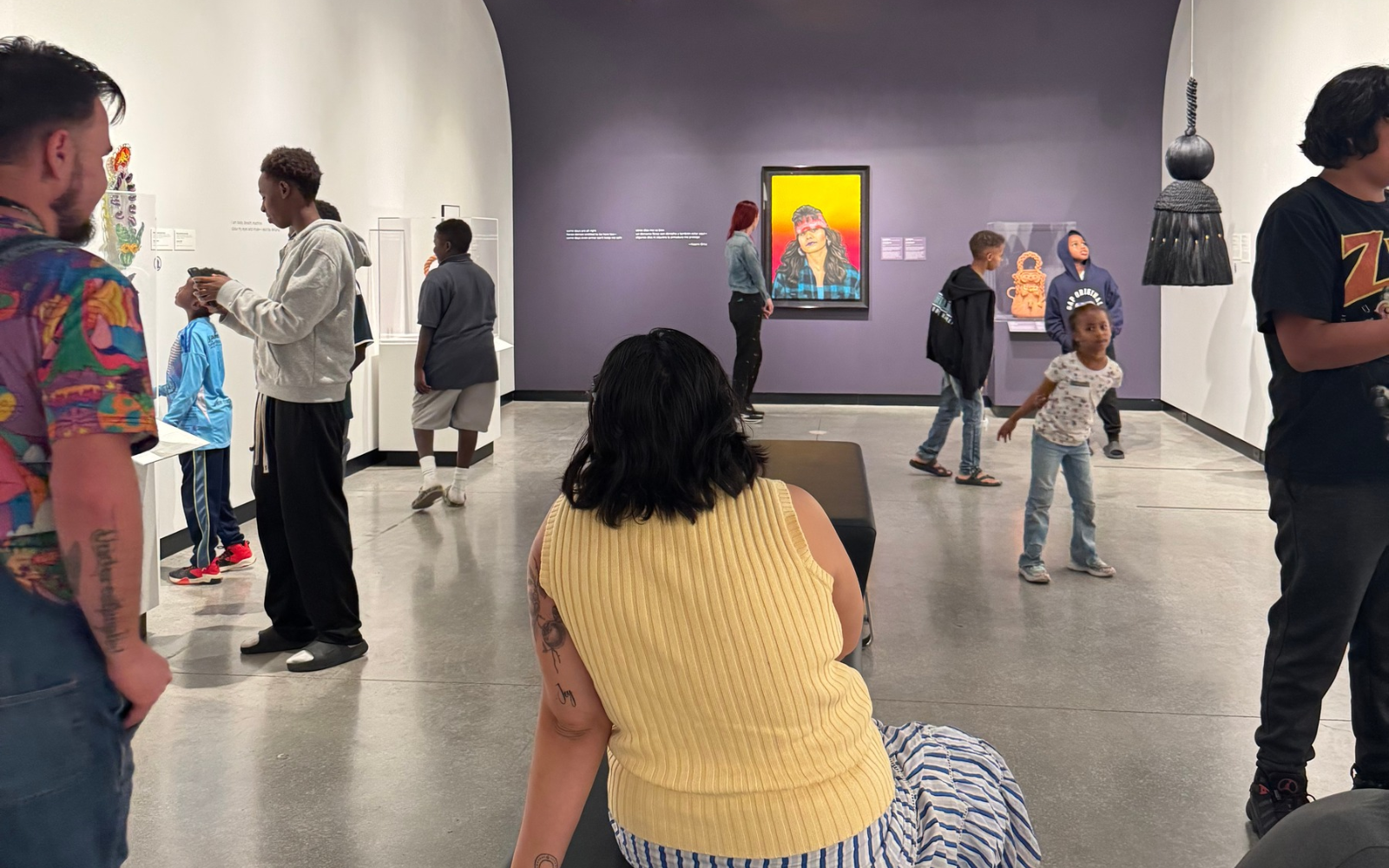
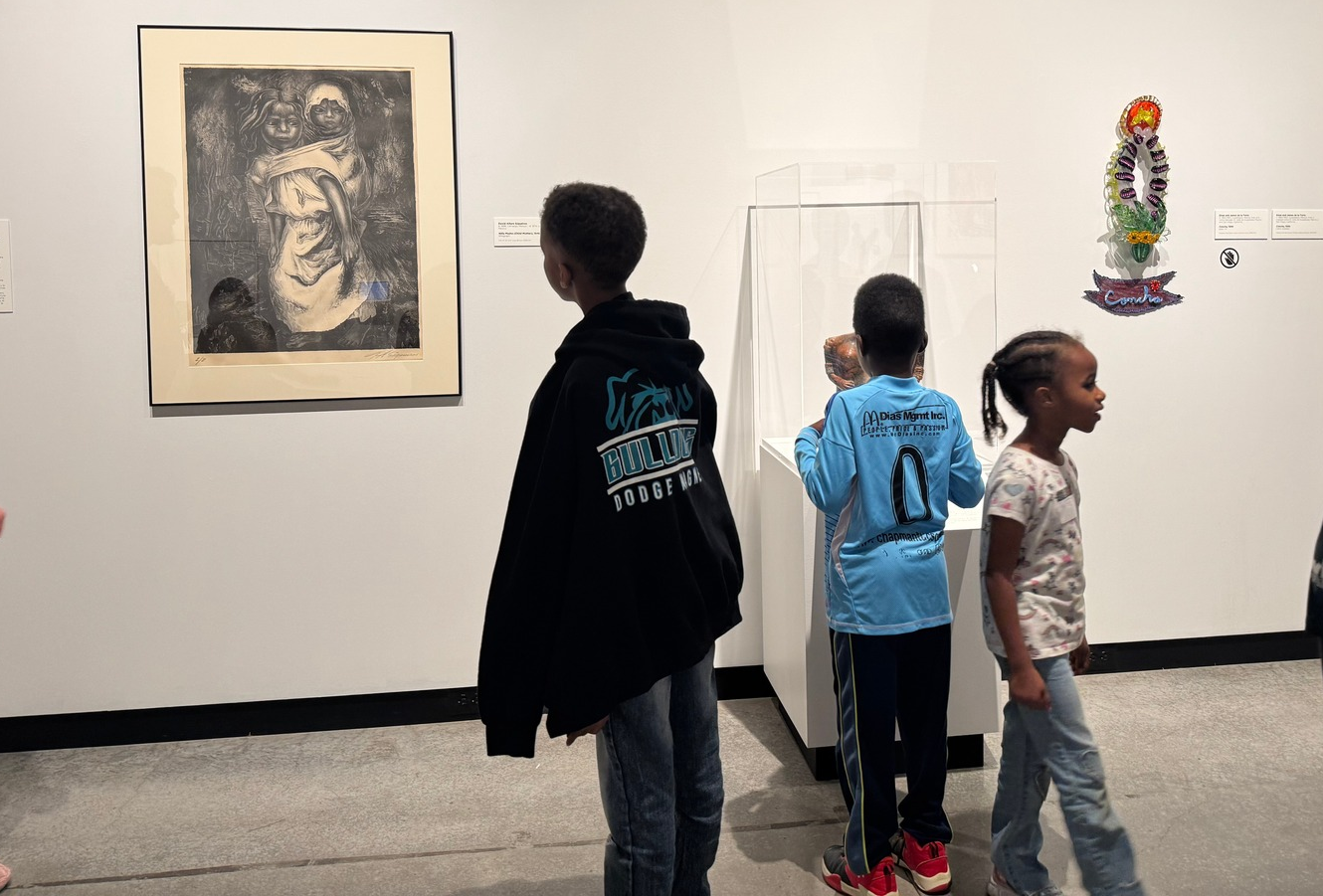
Today, Owl and Panther remains dedicated to art and expression, taking children and families on field trips to the Tucson Museum of Art for the past 15 years.
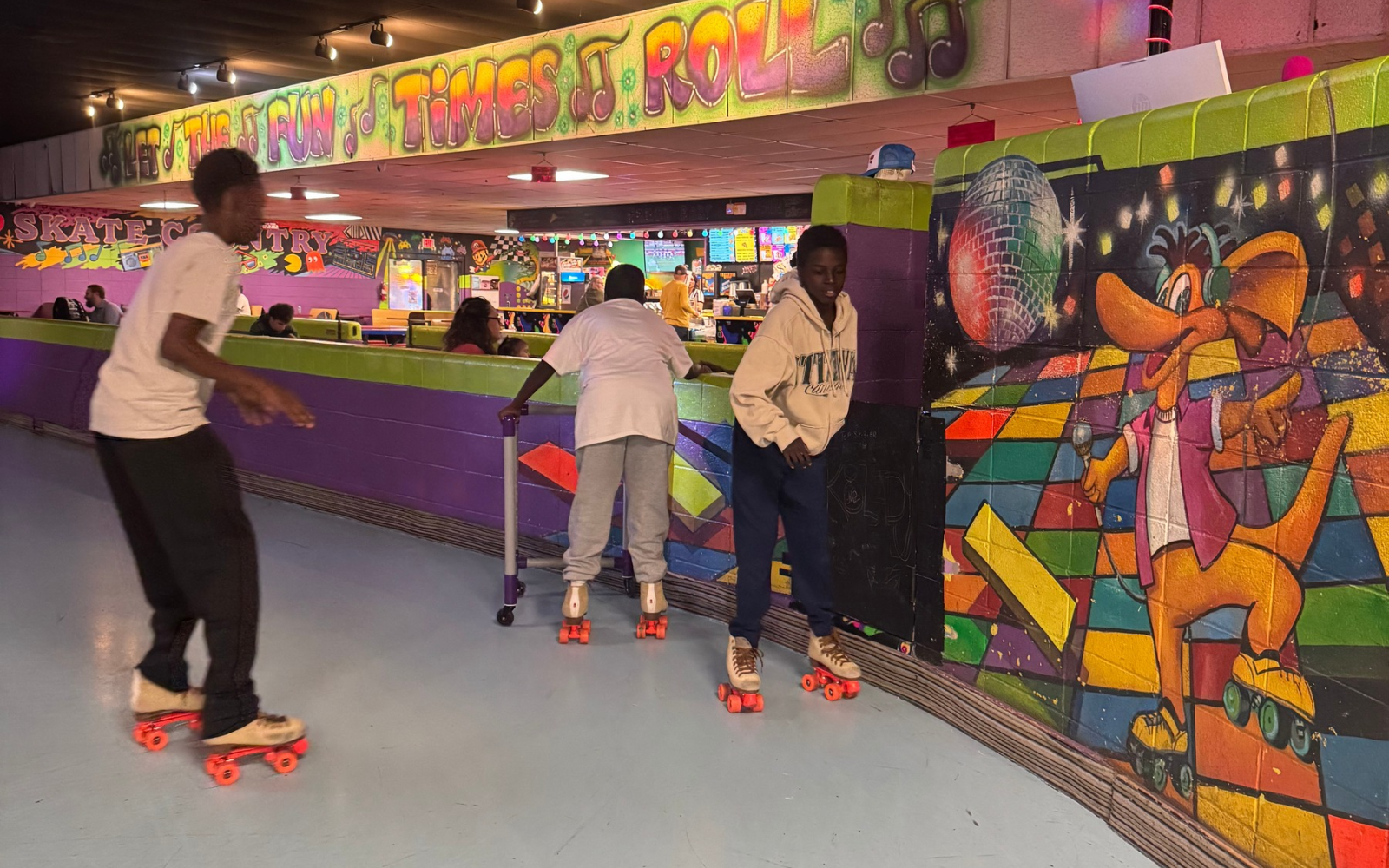
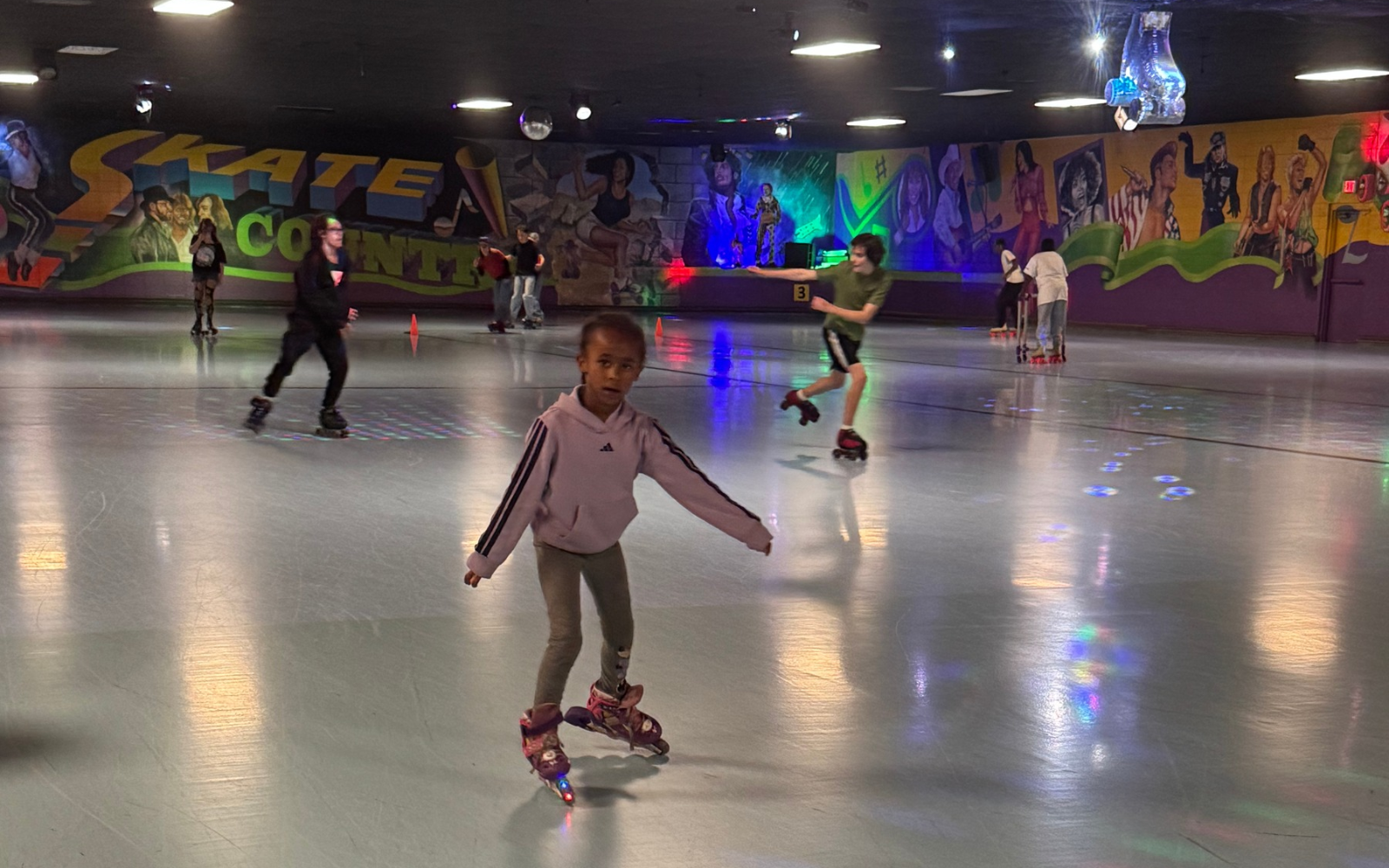
Barcelo said Owl and Panther also holds events and activities that help children integrate into daily life and develop in the community.
“We took the kids to the movies and it was an actual American theater, just so they could experience what that’s like. We had 406 participants at the movies and they ate popcorn, and they ran around,” Barcelo said. “That was the funnest part of it, exposing the kids to what life is really like here in a way that’s healing, in a way that we can talk about it and in a way that it’s free.”
Owl and Panther’s director of operations, Carlos, used to work for the Guatemalan consulate and was immediately interested in working with Owl and Panther due to its work with refugees.
Carlos stressed the importance of improving the lives of the children it serves and their families, saying integration is the ultimate goal of the program and that he values the chance to change children’s lives through the group’s programs. He spoke to Tucson Spotlight in Spanish, with Barcelo translating his comments.
“I’m able to see the changes that the parents see in the children when they actually come to the events and programming,” Carlos said.
Carlos talked about one child who was having trouble adjusting to her new environment and struggling with memories of events that had taken place in her home country.
“With the programming that we were able to provide, it helped her a lot to understand why change came in her life and integrate herself to the community and to her friends at school,” Carlos said.
The integration process varies for each participant, based on need and availability.
“There really isn’t a timeline for healing,” Barcelo said. “You don’t graduate from healing. I think it’s one of those things where you’re doing great and then something will trigger a memory and then you go back to that same spot. If you’re in need and we have the space, I’m being very intentional about not turning anybody down because I know the feeling personally.”
Funding has been tight for Owl and Panther over the past year, but the organization plans to stay as active in the community as it was before the cuts.
“We lost all of our state funding as of September 30, so we are heavily relying on donations and heavily relying on any grants that we have been applying for,” Barcelo said. “So far, we’ve been turned down, but that is not stopping us from reapplying to others. The mission needs to keep going, I don’t see any path that will stop refugees from being refugees.”
The funding cuts have forced the group to restructure its program, including its volunteer force. Its staff is now three people: a program coordinator, a program operations director and Barcelo, the executive director. A small team of volunteers helps with whatever tasks are needed.
“We are accommodating everything that we have to keep the programming going, so we are realigning our volunteer pool and how we do things,” Barcelo said. “Sadly enough, we are not able to have many employees right now because of the big budget cuts.”
Barcelo said the group’s five steady volunteers help with everything from rides to picking up food for the people the group serves. The group is always looking to grow its team of volunteers and accepts donations.
Despite its funding struggles, Owl and Panther remains committed to building strength among the refugees it serves. Barcelo said the work is worth the struggle, and seeing participants thrive makes it easier.
“There’s two participants and they were siblings, and they were from Africa and one went on to do some modeling and his sister is an alumni of the University of Arizona,” Barcelo said. “That is the most rewarding, amazing thing that you could actually see because you know that we were a part of that.”
Barcelo said her team is dedicated to keeping Owl and Panther’s vision alive in the coming years and will continue its efforts to support community, togetherness and exchange.
“I want us to be able to continue to carry out our mission. I want to be able to still have a place for people to come, for kids to have an opportunity to be kids and to just continue carrying what we’ve been doing for the last 30 years,” Barcelo said.
Katlyn Vargas is a University of Arizona student and Tucson Spotlight intern. Contact her at katlynvargas@arizona.edu.
Tucson Spotlight is a community-based newsroom that provides paid opportunities for students and rising journalists in Southern Arizona. Please consider supporting our work with a tax-deductible donation.