Tucson pickleball partnership to expand Udall courts
The Tucson City Council approved a partnership with Tucson Area Pickleball to cover court repair fees and raise enough money to build three new courts.
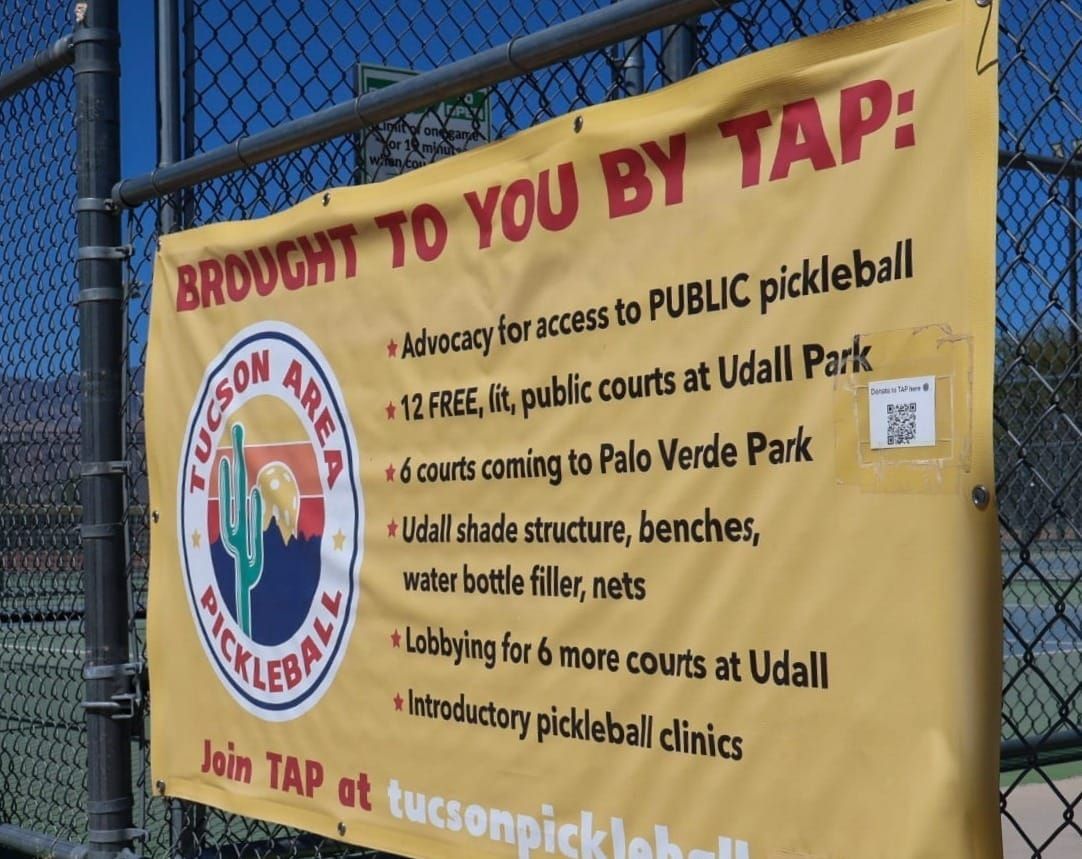
What started as a proposal to charge fees at Tucson's most popular pickleball courts ended with a nonprofit partnership that could expand the sport's footprint in the city for years to come.
The Tucson City Council approved a memorandum of understanding with Tucson Area Pickleball earlier this month, handing the nonprofit responsibility for maintenance and repairs at the Udall Park courts.
The move came in response to pushback over a proposal to charge fees at what had been a free facility since it opened five years ago.
A routine analysis by Tucson Parks and Recreation revealed a looming maintenance problem. Pickleball court surfaces typically last around a decade, but at five years in, Udall's were already starting to break down.
Three other city pickleball locations, Reffkin, Himmel and Fort Lowell, already operate under a similar model with fees last updated in 2024. Udall had remained free, making it popular among the city's growing pickleball community.
The department planned to bring in an outside operator to manage the courts, generate revenue and set aside money specifically for future repairs. On April 7, the council approved a notice of intent to charge $3.50 per player for 90-minute sessions at Udall.
The proposal drew swift pushback from the pickleball community, with residents speaking out at the April 21 council meeting.
"Pickleball is not just a sport to me. It is a place to stay active and maintain a healthy lifestyle," said high schooler Henry Gummerson. "The majority of my friends, whether they be from school, work or neighborhood friends, will often join me in big rounds to play."
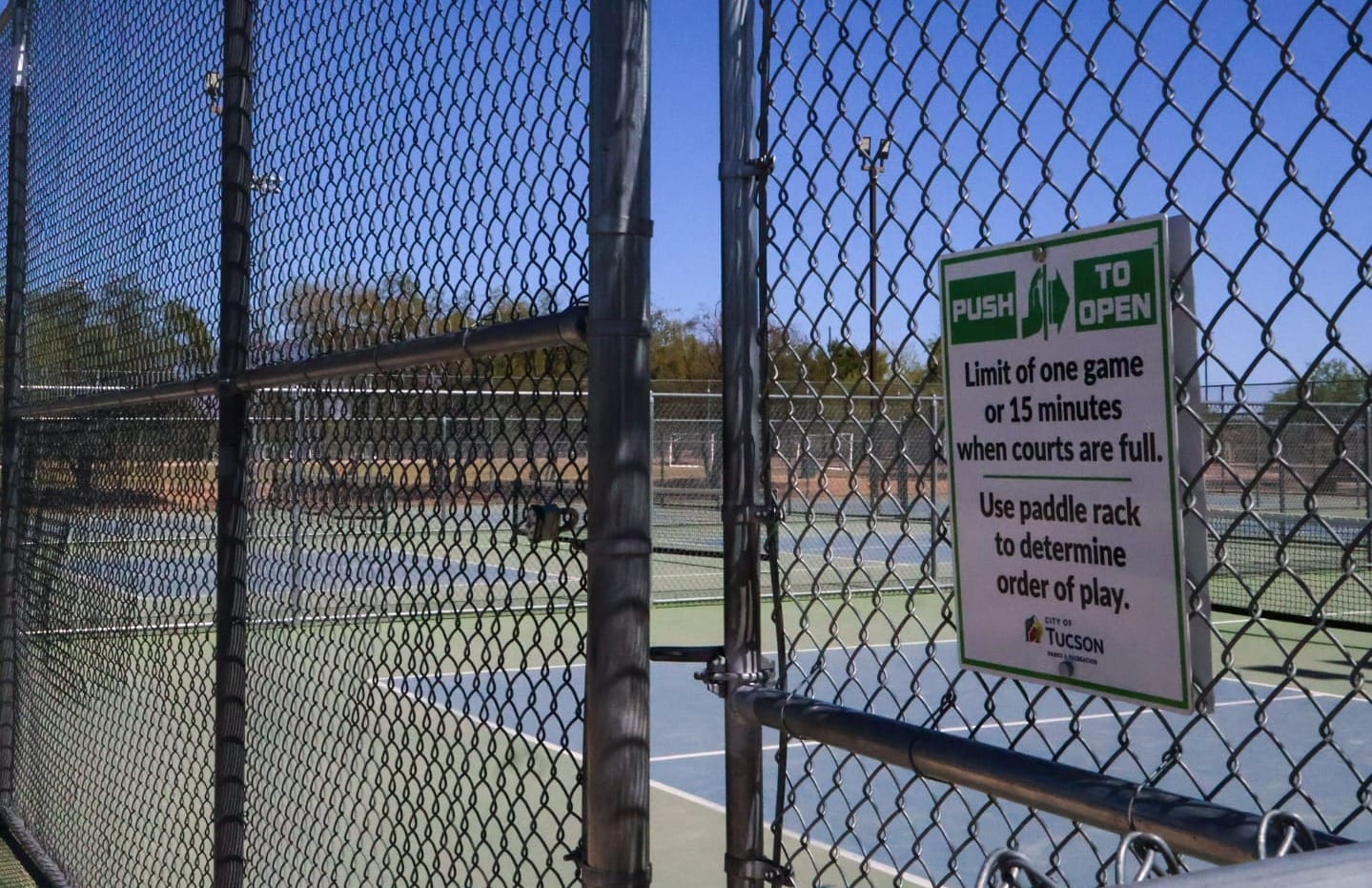
Megan Hughes, president of Tucson Area Pickleball, questioned why pickleball would be singled out when other amenities at Udall remain free.
"Numerous other recreational park amenities at Udall, the dog park, splash pad, bocce courts, walking paths, playground and more are all provided free of charge," Hughes said. "No outdoor recreational activity that we're aware of is charged for recreational play."
Hughes said she didn't buy the department's rationale for the fee.
"Parks and Recreation is selling their proposal as a way to recover costs, but there are almost no costs at the courts," Hughes said. "(They're) asking pickleball players to fund other amenities at other parks that they don't even use."
TAP board member Leonard Finkel said the nonprofit had previously handled court maintenance and had already been in discussions with parks and recreation about resuming that role when the fee proposal surfaced.
Finkel said TAP had already spent roughly $55,000 on maintenance and upgrades at the courts, and had been discussing another $40,000 in improvements before the fee proposal emerged.
He challenged the city's revenue projections, arguing that the fee structure would likely cause the city to lose money rather than generate it.
Finkel also noted a practical problem with the fee proposal: controlling access to the courts' 14 entry points would require fencing estimated at $50,000 to $100,000, on top of the $40,000 in maintenance TAP had already been prepared to donate.
"Should the city decide to keep pickleball at Udall Park free to the public, TAP is willing to assume the responsibility and financial burden of improvements and upkeep of Udall pickleball courts," Finkel said.
The initial notice of intent provided a 60-day window for public comment, with the city council soliciting feedback through its website.
Tucson Parks and Recreation Director Lara Hamwey said the notice of intent is a way to let community members know that the city is considering making a change and hearing directly from residents what they like and don't like.
The process is not commonly used, Hamwey said, which caused some initial confusion. Ultimately it served exactly the purpose it was designed for, she said, adding that she was struck not just by the volume of response, but by the personal weight behind it.
"I heard many stories about personal struggles where they had a community rallying around them to help them get through it," Hamwey said. "Being taught and welcomed into pickleball and now becoming addicted to it. There are folks that just randomly ended up at that location and now are intentionally at that location because of what it means to them."
The outpouring was enough to change course.
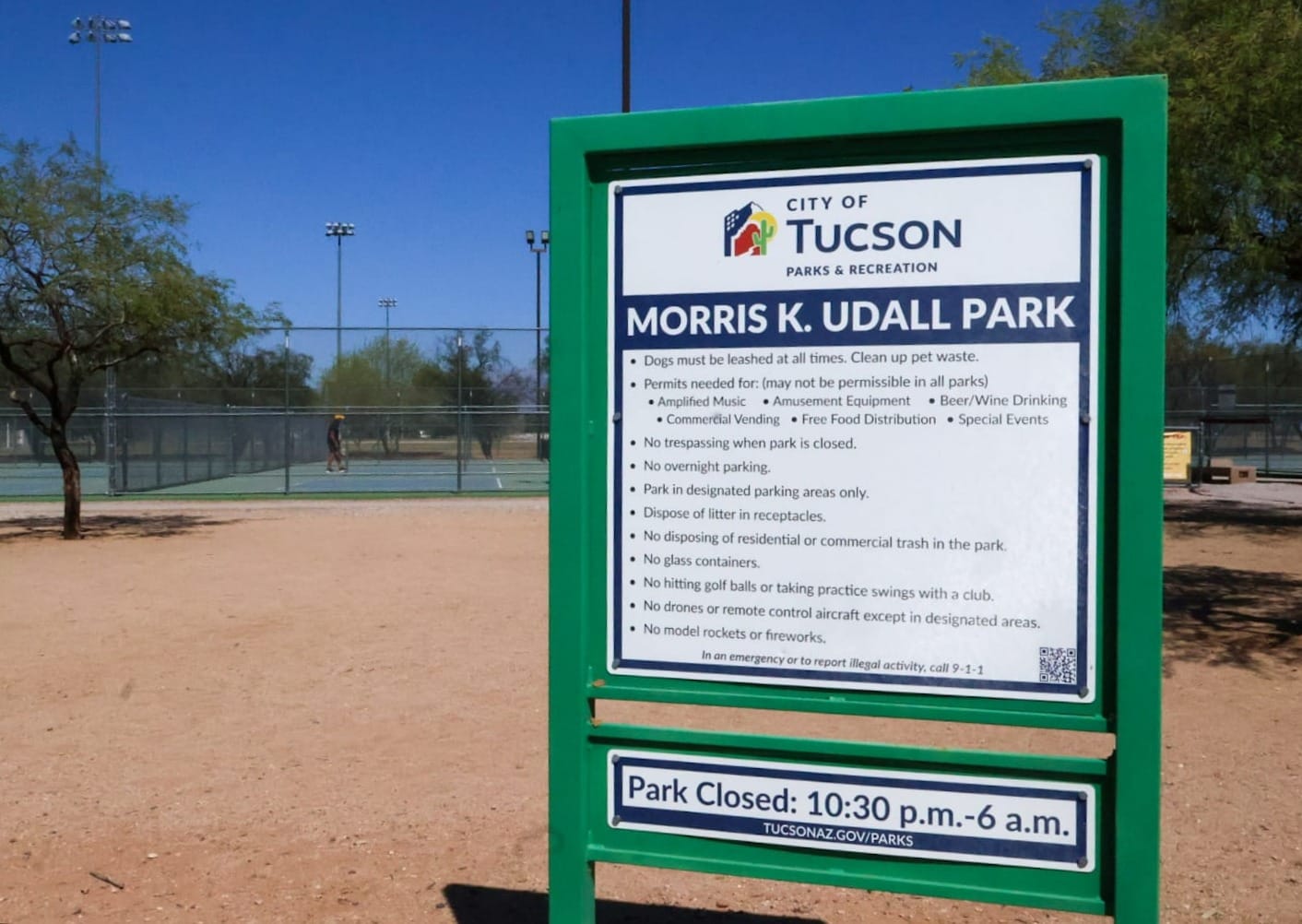
Councilmember Paul Cunningham, who represents Ward 2 where Udall is located, proposed the official partnership with TAP during the council's May 5 meeting. Under the agreement, TAP will cover court repair fees and raise enough money to build three new courts. The council voted unanimously in favor.
The partnership has been approved for a five-year window.
Hamwey said the need was clear from the start.
"We know that there was a demand. We know that there is the capacity at Udall for the space, but there needs to be the money," Hamwey said. "(This) creates a space where we can take advantage of a relationship with a nonprofit partner in terms of maintaining the asset."
Under the partnership, TAP will take on day-to-day maintenance responsibilities, including cleaning, upkeep and court resurfacing, relieving the city of those costs.
"It has cost avoidance for the department," Hamwey said, acknowledging that fee proposals are rarely popular. "No one likes to spend more money. We know that. The department's goal was never to penalize players, but to find a sustainable path forward for courts that serve thousands of Tucsonans."
Hamwey said the unusual arc of the partnership speaks to the value of the public process, even when it leads somewhere unexpected.
"What we had for this particular fee proposal is a different outcome than most," she said. "But the value of doing it is that we ended it somewhere, maybe even better than what was proposed."
Emma LaPointe is a journalism, political science and German Studies major at the University of Arizona and Tucson Spotlight intern. Contact her at emma.m.lapointe@gmail.com.
Tucson Spotlight is a community-based newsroom that provides paid opportunities for students and rising journalists in Southern Arizona. Please consider supporting our work with a tax-deductible donation.