Tucson group gives nonspeaking individuals a voice
Tucson Spellers, a local nonprofit co-founded by two spelling practitioners, is helping nonspeaking individuals with autism communicate using letterboards and keyboards, transforming relationships and reshaping how Southern Arizona understands human potential.
For years, Ethan Jackson had something to say. He just had no way to say it.
Before he found Tucson Spellers, a local nonprofit that teaches nonspeaking individuals to communicate using letterboards and keyboards, those thoughts had nowhere to go.
"(People) wanted me to conform to the way they thought I should act," Jackson said in an email. "I am a very smart person with my own thoughts and feelings, and I deserve to be heard."
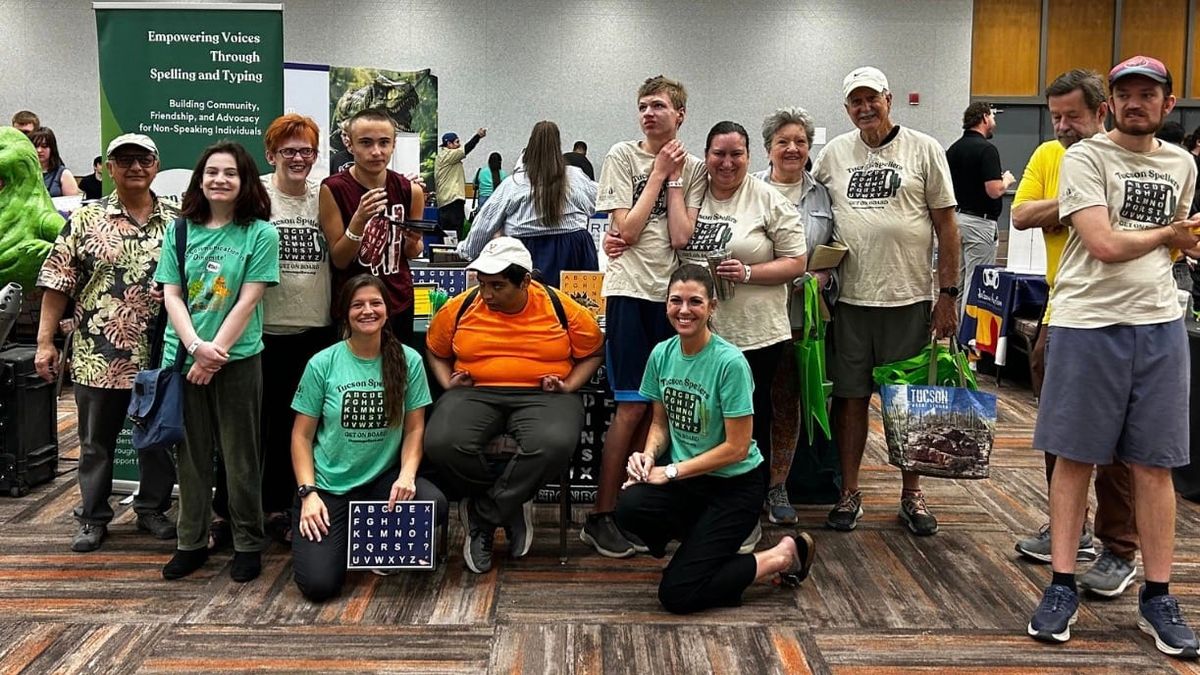
Jackson is one of several nonspeaking individuals who have found their voice through Tucson Spellers, which aims to transform how Southern Arizona understands autism, communication and human potential.
Tucson Spellers was co-founded by spelling practitioners Anna Britton and Courtney Cameron, who, while working with families across the region, noticed that nonspeaking individuals, particularly older teens and adults with high support needs, were largely invisible.
"While many autism-friendly spaces are well-intentioned, they can still unintentionally exclude individuals with higher support needs or those who communicate differently," Britton said.
The pair began hosting monthly meetups for nonspeakers and their families to come as they are, without judgment and without pressure.
Cameron said the gap that led to Tucson Spellers' formation was not simply a lack of services, but a lack of belief and meaningful connection. For the founders, communication is not an end in itself.
"Communication is important, but communication exists for connection," Cameron said. "People want friendships, belonging, and the opportunity to be seen for who they truly are."
Tucson Spotlight trains the next generation of Southern Arizona journalists and publishes their work free for everyone. No paywalls, no corporate backing — just readers who believe this community deserves better local news.
Central to Tucson Spellers' mission is a concept called "presuming competence," the idea that nonspeaking individuals understand far more than their bodies may let them show. This rings true for many of the organization's members who spent years being underestimated.
"People thought I couldn't comprehend the world around me, but here I am," Joshua Greiner said in an email. "Everyone treated me like a toddler. Hearing others talk about me like I don't have ears is crushing to my soul."
Others were equally blunt about what life felt like before spelling.
"Trying to navigate this world as a nonspeaker is hell with no voice. The stress alone will break a man's spirit," Speller Niko Tax said in an email. "No amount of internal screaming made them see I was there, railing to escape my silent prison."
Ashton Curtis said his family was told he was intellectually impaired, a label he said some people took too far.
Britton and Cameron work to dismantle those assumptions through education, including explaining concepts like the brain-body disconnect, apraxia and the neurological barriers that can prevent a person from demonstrating what they know.
Their work is impactful, but they say the most powerful teacher is the nonspeaking community itself.
"Families and community members witness nonspeaking individuals spelling complex thoughts, writing poetry, discussing current events, building friendships, and advocating for themselves," Cameron said. "It moves from being a philosophy to something they truly experience and understand."
For many members, spelling created a defining moment of breakthrough.
"To lean into the creativity of artistic writing just clicked," Jackson said. "The best part was seeing the look of surprise on my mom's face. My family was able to see how smart and funny I was."
For Tax, the breakthrough was simpler, and perhaps more profound.
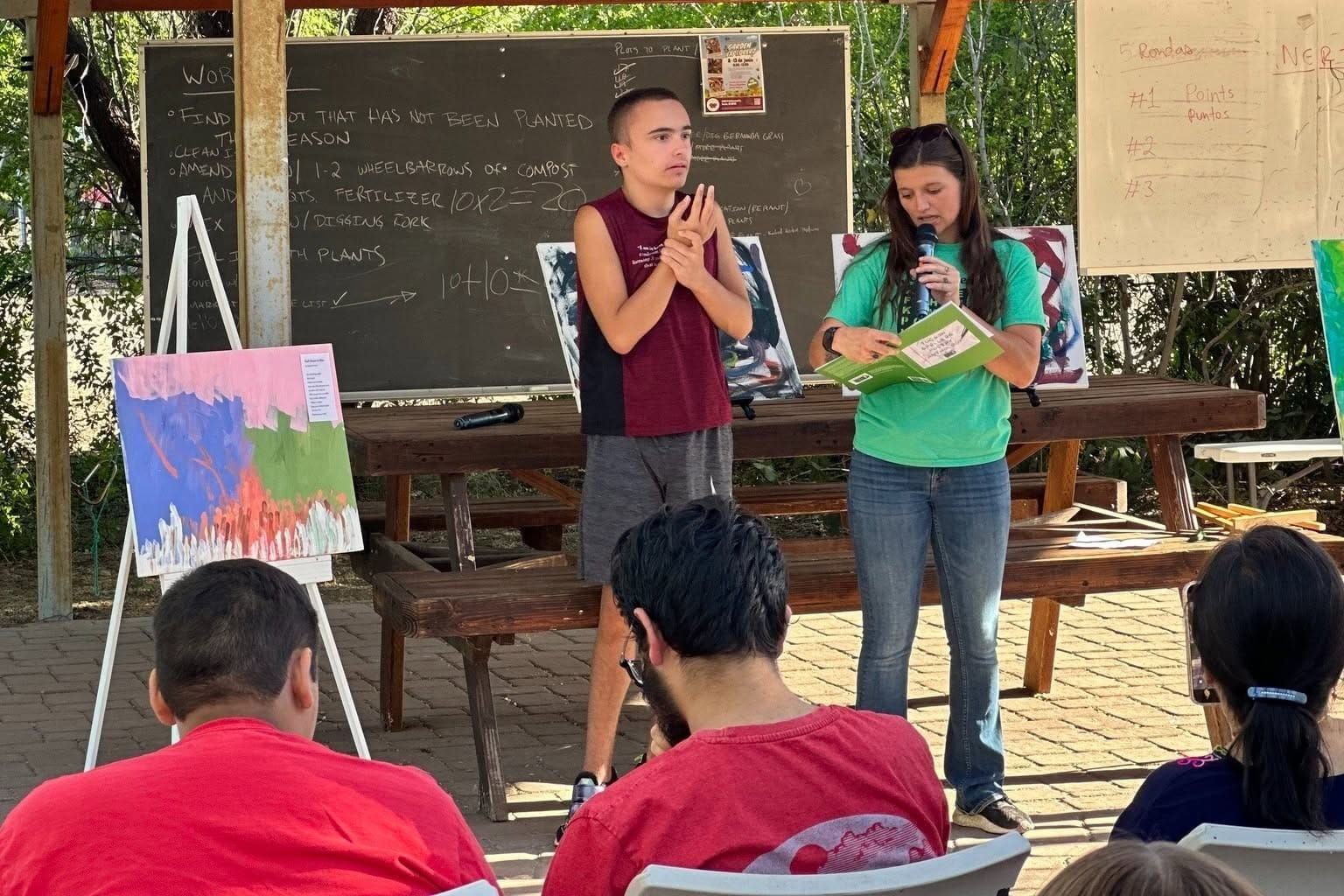
"The first complex communication was not even complex. It was when my humor began to surface," Tax said. "Then the family knew I was part of the group. I think that special moment can be as simple as a single word."
For Dylan Lauger, the stakes were even higher.
"I remember exactly how it felt to have no voice in my medical choices and the added stress on my mom trying to decide what I wanted," Lauger said in an email. "My voice was finally heard in an intense lesson where I spoke up for my own body. I was finally able to tell my doctors what they were missing."
The experience transformed not just his healthcare, but his bond with his mother.
"My connection with my family has deepened in the most profound way," Lauger said. "Now our connections can be more than medical trials."
For Puru Sharma, gaining a voice meant finally being able to grieve.
"Grief needs to be voiced. Now I can do that with my finger. Mourning feels better when I can share with my family," Sharma said in an email. "Nobody knew my inner self before I found my voice."
Beyond practical communication, spelling has allowed members to share the full texture of who they are. Tax, it turns out, is a devoted art lover.
"Mom thought I hated the art museums," Tax said. "These trips stimulated my mind and gave me an early exposure to beauty in a different light."
He now writes a blog highlighting murals around Tucson.
"Art can soothe a man's broken spirit," Tax said.
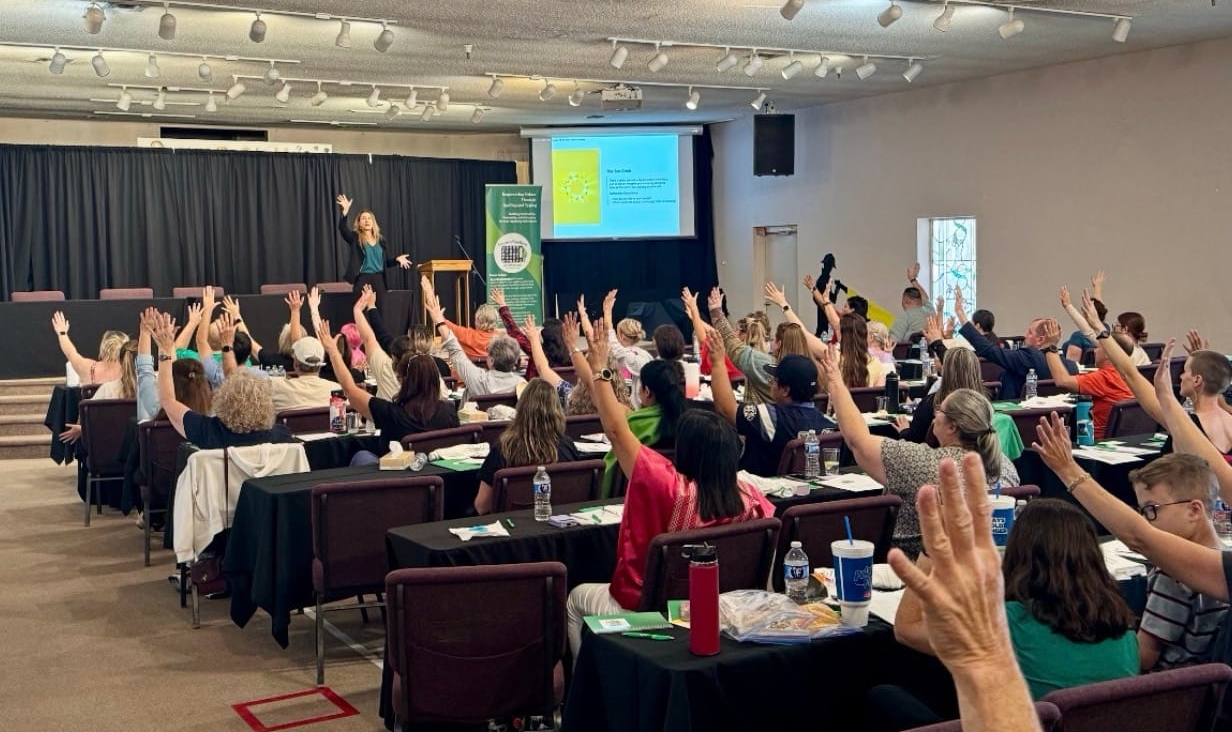
Curtis said people often mistake his difficulty staying in place and making eye contact for a lack of interest.
"I can now express my interests through the letterboard," Curtis said.
The letterboard also transformed his relationships, exposing his family and friends to a new version of himself.
"My good looks weren't the only thing people stared at," Curtis said. "Now my family includes me, and my opinion matters."
Spelling also gave Jackson a way to show his personality.
"Now that I can communicate, all of my family and friends know that I'm smart, articulate, sometimes a little snarky, and very caring and sensitive," Jackson said.
Among the most emotional themes in the Tucson Spellers' stories is what it means to finally have peers.
"Having peers who communicate is amazing because it helps me feel not so alone," Jackson said. "At Speller events I feel a part of what is happening."
Tax described the bond among nonspeakers with unmistakable depth.
"Spelling friends cannot compare to any others. Being locked in silence is such an alone experience that only nonspeakers can relate," Tax said. "That shared story makes these friendships, events, and get-togethers that much more special."
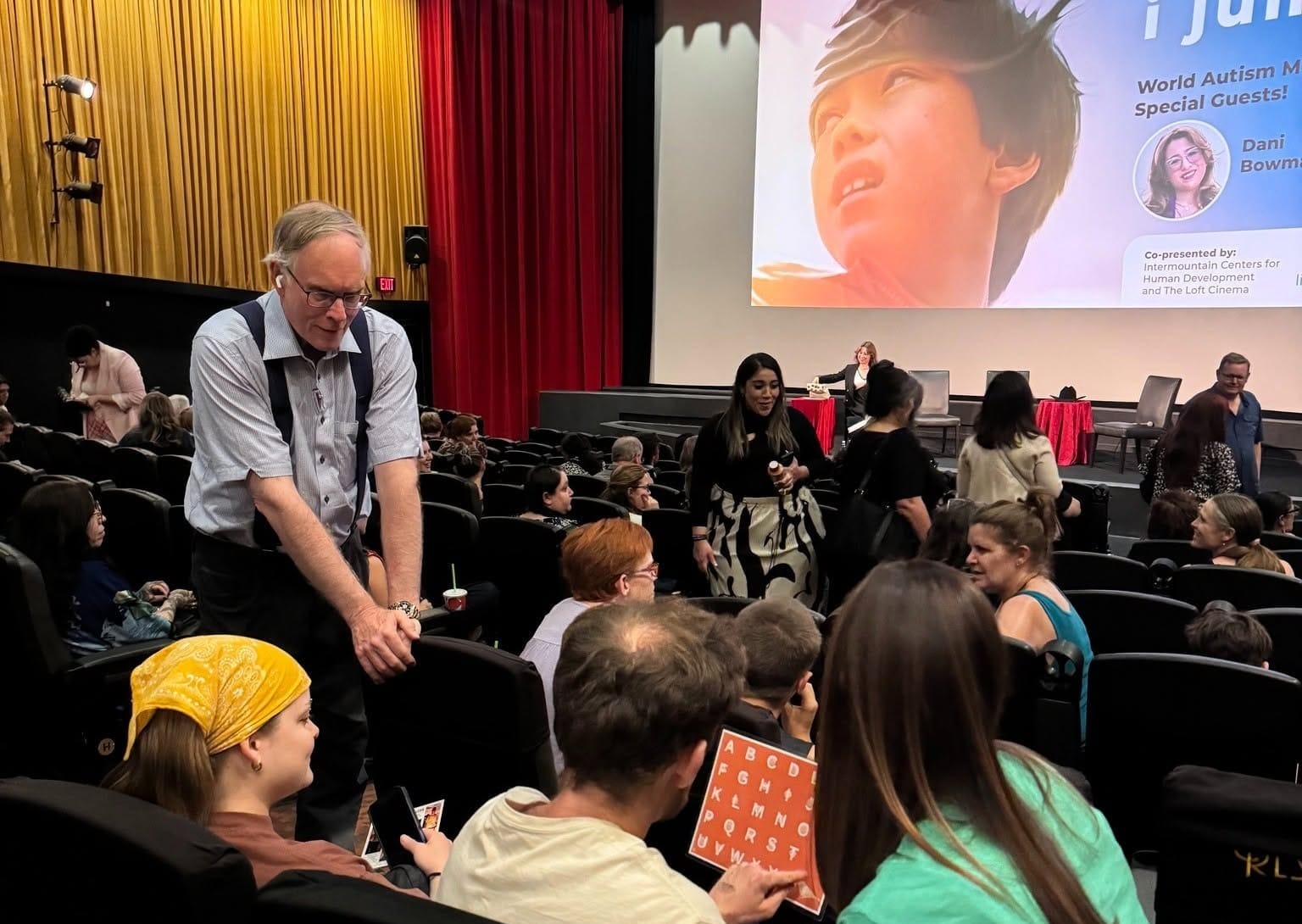
For Curtis, the friendships feel like a revelation.
"For the first time in my life, I have friends who pay attention to me and ignore my weird body," Curtis said. "A Speller friend is a no-nonsense, real friend and will always be there for me."
Tucson Spellers is built to support the whole family, not just the speller.
The organization connects parents with other parents, helps siblings form their own friendships, and offers financial assistance and scholarship opportunities to remove access barriers. Tucson Spellers also sponsored the training of a certified Spelling to Communicate practitioner to expand one-on-one services in the region.
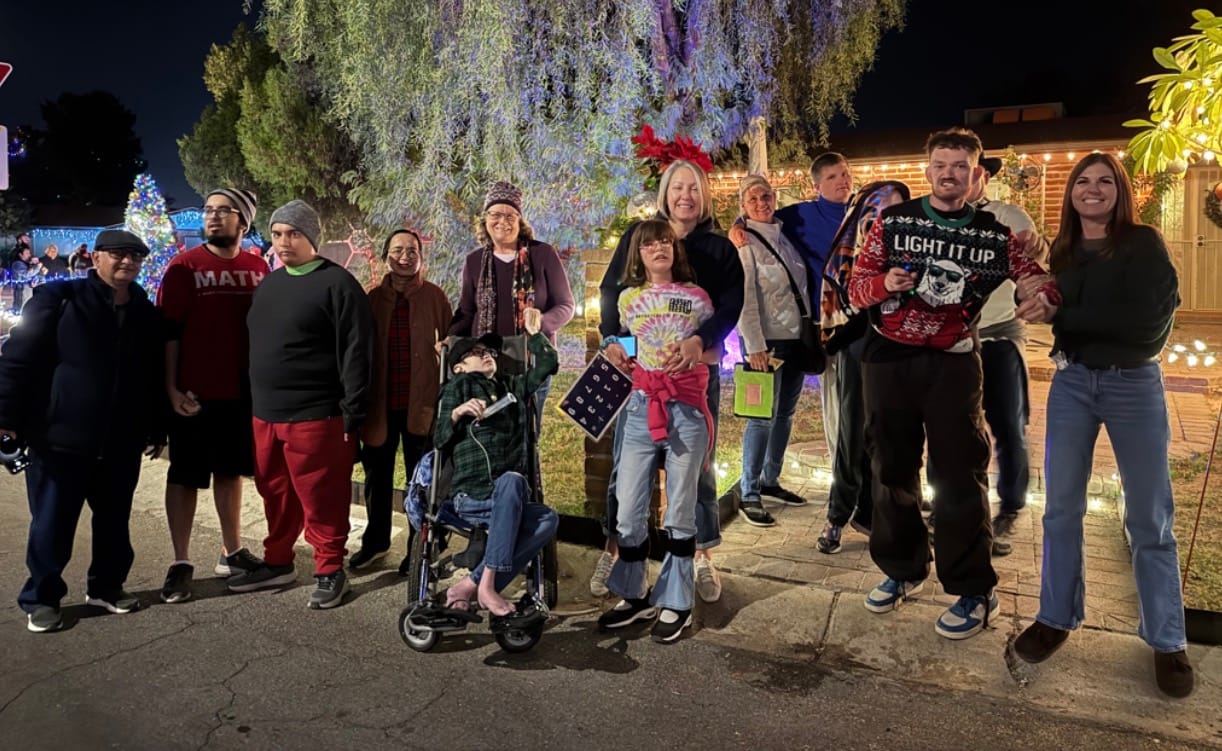
One of the organization's core commitments is moving communication out of therapy rooms and into real life, through activities including hiking clubs, poetry readings, advocacy panels, rock climbing, holiday light walks and community workshops.
"Communication is meant for life, not just therapy rooms," Cameron said. "Nonspeaking individuals deserve the same opportunities as anyone else to participate in friendships, community activities, creative expression, recreation, leadership, and public life."
Britton noted that public visibility also matters. When Tucson residents encounter Spellers members at parks, restaurants and community events, assumptions begin to shift.
"We've had many moments where community members ask questions about letterboards or spelling, which opens the door for meaningful education and greater understanding," Britton said.
Cameron acknowledged that broad cultural change takes time and that not everyone will immediately grasp the nuances of nonspeaking communication, but she suggested the bar for basic decency is lower than people might think.
Respect, she said, does not require full understanding, just a willingness to extend it.
Isabel Vidrio is a University of Arizona alum and freelance journalist in Tucson. Contact her at vidrioi@arizona.edu.
Tucson Spotlight is a community-based newsroom that provides paid opportunities for students and rising journalists in Southern Arizona. Please consider supporting our work with a tax-deductible donation.