SARSEF's ACES Camp marks 20 years, eyes expansion
SARSEF's ACES Camp for Girls celebrated 20 years of bringing Tucson-area middle schoolers into STEM careers, and is now shifting focus toward building a lasting workforce pipeline.
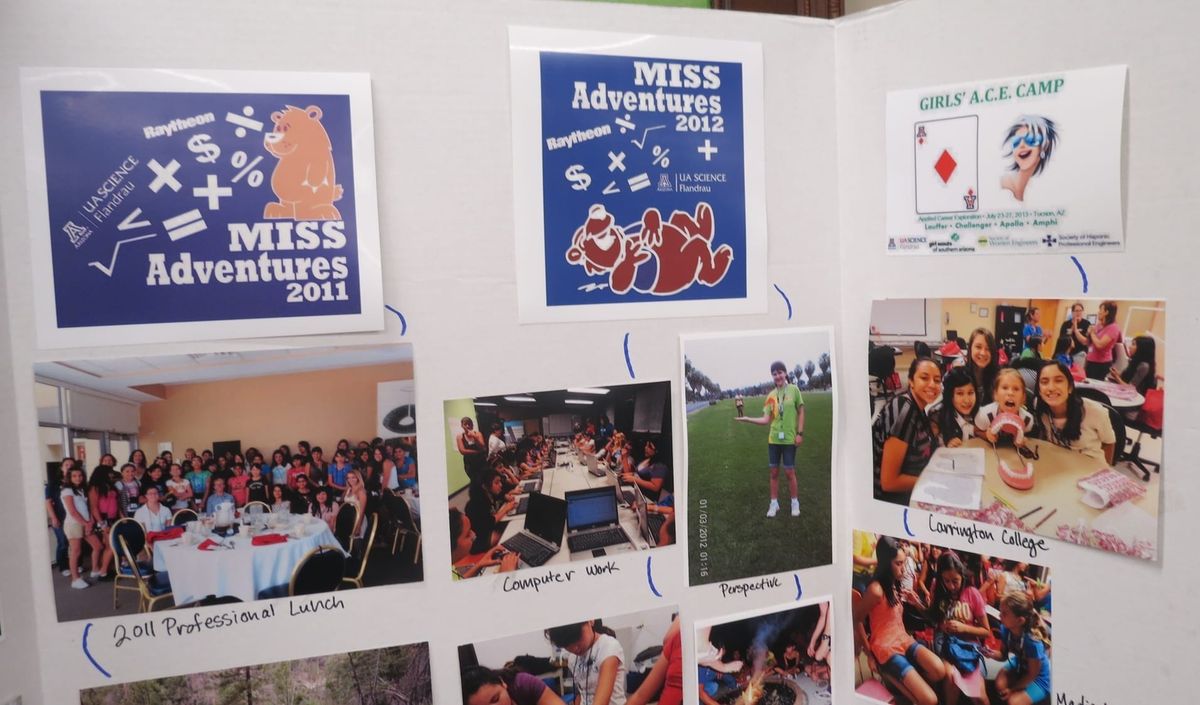
SARSEF's Applied Career Exploration in STEM Camp for Girls just marked 20 years of pulling middle schoolers from under-resourced Tucson classrooms into professional STEM labs, and now it's setting its sights on reshaping the region's workforce for decades to come.
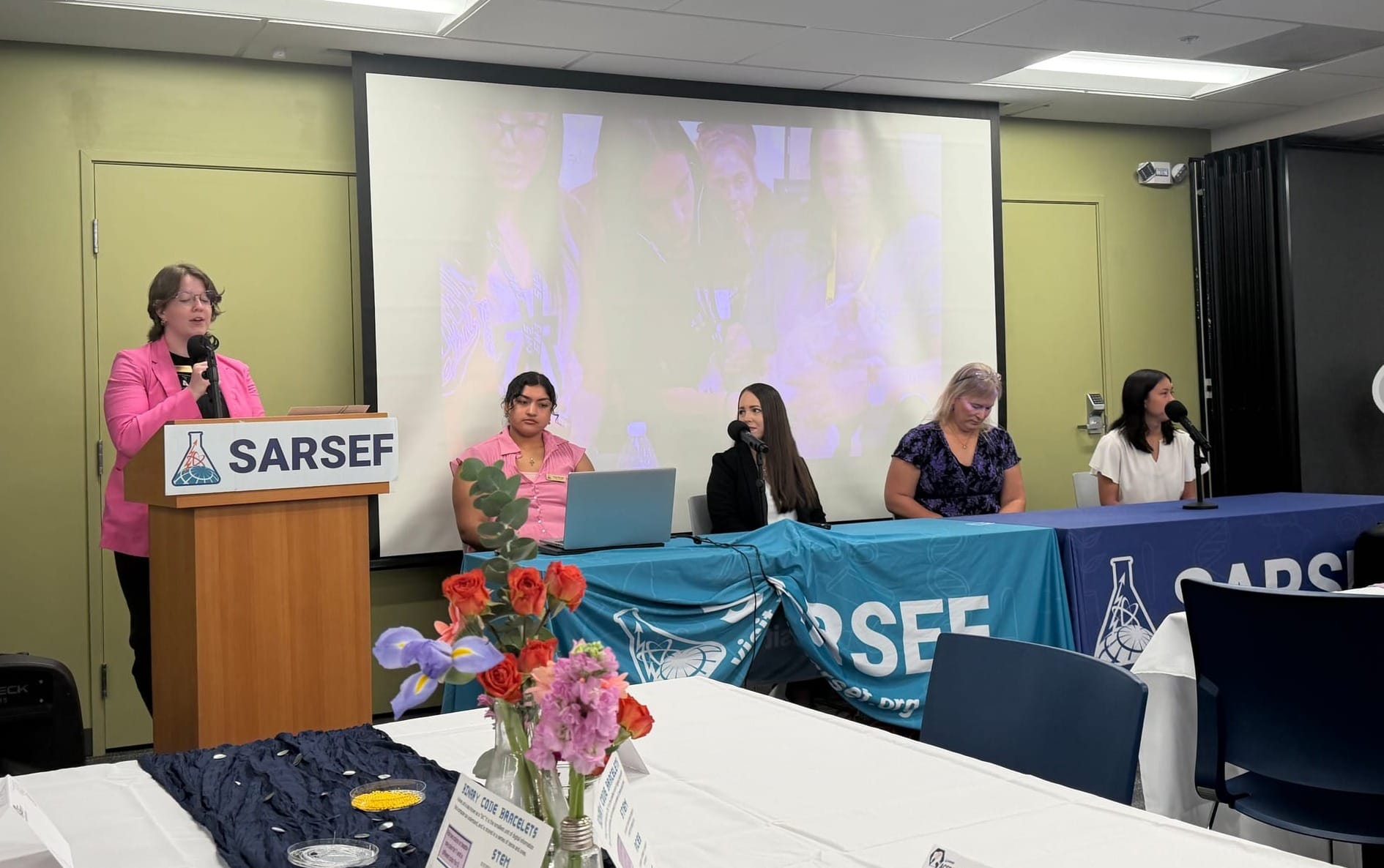
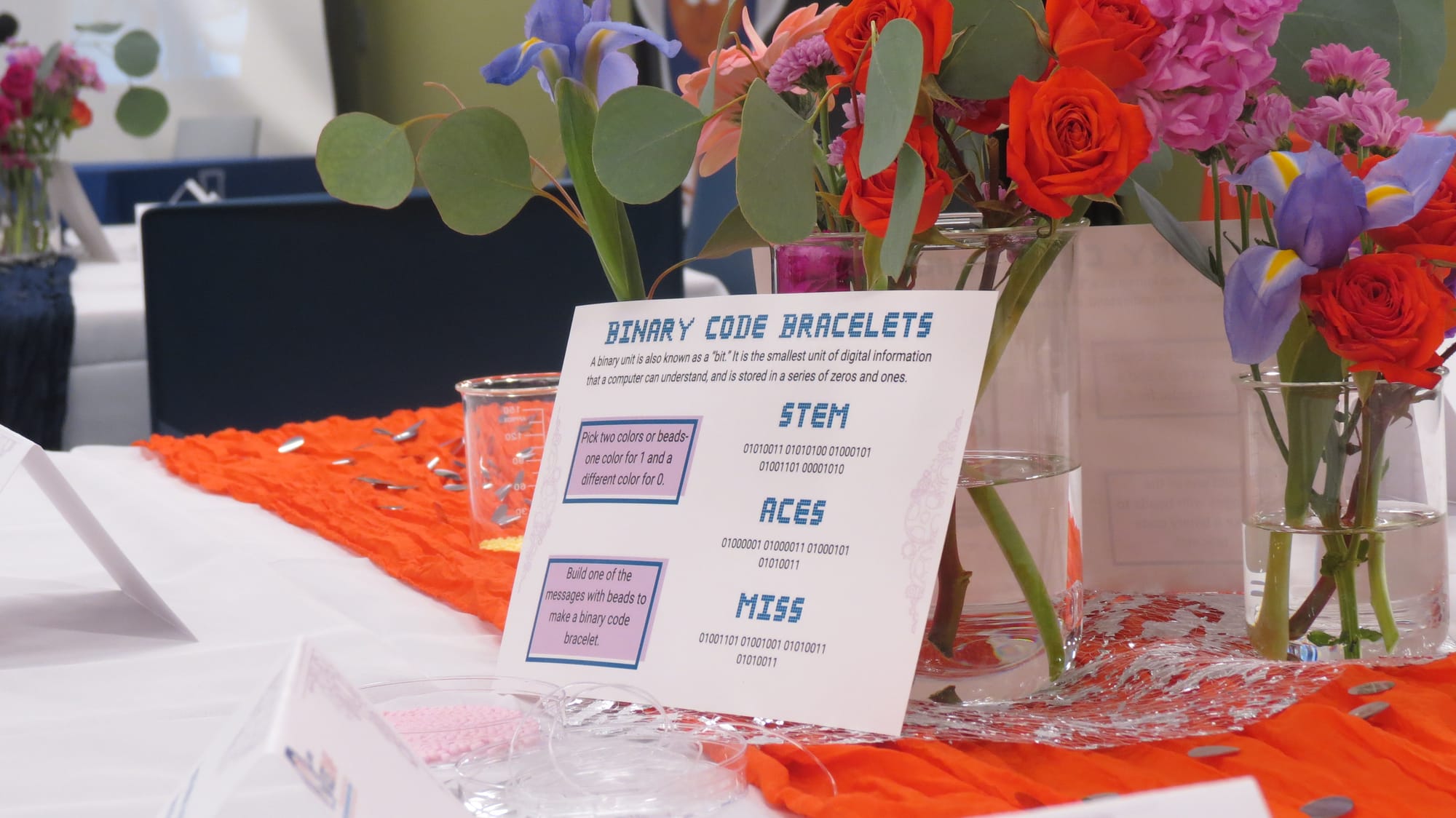
Community members and current participants in the ACES camp celebrated the milestone with a panel discussion Saturday, July 18, hearing from former campers about the impact of the experience.
The Southern Arizona Research, Science and Engineering Foundation created the program to address the drop-off in female STEM participation, targeting middle school students in under-resourced communities across districts like Sunnyside and Tucson Unified School District.
SARSEF continues to look to change that trajectory by shifting its focus toward long-term workforce and leadership development, in partnership with an expanding network of local organizations.
While the program historically focused on building classroom confidence, SARSEF CEO Julie Euber said the next decade will prioritize structural longevity, specifically through tracking and leveraging its growing alumni network to permanently alter the face of Tucson's workforce.
The landscape of STEM education in Southern Arizona looked vastly different when the program was conceived in 2005. Camp co-founder Karen Christensen-Grubb, now an engineering fellow at Lockheed Martin, told attendees at the Saturday event how the early urgency drove the camp's creation.
"Girls were losing interest in math and science at a higher rate than boys were, particularly during the middle school years," Christensen-Grubb said. "Sometimes it was a challenge just to be heard."
Share Tucson Spotlight with a friend. Every signup earns you a raffle entry to win a gift card to a local Tucson favorite. Four winners drawn August 1.
Christensen-Grubb pitched the concept to Raytheon as a primary sponsor, building a grassroots coalition of nonprofits, local restaurants and federal agencies to keep the camp free for families. More than 700 students have taken part in the program since its launch.
The clearest measure of the camp's 20-year history is its ability to turn participants into industry leaders. Chaunteal Kaye, now an associate director in digital technology at Raytheon Technologies, attended the very first ACES camp as a middle schooler from the Sunnyside district.
"ACES Camp means the world to me," Kaye said. "It really opened up a lot of doors coming out of the Sunnyside district as a young child in under-resourced communities, and not being able to envision what a lot of that pathway could be for someone like me."
As SARSEF eyes expansion, the focus remains on keeping the learning environment highly relational. Kayla Miranda, a SARSEF program specialist and ACES camp director, said the curriculum continues to evolve to stay current, shifting from past years' focus on coding and web design to a partnership with the Phoenix Zoo this year, alongside field trips to the Bayer Greenhouse and the Roche Diagnostics center.
"It's a day of being in a kind of unfamiliar, uncomfortable space," Miranda said. "The unfamiliar makes you feel more comfortable and more confident in spaces that you're not used to. That's the main thing about camp."
This deliberate cultivation of confidence is what brings back students year after year. Jeannette "Jenny" Mendoza, a current biomedical engineering student at the University of Arizona, began her journey as an ACES camper during the COVID-19 pandemic before returning for five consecutive years as a counselor.
"The biggest thing that I remembered in my camp experience was just the way that it made me feel," Mendoza said. "I learned how much effort and energy the camp counselors and staff put together to cultivate an environment where you feel accepted, where you feel belonged, and provide advocacy."
The academic philosophy driving ACES operates on the premise that Southern Arizona's talent pool already exists: The barrier is systemic access. By absorbing the financial burden and placing students inside professional laboratories, the program ensures socioeconomic status doesn't dictate access to advanced technical spaces.
True equity requires a dual approach, Euber said: building individual confidence while simultaneously preparing local industry leaders to receive these students.
"Different students will get different messaging about if they belong in STEM. We want to make sure that they absolutely belong," Euber said. "That requires both giving them the confidence and skills, since we know that the aptitude is in them. It also means making sure we bring in partners so that they see these incredible students as their future workforce."
Panelists jokingly agreed that the ultimate goal is "ACES world domination," but spoke seriously about the ability to take the model across the state and into others.
This will ensure that when the community gathers again in 20 years to celebrate the program's success, they'll be celebrating thousands of alumni who successfully claimed their seats at tables they didn't originally see as built for them.
Isabel Vidrio is a University of Arizona alum and freelance journalist in Tucson. Contact her at vidrioi@arizona.edu.
Tucson Spotlight is a community-based newsroom that provides paid opportunities for students and rising journalists in Southern Arizona. Please consider supporting our work with a tax-deductible donation.