Tucson Asian Night Market grows into cultural staple
The Tucson Asian Night Market returned for its third year last month, drawing thousands to Kino Sports Complex for food, performance and a celebration of Asian cultures that has grown well beyond its organizers' expectations.
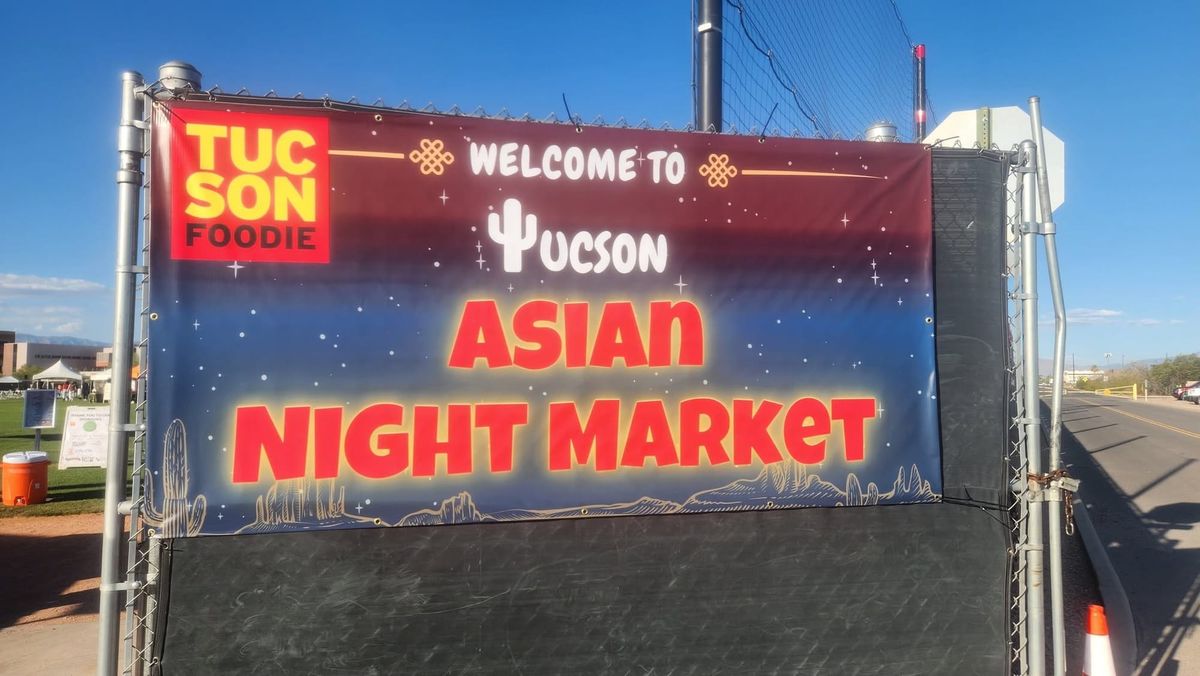
In a city where Asian communities have long sought spaces to celebrate their heritage, a night market built around food, performance and cultural exchange is finding an audience far larger than anyone expected.
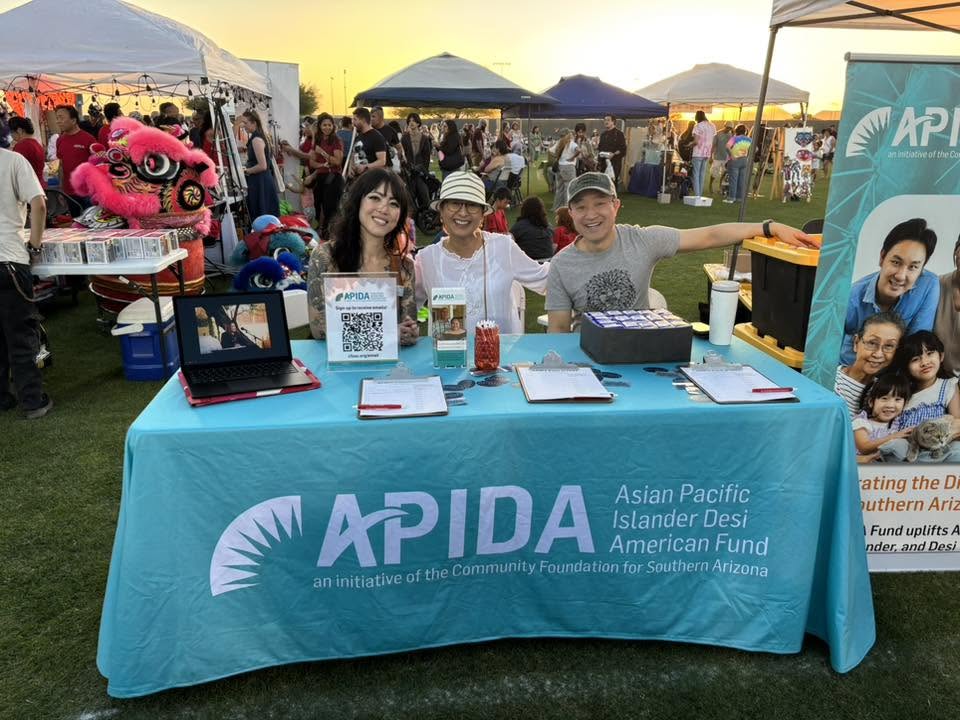
The Tucson Asian Night Market opened its doors for the third time last month, filling Kino Sports Complex with food trucks and stalls, vendors, performers, cosplayers and more.
The primary goal of the market has always been to highlight Asian cultures. Organizer and Tucson Foodie owner Shane Reiser said he drew inspiration for the market from other cities executing similar ideas, saying he is always looking for gaps in the community that Tucson Foodie can help fill.
Partnering with community members and groups with similar ideas, the market eventually evolved into what it is today: a sought-after celebration of food, culture and the arts.
"That's one of the things I love about the market. It was not some perfectly polished concept that came from one person or one company. It was a shared idea that a lot of people were already feeling in different ways," Reiser said. "Tucson Foodie helped bring marketing, organization, and production support, but the heart of it has always been the community."
Reiser said the market's deeper purpose is representation and visibility, not just food.
"Families show up together, kids see their culture celebrated in public, vendors get in front of new customers, people try things they may not have grown up with, and Tucson shows up for communities and businesses that deserve that spotlight," he said.
Tucson Spotlight trains the next generation of Southern Arizona journalists and publishes their work free for everyone. No paywalls, no corporate backing — just readers who believe this community deserves better local news.
Small business owner and organizer Mariam Pacheco said it's important to have spaces and events for Tucson's Asian diaspora to connect, explore and get involved in their respective cultures.
"When I first moved into Tucson about eight years ago, I was definitely feeling homesick at the lack of an Asian community," Pacheco said. "I have watched as numerous restaurants and places have popped up throughout the years. I've been waiting for an Asian culture-centric event to occur and I jumped at the opportunity to participate."
The market's first run in May 2025 drew roughly 5,000 attendees when organizers had planned for about 2,000. The second market drew roughly 10,000 after planning for 5,000.
This year, organizers moved the market to a bigger venue, capped attendance at 4,000 and added staff, security, restrooms, entertainment and power.
While the adjustments helped make the crowd more manageable than in previous years, lines inside and outside the market remained long, organizers turned away crowds still trying to get in and several vendors ran out of food.
"That's not the experience we're trying to create," Pacheco said. "The demand is definitely hard to match but we've been improving every year and hopefully will continue to improve and grow."
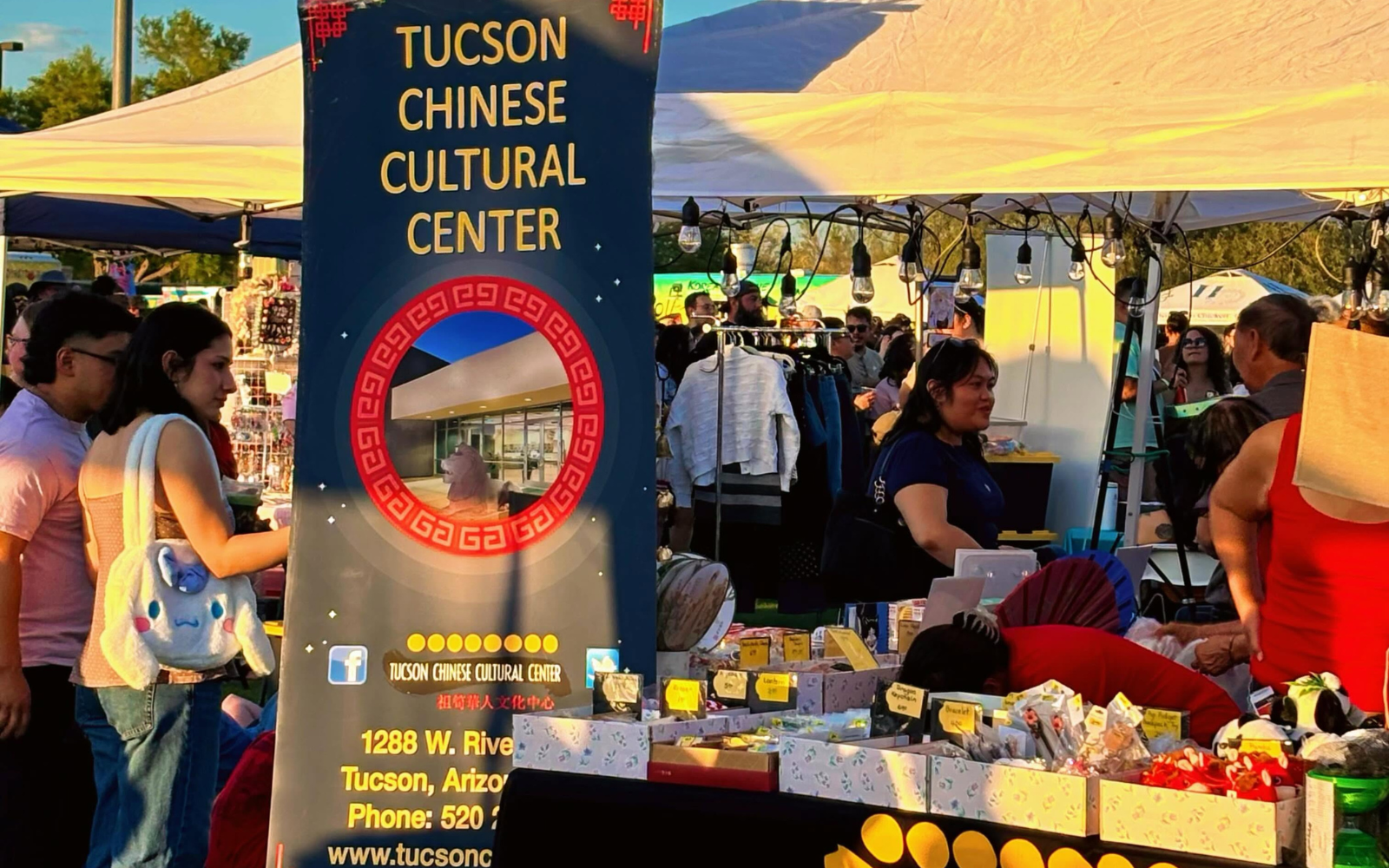
Susan Chan, executive director of the Tucson Chinese Cultural Center, said she's glad to see so much interest in the event.
"It's great to be able to share culture, specifically the Chinese culture and diversity, equality and inclusion," Chan said. "I've seen more appreciation for our culture. We have a field trip program. Schools come to our center to spend 3½ hours learning about Chinese culture."
Patrick Chamberlain is a senior instructor in gumdo, a traditional Korean martial art focused on swordsmanship, mental discipline and physical fitness. During this year's night market, he was teaching mini-lessons to attendees interested in learning more about the sport.
"I think (the market) allows a bunch of people from a bunch of different aspects who enjoy Asian culture to come out and celebrate, share interests and offer opportunities for a bunch of different things," Chamberlain said. "This world gets remarkably small once you start travelling, so it's wonderful to share different cultures and experience them as well."
South Asian communities have found a place at the market as well.
"With Asian cultures, we want to include South Asian cultures as well," said Maancy Saksena, project manager for Destinet, a nonprofit dedicated to connecting Tucson's Indian community. "It's been great getting to talk to people. People are excited to hear about (Destinet)."
Plans for the next iteration of the Tucson Asian Night Market are already in the works.
Pacheco said event organizers have been reviewing feedback and have begun working on the next round of improvements, especially around long lines and the high demand for food.
"We're definitely looking at the bigger picture and exploring solutions for the future, which may include things like potentially staggering entry time or splitting it into a two-day event, basically trying to match the demand with supply without overwhelming our vendors as well," Pacheco said.
Reiser said the growing pains are part of the process.
"The market is still young. Every version has taught us something, and every version has pushed us to make the next one better. The goal is to keep the heart of it intact while making the logistics match the level of community interest," Reiser said.
Gabrielle Cotnoir is a University of Arizona journalism student and Tucson Spotlight intern. Contact her at gabriellecnews@gmail.com.
Tucson Spotlight is a community-based newsroom that provides paid opportunities for students and rising journalists in Southern Arizona. Please consider supporting our work with a tax-deductible donation.