Thamju brings Indigenous power to Tucson’s hardcore scene
Born from backyard jam sessions, Indigenous hardcore band Thamju is emerging as a fierce new force in Tucson’s metal scene, blending cultural roots, community and raw emotion into their sound.
Thamju came together the way many bands do: without planning, without pressure and almost entirely by accident.
What started as a few backyard jam sessions among friends has grown into one of the loudest new voices in Tucson’s metal and hardcore scene.
Today, Thamju stands as an Indigenous hardcore band rooted in community, culture and the raw energy that first brought its members together.
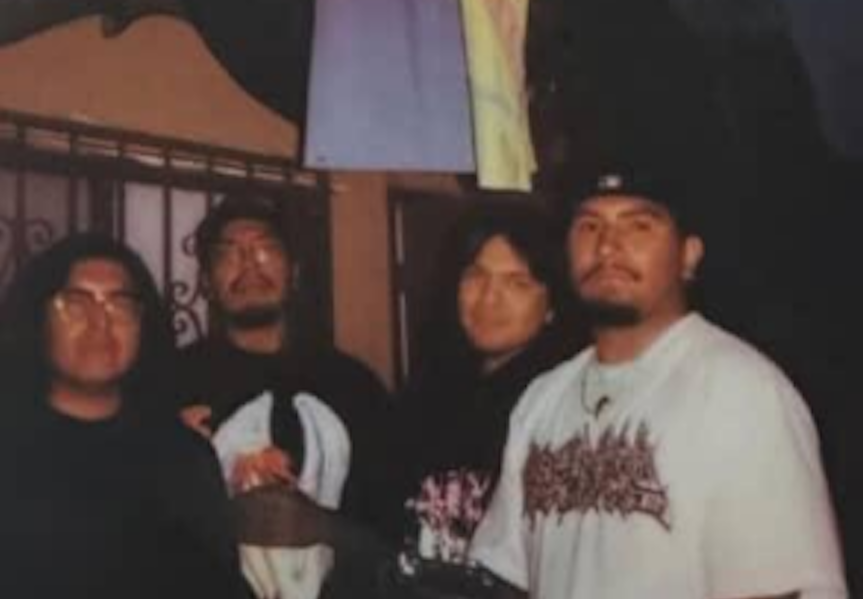
Thamju consists of vocalist Warren Mattias, drummer Angel Rain Nunez, guitarist Scout Henry and bass guitarist Damien Carlos.
“It kind of started with Warren,” Rain said. “He had a drum set, but he couldn’t play it in (Tucson), so he’d come out here, and we’d just jam. Over time, it got serious, like, we were actually writing stuff.”
Casual jam sessions slowly evolved into something far more intentional, as Mattias and Rain were soon joined by bass player Carlos and guitarist Henry.
“It really started for fun at first,” Henry said. “I think once we got that first show, that’s when it got real. Like, we had to think, what are we going to write? We didn’t have much, but we took what we had and ran with it.”
The name Thamju represents both a familiar Thamju phrase and a link to their cultural roots.
“I came up with it,” Rain said. “There were a few names in the hat, but Thamju stuck. It basically means ‘don’t do that’ or ‘(mess) around and find out.’ It’s something we all know.”
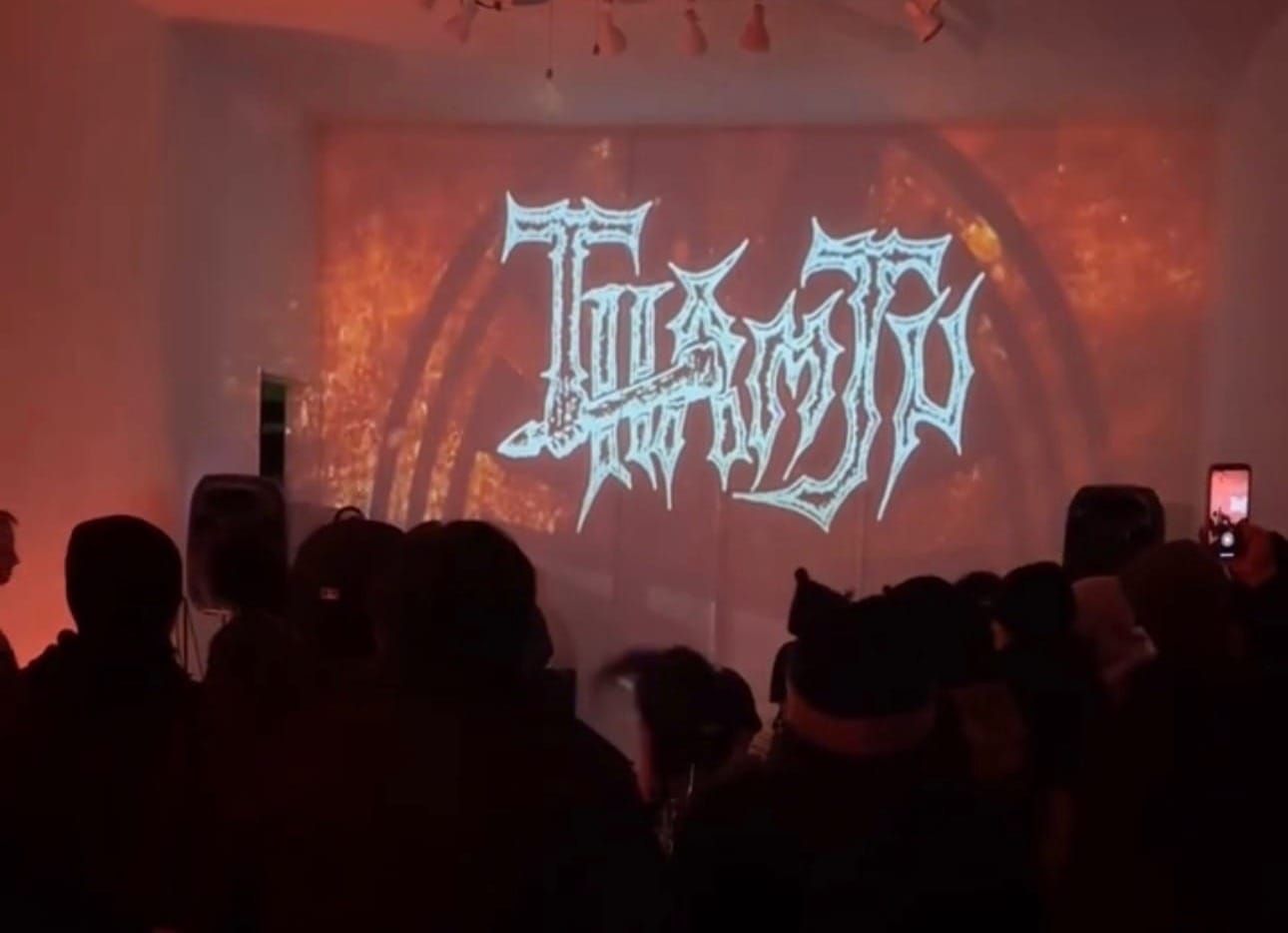
For the group, the name reflects the band’s spirit: rez-born energy that doesn’t shy away from being loud, proud or unapologetically Indigenous. Their shows embody that same spirit — raw, emotional and driven.
“People always ask what it means or how to say it,” Rain said. “We tell them, and it always gets a laugh. But for us, it’s also about putting our language and our culture in people’s faces. Reminding them we’re still here.”
For Thamju, Indigenous hardcore is about more than sound. It’s a way to express identity, emotion and community.
“It’s the youth’s aggression, whatever they’re going through in their personal life,” Angel explained.
Rain noted that youth in particular are navigating a wide range of challenges affecting their spiritual, emotional and mental well-being.
“This scene gives them a space to let it out,” he said. “I see it at shows, youth getting their aggression out, throwing down.”
For Henry, Indigenous hardcore is as simple as it sounds.
“It’s just Indigenous people making hardcore music,” he said. “We’re showing what the rez can do.”
The band’s influences are as wide-ranging as their sound. Rain draws inspiration from jazz, R&B and even rap.
“I love Tech N9ne,” he said. “And jazz. There’s just something about the drums.”
Henry brings thrash and metal into the mix.
“I grew up on Megadeth, Municipal Waste, Exodus,” he said. “I love those chugging riffs. But now I’m into slam — bands like Peeling Flesh or Jesus Piece. Stuff that hits hard.”
Carlos’ roots are more melodic.
“I was into pop-punk in high school,” he said. “Citizen, Neck Deep, Being as an Ocean … I just loved the way the bass sounded.”
Their music is more than just sound. It’s an outlet for everything they carry. For the members of Thamju, hardcore has been a way to work through emotions and find connection.
“It brings unity,” Angel said. “Bands like Poison the Well really helped me. It wasn’t just aggression, it was emotional, too. It helped me not hold things in. And at a hardcore show, that’s the place to let it out. It’s healing.”
The community they’ve built around their music reflects that same energy. At their shows, the crowd doesn’t just listen — they participate.
“There’s something about seeing people move to your music,” Henry said. “Like, before, people didn’t know what to expect. But now, they know when to get down. They know the songs. It’s surreal, honestly.”
Thamju has become a fixture in the local metal and hardcore community, where Indigenous bands are steadily gaining visibility. Their shows bring familiar faces and new ones alike.
“We see regulars who always come out,” Henry said. “But they bring new people, too. It’s growing, not just in Tucson but all over. We want our shows to be a safe place. Somewhere you can throw down and just be yourself.”

The band’s reach now extends beyond Arizona. Their first time playing in Albuquerque left a mark none of them will forget.
“When we hit a breakdown and heard the war cries. It was unreal,” Rain said. “Just hearing that from the crowd. It’s like, this is ours.”
Henry agreed.
“It’s an honor to hear that,” he said. “It reminds me of our roots, like going into battle. It pumps you up, makes you want to play harder. It’s a blessing.”
The band’s journey has connected them with Indigenous and local bands across the Southwest, including Gun Game, Nowehji , Heresy, Treaty, Sacred Path, and Murder Rate.
Thamju also noted the influence of Shadow Enos of Murder Rate, who helped create opportunities for Indigenous artists.
“They’re the homies,” Angel said. “They always show love, and we do the same. It’s all mutual. We put them on, they put us on. That’s what it’s about: supporting each other.”
Looking ahead, the band is focused on one main goal: recording their first EP.
“We started as a live band,” Henry said. “Now we want to get our music out there. We already have merch and shows lined up.”
Thamju hopes that recording will open new doors and bring even more opportunities to perform.
“We just want to keep growing,” Rain said. “More songs, more shows, more everything.”
Trinity Norris is the founder of O’odham Media and has a master's degree from the University of Arizona in Global Media Studies.
Tucson Spotlight is a community-based newsroom that provides paid opportunities for students and rising journalists in Southern Arizona. Please consider supporting our work with a tax-deductible donation.