
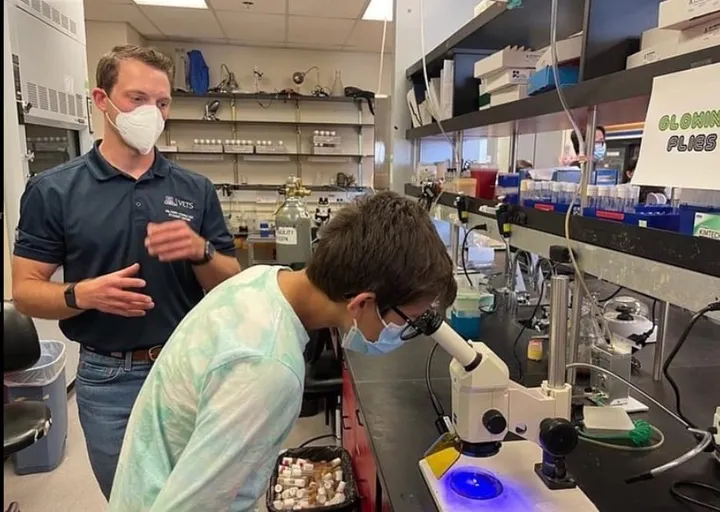
SARSEF innovates science education amid COVID-19 challenges
SARSEF continued to transform science education in Southern Arizona throughout the 2020s, adapting to a global pandemic with virtual and hybrid models.
News about K-12 education, the University of Arizona and Pima Community College.
SARSEF continued to transform science education in Southern Arizona throughout the 2020s, adapting to a global pandemic with virtual and hybrid models.
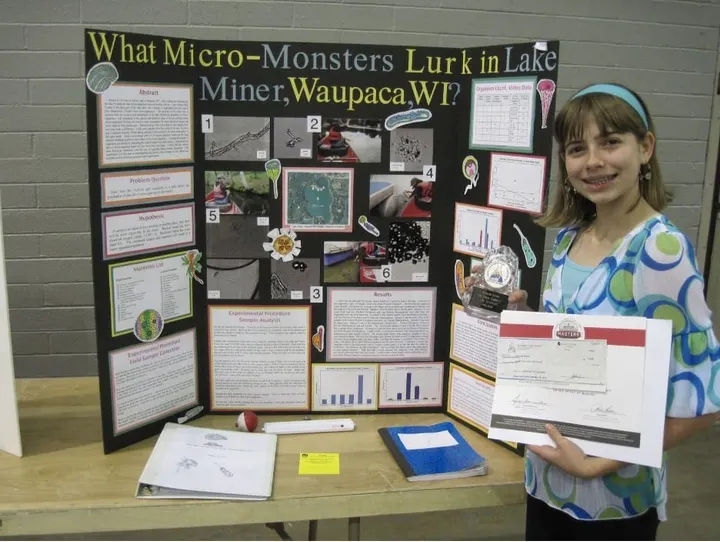
SARSEF empowered thousands of Arizona students in the 2010s, launching many from science fairs to global competitions and successful STEM careers.
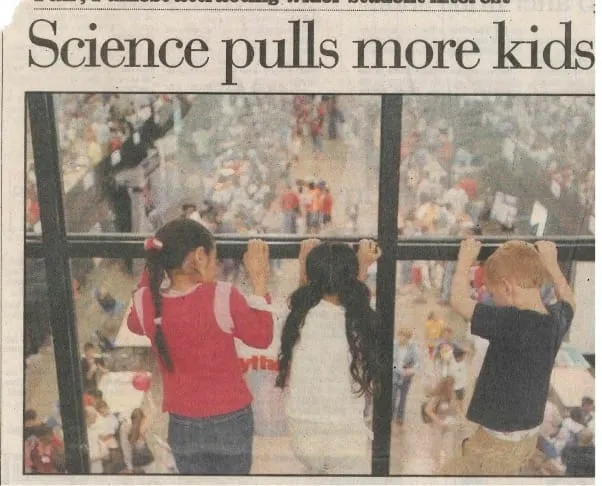
The 2000s transformed SARSEF into a powerhouse for young scientists, driving innovation in space, tech, and STEM diversity.
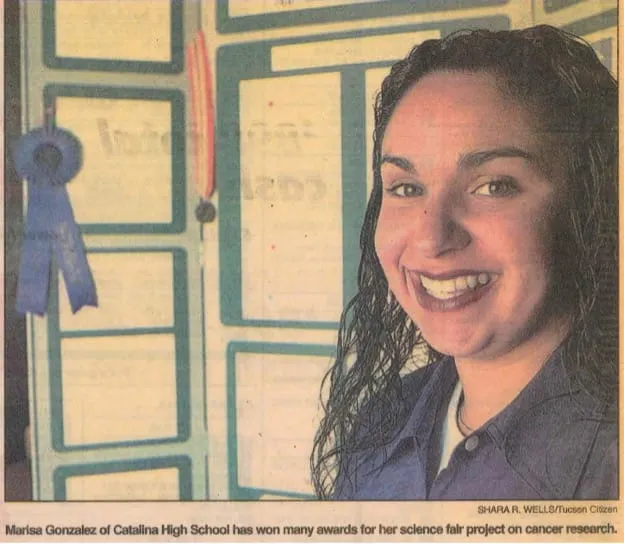
In the 1990s, Tucson's SARSEF transformed science fairs into a national obsession, fostering innovation and putting the city on the global stage.
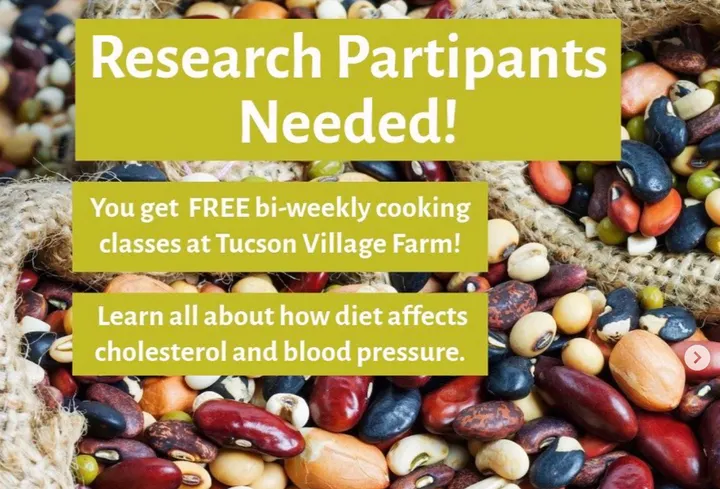
The UA and Tucson Village Farm are recruiting volunteers for a study to investigate whether doubling daily pulse consumption, including beans, lentils, and chickpeas, can improve cholesterol, blood pressure, and overall heart health.
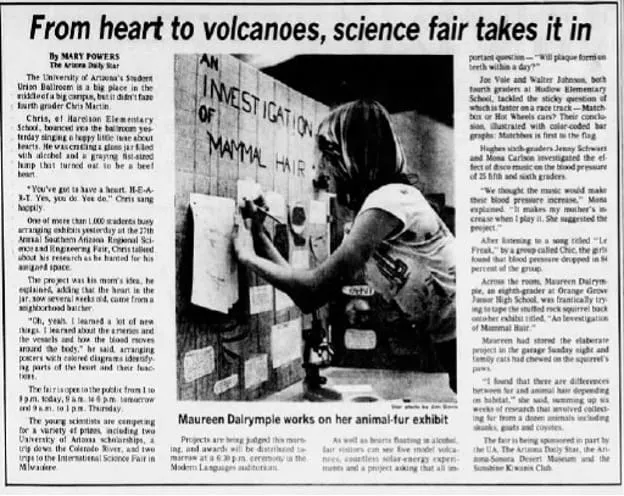
SARSEF projects in the 1980s showcased student innovations that paralleled major advancements in technology, energy, medicine, and environmental science.

For over 25 years, Pima Community College has offered free citizenship classes, equipping thousands of residents with the knowledge and skills to successfully complete the naturalization process.

In the 1970s, SARSEF empowered young scientists to explore innovative projects on topics like tobacco, vehicle aerodynamics, and cardiovascular research, reflecting the decade's spirit of discovery.
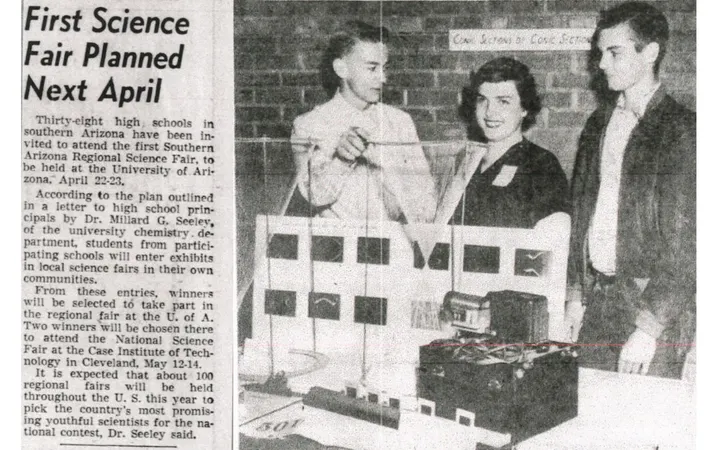
SARSEF's early years in the 1950s and ’60s showcased student projects inspired by breakthroughs in DNA research, space exploration, and environmental science.