Southern Arizona farmers test new tactics against drought
Southern Arizona farmers are testing new irrigation methods and crop strategies as Colorado River cuts and extreme heat strain the region's water supply. But researchers say individual efforts won't be enough without stronger policy support.
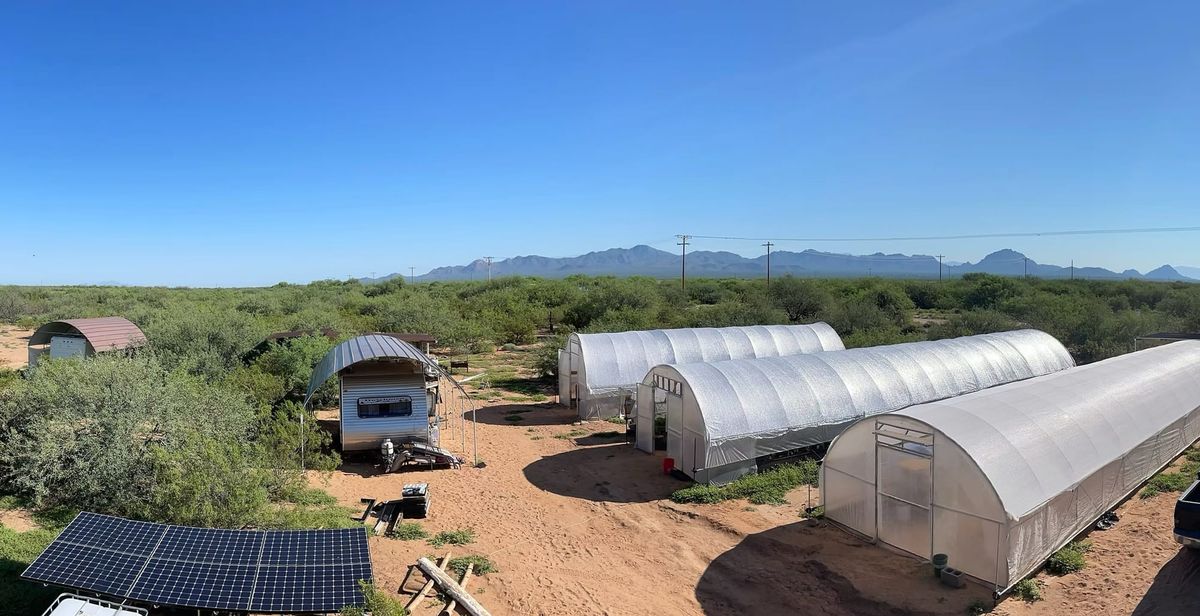
Easter is supposed to be Awareness Ranch's biggest market day: eggs, radishes and greens, the last harvest before Arizona's heat shuts everything down. This year, there was nothing to sell. The radishes had already bolted, weeks ahead of schedule.
The warm temperatures have disrupted the growing season for Cassandra Bock, a farmer at Awareness Ranch, a sustainable agriculture farm and natural building center located just west of Tucson. It's left the farmers, who once had set seasons and weather patterns to go by, searching for the next best solution.
"We have a peach tree on our personal property downtown. It has no flowers this year because it was too warm. They need a minimum of 300 chill hours, so we must not have gotten enough," Bock said.
Bock's disrupted season is part of a larger pattern: Arizona recorded one of its hottest winters on record this year, with data to match what farmers are already feeling.
In March, Martinez Lake, Ariz., near the Yuma Desert, set a U.S. record for the hottest day of the month at 110 degrees. Phoenix also set its hottest March day on record at 105 degrees.
Arizona is one of the hardest-hit states by climate change, which has started to cause harm to "human health and wellbeing, economic prosperity and social welfare, natural and modified ecosystems, food and water security, and cultural heritage," according to a 2024 research study published in Sustainability.
But the heat is only half the crisis. Michael Kotutwa Johnson, an assistant professor of Indigenous traditional ecological knowledge at the University of Arizona, says water is the larger threat.

He said the drying Colorado River is causing major issues across the state.
"That's what a lot of these farms are dependent upon … for their food, for their water supply, and so it's a hard situation to really kind of figure out what the ultimate solution would be," Johnson said.
Drought ranks among agriculture's most significant stressors, stunting crop growth, development and productivity. The Colorado River's levels have declined by 20% since 2000. In response, the federal government has sought to restrict the amount of water available to Southwest states.
Arizona is facing 77% cuts to its Colorado River supply as water levels drop further, a blow to farmers already contending with extreme heat. Agriculture accounts for 80% of the river's water use, and deeper shortages could force farm closures and wipe out profits.
Overallocation compounds the problem: more water is promised than rivers and streams can deliver. Farmers rely on pumps to move water across their land, but many say the pumps are already falling short. Further cuts could turn critical fast.
The crisis extends beyond water volume. Groundwater pumping and river water transport generate more carbon emissions than any other agricultural production in the state, according to research by the UA. As farmers scramble for alternative water sources, they risk compounding the problem driving the crisis.
Johnson points to policy as part of the answer.
"We have active management areas. You know, like in Wilcox, a state attorney general had to step in there and negotiate with the dairy industry over there because they were using all their groundwater," Johnson said. "Those kind of things we need to do, and the communities need to do to prepare for the future."
How farmers are adapting
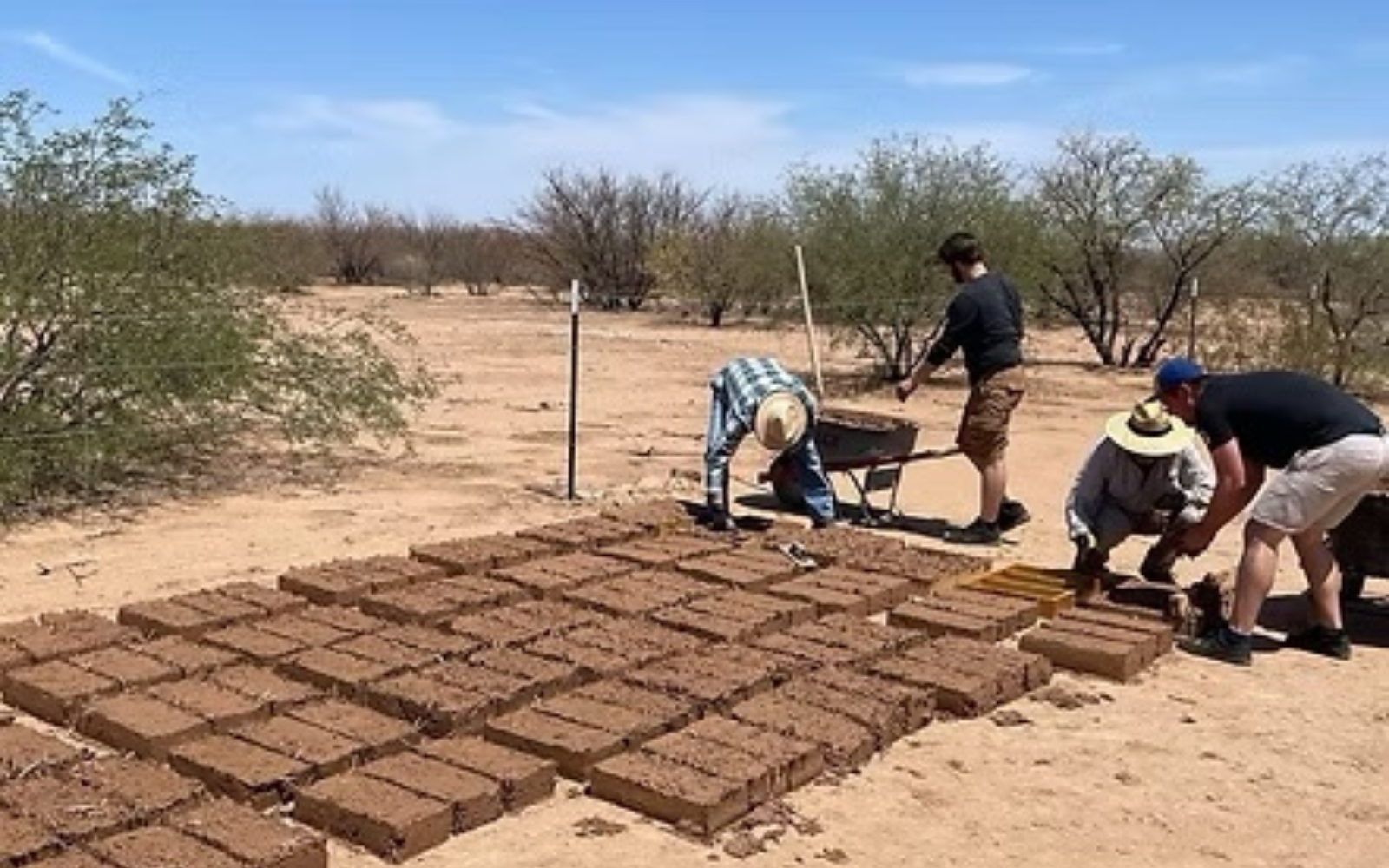
Faced with shrinking water and unpredictable seasons, farmers like Bock are rethinking everything, starting with what they plant.
The absence of radishes and leafy greens was disappointing, but it reminded Bock of the importance of not relying on a single crop, and to be adaptive when a crisis arises.
She has significantly shifted her planting schedule after a disappointing tomato season last year.
"We started them two months early, and it was perfect," Bock said.
She's not the only one. After last year's widespread, difficult tomato season, other farmers and seed producers are leaning toward starting tomatoes early.
She's also leaning into heat-tolerant native crops.
"Things that are more towards this local cuisine... that just grows great in the heat," she said. "We do New Zealand spinach during the summer because it's heat-tolerant."
Bock arrived at this instinct through trial and error, but Johnson inherited it. His Hopi dry farming practice draws on crops adapted over thousands of years to survive on rainwater alone.
"It's like this cactus plant, it can survive in this area with a limited amount of water, because it's been here forever," Johnson said. "Same thing with corn. Corn is a very heavy use of water crop, but it's been (grown by) Hopi for 3,000 years, and over time, that's adapted."
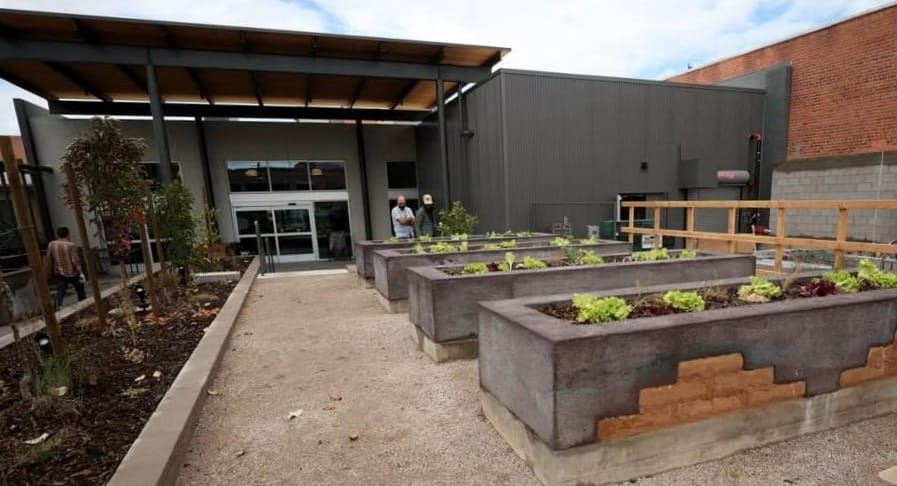
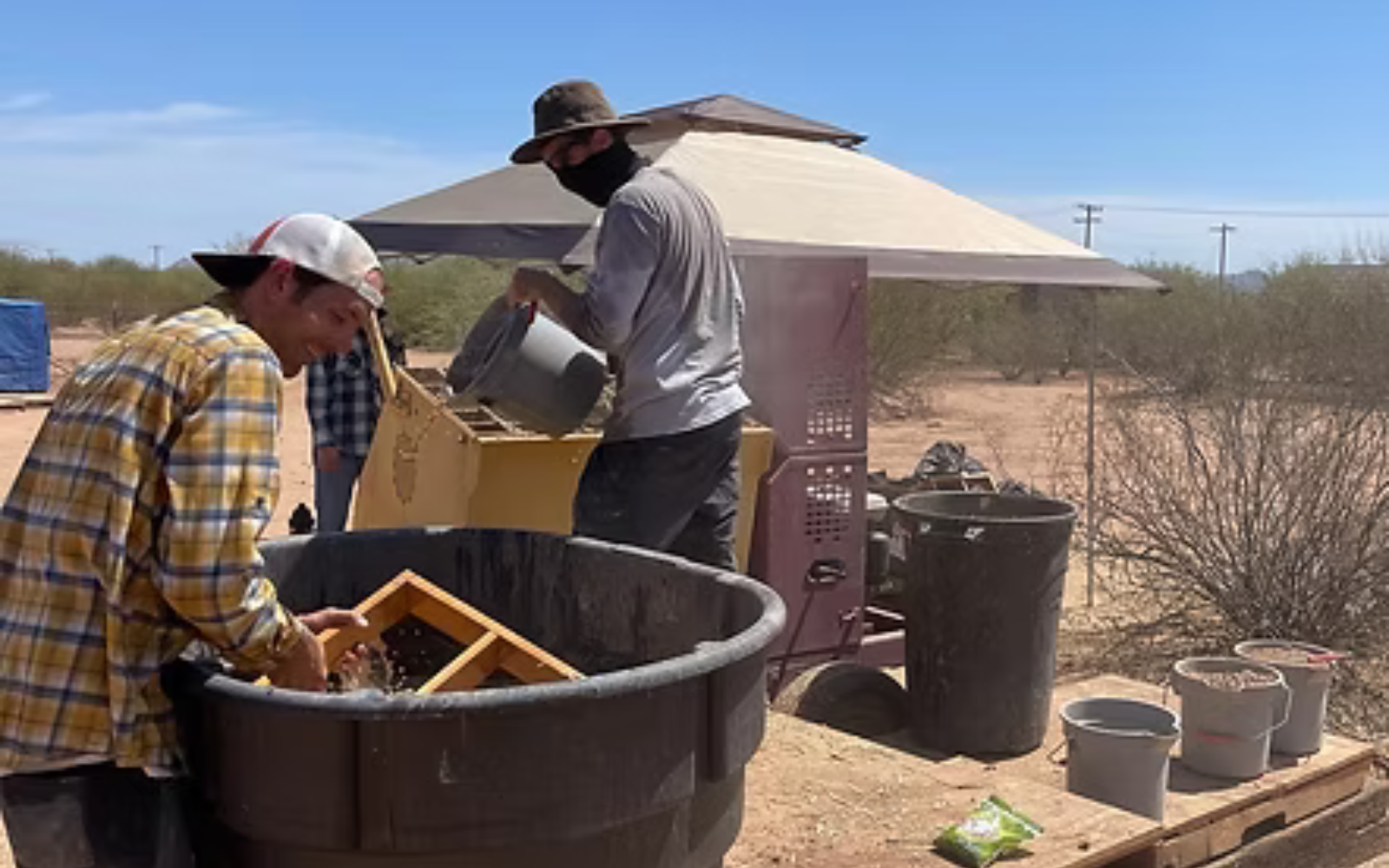
Awareness Ranch also uses alternative methods like permaculture, rainwater harvesting, aquaponics and responsible stewardship.
Bock said she's not sure if the methods will have long-term advantages, but they are benefiting her now.
Johnson is skeptical of the dependence on scale and technology.
"We always have 3,000-acre farms, or we always have that kind of thing that are relying upon heavy industrialization," he said. Nobody is out there walking their fields anymore, he added, and when industrialization fails in heat and drought, people are going to struggle.
Research supports this trend: from 1997 to 2017, the average farm size in Arizona decreased by 57% while the number of farms increased by 127%, trending toward smaller, more sustainable operations.
On the funding side, the USDA awarded more than $4.7 million to support climate-smart food production in Arizona, with the goal of reducing 60 million tons of carbon dioxide over the course of the project.
State programs, including the Arizona Department of Agriculture's Resilient Food Systems Infrastructure program and the Arizona Natural Resources Conservation Service, also offer financial support for small-scale and underserved producers.
What now?
None of these solutions can carry the weight alone, and without policy support and public funding, their impact will remain limited.
For small farms already operating on thin margins, the cost of adapting and the cost of not adapting may lead to the same outcome.
For Johnson, the obstacle is not just political, it is cultural.
"As much as I am a scientist, as much as I love it in my mind, unless we change our value system, like how we look at things, how we look at water, it's going to continue to spiral," Johnson said.
The question is no longer whether climate change is affecting Arizona farmers, Johnson said. The question is what comes next.
"The climate is going to do what she wants to do, what the nature ... wants to do. It's just a matter of, how do we adjust to this? What kind of solutions do we come up with?" Johnson said.
Survival depends not just on plants that can withstand harsh conditions, but on preserving the family and cultural ties that have sustained farms for generations.
"It doesn't matter if you're industrial or if you're traditional or whatever you are, (what matters are) those family values, those core values that we have as a people maintained," he said.
Bock's strategy is to continue to find new plants and work alongside nature, not against it.
"We save every plant material to put back into soil building, because we do live in the desert," Bock said. "To survive the desert, you must work with the desert."
Emma LaPointe is a journalism, political science and German Studies major at the University of Arizona and Tucson Spotlight intern. Contact her at emma.m.lapointe@gmail.com.
Tucson Spotlight is a community-based newsroom that provides paid opportunities for students and rising journalists in Southern Arizona. Please consider supporting our work with a tax-deductible donation.