South Tucson ends Flock camera contract
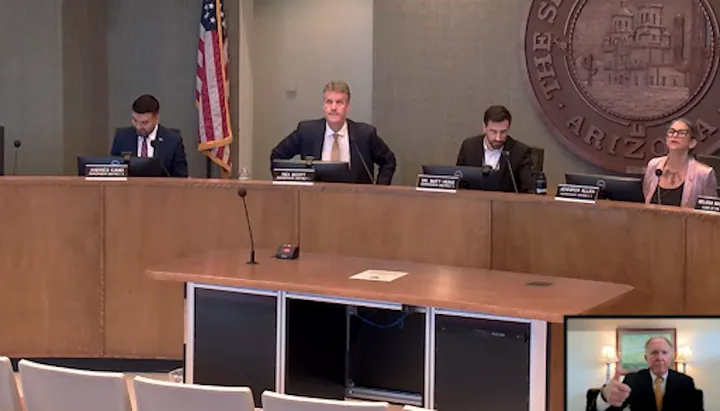
The South Tucson City Council voted 5-1-1 to cancel its Flock Safety license plate reader contract after privacy concerns, becoming the third Arizona city to cut ties with the company.
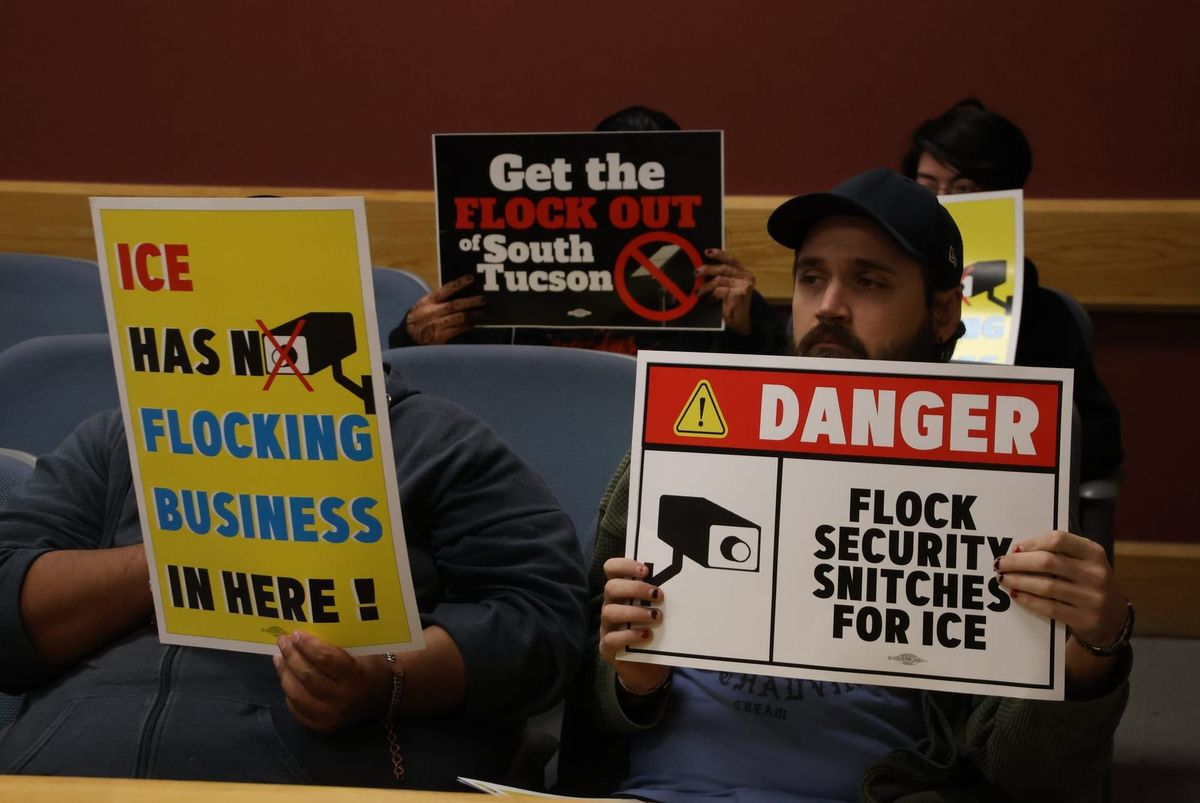
The city of South Tucson will end its contract with Flock Safety, removing the automated license plate reader cameras installed across the city after months of debate over privacy and public safety.
The City Council voted Feb. 17 to cancel the agreement, making South Tucson the third Arizona city to cut ties with the surveillance company amid growing scrutiny of how data from the cameras is used and shared.
The measure passed on a 5-1-1 vote, with Council Member Paul Diaz abstaining and Council Member Melissa Brown Dominguez voting no.
The vote to terminate the agreement comes after the City Council postponed the decision in November, citing the need for additional research on Flock’s cameras and potential replacement options.
The City Council’s decision follows similar moves in Sedona and Flagstaff, where critics have raised concerns about broad surveillance, oversight and data retention.
In response to privacy concerns, the South Tucson Police Department created a Camera Transparency Portal that lists policies regarding what is and is not detected by the cameras, how long data is retained by the department and what is considered acceptable and prohibited use.
“South Tucson AZ PD uses Flock Safety technology to capture objective evidence without compromising on individual privacy,” the website says. “In an effort to ensure proper usage and guardrails are in place, they have made the below policies and usage statistics available to the public.”
The website shows South Tucson police accessed camera data once in January for a “criminal investigation.” In February, the data was used eight times for “investigations,” including four homicide cases, two license plate identifications and one “unlawful flight” investigation.
No data was available regarding the cameras’ use in 2025.
The city of South Tucson shares its data with the Arizona Department of Public Safety, as well as more than 40 police departments in the state, including the Scottsdale and Glendale police departments.
The Glendale Police Department has come under scrutiny for an officer’s use of an ethnic slur during a search of license plate reader data. Scottsdale police have searched the database more than 12,000 times — nearly one in four searches statewide — raising questions about whether the department is overusing its access.
The department also shares data with the police departments at the University of Arizona, Arizona State University, Northern Arizona University and Central Arizona College, as well as with police departments and sheriff’s offices in other states, including Utah, New Mexico, Colorado and California.
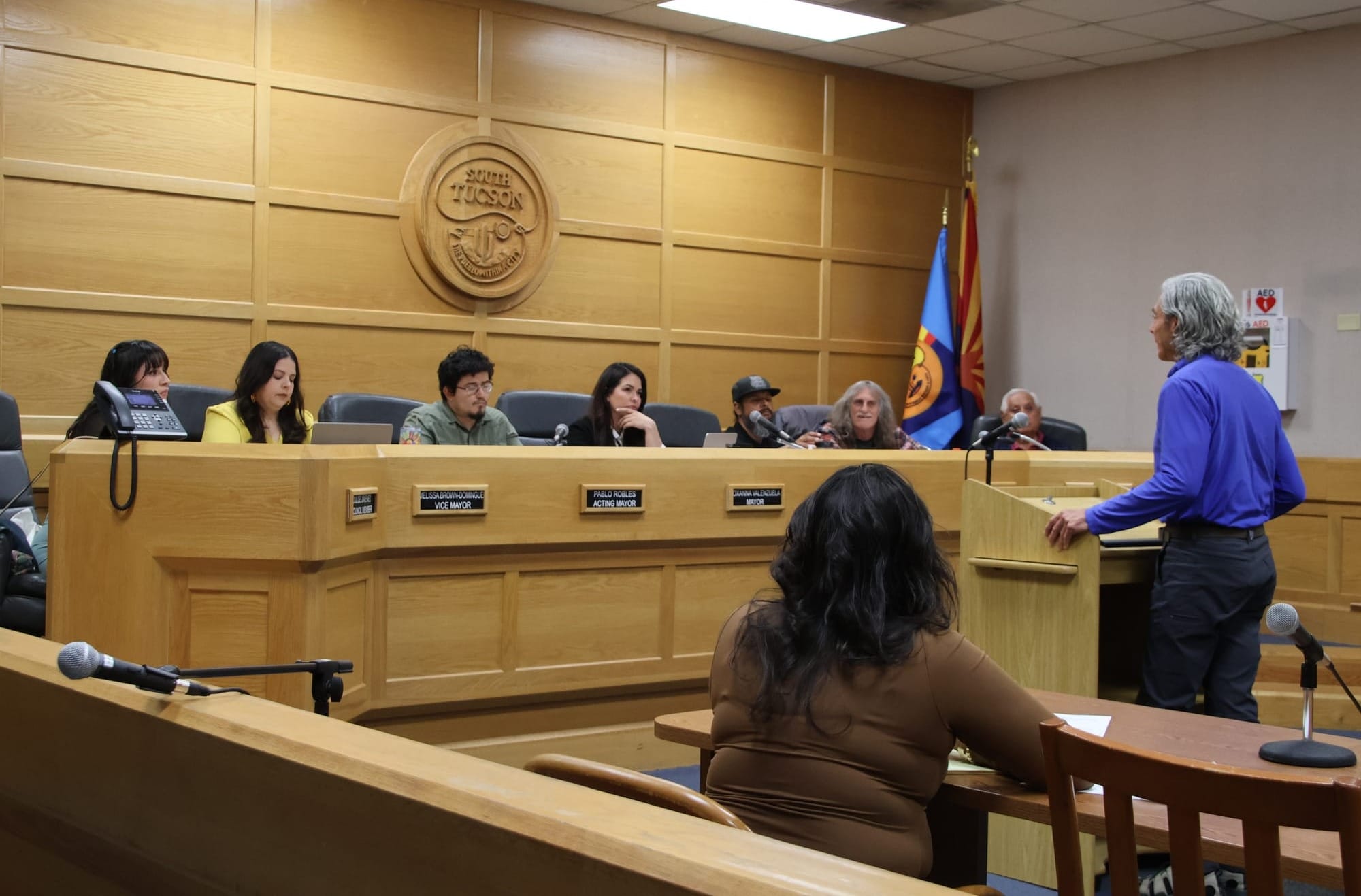
During the meeting, residents and nonresidents alike expressed concerns about the cameras.
Gloria Hamlin, a community member who works in South Tucson, asked the council to reinvest funds from the Flock contract into evidence-based crime prevention strategies, including community policing, mental health programs and improvements to South Tucson’s physical environment.
“There's amazing work that is happening in this community and that exists here … I really urge you to look at the root causes of crime,” Hamlin said.
Other residents voiced a different perspective.
South Tucson resident Arlene Lopez told council members that the surveillance cameras had helped police apprehend a homicide suspect.
“I saw the news about Leonard Miguel, the man who killed a 60 year old woman in South Tucson. The details showed that our police department was able to track (him) down … with the help from the Flock cameras,” Lopez said. “I hope that today's discussion focuses on your plans to address the safety issues in South Tucson.”
Reyes Suarez, a Tucson resident who works in South Tucson, said he has been speaking out against the cameras since November, noting that states such as Oregon, Illinois and Washington have canceled their contracts with Flock.
In Washington, journalists and university experts found that federal agencies, including U.S. Border Patrol and Homeland Security, gained access to multiple Flock networks in Snohomish County without police department consent.
Suarez argued that the homicide referenced by Lopez was solved because of witness testimony, not surveillance footage.
“I'd say the main mechanism that solved that was the concerned neighbor who came out and got the description,” Suarez said. “This is how you keep your community safe, is by being part of your community. Cameras don't do that.”
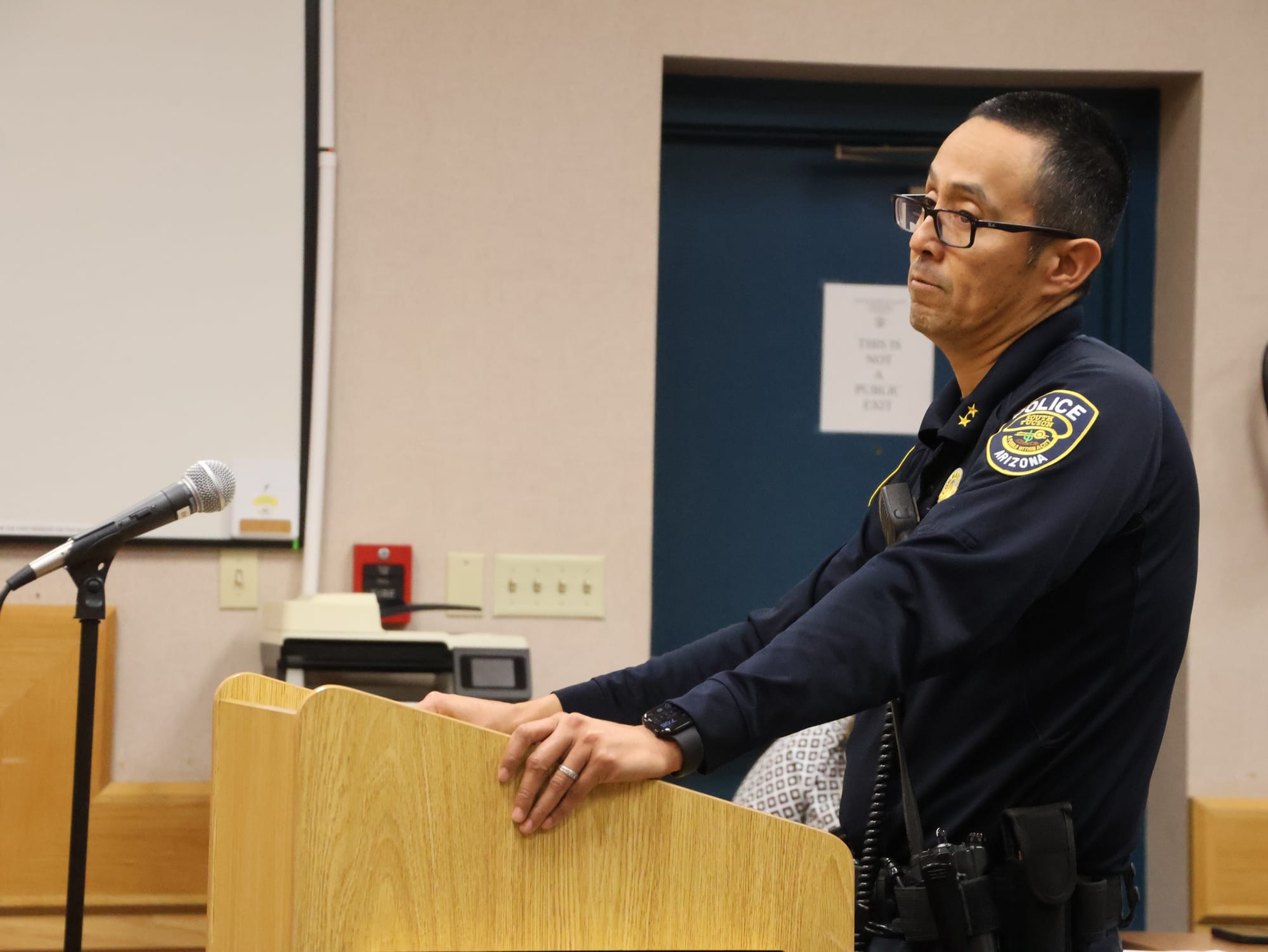
Following the vote to cancel the Flock contract, South Tucson Police Commander Raul Navarro presented options for alternative surveillance systems.
“All the companies that I've reviewed … have financial strength, technical capability (and) industry resources to develop, maintain and support these systems,” Navarro said. “I'm not tied to one company. What I'm tied to is public safety.”
Navarro outlined proposals from major providers including Motorola and Axon, as well as Leonardo ESAG, used by the Pascua Yaqui Police Department, and Verkada, used by the Tucson Police Department.
Each company varies in cost, ownership options, video storage capacity and insurance coverage, with Navarro noting that Verkada is the most cost-effective option.
The council has not yet taken action on selecting an alternative surveillance provider, but it unanimously passed a resolution opposing the development of ICE detention facilities in the region.
The council will soon communicate the city’s position to local officials and constituents, affirming “the city’s commitment to humanity, dignity and community safety,” according to the agenda.
“This reporter was reporting that 18 month old baby Juan Nicolas was deported after being held in a detention center in Dilley, Texas since January. They were held in a detention center where they also reported (a) measles outbreak,” Councilwoman Dulce Jimenez said. “This is … happening everywhere, and we can't let it happen here.”
The council also passed a resolution updating the city’s 2026 primary election schedule. The primary will now be held July 21, and candidates may file from Feb. 23 through March 23.
Topacio “Topaz” Servellon is a reporter with Tucson Spotlight. Contact them at topacioserve@gmail.com.
Tucson Spotlight is a community-based newsroom that provides paid opportunities for students and rising journalists in Southern Arizona. Please consider supporting our work with a tax-deductible donation.