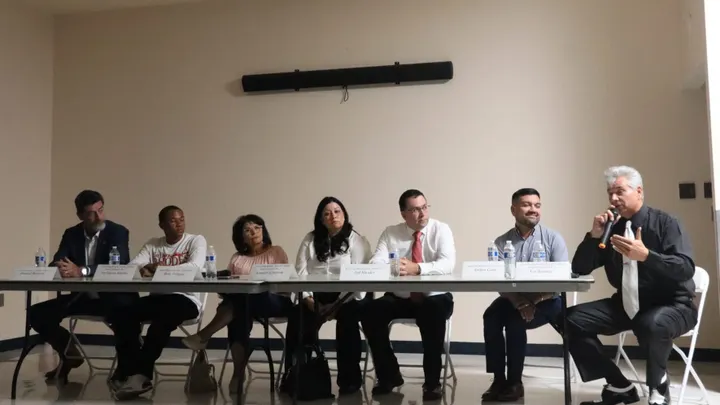
Soto, King compete for LD 17 state Senate seat in Tucson
Democrat Edgar Soto and Republican Christopher King are competing Nov. 3 for the open Legislative District 17 state Senate seat in the Tucson area.

Two military veterans, Democrat Edgar Soto and Republican Christopher King, are competing Nov. 3 to replace retiring Republican Sen. Vince Leach in Legislative District 17.
The district covers a large part of the Tucson area, including parts of Oro Valley, the Catalina Foothills, Catalina and the Rincon Valley. Senators serve two-year terms and may serve four terms, or eight years total.
Republicans have held the seat for the past 13 years, following the end of Democrat David Schapira’s term in January 2013.
Soto, a Tucson native, is a Tucson High School alum and Marine Corps veteran with a background in higher education. He works for Pima Community College.
Soto is hoping to flip the seat, focusing his campaign on three main priorities, according to his campaign website: lowering the cost of everyday living, strengthening public education and supporting public safety efforts.
Tucson Spotlight asked both candidates their positions on groundwater regulation, affordable housing and public school funding.
Stay informed without the overload.
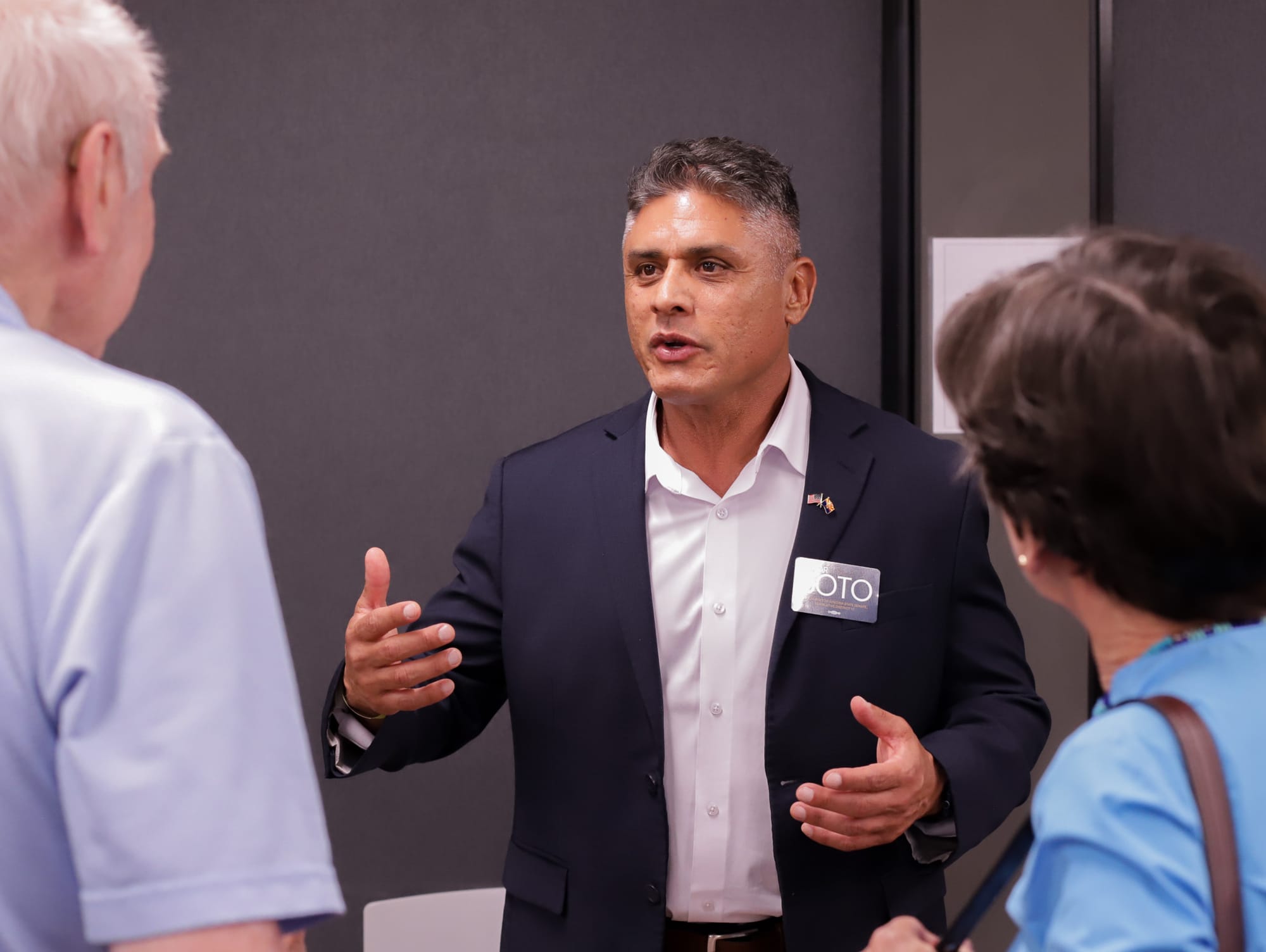
Education is a top concern for voters this election, with some school districts in Legislative District 17 facing problems that affect students and communities. Tucson Unified School District is working through a consolidation process because of declining enrollment and other issues.
Arizona ranks low nationally in per-pupil spending. Soto said his background in education has let him see firsthand the payoff of investing in schools.
“My top priority is ensuring every student has access to a high-quality public education, regardless of their ZIP code,” Soto said. “Arizona must make a stronger investment in our classrooms by improving teacher recruitment and retention, reducing class sizes where possible, and ensuring schools have the resources they need to help students succeed.”
Housing is another issue on voters’ minds. More than 33% of Tucson households are housing cost burdened, meaning they spend more than 30% of their income on housing, according to a 2024 study from Making Action Possible, a University of Arizona statistics dashboard.
“Housing affordability starts with increasing supply and strengthening household incomes. I would prioritize legislation that encourages the construction of a workforce and attainable housing, streamlines permitting processes, and expands infrastructure investments that support responsible development,” Soto said. “Arizona should be a place where people can afford a home, raise a family and build a future, not a place where they are priced out of opportunity.”
Water has been a major concern this election, especially because much of Arizona’s groundwater remains unregulated outside of Active Management Areas.
Soto said water is not a political issue but a matter of survival.
“If we don’t have water, nothing else matters. Arizona’s future depends on protecting our groundwater while supporting economic growth,” Soto said. “I would support legislation requiring large new developments outside Active Management Areas to demonstrate a sustainable water supply before construction begins. I also support expanding local groundwater planning tools, improving transparency through better groundwater monitoring and reporting, and giving rural communities more authority to protect their water resources.”
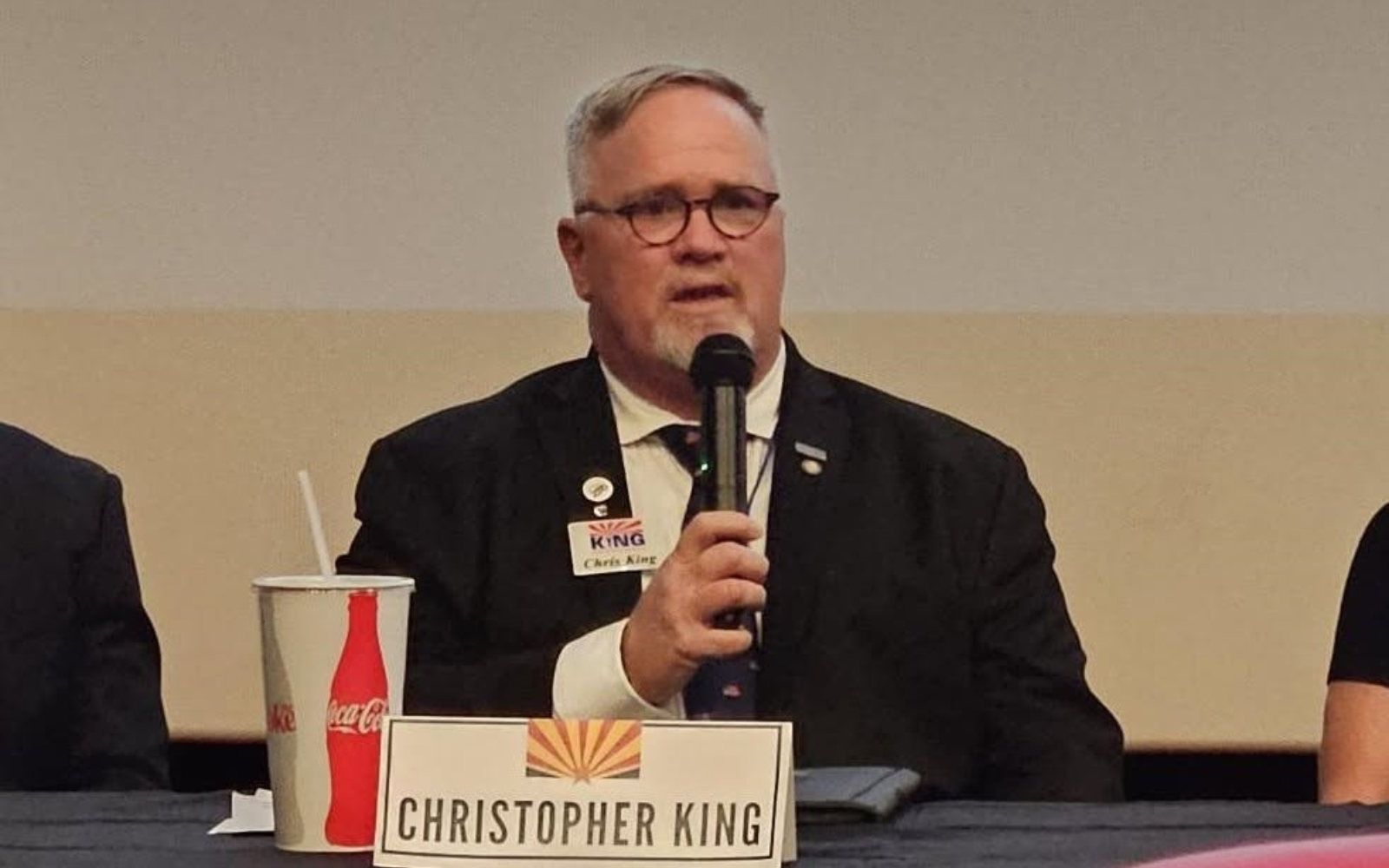
King, the Republican candidate and an Air Force veteran, has served on the Vail Unified School District governing board since 2021. His current term ends Jan. 1, 2029.
King did not respond to Tucson Spotlight’s requests for comment, but he did answer a survey from AZ Voter Guide that asked candidates about a variety of issues. Asked about maintaining the universal Empowerment Scholarship Account program without limiting eligibility, he said he supports keeping the program and not limiting eligibility.
The program opened to all K-12 students in 2022 and has since grown to more than 100,000 students, with costs projected to approach $1 billion this fiscal year, according to the Arizona Department of Education and the Common Sense Institute.
King was also among the plaintiffs in a 2020 lawsuit that sought to overturn Arizona’s presidential election results. A federal judge dismissed the case Dec. 9, 2020, ruling the plaintiffs lacked legal standing. At the time, King was vice chairman of the Pima County Republican Party, according to the court filing.
Nya Belcastro is a University of Arizona student and Tucson Spotlight intern. Contact her at nya2005@arizona.edu.
Tucson Spotlight is a community-based newsroom that provides paid opportunities for students and rising journalists in Southern Arizona. Please consider supporting our work with a tax-deductible donation.