SARSEF’s 71st science fair kicks off in Tucson
SARSEF’s 71st annual science fair brings Southern Arizona students together to showcase research, build STEM skills and connect with judges and mentors.
For more than seven decades, the Southern Arizona Research, Science and Engineering Foundation has turned curiosity into competition, giving thousands of K-12 students a platform to test ideas, build experiments and present original research.
As SARSEF prepares to host its 71st annual science fair, students, parents and longtime judges say the program continues to open doors to STEM fields while building confidence and critical-thinking skills that last far beyond the classroom.
This year’s fair kicks off Tuesday, March 3, with high school students participating in in-person judging and interviews at the University of Arizona and continues Wednesday with virtual judging of elementary and middle school students’ projects.
The festivities will culminate in Saturday’s Community STEM Expo at Reid Park’s Georges DeMeester Performance Center from 10 a.m. to 3:30 p.m.
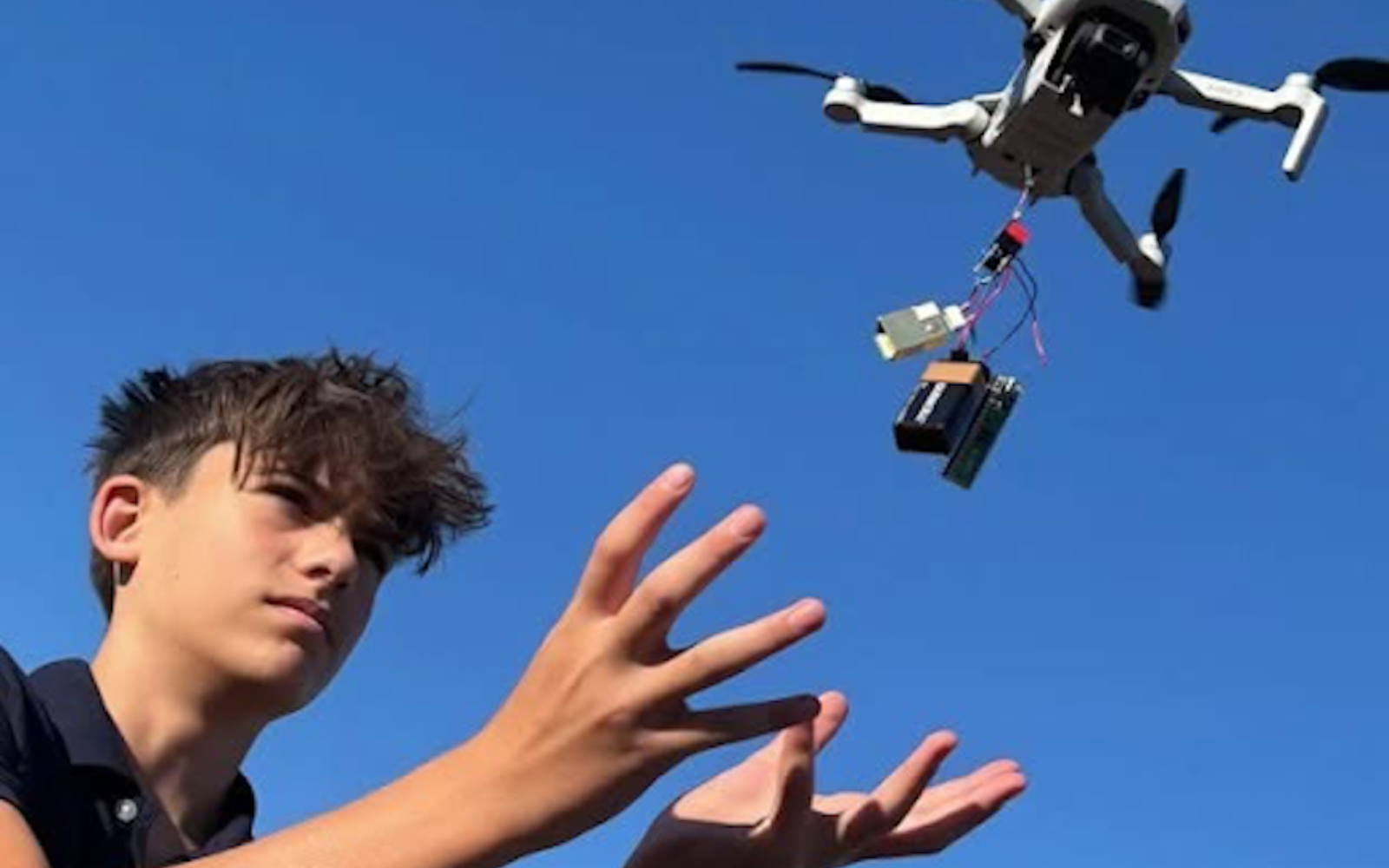
SARSEF has opened pathways to STEM opportunities for students like Luca McGill. In 2025, as an eighth-grade student at Emily Gray Junior High, he won first place for his project, ALTO-CO2. The project, featured on SARSEF’s website, is described as a low-cost, drone-based atmospheric CO2 monitoring system that explores carbon dioxide levels across urban, suburban and rural areas in Southern Arizona.
“SASEF has just been an incredible stepping stone into that world of science and science competitions,” said Luca’s mother, Miriam McGill.
Her praise reflects not only a parent’s pride, but also the meaningful impact the experience had on Luca himself.
“It made me think outside the box many times and it's just fun to go to the award ceremony (and) see all the great projects,” Luca said.
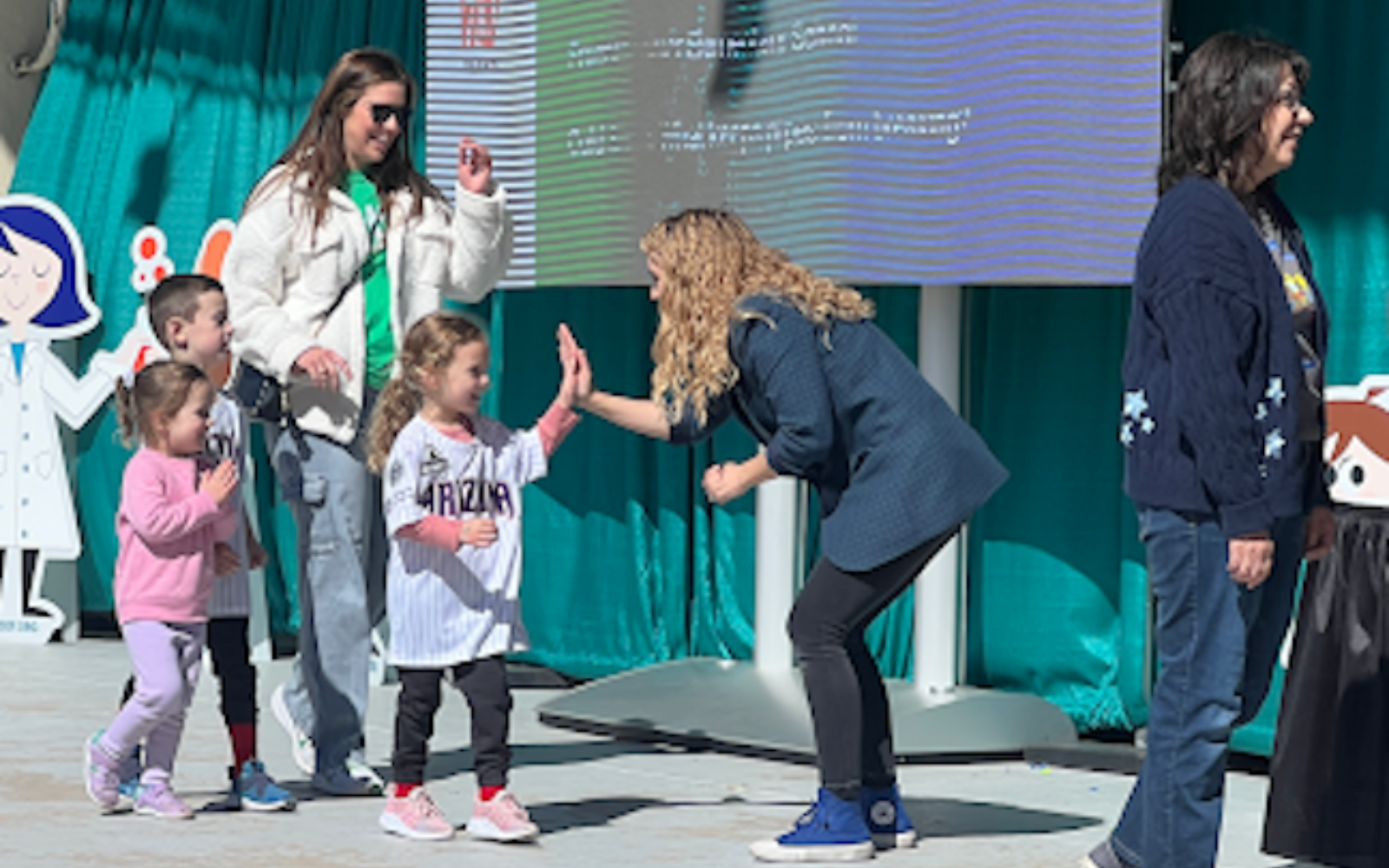
The McGills have been involved with SARSEF for six years, calling it a family affair.
“What I found really nice is the community of … like-minded people,” said Miriam McGill. “You think it's only about … putting a project in at SARSEF and that's it, working by yourself on a project. But the more you participate, the more you see and meet the same people year after year.”
Luca is currently developing version two of his ALTO-CO2, a CO2 monitoring drone that he’ll present at the fair later this week.
SARSEF’s fair is judged by volunteers selected based on their qualifications and subject-matter expertise, with assignments tailored to the age group they are evaluating.
Chris RoDee, a retired primary examiner in imaging chemistry, has been judging science fairs since moving to Tucson from Northern Virginia in the early 2000s, including many with SARSEF.
“One of the great things about it (SARSEF) in our community is it provides a place for kids to learn those problem-solving skills and critical reasoning and being able to dissect the problem that can serve them, whether they decide to go into a STEM field or just in their personal lives,” said RoDee, who is serving as a judge again this year.
RoDee stressed that SARSEF is open to anyone, not just young people with an interest in STEM, noting that there is a place for any child, regardless of their passions.
“One of the great things about science fairs is you really can go at it whatever motivates you, and I think that's one of the real pluses,” RoDee said. “If a kid is into let's say art and maybe they're into ceramics, you tell them you can learn more about the materials and how they work and everything else through a science fair project. Learn how they respond to color when you fire them and all these other things.”
That same spirit of accessibility extends beyond students to the broader community as well.
“There's always a need for judges at SARSEF and you don't have to have a science degree or an engineering degree to judge, particularly for the younger ages,” RoDee said.
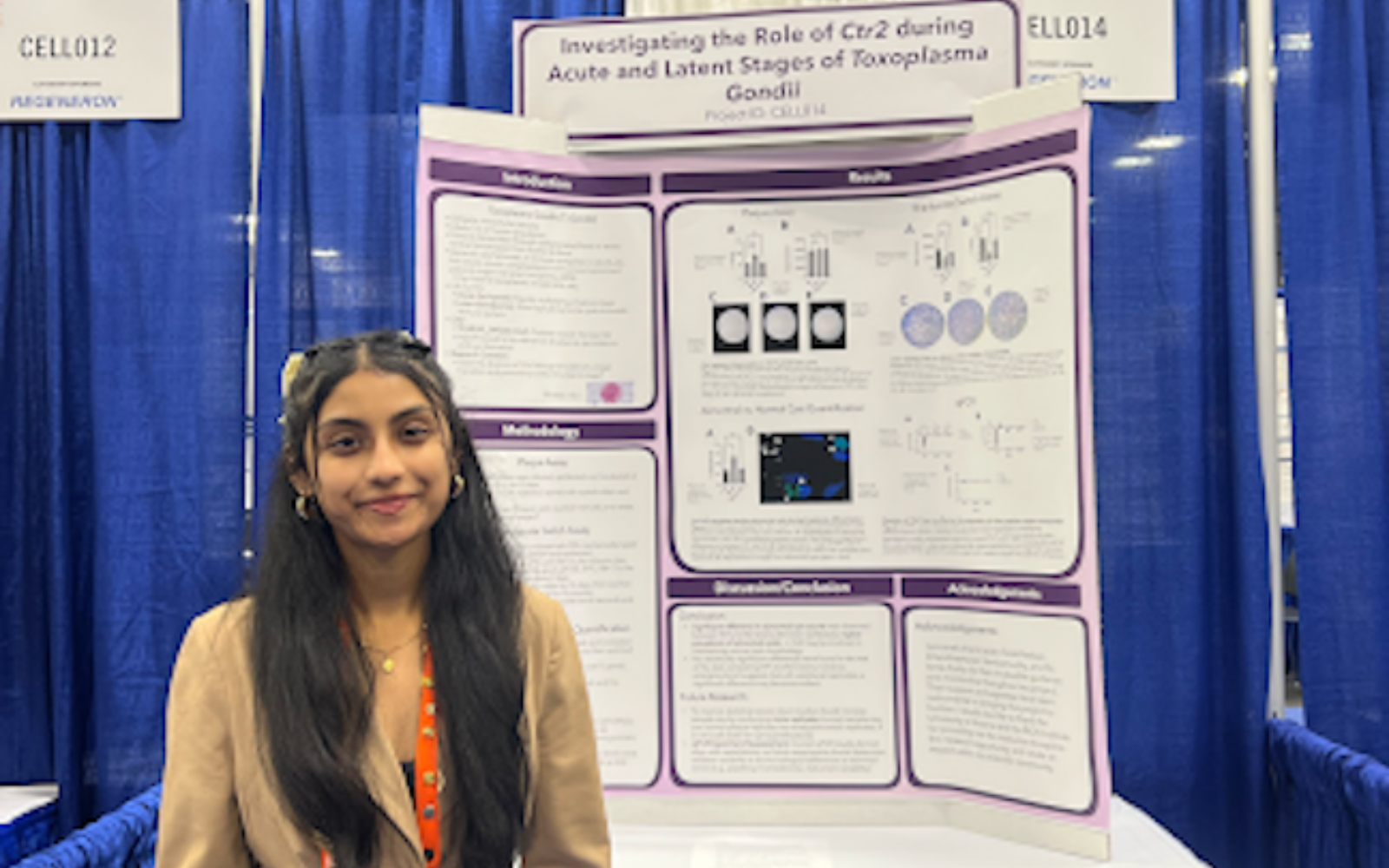
University of Arizona student Nishita Karikatti previously served as a youth ambassador for SARSEF at her high school, BASIS Tucson North.
Karikatti’s senior-year project focused on studying the dangerous parasite Toxoplasma gondii, or T. gondii. She is continuing her research on this parasite at the University of Arizona.
“I definitely think it's expanded my lens on science in a lot of different ways, because as a youth ambassador, I wasn't looking at science just for myself. I was really … helping out … middle school students … or high school students,” she said. “That made me look at the science through their lenses. So that was pretty cool.”
The experience not only broadened her perspective but also strengthened her willingness to take chances.
“The advice I would give myself is just to try to go for it, even if you don't think it's going to happen,” Karikatti said. “Just put yourself out there because you never know. Maybe someone else is going to look at it a different way than you, and it might just work out in the end.”
Nya Belcastro is a University of Arizona student and Tucson Spotlight intern. Contact her at nya2005@arizona.edu.
Tucson Spotlight is a community-based newsroom that provides paid opportunities for students and rising journalists in Southern Arizona. Please consider supporting our work with a tax-deductible donation.