RTA Next plan sparks environmental debate
Voters weigh the $2.67 billion RTA Next transportation plan as supporters cite sustainability upgrades and critics warn of road widening, air quality and climate impacts.
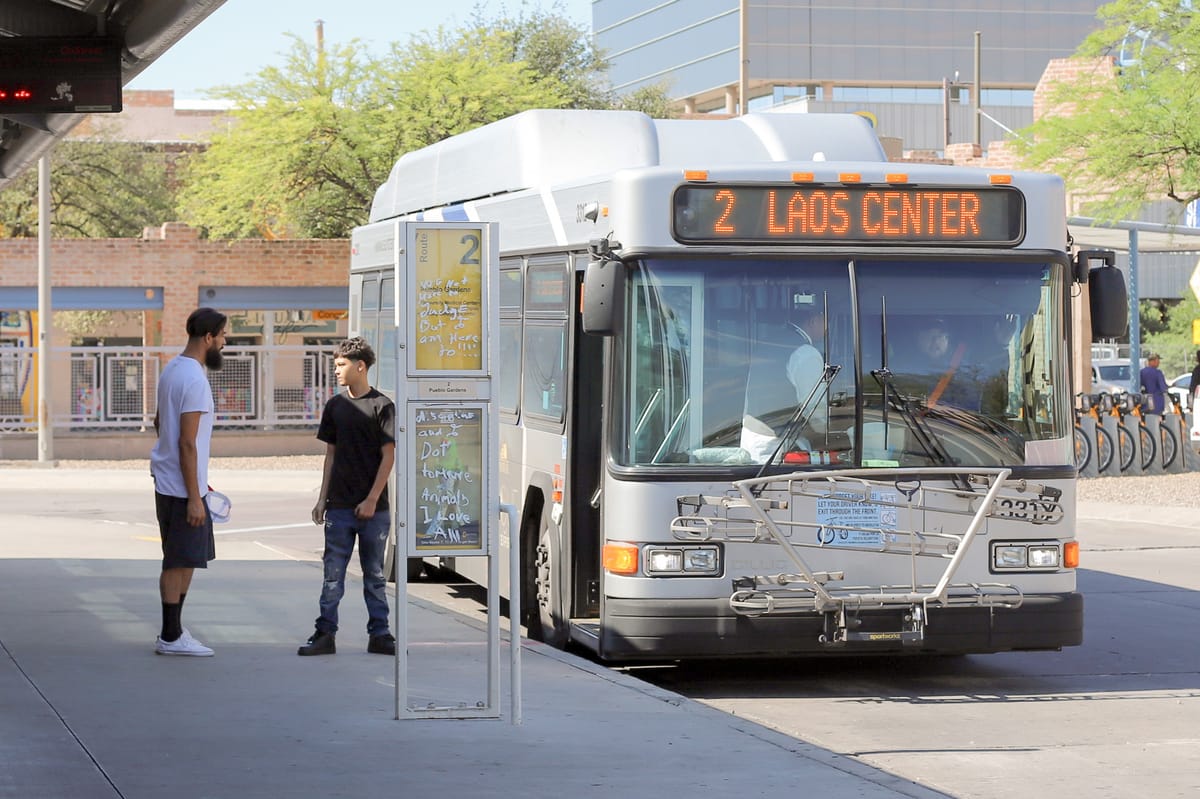
As voters weigh whether to approve the Regional Transportation Authority’s $2.67 billion RTA Next plan, questions about its environmental impact, from air quality to wildlife crossings, are taking center stage.
Supporters say the 20-year transportation proposal modernizes aging infrastructure and aligns with Tucson’s sustainability goals, while critics argue it prioritizes road widening over climate resilience and transit investment.
Voters approved a half-cent sales tax in 2006 to fund the current Regional Transportation Authority plan, which expires in June. Voters will be asked to extend the same sales tax to fund the next 20-year plan.
Ballots have already been mailed for the RTA Next special election, which will be held March 10.
The new plan includes roadway widening projects and upgrades meant to modernize existing infrastructure, along with transit improvements and funding for wildlife linkages.
“The conversation around linkages is making sure that we make provisions for wildlife to cross the roadway corridors, so that where the drainage corridors or the wildlife corridors and the roadway corridors cross, that the animals can cross safely,” said RTA Executive Director Mike Ortega.
Ortega, Tucson’s former city manager, was appointed by the Pima Association of Governments Regional Council and the RTA Board of Directors as interim executive director in June 2025.
With a budget ranging from $50,000 to $55,000 for environmental upgrades, Ortega said the RTA Next plan not only enhances wildlife linkages but also upgrades drainage infrastructure.
“Every time we are in a drainage area, we anticipate both the impact of construction, but also ensure that the drainage structures themselves, the actual facility, is adequate for wildlife to cross,” Ortega said.
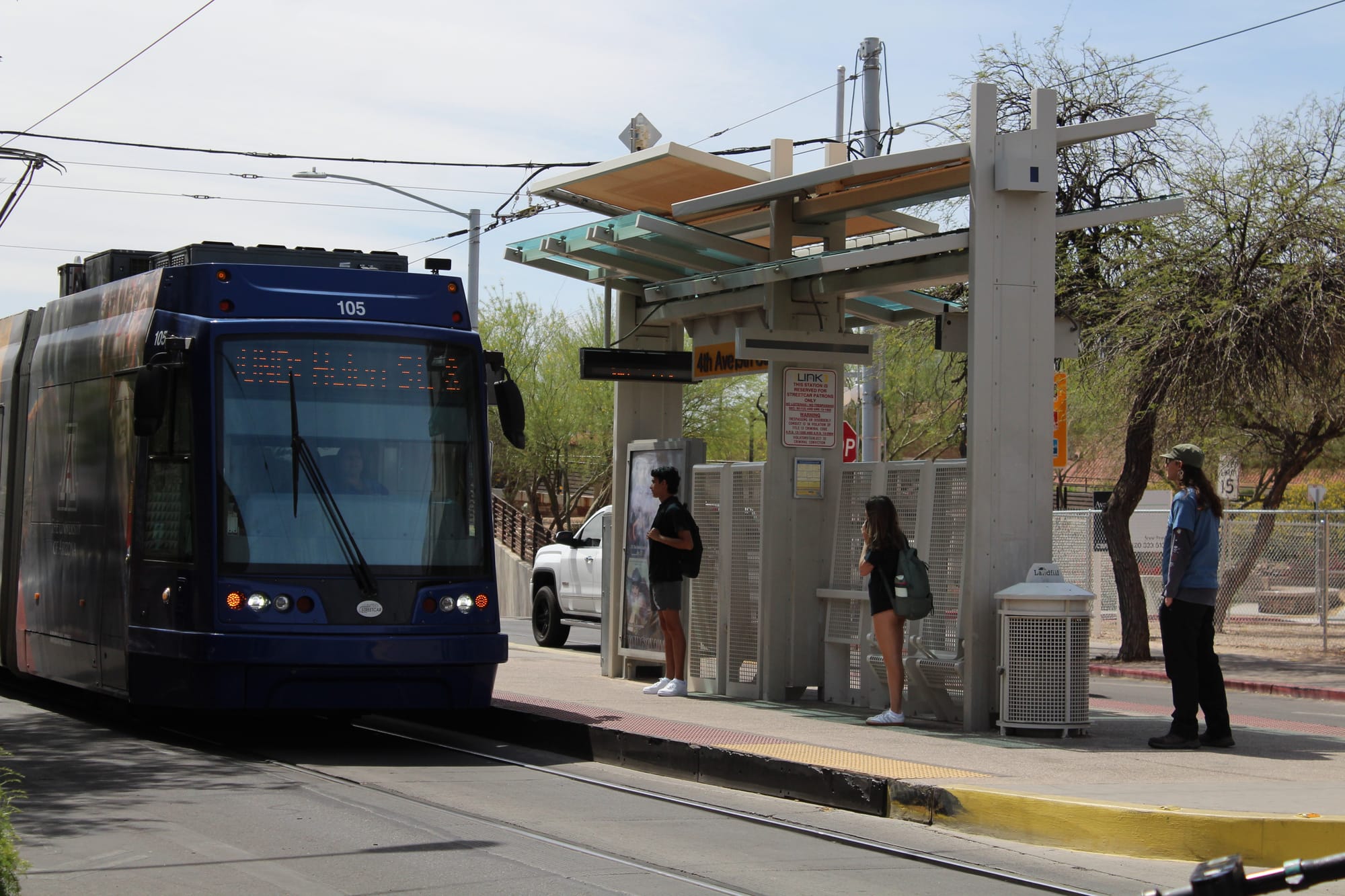
Most of the road projects are meant to upgrade old infrastructure, including bike paths, pedestrian crosswalks and an improved public transit system, Ortega said.
“What that does is it provides a safety improvement for all modes of transportation,” he said. “All of that leads to giving people choices and ultimately reducing the absolute need for a vehicle.”
Bike path and pedestrian improvements are funded through two different components: the Safety ADA Enactive Transportation Element, which is responsible for creating on-demand crosswalks, and investments within the roadway category, Ortega said.
“When you look at the entirety of the investment, it’s very significant when it comes to biking and pedestrians as well,” he said.
The new plan also aligns with Move Tucson, the city’s master transportation plan established a couple of years ago.
“The Move Tucson goals were actually the basis for the City of Tucson projects,” he said. “When I talk to you about modernization, which is kind of a fancy term, it’s really upgrading that infrastructure.”
Move Tucson was created with community input, highlighting projects for underrepresented and hard-to-reach communities, while also focusing on heat resilience and reducing greenhouse gas emissions.
If Propositions 418 and 419 do not pass, the proposal will go back to the RTA’s board of directors to determine next steps, Ortega said.
Tucsonan Albert Elias said RTA Next should model Move Tucson by evaluating each project and sorting them into tiers based on how well they align with the plan. Elias has worked in city development and planning for more than 30 years and is a former deputy director of the city’s transportation department, former planning and housing director and former assistant city manager.
“If Prop 418 and 419 fails, I think the City of Tucson would be in a position to quickly evaluate Move Tucson and size it based on whatever investment they believe would be appropriate," he said. “I think the old (RTA) plan in many ways failed us.”
Elias is also a member of the No RTA Next campaign, Tucson Deserves Better. He said the proposal does not reflect the type of regional planning approach he is accustomed to.
“It would set goals. It would have objective criteria that it would use to analyze which project should go in and which ones are the highest rate projects,” Elias said. “(This) is really just a wish list of individual projects from different jurisdictions.”
Elias got involved with the No to RTA Next through his volunteer work with the Living Streets Alliance, where he now serves as vice president of its board of directors.
While Ortega said the RTA Next plan was created with Tucson’s sustainability goals in mind, Elias said he opposes the new plan largely because of the mismanagement of the original 2006 plan.
“If you look at the safety aspect, if you look at the air quality, environmental aspect and if you look at the way the program was managed, those are all less than successful efforts,” he said.
He also raised concerns about the plan’s emphasis on road widening, saying it incentivizes more cars.
“It undermines the safety goal and walkability and they make our city hotter and drier,” he said.
Elias said there is a disconnect between public transit, greener sidewalks and funding, adding that transit and proper sidewalk shade are not highly funded in either proposition.
“These projects that got into the plan, they’re not necessarily bad projects, but they’re not aligned in a way to achieve an explicit goal,” he said.
For Elias, that misalignment is clearest in the plan’s transportation priorities. He pointed to the focus on widening roads rather than creating more shaded sidewalks, protected bike lanes and safe crossings.
“They damage our air quality, they create more heat, they create more fatalities and they actually induce more driving, more vehicle trips instead of fewer vehicle trips,” he said. “I think the environmental impacts associated with the RTA Next plan are not the direction that we want to be going.”
Elias said he is not against a better transit system, but he is against the 20-year funding commitment in Proposition 419, saying it would make more sense to propose funding for the next five to 10 years rather than 20.
“That’s insane. How could you possibly predict what revenues are going to be 20 years from now?” he said. “I hope people take a moment to, when they get their ballot, to really look at this plan and ask themselves, ‘are these projects aligned with my own personal values and goals?’ And if they really are, then vote yes. But if they aren't, I would say vote no and don't be afraid to vote no.”
Arilynn Hyatt is a journalism major at the University of Arizona and Tucson Spotlight intern. Contact her at arilynndhyatt@arizona.edu.
Tucson Spotlight is a community-based newsroom that provides paid opportunities for students and rising journalists in Southern Arizona. Please consider supporting our work with a tax-deductible donation.