RTA Next plan faces criticism ahead of vote
Pedestrian and bicycle safety advocates criticized the RTA Next regional transportation plan ahead of the March 10 election, raising concerns about road repairs and regional funding.
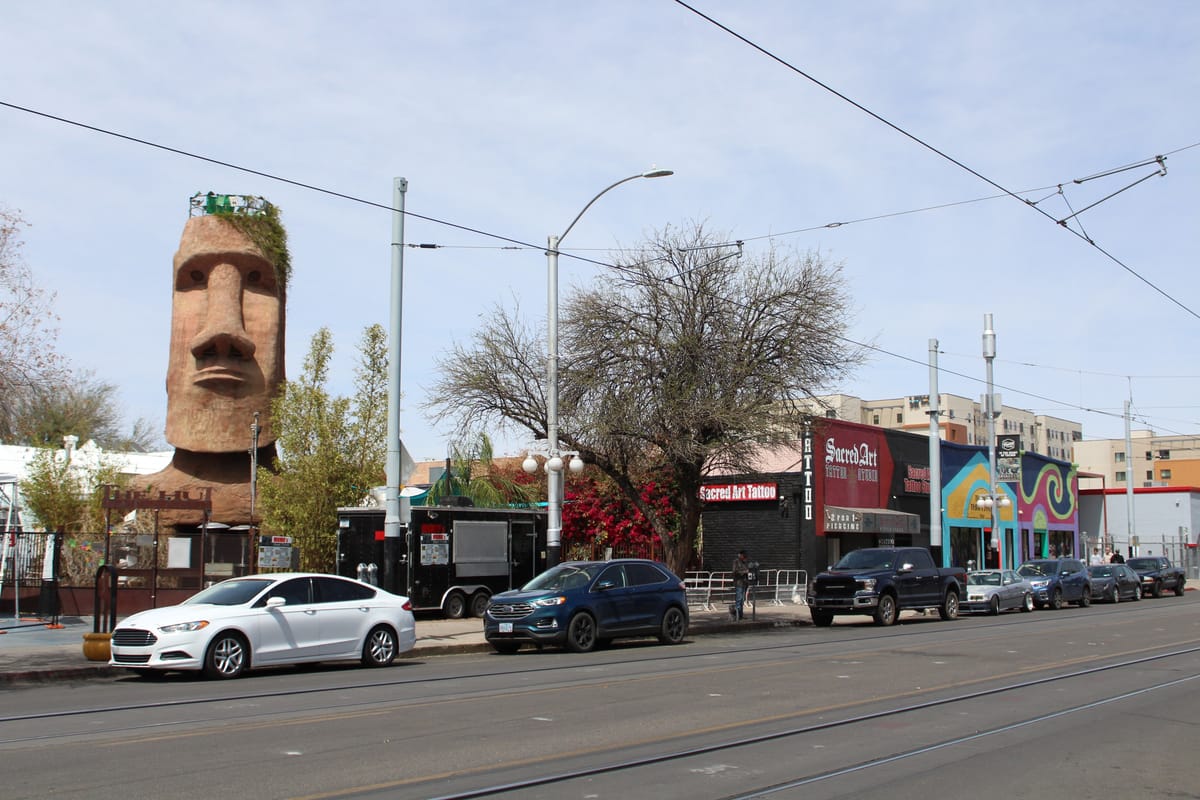
As Tucson voters decide whether to approve RTA Next, pedestrian and bicycle safety advocates gathered to question whether the 20-year transportation plan would truly improve neighborhood streets before ballots must be mailed.
RTA Next is a proposed 20-year regional transportation plan that would extend a half-cent sales tax to fund road improvements, transit projects and other infrastructure across the Tucson metropolitan area.
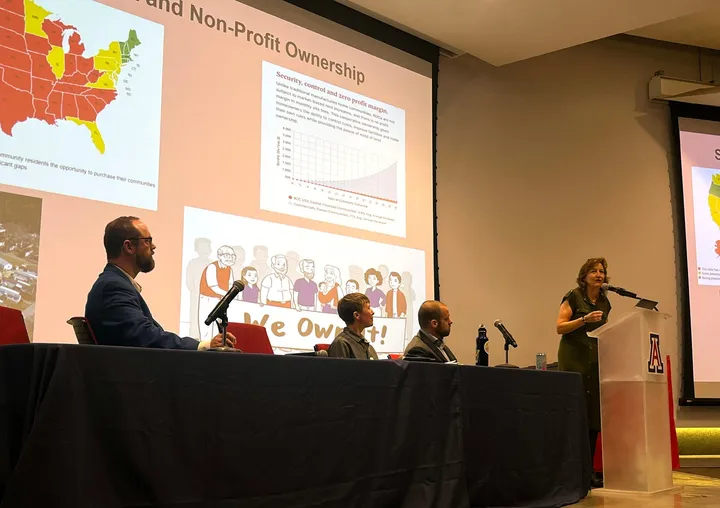
Living Streets Alliance, a nonprofit that advocates for safer, more walkable, bikeable and accessible streets, hosted a meeting Feb. 17 to discuss the plan, which voters will decide next week.
As part of the event, panelists Vanessa Cascio, Dr. Arlie Adkins and Logan Havens participated in a “fireside” chat, sharing their concerns with the RTA Next plan.
Adkins told Tucson Spotlight before the meeting that despite RTA Next supporters advertising that potholes will be addressed if propositions 418 and 419 are approved, the Regional Transportation Authority does not have the jurisdiction to fix potholes.
“It's actually very clearly stated on the RTA next website that routine road maintenance, and I give the example of potholes, is not an allowed use of these funds,” Adkins said. “There's a lot of concern that it's kind of a misleading message to voters and that voters might think that they're voting to fix the street in front of their house or on their way to work.”
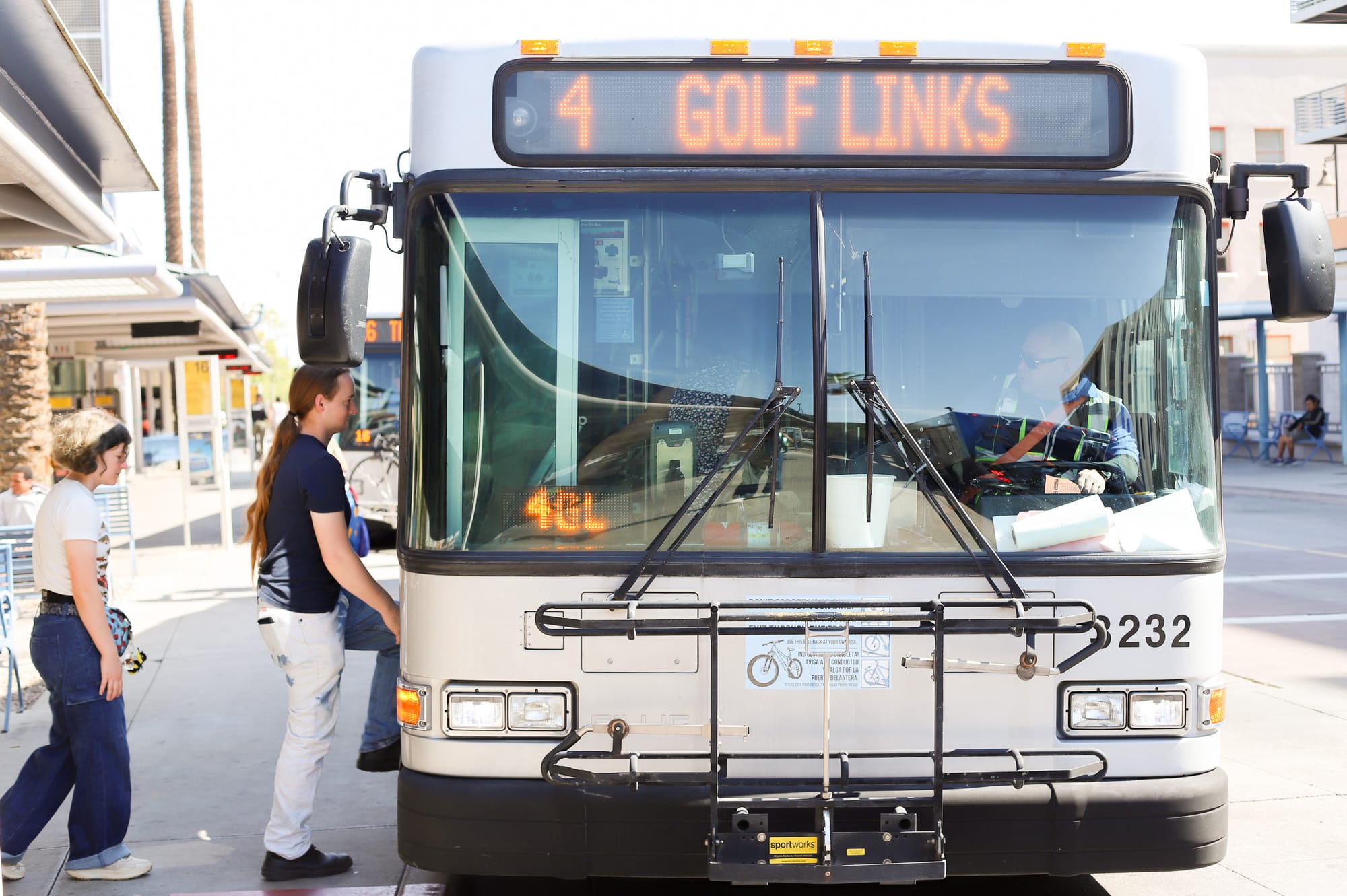
In addition to concerns about what critics describe as misleading advertisements regarding potholes, controversy has also emerged over how funds would be distributed within the transit system.
“$70 million dollars out of $2.6 billion dollars isn't very much,” Adkins said “Also, $70 million dollars only … partially funds about 5 miles of bus rapid transit, whereas other places like the Phoenix area in their equivalent package, they're funding about 70 miles of bus rapid transit.”.
Panelists and attendees also expressed concern that some of the project’s funding would be directed to areas outside the city of Tucson.
“If this is approved, Tucson would ship $400 million over 20 years to outside of the city limits to fund projects instead of investing in Tucson infrastructure.” said LSA member Maass.
LSA members also questioned why those outside areas could not fund their own projects and why Tucson would, in effect, help cover those costs.
“Given the budget shortfalls that we have, (I wonder) how can we afford sending out $20 million dollars every year?” Maass said. “That makes no sense. We're talking about cuts here while we ship it out to the suburbs.”
At least one person in attendance offered a different perspective on the criticism.
“I wouldn't agree with the opponents who say that it's a lie. No, they can't put the asphalt into a pot hole, but what they can do … is they're putting a lot of money from this plan into maintenance of the surface of the road," Former Arizona State Sen. Steve Farley told Tucson Spotlight. “While they're not going around with their little truck and shoveling potholes into it, they're scraping it down to basic level and rebuilding these areas that have a lot of potholes in it so the potholes don't come back. Which is even better and it's still getting rid of potholes.”
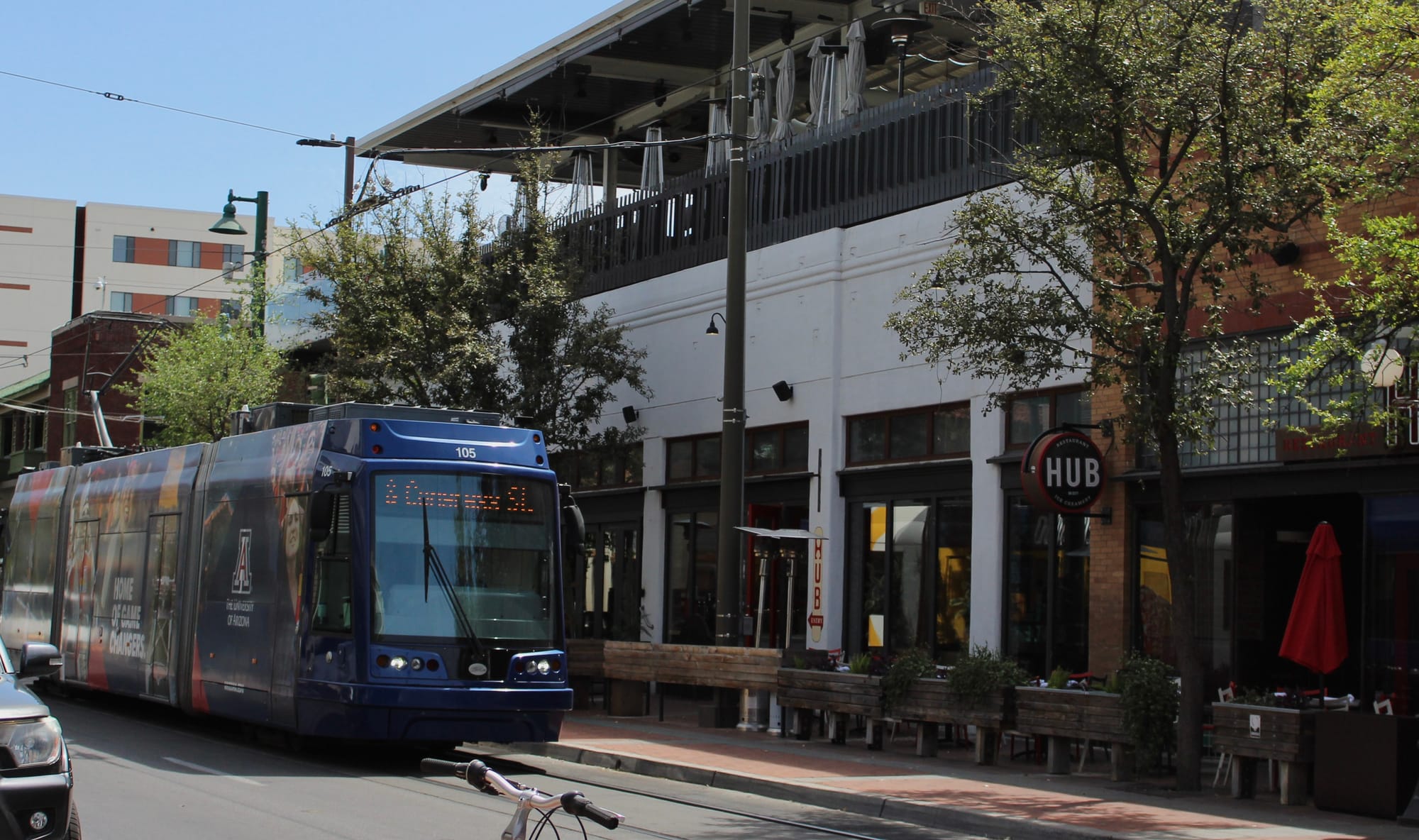
Farley, who worked on the original 2006 RTA plan, also pushed back on concerns about how project funding would be distributed.
“Fifty-two percent of the projects are in the city of Tucson and that's 52% of the population,” Farley said. “This is a regional plan. So it does include the areas on the edges. It's only fair that those voters have something to vote for, too.”
Farley said the plan includes a $400 million subsidy from the city of Tucson to the suburban areas.
“I haven't seen the figures, but I would bet that those $400 million is probably covered by people paying the sales tax in the city of Tucson from elsewhere,” he said. “That's part of why we need something regional. You can't just sort of think of yourselves as us against them and that's sort of an epidemic in our country right now, us against them.”
Critics of the plan, however, said they remain unconvinced.
“It will be ... another 20 years for us to maybe get another … high-capacity transit improvement. It's not even a guarantee with this plan,” Maass said. “I'll be in my 50s. And then what? Do I have to wait until I'm in my 80s until I can maybe take a train or a high capacity bus … from my home to the airport? Come on.”
Ballots for the March 10 election must be mailed by today to be counted.
Christy Russell is a journalism major at the University of Arizona and Tucson Spotlight intern. Contact her at crussell68@arizona.edu.
Tucson Spotlight is a community-based newsroom that provides paid opportunities for students and rising journalists in Southern Arizona. Please consider supporting our work with a tax-deductible donation.