
Roadless Rule repeal could open Arizona forests to roads
A federal proposal to repeal the Roadless Rule could remove protections from 1.2 million acres of Arizona national forest, including parts near Tucson.

A federal proposal to repeal the Roadless Rule could strip protections from 1.2 million acres of Arizona national forest, including parts of the Coronado National Forest near Tucson.
Enacted in 2001 under former President Bill Clinton, the Roadless Area Conservation Rule protects 45 million acres of national forest land nationwide from road construction and timber harvesting.
In June 2025, the Trump administration announced its intent to rescind the rule, and on Aug. 18, 2026, the U.S. Forest Service filed a formal proposal.
During the 49-day comment period, 99% of people who weighed in urged the administration to maintain the current rule.
The proposal aims to reduce wildfire risk that officials say the rule worsens, according to a U.S. Department of Agriculture press release.
“For too long, outdated restrictions have kept tens of millions of forested acres off-limits to the very treatments that improve forest health and reduce wildfire risk to our communities,” Secretary of Agriculture Brooke L. Rollins said in the release.
The Wilderness Society disagrees with this correlation, saying in a report that wildfires are four times more likely to start near roads than in roadless forests.
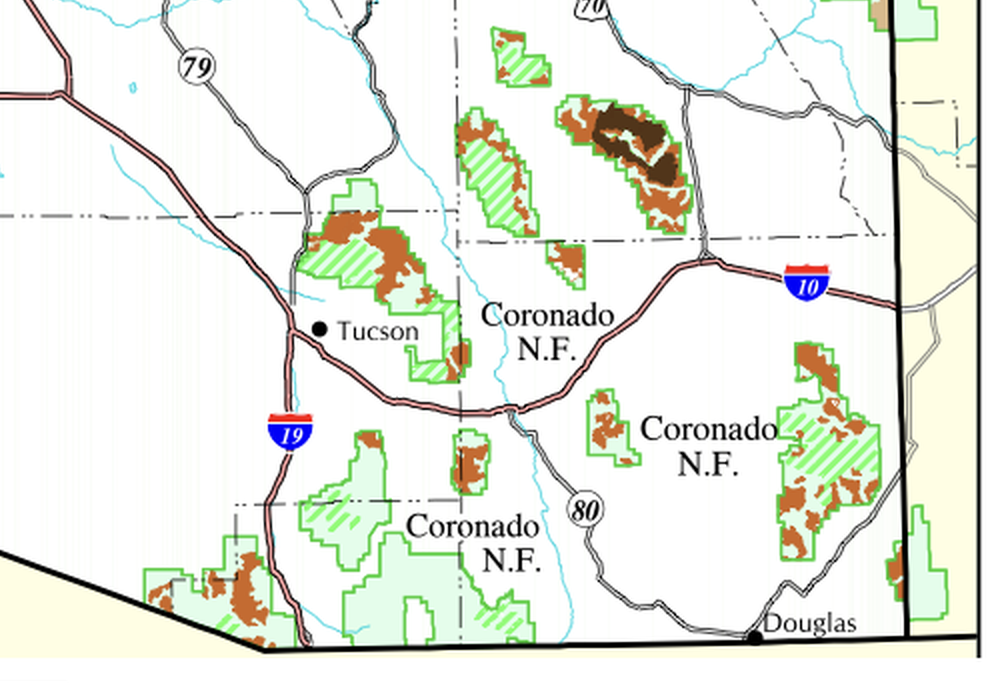
The rule protects 1.2 million acres of land in Arizona, the society says, including parts of the Apache-Sitgreaves, Coconino, Coronado, Kaibab, Prescott and Tonto national forests.
We're a nationally recognized newsroom, but we're still a nonprofit that runs on community support. Help us keep telling Tucson's stories.
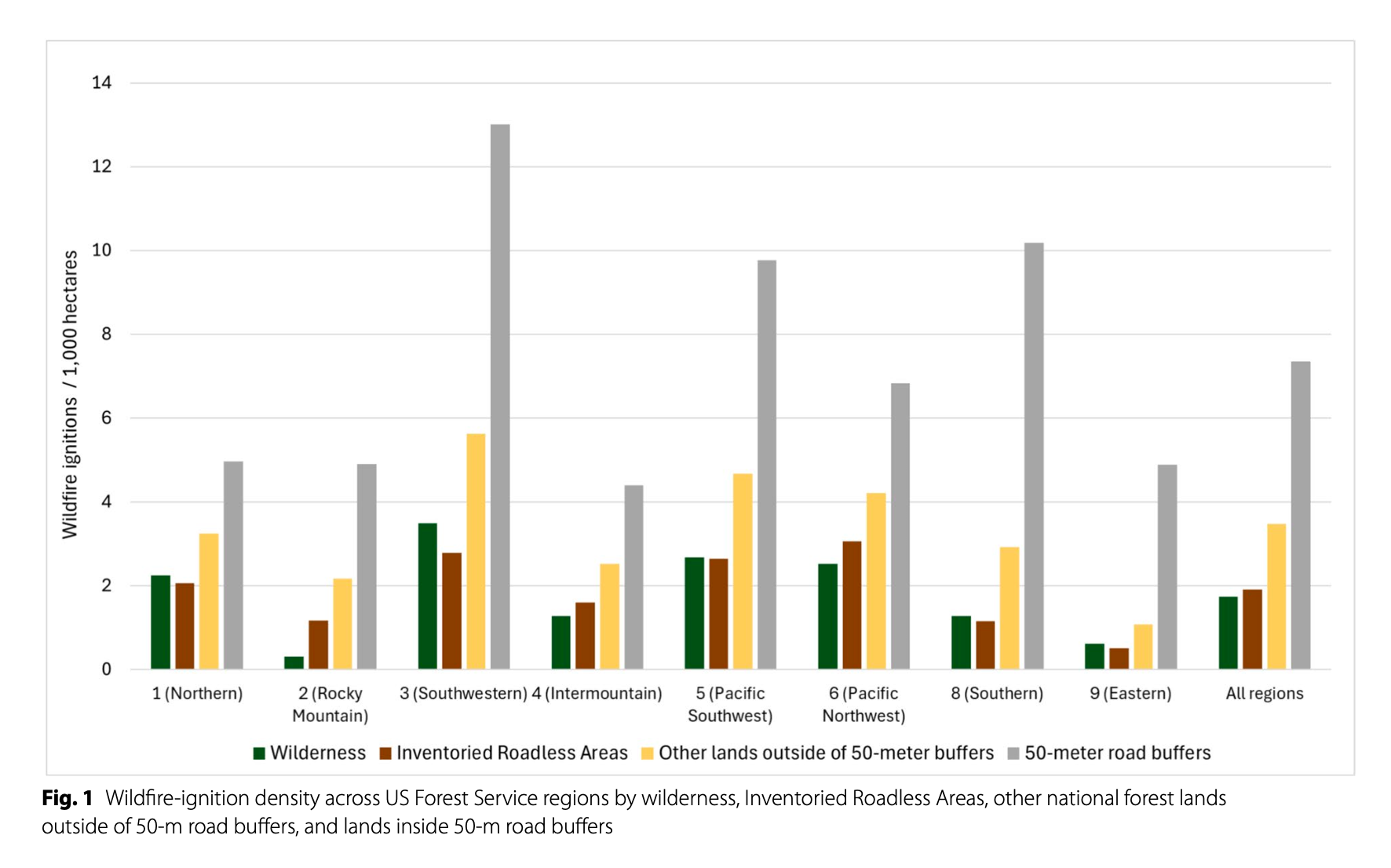
A report from the Association of Fire Ecology also found that from 1992 to 2024, in all eight contiguous U.S. Forest Service regions combined, wildfire-ignition density was lowest in designated wilderness areas, followed closely by Inventoried Roadless Areas, IRAs, the undeveloped stretches of national forest that the Forest Service mapped and designated under the Roadless Rule.
IRAs have no or few roads, and the rule protects them from road construction and most timber harvesting. Wilderness areas are a separate, stricter designation set by Congress.
Emily Burns, program director for the Sky Island Alliance, said the rescission of the Roadless Rule could negatively affect the watershed.
“Roads in the mountains make runoff from rain and snowmelt travel faster downslope, meaning less water soaks in and impacts the watershed negatively,” she said. “Increasing runoff also causes erosion, which makes soil loss a problem and even less water soak in.”
The concern extends to drinking water nationwide. Ninety percent of Americans rely on public water systems, according to the U.S. Environmental Protection Agency.
The proposed policy could affect Americans’ access to water, as a significant portion of it comes from forest lands, according to a report from the University of Washington and Conservation Science Partners.
The report found that 38 states benefit from IRA-based river protection, with the highest proportions in western states. It also found that an estimated 25 million people rely on watersheds influenced by IRAs for their public drinking water supply.
Burns said numerous wildlife habitats will also be at risk in the currently protected areas.
“If new roads are put into these wilderness areas, it will fragment habitat for many rare species, including jaguars, spotted owls, bighorn sheep and endangered fish,” Burns said, adding that there is immense public pressure to retain the rule’s current state. “Over a million people wrote in, opposing the repeal of the Roadless Rule and those comments were 99% in support of retaining the rule.”
Arizona Attorney General Kris Mayes also pushed back. Following the original announcement to rescind the rule, she published a press release in 2025.
“We must not allow the federal government to strip Arizona’s forests and wilderness of their protections," Mayes said." This is a public land grab by greedy corporate interests, and I plan to stand in the way."
The release cites a U.S. Bureau of Economic Analysis report that found outdoor recreation added $14 billion to the state’s economy. Mayes said the industry relies on the land that is threatened by the proposed repeal.
The Sierra Club says a rescission would require consultation under the Endangered Species Act, National Environmental Policy Act and National Historic Preservation Act, and public pressure could affect the final outcome.
Ava Schrag is a University of Arizona journalism student and Tucson Spotlight intern. Contact her at avaschrag@arizona.edu.
Tucson Spotlight is a community-based newsroom that provides paid opportunities for students and rising journalists in Southern Arizona. Please consider supporting our work with a tax-deductible donation.