Oro Valley approves water rate hike, $128M budget
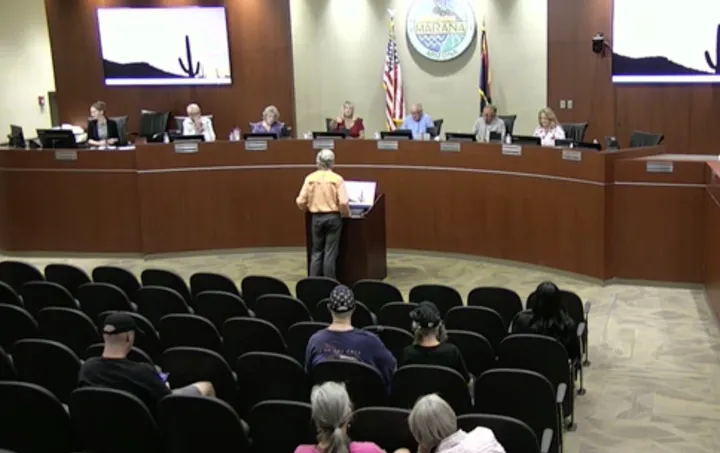
The Oro Valley Town Council approved a 3.6% water rate increase and a tentative $128 million budget for fiscal year 2027 at its June 3 meeting, while also receiving an unofficial warning of a potential 20% cut to the town's Colorado River water supply.
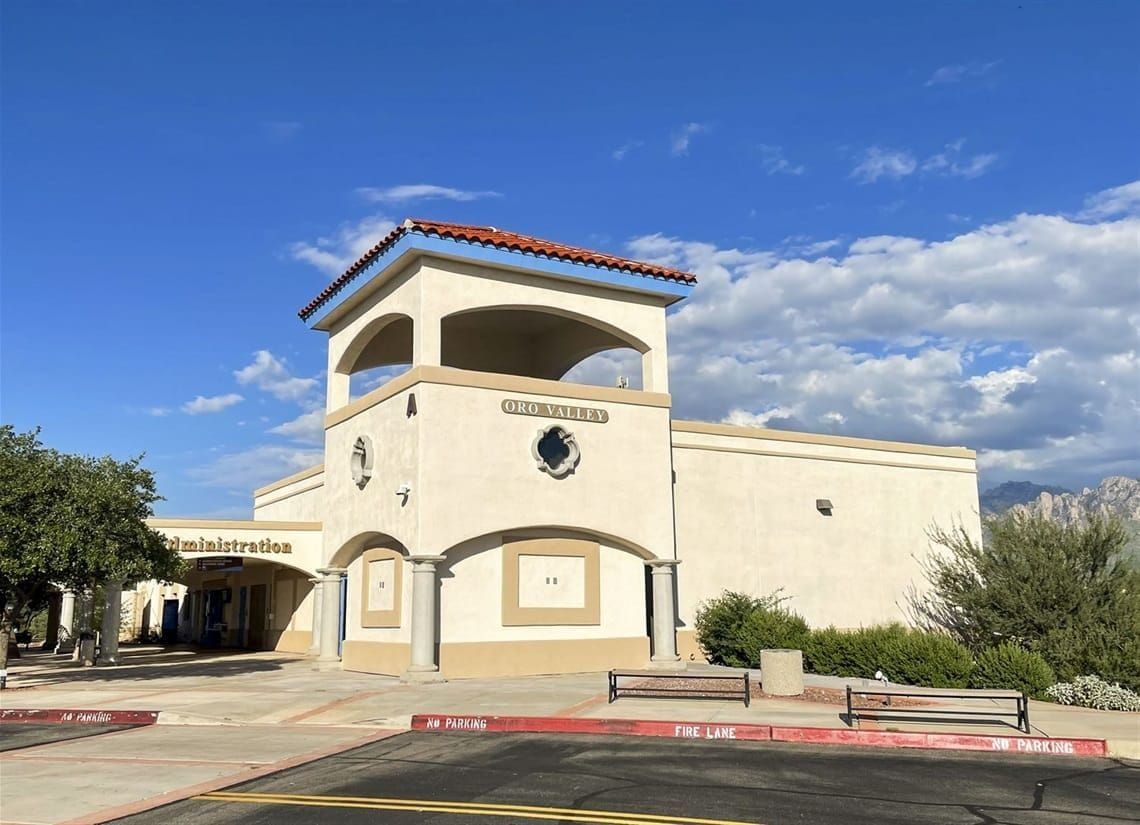
Oro Valley residents will see a modest increase in their water bills this summer as the Town Council approved a 3.6% rate hike and a tentative $128 million budget for fiscal year 2027 at its June 3 meeting.
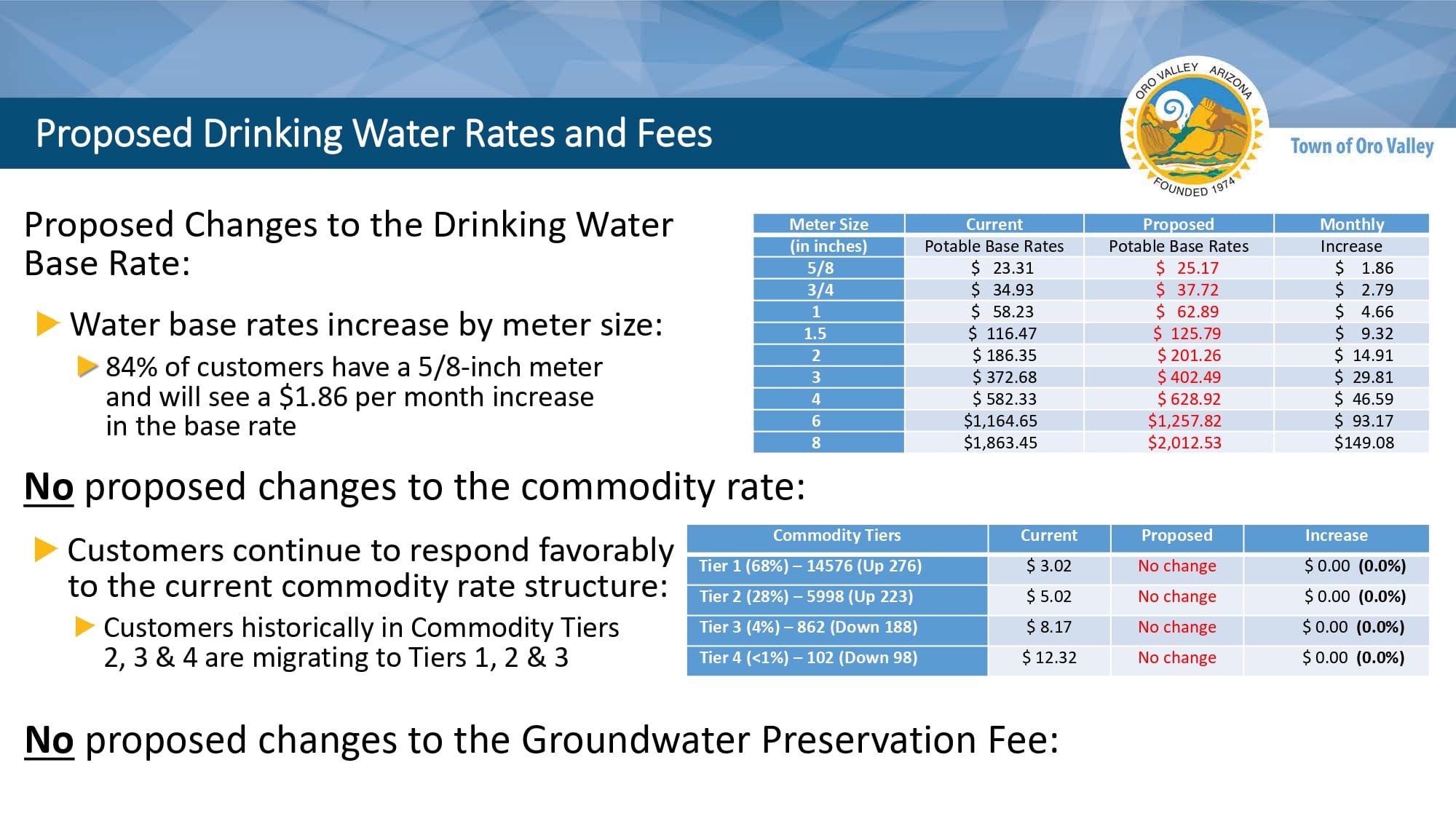
The council previously approved a notice of intent at its March 4 meeting. Water Utility Director Peter Abraham reviewed the changes at the June 3 meeting, noting that the increase per household depends on the size of the water meter, with larger meters seeing a larger price hike.
More than 80% of Oro Valley residents have a 5/8-inch meter and consume about 7,000 gallons of water per month, resulting in a $1.86, or 3.6%, increase. The rate hike applies only to potable water and leaves reclaimed water rates unchanged.
Councilmember Josh Nicolson raised concerns about a potential 20% cut to Oro Valley's Central Arizona Project allocation, which delivers Colorado River water to major population centers across the state. He said such a cut would drive up consumer water rates and put the town in competition with Tucson and Pima County for resources.
Abraham said he was unofficially told to expect a 20% cut to Oro Valley's water allocation by January, in a meeting with Arizona Department of Water Resources Director Tom Buschatzke.
"Nothing officially has come yet, but that was the information we were given," Abraham said, adding that he remains positive about the state of the town's water supply. "We're in a great position from a water resource perspective. We're still (going to be) delivering the same amount of CAP water. It's just (that) we're storing less."
Nicolson agreed.
"I think we are in a really good water position compared to our cohorts," he said.
Tucson Spotlight is free for every reader because donors make it possible. Join them.
The council unanimously approved the increase before moving on to an update on its police pension fund.
Chief Financial Officer David Gephart presented the annual update on the Public Safety Personnel Retirement System, which provides pensions for retired Oro Valley public employees, primarily police officers.
The program, funded through government contributions and investment income, had assets valued at about $91 million last fiscal year. If the pension falls short of full funding, the resulting debt must be paid off through amortization payments made in set amounts over regular periods.
Gephart reported a funding surplus at the end of fiscal year 2025, driven by investments outperforming projections. Actuaries recommended reducing the town's contribution rate from 12.61% to 10.47%, but Gephart recommended keeping it unchanged, which would direct an extra $214,000 into the fund.
"We're basically not going to take the reduction in rate that the actuaries are proposing," Gephart said.
Vice Mayor Melanie Barrett said keeping the pension fully funded was a matter of fairness to future generations, who would otherwise be left to cover any shortfall, with the council unanimously approving a motion to keep the pension contribution rate higher than actuaries required.
"If we punt that on to the future, especially if we punt it too far into the future, then we're expecting future generations to cover that cost," Barrett said.
Gephart presented the tentative fiscal year 2027 budget, the latest step in a process that began with one-on-one sessions with each councilmember in April, continued with a study session May 4 and a presentation to the Budget and Finance Commission on May 19, where councilmembers suggested changes to the budget recommended by Town Manager Jeff Wilkins.
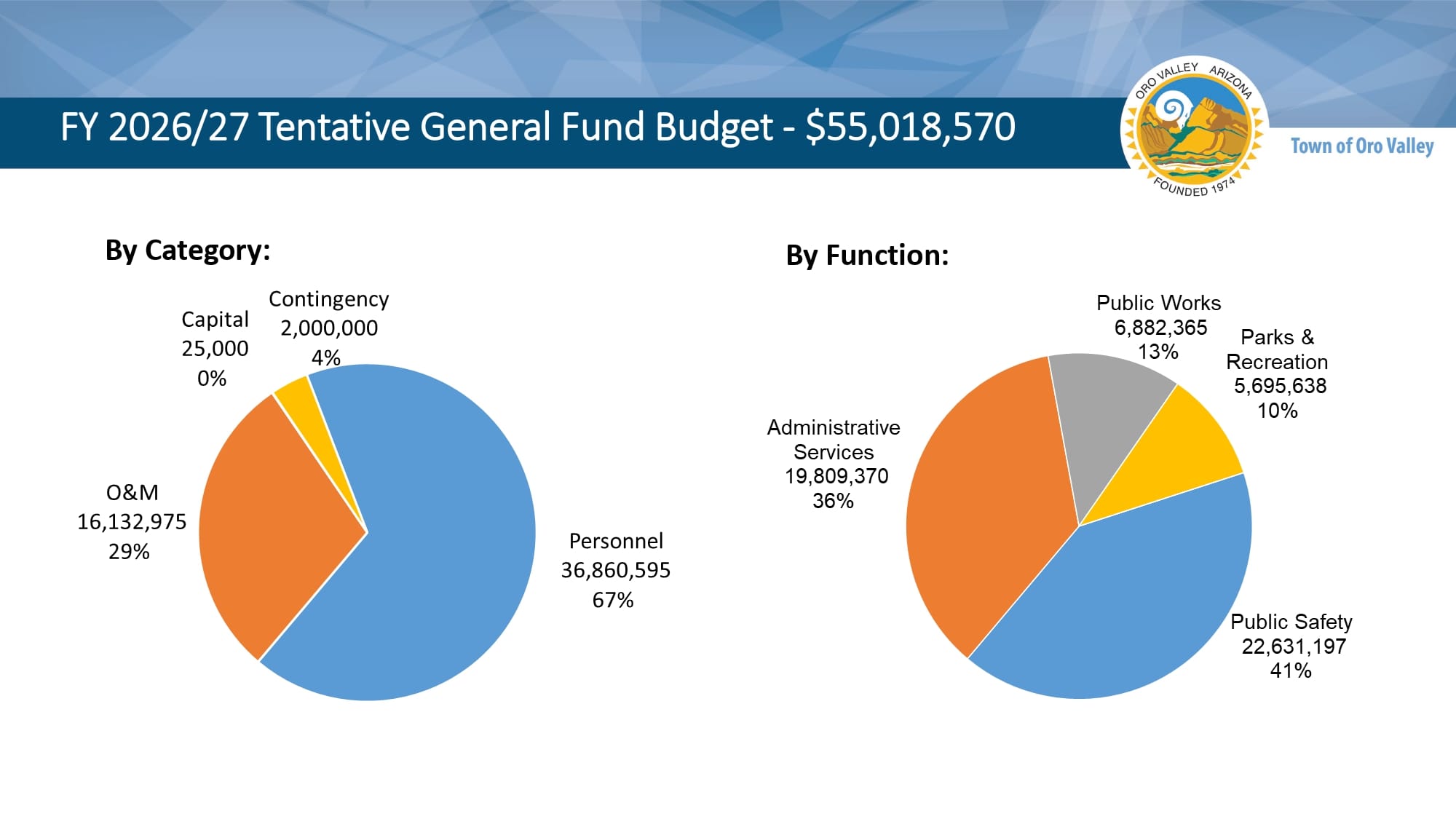
The tentative budget of roughly $128 million is about $2 million less than the recommended budget and more than 15% below the previous fiscal year's budget of $151.5 million.
The general fund budget, which allows for discretionary spending, is roughly $55 million, an increase of 0.1% from the recommended budget and 0.7% from last fiscal year.
The budget includes a 3% pay increase for town employees, which Gephart said would add about $625,000. After accounting for pay increases in the self-funded water and stormwater utilities, he said the overall impact on the general government fund would be about half a million dollars.
"The budget is structurally balanced," said Mayor Joe Winfield. "Reserves remain strong. Debt is being reduced. Pension obligations are essentially fully funded. I think there's a lot of good things that can be said about this budget."
The council unanimously approved the tentative budget for fiscal year 2026-27.
Benjamin DePue is a University of Arizona student and Tucson Spotlight intern. Contact him at bdepue@arizona.edu.
Tucson Spotlight is a community-based newsroom that provides paid opportunities for students and rising journalists in Southern Arizona. Please consider supporting our work with a tax-deductible donation.