Marana updates public art policy, expands exemptions
Marana's Town Council unanimously approved updates to its public art policy June 2, expanding exemptions for certain developers and giving the town manager more authority to update the policy without council approval.
Marana has updated its public art policy for the second time, expanding exemptions for certain developers and giving the town manager more authority over the contribution process.
The town adopted the policy in 2023 and created the Marana Public Art Review Committee, which makes decisions on where installations will be placed. The town also created a Public Art Fund at the same time, which collects contributions from private and public development to fund future projects.
The first changes to the policy were adopted in 2024 to improve clarity and included changes to the structure of the Public Art Review Committee and an exemption for projects with funding sources that don't allow for the construction of public art.
Under the policy, private development projects of 10,000 square feet or more are required to contribute at least 1% of their budget to the fund, with the exception of industrial projects, which must contribute at least 0.5%.
Capital improvement projects, funded by the town and meant to improve public infrastructure, are also required to contribute at least 1% of their budget to the fund, capped at $150,000.
Andrea De La Cruz, assistant to the town manager, presented the proposed amendments to the policy during the council's June 2 meeting.
Tucson Spotlight is free for every reader because donors make it possible. Join them.
The first suggested change was to standardize the building permit evaluation process using the International Code Council's Building Valuation Data Tool, which De La Cruz said ensures consistency for all applicants and developers.
The amendments also expanded exemptions, with ongoing public projects such as maintenance or remodeling no longer required to contribute money to the fund.
"Some examples of those projects would be HVAC upgrades or new generators or security enhancements (or) minor remodels," De La Cruz said.
In the private sector, tenant improvement projects, which are changes made to a property by the landlord, have also been made exempt, to ensure that the town's capital improvement projects and private development projects are more aligned.
Some specific plans, which are unified construction plans for properties or groups of properties, already had public art requirements before the policy was created. A new section allows developers to fulfill that obligation either through the existing requirements of their plan or through a contribution to the Public Art Fund.
The amendments also expand the town manager's authority. Developers can now appeal public art fee determinations to the manager, who also gained the ability to update and revise the policy directly within certain guidelines.
"Of course, if there is a change or an update that changes the intent or the purpose of this policy, then that would still come before the Town Council, but we thought it would be better to not have to come to you every single time," De La Cruz said.
Vice Mayor Roxanne Ziegler asked how much money capital improvement projects have contributed to the fund, but De La Cruz did not have an exact number on hand, saying she would follow up.
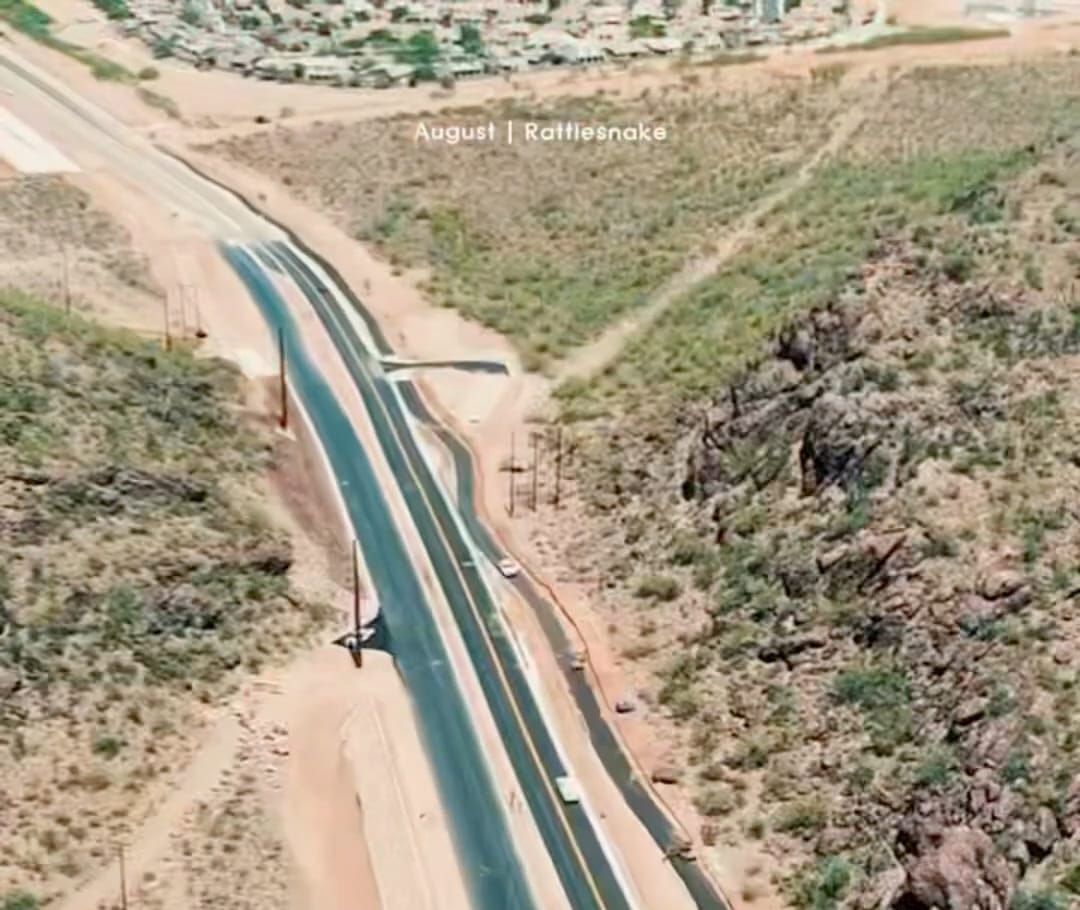
She cited the Marana Aquatic and Recreation Center and a recently completed improvement project on Twin Peaks Road in Rattlesnake Pass as examples of contributors.
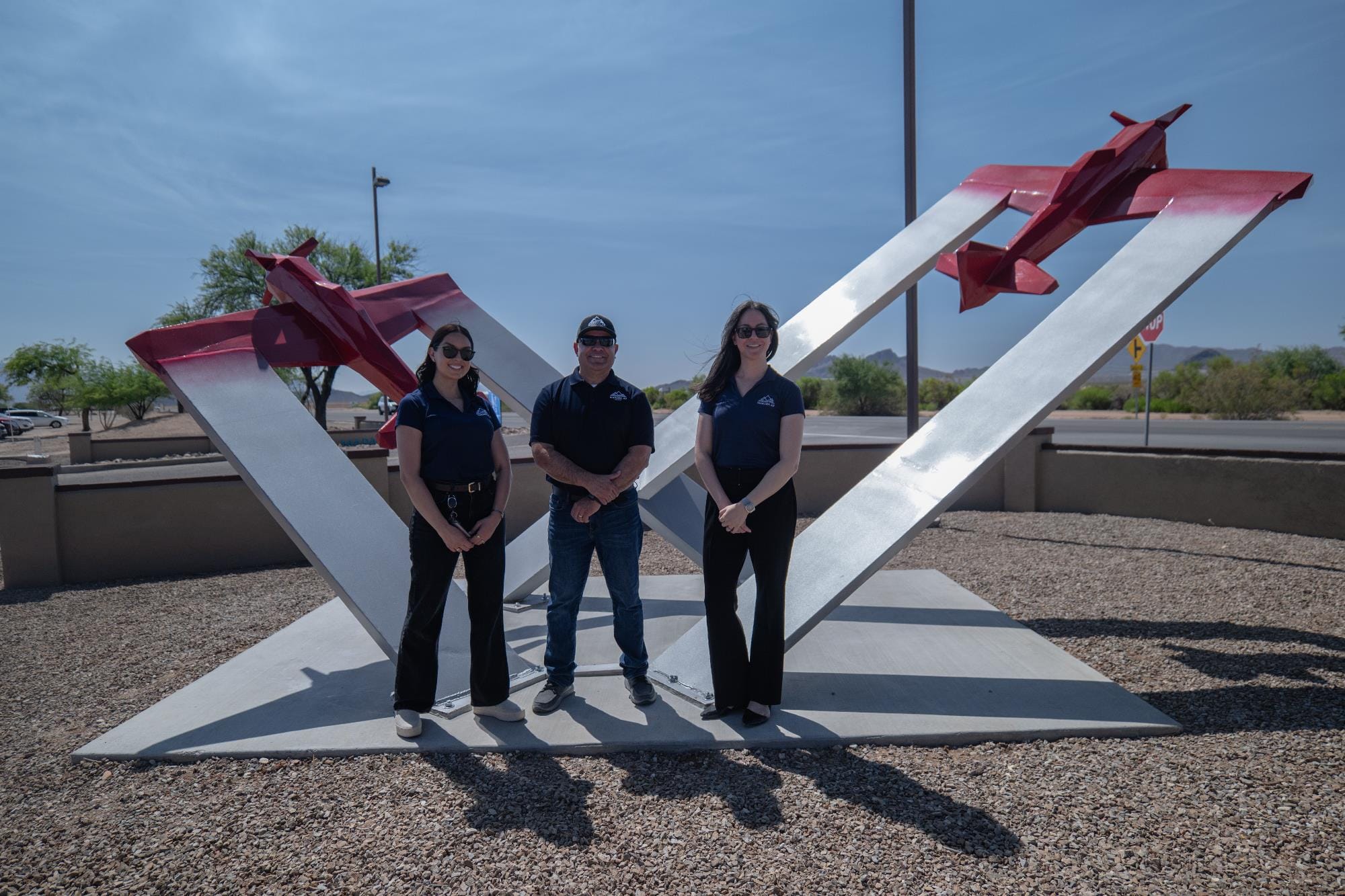
The aquatic center already hosts the public art it funded, an installation by Joseph O'Connell and Creative Machines called "Points in Time."
The section of Twin Peaks Road in Rattlesnake Pass will host a rattlesnake sculpture approved last August by the public art committee.
De La Cruz also provided an update on the Transportation Art by Youth program, which invites young artists ages 16 to 18 to create public art.
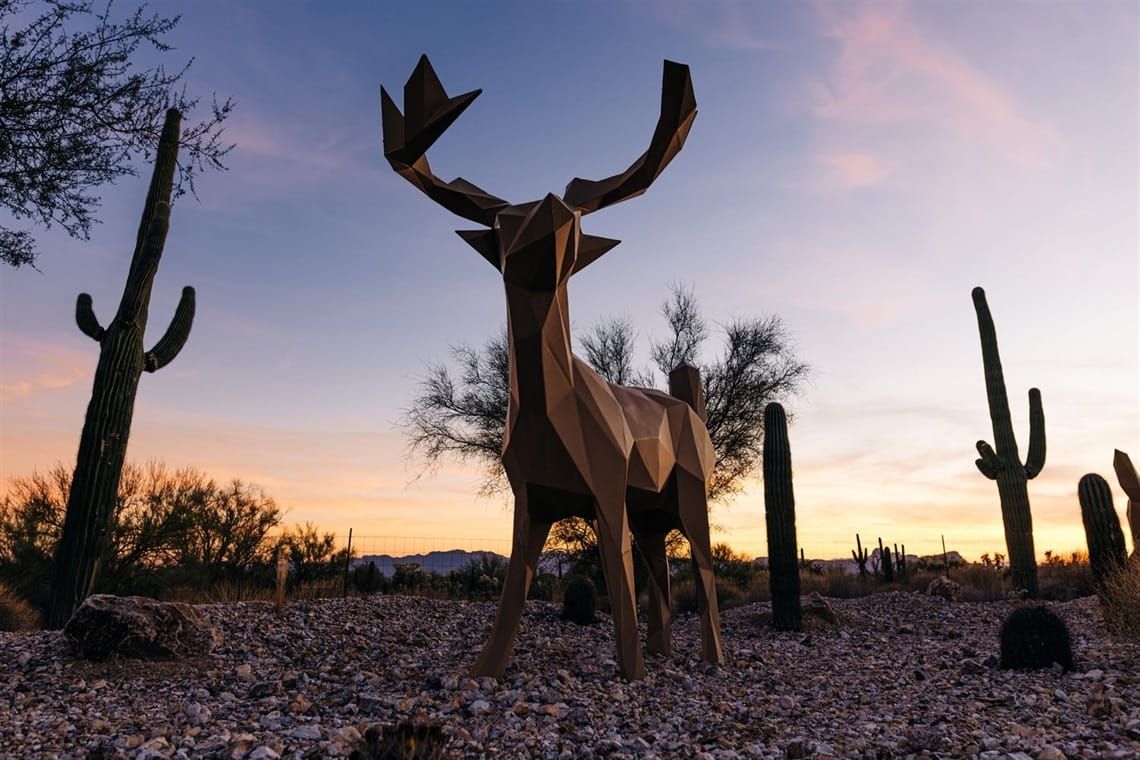
Trevor O'Toole's "Deer at Tangerine Sky Park" sculpture at 4411 W. Tangerine Road was partly constructed by students in the Marana High School welding program and funded by Transportation Art by Youth.
"What's been so great about this program is that the students at Marana High School have been physically designing and making these items," Councilmember Patti Comerford said. "I hope we can continue to do that for a long, long time. They're really good."
Mayor Jon Post said he was pleased with the growing number of art projects around town.
"As long as nobody's painting weird pictures, I'm all good," Post said.
The council unanimously passed the amendments.
Benjamin DePue is a University of Arizona student and Tucson Spotlight intern. Contact him at bdepue@arizona.edu.
Tucson Spotlight is a community-based newsroom that provides paid opportunities for students and rising journalists in Southern Arizona. Please consider supporting our work with a tax-deductible donation.