Nonprofit BEYOND teaches Tucsonans to beat the heat
As Tucson summers grow hotter and air quality worsens, nonprofit BEYOND is teaching people how to stay active outdoors safely through hydration, evaporative cooling and heat adaptation education.
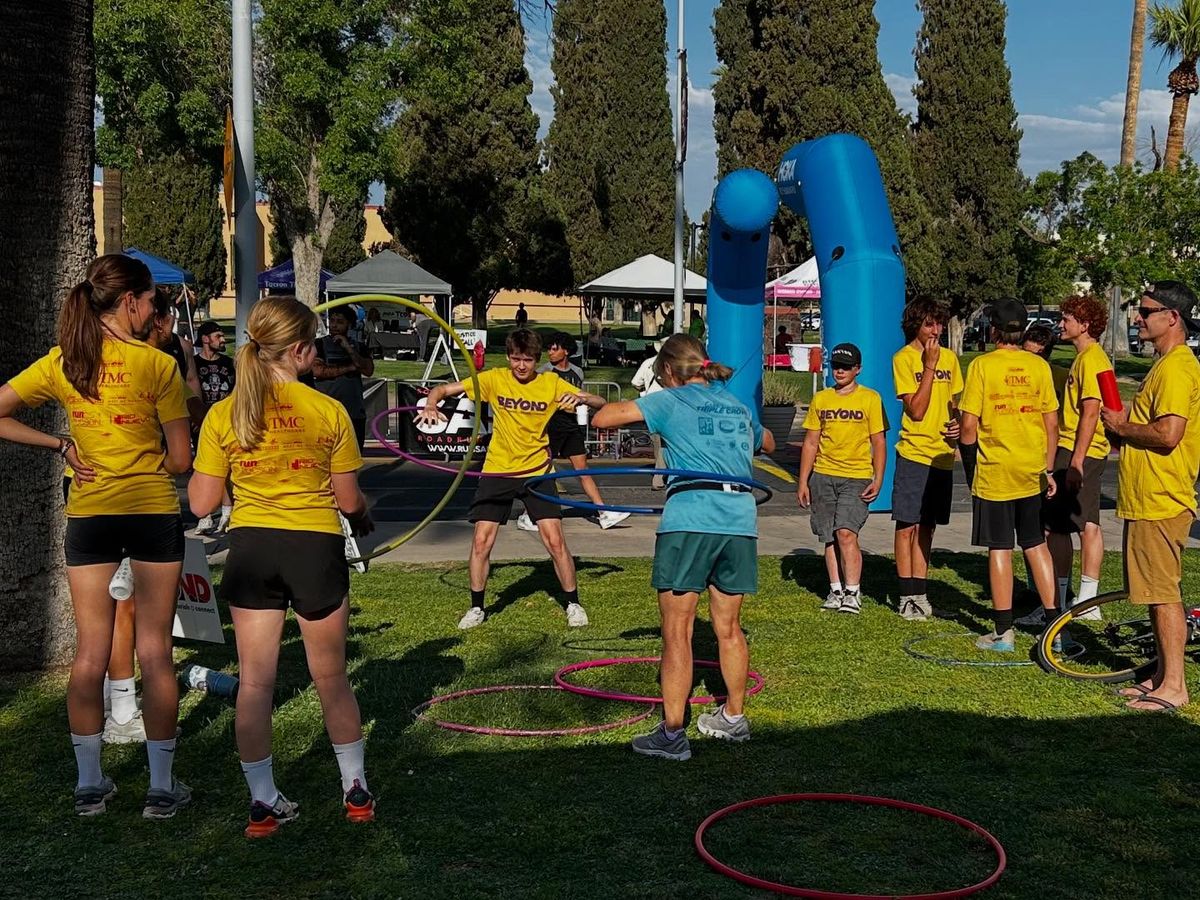
A Tucson nonprofit is teaching people how to stay active in one of the country's hottest cities, even as summers grow longer and air quality gets worse.
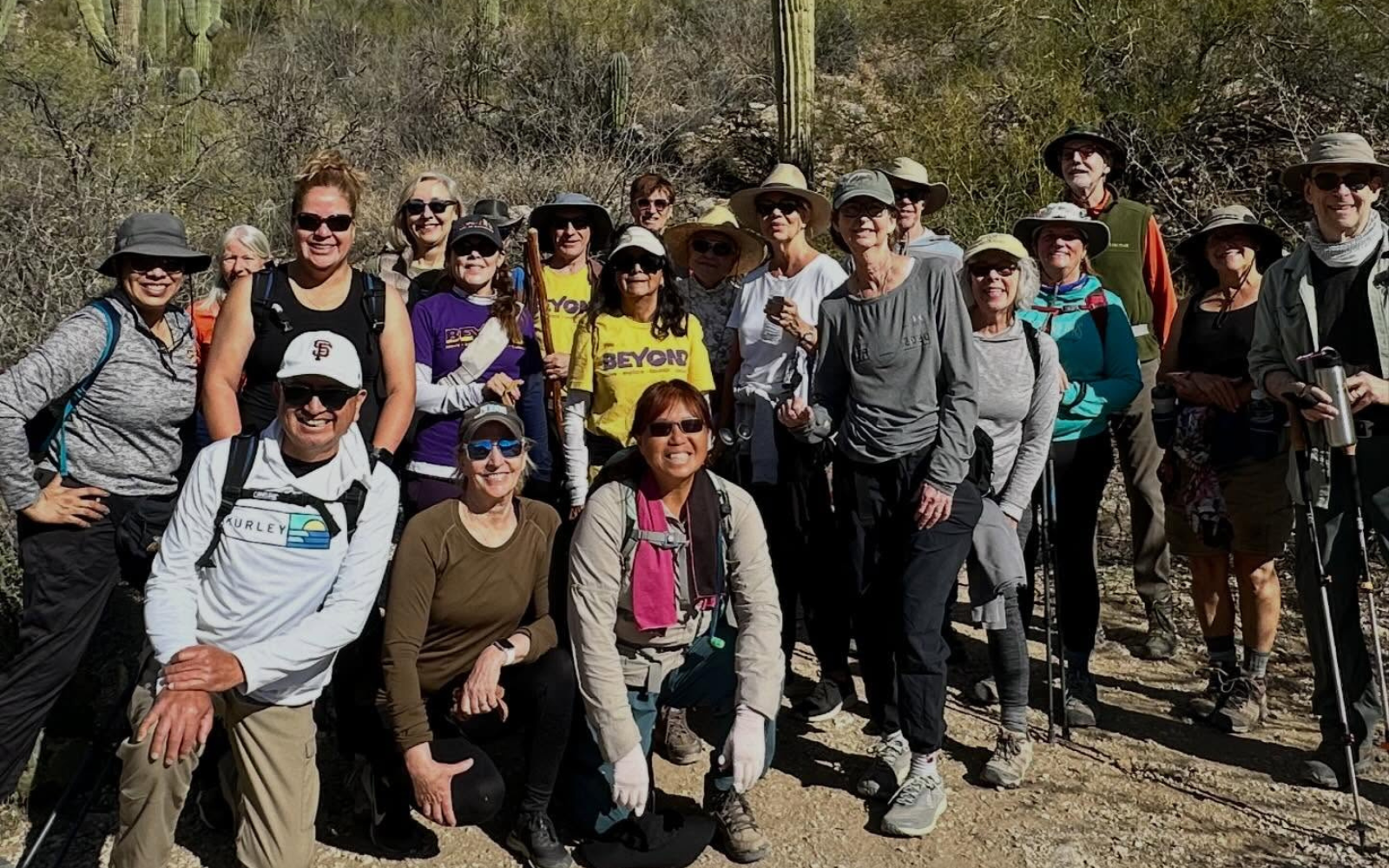
BEYOND is a Tucson nonprofit that offers weekly walks, monthly hikes and biking programs, using outdoor activities as a launching point for discussions about hydration, sun protection, nutrition and exercise in the desert.
The family of Gabe Zimmerman, a congressional aide killed in the Jan. 8, 2011 shooting at Congresswoman Gabrielle Giffords' constituent event, launched BEYOND in 2012 as a way to honor the victims while giving the community a way to reconnect through outdoor health activities.
BEYOND's approach centers on teaching people to work with Tucson's climate rather than avoid it.
In Tucson, low-income and predominantly Latino neighborhoods face severe shade inequity, with some areas up to 4 to 5 degrees warmer on average than wealthier parts of the city, according to city data and research on historical development patterns and redlining.
While cities like Phoenix have municipal programs that offer free outdoor fitness classes, few nonprofits specifically focus on teaching heat adaptation as part of outdoor programming.
Jasper Byerley, a 15-year-old teen counselor, said living in the desert teaches you to pay close attention to your body's limits — knowing when it's safe to push hard and when the heat makes intense exercise a health risk.
"Drinking enough water, staying hydrated, and knowing where that limit is and how to know when you're getting to that area," Byerley said.
Your membership pays emerging journalists to cover Southern Arizona the way it deserves.
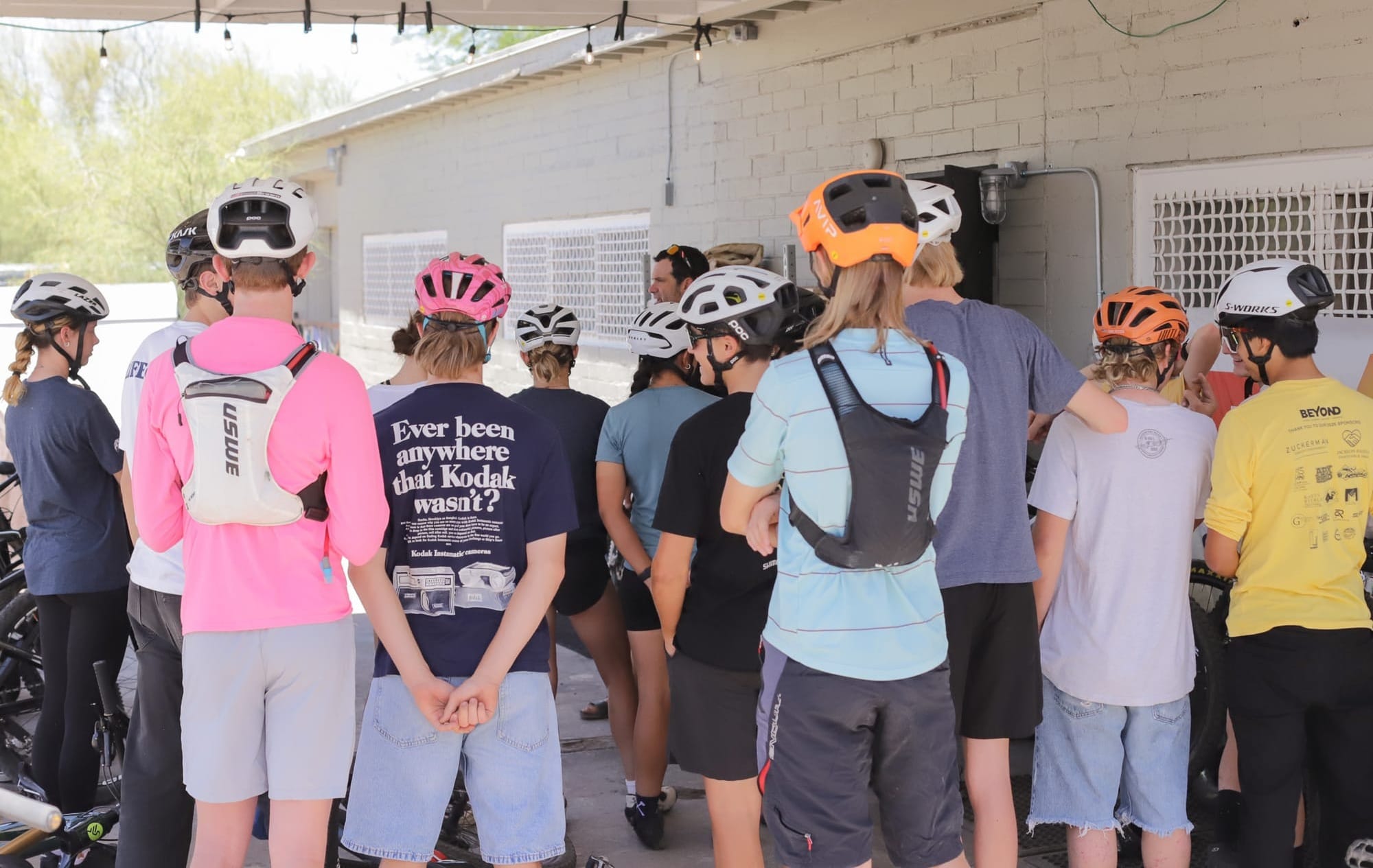
BEYOND Executive Director Daniela Diamente said that awareness drives everything the organization does.
"We live in the desert, right? We know it's going to be hot in the desert. We know that our air quality has gotten worse as climate change has impacted wind patterns and weather patterns. We experience it because we're all outside all the time, but we look at, okay, how do we adapt?" Diamente said.
Tucson's summers are expected to get warmer and bring more air pollutants.
In early April, the American Lung Association published its annual "State of the Air" report, giving Pima County a failing grade for ozone levels. Unlike the ozone in the upper atmosphere, which protects humans from ultraviolet light, ground-level ozone is a public health hazard.
"It's really only a problem that we have in the summertime, and that's because we have more hours of daylight and more intense sun," said Natalie Shepp, climate and community engagement manager with the Pima County Department of Environmental Quality.
Ground-level ozone forms when a combination of burned fossil fuels from power plants, motor vehicles and lawn and garden equipment, and volatile organic compounds from gasoline, nail salons and cleaning supplies, react to heat.
Because Tucson experiences long hours of intense summer sun, ozone levels tend to rise during the hottest months. According to the report, more than 129 million people live in counties with failing grades for ozone pollution.
Ozone can aggravate lung diseases and make lungs more susceptible to infection. Experts recommend paying attention to high air-pollution alerts, especially when participating in outdoor activities.
"When you're an athlete (or exercise outdoors), your respiratory rate increases, so you're bringing in more air per body volume than somebody who is not," said Paloma Beamer, a professor of environmental health sciences at the University of Arizona College of Public Health. "That means you're also bringing more ozone and pollutants into your body on a per-body-weight basis, so it's something to consider."
As temperatures rise, BEYOND adjusts its programs accordingly. Summer hikes are mostly held on Mount Lemmon, where higher elevation means cooler temperatures and better air quality.
For long bike rides, BEYOND uses a simple scientific method to keep kids cool.
"You can just get the kids wet all the time. That's how a swamp cooler works, right? You soak the swamp cooler pad, you blow some air through it," Diamente said. "(With) kids, you soak their shirts, you go riding bikes. It's the same thing, right? We use that evaporative cooling technique."
Through soaking shirts, applying sunscreen, staying hydrated and using bandanas, BEYOND has shown that being active in high temperatures can be done safely.
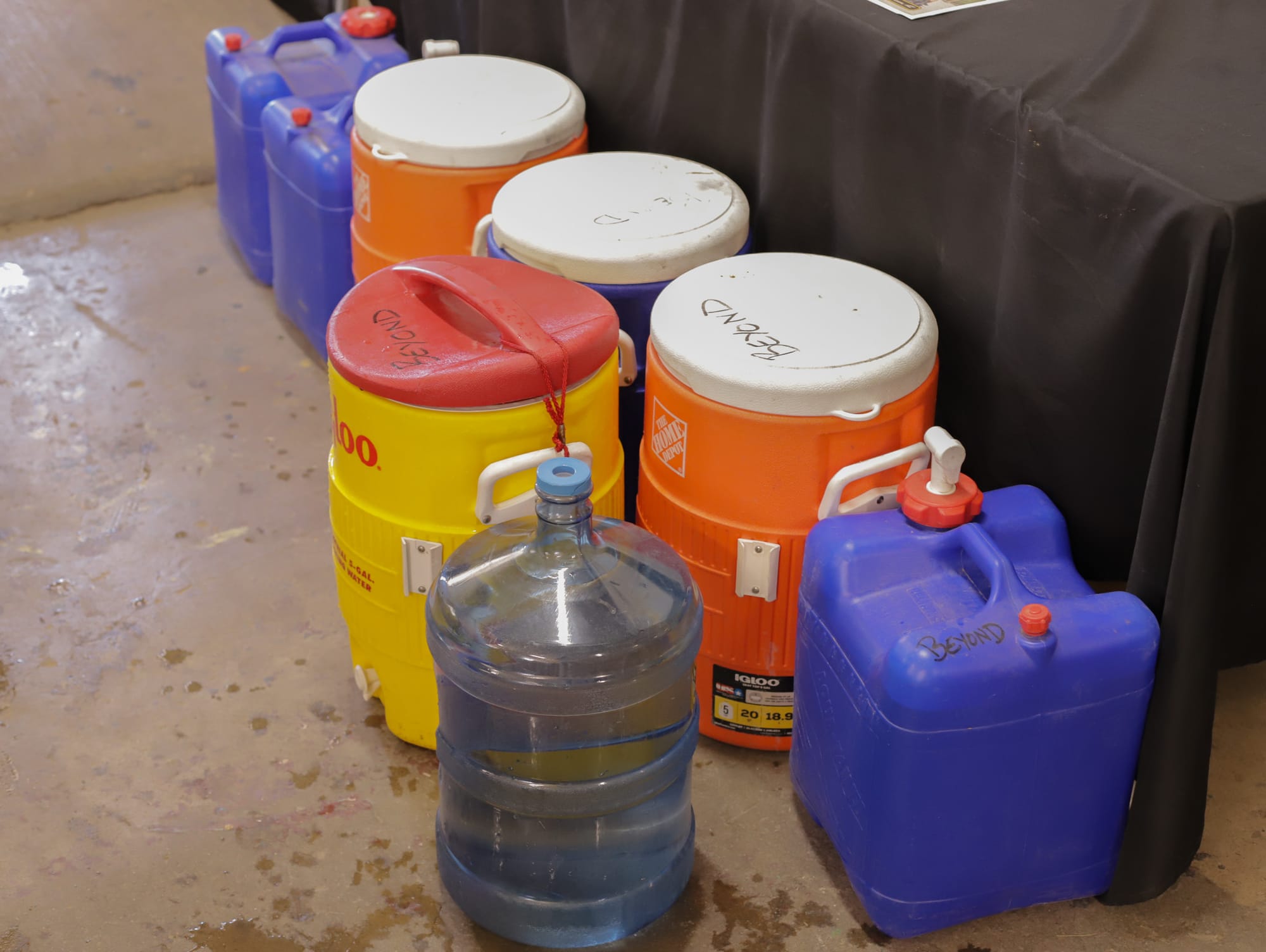
"Everywhere we're going, we have it set up so that there are loops, and you can loop back to our vans and trailers, where we're going to have jugs and jugs of cold water. Water that's for drinking and water that's for dumping," Diamente said.
Resources extend beyond the ride itself.
For air quality, wildfire and heat wave alerts, the University of Arizona helped develop an app that sends official public health and safety notifications.
"(PHapp) integrates respiratory diseases, like COVID rates, RSV, and flu, with air quality and extreme weather," Beamer said. "I think the more we can integrate information so the public can have it all in one spot, the better job we can do of protecting ourselves. Rather than having to check 15 different websites, having everything in one place is really important."
The app also includes maps to cooling centers.
AirNow, operated by the Environmental Protection Agency, provides real-time air quality information nationwide.
Diamente said the tools are only part of the solution.
"We can't ignore where we live or the realities of our environment, but how do we work with it and teach people?" Diamente said.
Byerley said he is grateful to be learning about exercise, fueling and hydration at a young age.
"I think learning it earlier is always better than having to learn it later, right?" Byerley said. "The earlier you learn it, the better you can take care of your body throughout your life."
Diana Ramos is a University of Arizona alum and Tucson Spotlight reporter. Contact her at diana@tucsonspotlight.org.
Tucson Spotlight is a community-based newsroom that provides paid opportunities for students and rising journalists in Southern Arizona. Please consider supporting our work with a tax-deductible donation.