
Documentary on a family’s lynching sparks Tucson discussion
Filmmaker Bruce Nelson brought the story of his great-aunt Laura Nelson, lynched in 1911, to a YWCA workshop in Tucson on violence against Black women.
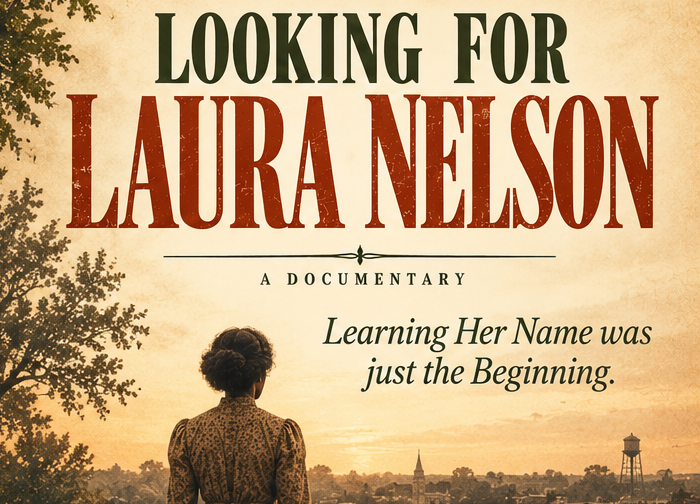
More than a century after Laura Nelson was lynched with her teenage son, her great-nephew, filmmaker Bruce Nelson, brought her story to Tucson and asked an audience to say her name.
Bruce Nelson spoke Oct. 31 at the YWCA of Southern Arizona, where the YWCA screened the extended trailer for his upcoming documentary, “Looking for Laura Nelson,” and led a discussion on racism, violence and generational trauma as part of National Week Without Violence.
Bruce Nelson took an ancestry DNA test and received an email from a cousin about their potential connection. The cousin then asked him what he knew about the town of Okemah, Oklahoma, and told him to look up the name “Laura Nelson.” When he searched the name, he found a photograph of her lynching.
“I fell on the floor,” Bruce Nelson said.
The discovery led him to make “Looking for Laura Nelson,” a film about the woman in a photograph many people have seen.
“If you’ve seen any documentaries about slavery, about racism, you’ve seen her photograph,” Bruce Nelson said of his great-aunt. “They used to show the one on the bridge. They were lynched from a bridge and they’re hanging. But they don’t always say her name.”
Recently, Bruce Nelson came across a documentary about Woody Guthrie that included a photograph of his great-aunt and her son but didn’t use their names. He reached out to the filmmaker and asked for their names to be displayed.
“After learning about that, I was on this journey to tell this story,” Bruce Nelson said.
His film examines the unfair treatment of his family and how an accusation of theft led to the lynching of the Nelsons.
Your gift keeps local news free, bilingual and built for real life.
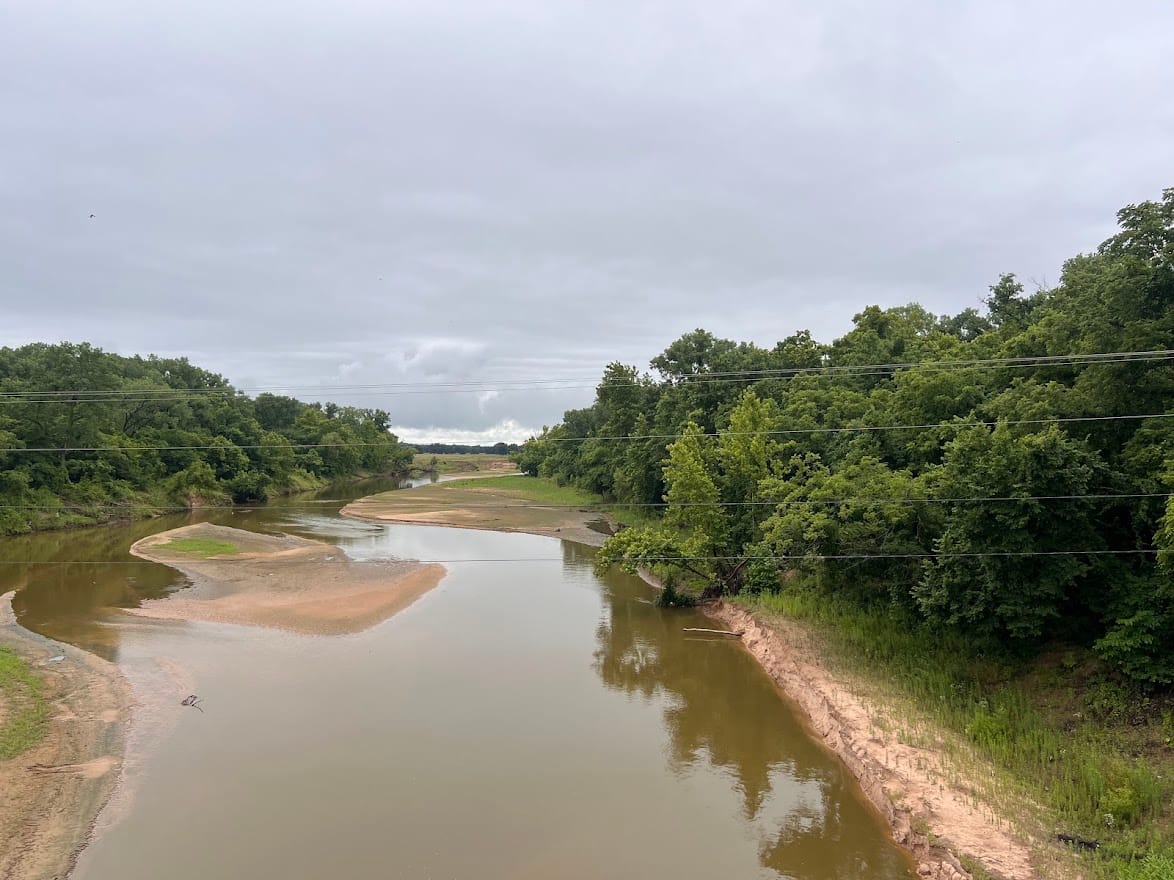
Bruce Nelson’s great-uncle, Austin Nelson, was accused of stealing a cow. Authorities then noticed a firearm on his wall and wanted to confiscate it.
Laura Nelson refused to give up the gun, and the situation escalated, leading to the shooting of a deputy. Austin Nelson thought that admitting to the theft would stop authorities from targeting the rest of his family, but it did not.
Bruce Nelson said a mob dragged Laura Nelson and her son, L.D., to a bridge, where they were brutalized and hanged.
White residents of the town made postcards and family photos with the bodies of Bruce Nelson’s relatives after the lynching. Learning what happened to them has deeply affected him, but it has made him more determined to learn about Laura and the history.
“Everybody needs to know this story, so that we can share it throughout the world, because it’s a reminder of what’s happening,” Bruce Nelson said. “It’s only now in the 21st century that we have a law that’s against the law to lynch Black people. Violence against Black women and girls continues, we think about all of them that’s going on, we never know their names. The whole movement, ‘Say her name,’ that’s why we have to say her name: Laura Nelson.”
After the trailer, Bruce Nelson facilitated a discussion about the "Say Her Name" movement, its relevance today, why families don’t talk about historical violence and the generational impact of racism.
Attendees were split into groups and given papers with questions including “Why do you think stories like this stay in families, in towns, in the historical records?”
Participants spoke about trauma, shame, embarrassment and identity.
“As people of color, we don’t like to bring up our dirty laundry and maintain it, right?” said Tony Mosley, a certified counselor who works with incarcerated parents and their children. “Even working as a counselor, I have to break down that wall of ‘We don’t share,’ especially working with older families when a kid talking about suicide and stuff. We’ve got to dig deeper into this.”
Attendees were given a notecard with two questions to answer anonymously. Bruce Nelson told them to write about what they took from the event and what they plan to do to spread awareness or take action against violence toward Black women and girls. He said their comments could be published in his upcoming book about the documentary, which will be released next fall.
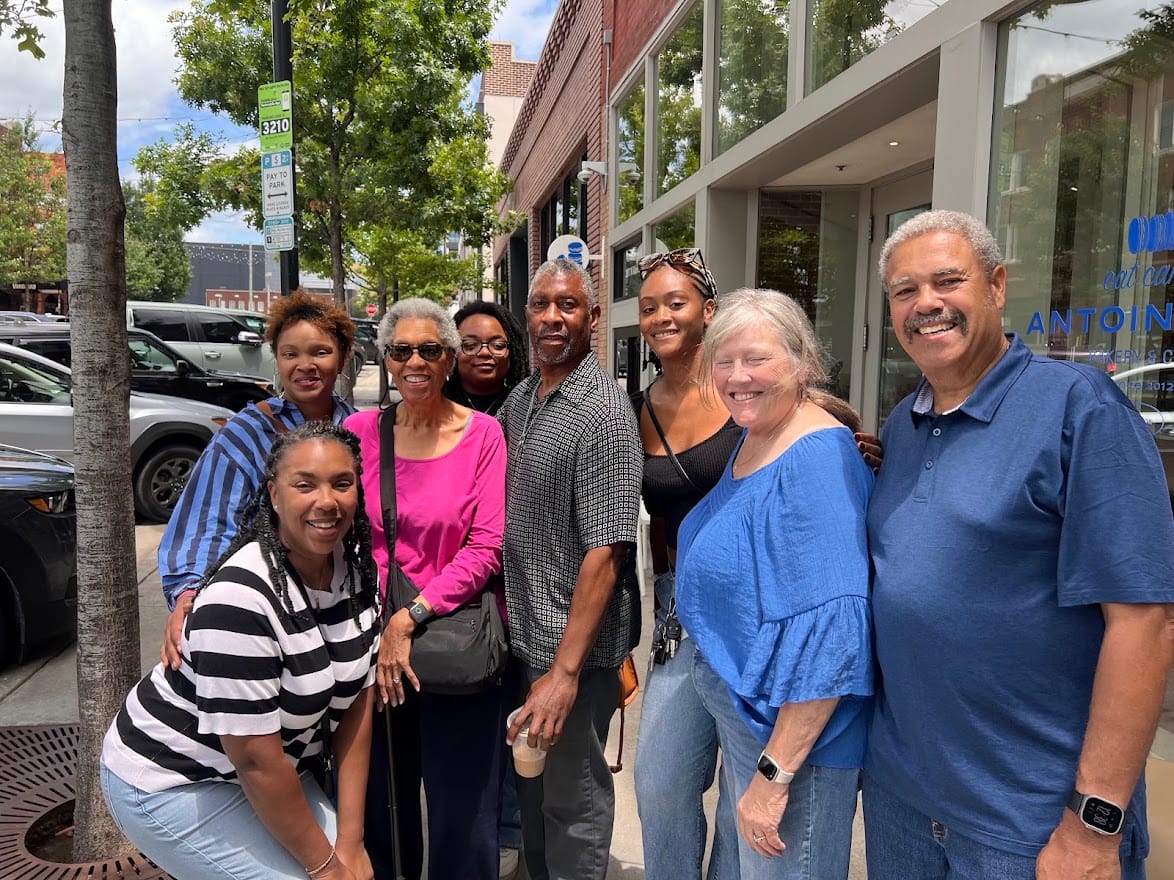
Bruce Nelson said he plans to come back to Arizona with a new trailer after filming additional footage in the spring. The Tucson event was his third screening, with the next one likely to be held in Chandler.
He said he’d like to hold more discussion-based events because of their positive impact on facilitating conversations about identifying Black women and addressing the lack of attention to the issue.
“I want people to have conversations about it,” he said. “Not only locally but state-wise, national-wise, (and) internationally.”
He stressed the importance of identifying Black women by name and not just as faces of the past.
“Please say it. When you use a photo, if you don’t say her name, write her name,” he said.
For Bruce Nelson, the documentary doesn’t stop when filming ends: He plans to continue to highlight the importance of his great-aunt’s autonomy and identity.
“I don’t think there is a conclusion,” he said. “I think it’s just ongoing because it’s okay, we know this happened. This was definite. We want to share this with you. We want to share more about her, not just that she was lynched. We want to talk about her, she was a person.”
Bruce Nelson also intends to create more than just his film, with his background in theater inspiring ideas for other ways to share his family’s story. He hopes to create art in different mediums to reach different audiences.
“We want to keep it going, I’m going to do a stage play based on the pre-trial transcripts, which I came across,” Bruce Nelson said. “We’re going to do a dance theater piece, and then we’ll do a book. I’m working on an exhibit to give a fuller story about Laura and Uncle Austin, their life, their parents, their lineage.”
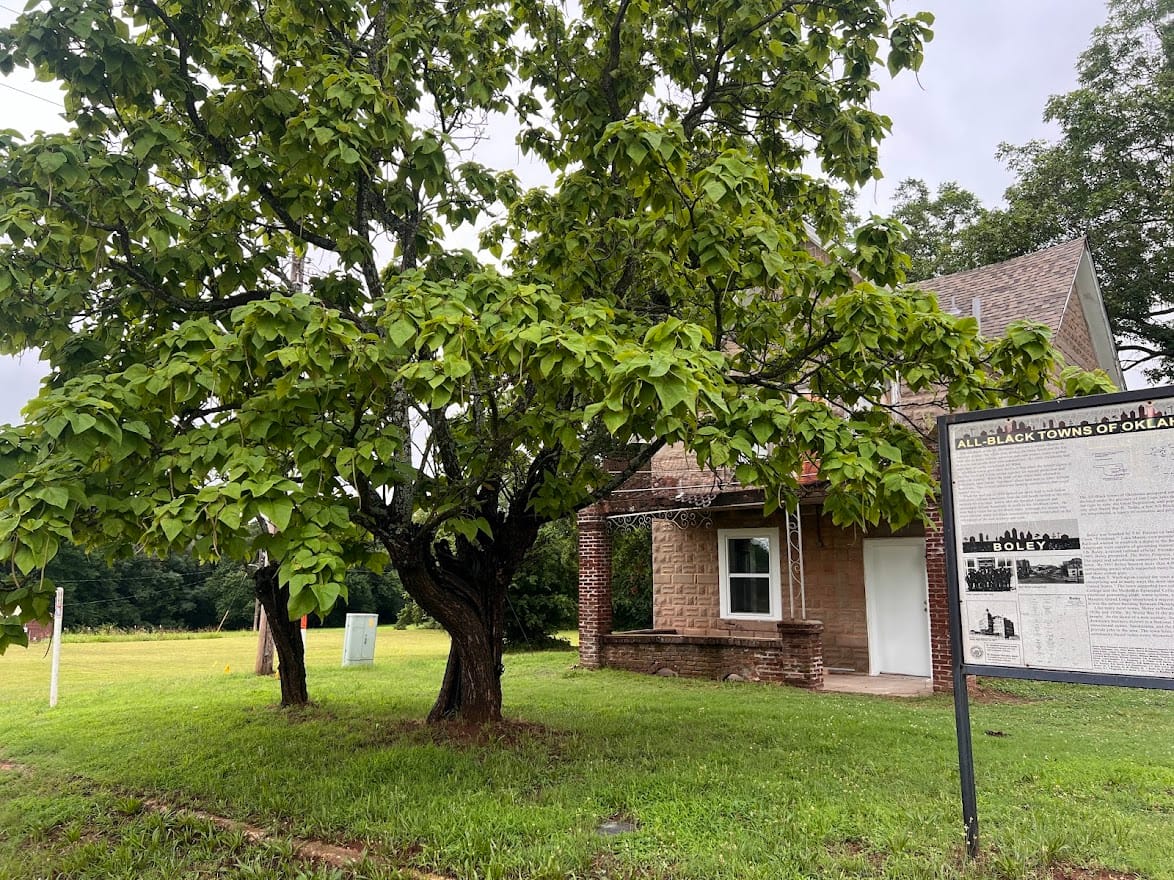
The most important part of the experience, Bruce Nelson said, is the continuous learning that comes from the process and the workshops he hosts. He said he wants to find more connections between his experience and other issues arising in the world.
Bruce Nelson hopes viewers will do more than just watch the film.
“I hope they take it and take action, like today in our session, and say, ‘What can I do?’” Bruce Nelson said. “I hope that comes up when they see it, that they go, ‘You know what? I have a piece in this that I can do. I can tell folks in my circle. I can share with my community. I can share with my local politicians.’ It’s not so distant that we can just dismiss it.”
Victor Bowleg, program manager for the Dr. Laura Banks-Reed Center for Gender and Racial Equity at the YWCA, has known Bruce Nelson since they worked together at Arizona Theatre Company, and the two have collaborated on events before.
“I’ve known Bruce for many years, you know, way back we did a program that was at the Loft Theater, dealing with the Black community in Mesa, Arizona, where he grew up, and he made a wonderful documentary,” Bowleg said.
The YWCA decided to partner with Bruce Nelson because of the subject matter of his film and its relevance to the current state of violence against Black people.
“I think what it did is heighten the awareness to what’s happening in the community, you know, in all communities around the country, regarding unexplained deaths towards African Americans and other people of color,” Bowleg said. “It just highlights some of the violence that takes place, but also it highlights the opportunity of why we should research our histories and be proud of our histories.”
In addition to creating the documentary, Bruce Nelson started the Laura & L.D. Nelson Foundation, which honors the lives of his family members and whose mission is to preserve their stories.
“I want the foundation and the story to live way past me,” Bruce Nelson said. “The next generation of my family, you need to keep telling this story. Never stop telling this story. And we want to base it on things that we can actually document and say yes, this definitely happened.”
Katlyn Vargas is a University of Arizona student and Tucson Spotlight intern. Contact her at katlynvargas@arizona.edu.
Tucson Spotlight is a community-based newsroom that provides paid opportunities for students and rising journalists in Southern Arizona. Please consider supporting our work with a tax-deductible donation.


