Clinica Amistad offers free care to Tucson's uninsured
Clinica Amistad, a free clinic in South Tucson, provides primary care to uninsured and underinsured patients at no cost — serving nearly 2,500 patient visits in 2024 through an all-volunteer model.
When Ed couldn't keep up with volunteer shifts because of fatigue and pain, he didn't know where to turn. He didn't have health insurance, and he was too ashamed to ask for help.
That's where Clinica Amistad came in.
The free clinic in South Tucson serves uninsured and underinsured patients at no cost, providing everything from primary care to behavioral health counseling, with no insurance required. Amistad operates entirely on volunteer work and relies on grants and private donations.
"I had symptoms. I would get tired. I tried to volunteer at different places and I couldn't, it just hurt. My body couldn't do it," Ed said. "I wanted to take control of my life. I wanted to take ownership. I knew I needed help and that's what I am getting from Clinica Amistad."
Preventive care is central to the clinic's model, with staff following patients from their first visit through regular checkups to ensure ongoing care.
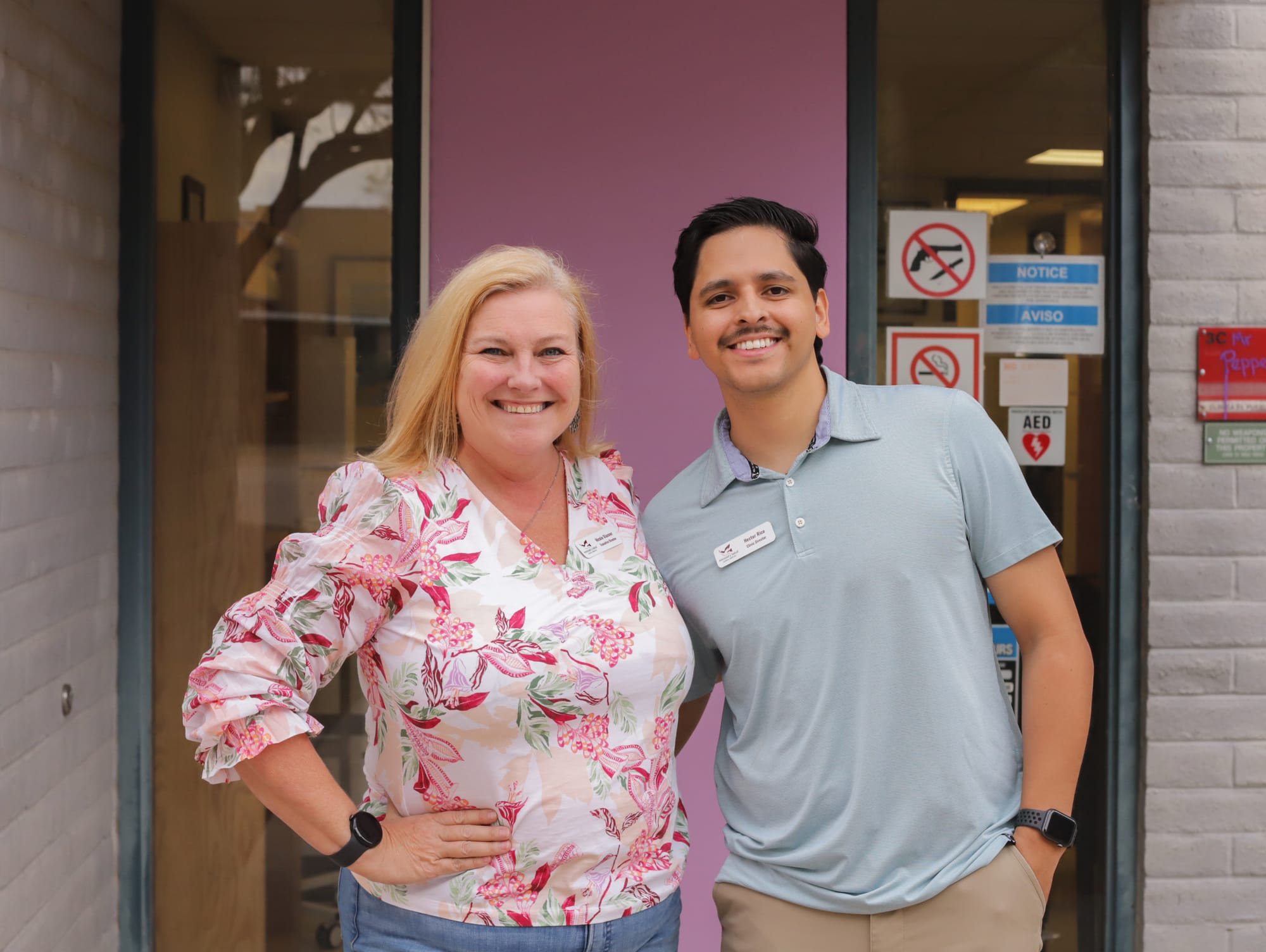
"People need healthcare more than anything else," said Executive Director Nicole Glasner. "Healthcare is a human right."
South Tucson has a large Hispanic population, and nationally, Hispanics had one of the highest uninsured rates in the country: 17.7% in 2021, according to the U.S. Census Bureau.
Southern Arizona deserves journalism rooted in its people, languages, and stories. You can help make that possible every month.
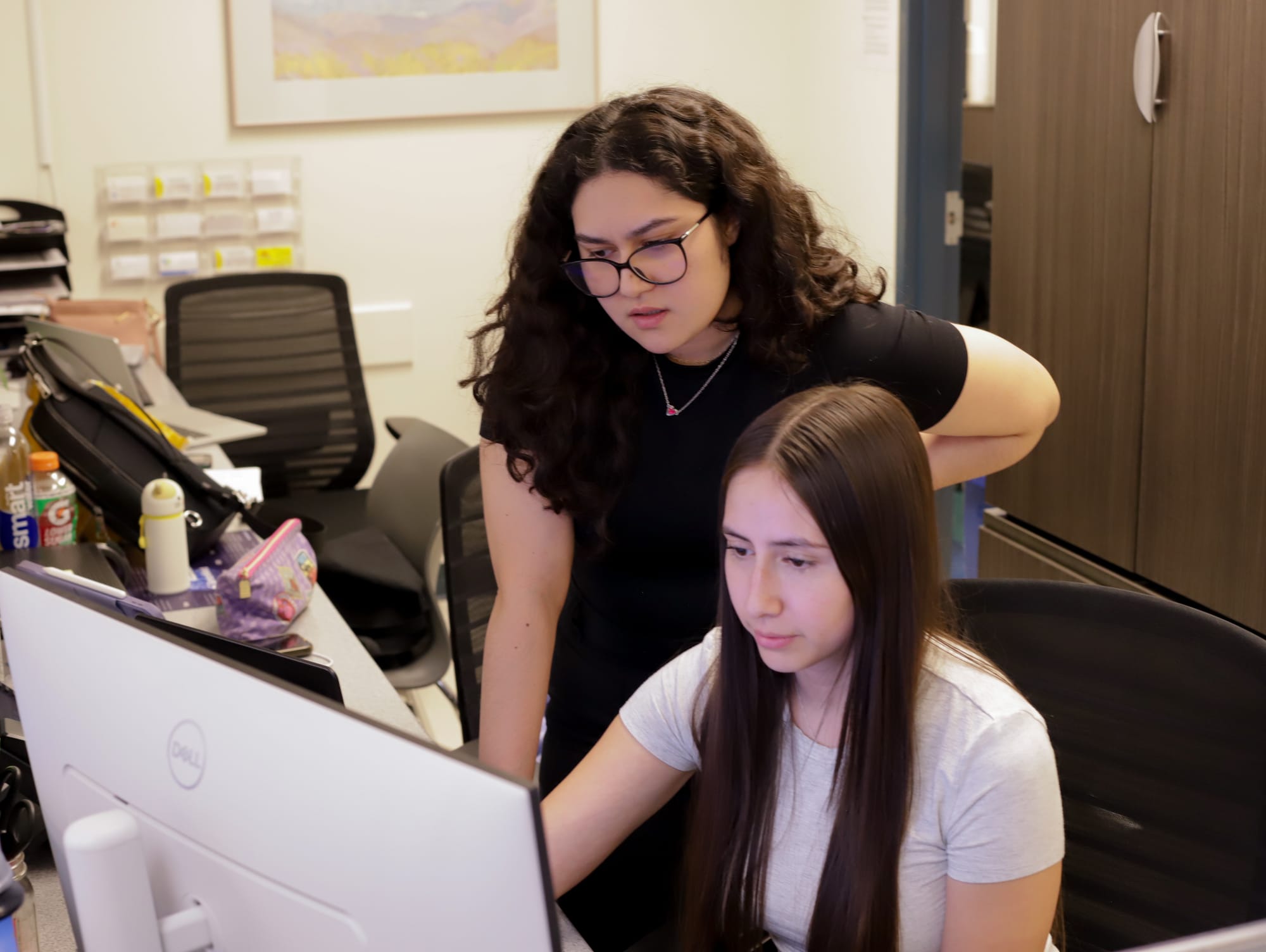
Most Amistad patients identify as Hispanic or Latine, with an average age of 49, and the majority are women, according to the clinic's 2024-25 annual report. Some 93% have a weekly household income below $500, falling under the federal poverty line.
Dr. Ramesh Karra, Clinica Amistad's medical advisor, said that visiting a doctor is a luxury for many low-income families, and being uninsured is one of the main reasons people avoid seeking care.
"If (uninsured people) had insurance, they would be likely to access care," said Karra, who has been a volunteer provider at Amistad for 10 years.
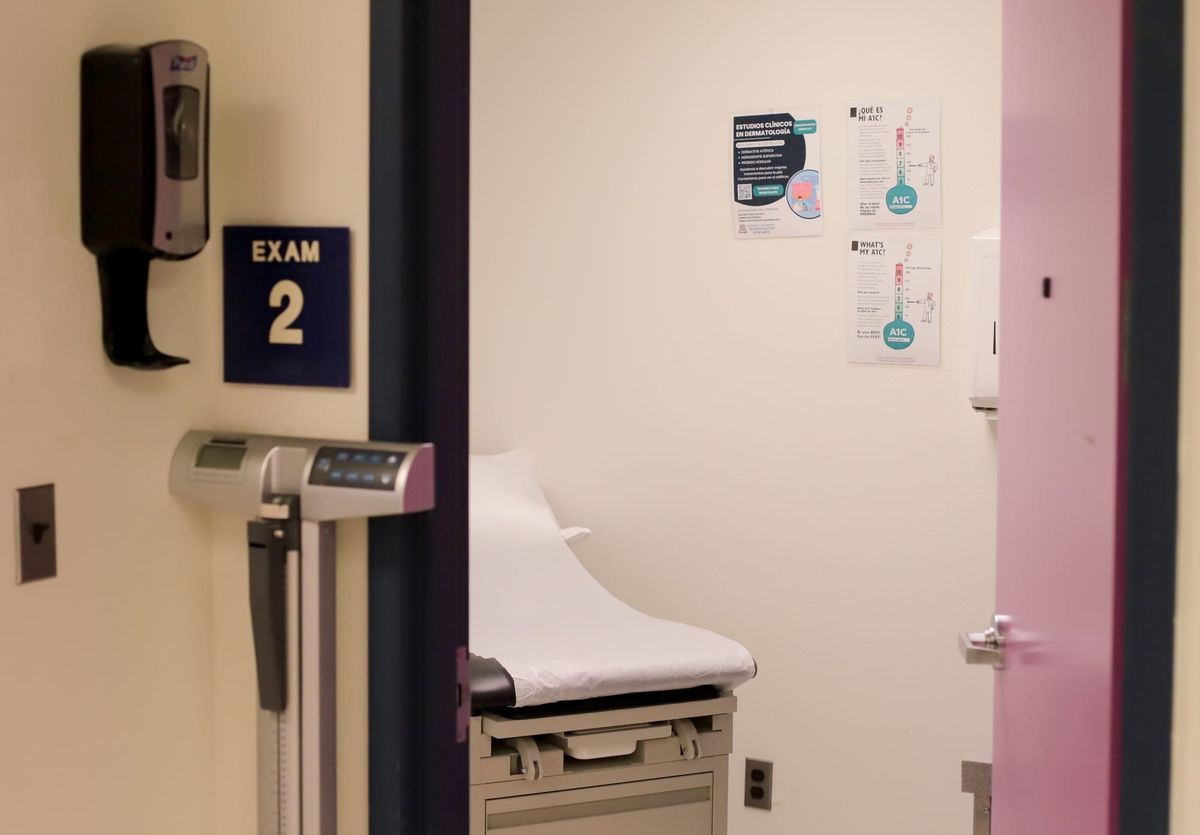
Amistad functions as a one-stop shop offering services including acute care, chronic disease management, women's health, immunizations, dermatology, eye exams, behavioral health counseling and referrals to community specialists.
"We see someone for primary care, but they have this chronic back pain they've been dealing with that keeps them out of work for years. So we have PT or acupuncture that can help them out," said Clinic Director Hector Rico.
Although Amistad focuses on primary and preventive care, it can arrange referrals for MRIs, X-rays and CT scans through partnerships with local vendors who offer discounted rates. Major surgeries and cancer treatment fall outside the clinic's scope.
Clinica Amistad served 956 patients in 2024, logging nearly 2,500 visits — meaning most patients returned more than once.
Patient visits have grown steadily since the clinic opened in 2003, rising 10% between 2017 and 2025. To meet demand, Amistad added clinic days last year, expanding from nine to 13 days a month. The waiting list is currently about a month out.
The clinic also offers telemedicine for routine checkups, lab follow-ups and blood pressure monitoring, and as an option for patients who fear encounters with law enforcement.
Despite its breadth of services, Karra conceded that the clinic is not a "100% well-run machine." Amistad is still working to digitize patient records for easy access during appointments.
"The system itself is a little bit not that good. But we make it work," Karra said.
Appointments are 30 minutes each, allowing time for well-rounded visits where providers can address all their patients' questions and concerns.
Glasner says the model encourages patients to open up and make the most of their appointments.
"Our doctors can take their time with our patients. And I think it really helps our patients feel heard, which is one of our main goals," Glasner said. "We want to make sure they feel safe, we want to make sure they're heard, and they'll open up more. You know, they might have come in for a cold or something like that. And all of a sudden we learned that they may be pre-diabetic."
A patient survey found that 100% of Amistad patients felt heard during their appointments. Rico credited the clinic's promotoras — community members who serve as social workers — who stay with patients in the waiting room to field questions and ease concerns.
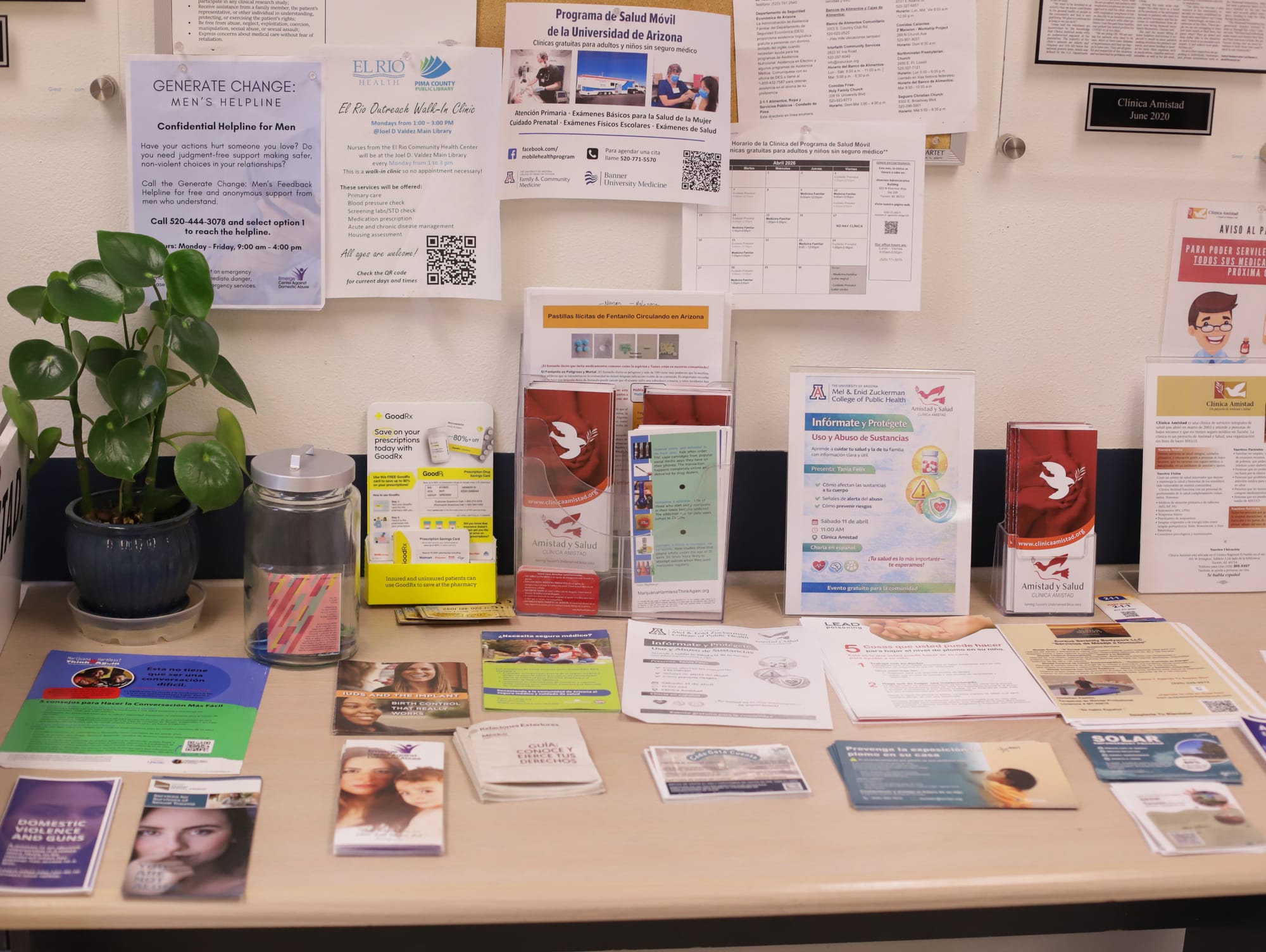
As part of Amistad's preventive model, the clinic offers education programs to empower patients to live healthier lives.
One of its main resources is a 12-session, Spanish-language pre-diabetes program focused on reducing diabetes risk. About half of Amistad's patients are diabetic or pre-diabetic, a chronic disease that disproportionately affects Hispanic communities in the U.S., according to Rico.
Patients begin the program with a blood draw to measure their blood sugar levels and end with another to track their progress.
Every patient who has participated in the program has seen a decrease in their blood sugar levels, Rico said.
Amistad patient Ed, who participated in the pre-diabetes program, said he feels better and praised the clinic's support, treatment and education services.
Volunteers are the clinic's foundation, but money is still essential. Amistad operates on $600,000 or less a year, covering three full-time and two part-time staff salaries, medicines and vaccines, referral costs, malpractice insurance, and basic operating expenses like utilities, cleaning and security.
Funding and volunteers, Glasner said, are what keep the clinic alive.
"As funding gets bigger, we can open more days. If we lost funding, we'd probably have to close a day," Glasner said. "The biggest reason this clinic works is because of our volunteer providers. This model would not work without them. Our providers are really the backbone of (the clinic). If they left, this model would fall apart."
As the clinic grows, space is becoming another constraint. All nine of its exam rooms are sometimes booked simultaneously, and Glasner says more providers would mean needing more space and the ability to see more patients.
"If we have more providers, we would need more space, so we could see more patients," Glasner said.
For patients like Ed, the clinic offers something that would otherwise be out of reach: a doctor who will see them, listen and follow up.
"All of us who enter the healthcare field do so because we possess the drive, the gift, to try to help people," said Julio Loya, the clinic's pre-diabetes program manager, in Spanish. "Clinica Amistad is the perfect place where (volunteers) can practice medicine and nursing, and help a segment of the population that truly needs it."
Diana Ramos is a University of Arizona alum and Tucson Spotlight reporter. Contact her at diana@tucsonspotlight.org.
Tucson Spotlight is a community-based newsroom that provides paid opportunities for students and rising journalists in Southern Arizona. Please consider supporting our work with a tax-deductible donation.