BICAS bike ride in Tucson aims to offset funding losses
BICAS, a Tucson bike education and recycling nonprofit, is holding a community ride Saturday, Oct. 17, after a nearly $100,000 net loss in 2025 and cuts to government funding.
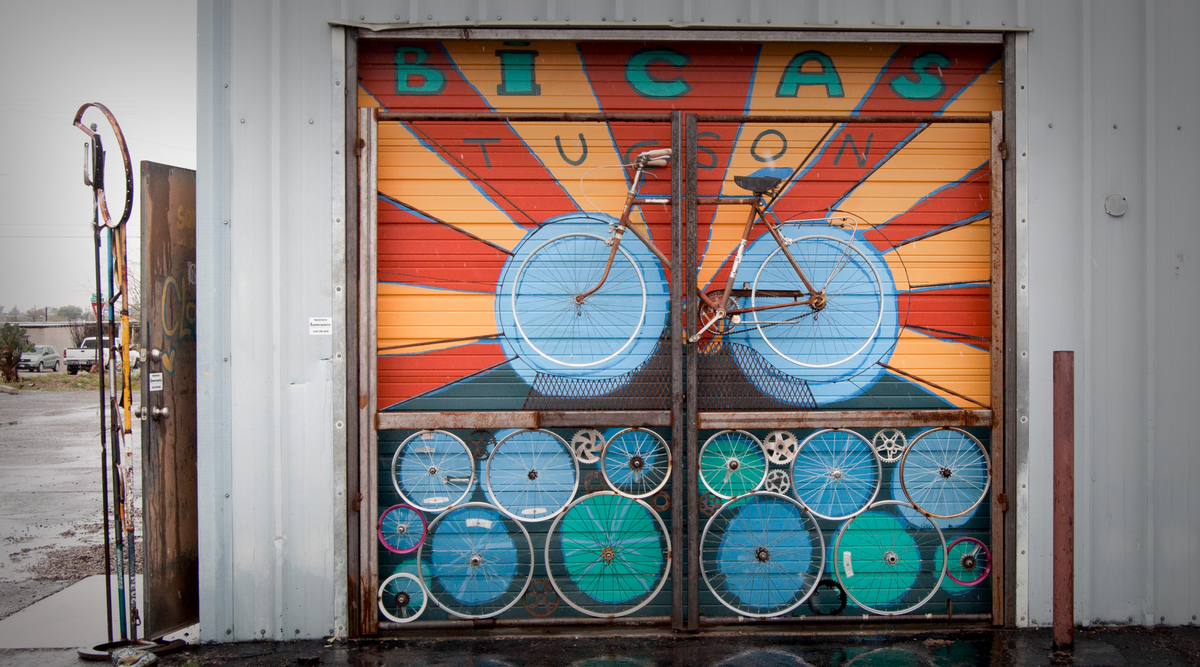
BICAS, the Tucson nonprofit that teaches people to fix their own bikes, is raising money with a community bike ride Saturday after ending 2025 with a net loss of nearly $100,000 as government funding was cut.
BICAS, short for Bicycle Inter-Community Art & Salvage, is a collectively run bicycle education and recycling center that started in 1989. Through the years, it has offered programs in bike mechanics, art education and making art from recycled materials.
“At BICAS, you can bring your bike and we can walk you through exactly what’s broken and what needs to be fixed,” said Teresa Blakeslee, BICAS visual communication designer.
Empowering people to do it themselves is at the core of BICAS’ mission of advocating for affordable bicycle transportation, education and creative recycling. Instead of fixing a customer’s bike, BICAS teaches riders the skills to do it, so they don’t have to pay someone else for costly repairs, Blakeslee said.
BICAS offers a wide variety of classes, workshops and clinics about bike maintenance and wheel construction, and it hosts craft hours, community art programs and more.
Some of the programs have a cost, but BICAS’ work-trade program offers volunteer opportunities in exchange for credits that could be spent on used parts, time with community tools, one as-is bike per year and half the cost of one class.
One hour of work-trade equals $16 of shop credit. Last year, 699 people participated in the work-trade program, including 78 kids, for a combined total of 2,934 hours.
“I worked (at BICAS) for just one day and was able to ride home on a bike. That bike opened up my world exponentially. It gave me freedom to get where I need to go when I want to go,” an anonymous BICAS customer said in a survey conducted by the group.
Southern Arizona news written by journalists who live it. Free in your inbox.
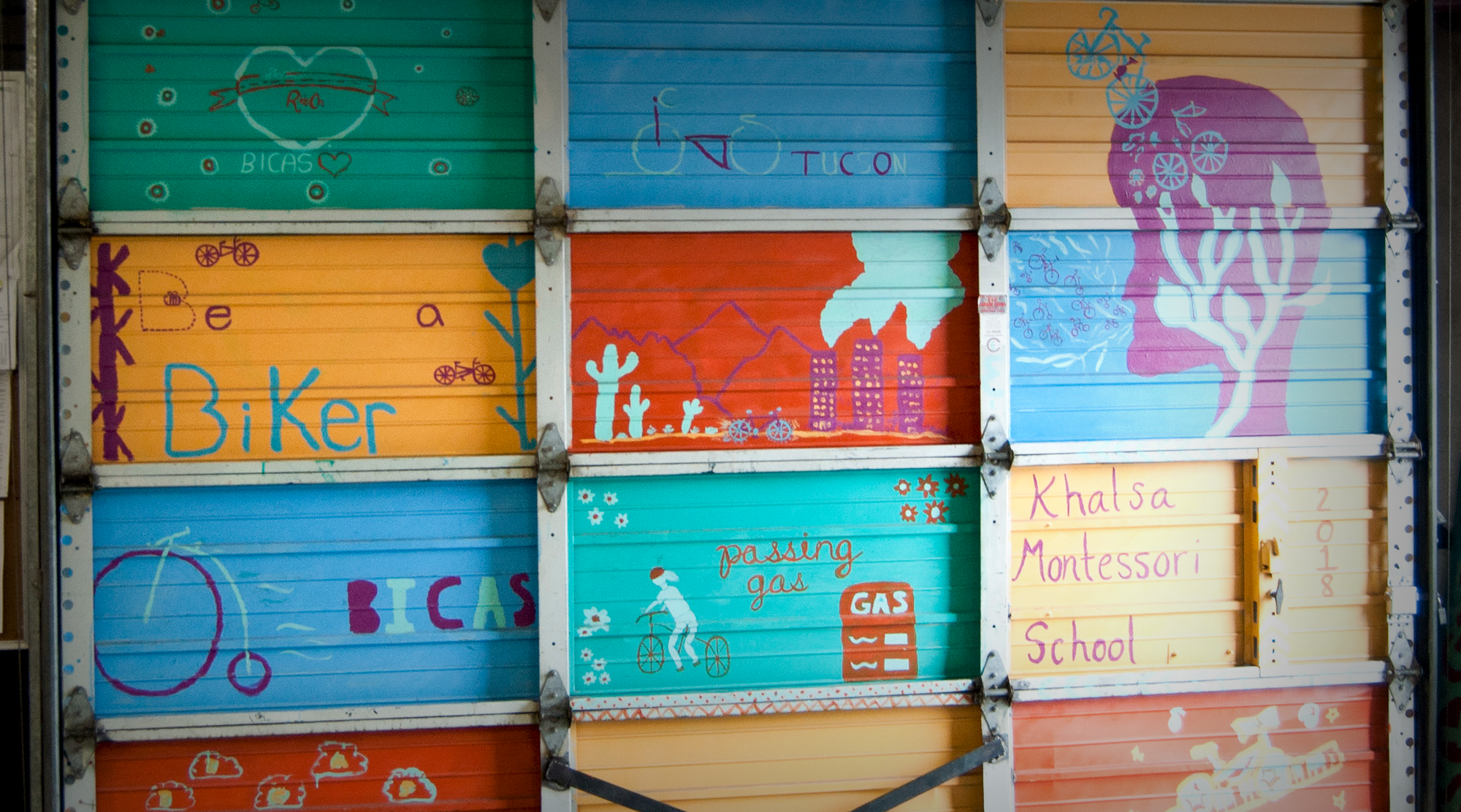
By collecting information about its customers anonymously, BICAS is able to identify community needs and make data-driven decisions to better serve its customers.
Most customers come from historically marginalized and underserved communities. Over the past five years, more than 70% of BICAS customers reported less than $12,000 in yearly income.
“I am homeless due to a restraining order my husband issued against me, with no family or friend (per se) support, recovering from a drug addiction,” another anonymous customer said in the survey. “I was recently released from jail and am staying at a homeless shelter. With my husband’s control over my car, I had no transportation of my own until BICAS. The staff here was so welcoming and nice– knowing nothing of my hardships.”
Owning a car is expensive, said Blakeslee, who does not have a car and uses a bike as her means of transportation.
“A lot of people rely on bikes to get to school or work in Tucson,” Blakeslee said, explaining that access to a bike can make a difference in a lot of BICAS customers’ lives.
She pointed to unhoused community members, who often have to carry all their belongings, saying a bike can make it easier.
According to the American Automobile Association, owning a car in 2026 can cost $12,863 a year. Owning a bike is less expensive, but it can still cost hundreds of dollars each year for regular maintenance.
Behind those programs, a collective working model lets BICAS members share ideas and experiences when planning programs, which Blakeslee said helps the organization meet the needs of people who rely on bicycle transportation most.
But BICAS announced on Instagram on Sept. 1 that it is in a financial crisis after government funding was cut and federal grants continue to dry up. As a result, BICAS has become “more reliant on financial donations and money raised in our bike shop,” said the post, asking community members to consider making a donation.
“I learned to ride on a bike built from BICAS scraps! You are so important to our community,” local artist Serena Rios McRae wrote in a comment on the post.
In 2025, BICAS recorded a net loss of nearly $100,000. Its income comes mostly from in-kind donations, federal and local government grants, classes and sales of art, salvaged parts and merchandise.
In an effort to raise funds, BICAS is partnering with Food Conspiracy Co-op for a community bike ride starting at the co-op, 412 N. Fourth Ave., on Saturday, Oct. 17.
At 9 a.m., BICAS will open its free fix-it station, limited to small fixes and flat tires. At 10 a.m., riders will head to Himmel Park for a snack break before riding back to the co-op to enjoy drinks. Snacks and drinks are provided and the ride comes with a suggested $10 donation to support BICAS.
Beyond the ride, BICAS opens Thursday through Sunday from 11 a.m. to 6 p.m. It’s open Monday from 3 to 7 p.m. for its Women, Trans and Femme Workshop, a space for that population to come together and build confidence and knowledge working on their bikes.
Visit www.bicas.org for more information on its programs.
Diana Ramos is a University of Arizona alum and Tucson Spotlight reporter. Contact her at diana@tucsonspotlight.org.
Tucson Spotlight is a community-based newsroom that provides paid opportunities for students and rising journalists in Southern Arizona. Please consider supporting our work with a tax-deductible donation.