UA's shrimp lab keeps the world's seafood healthy
The University of Arizona's Aquaculture Pathology Laboratory in Tucson is North America's only WOAH reference lab for crustacean diseases, and its desert location is no accident.
Tucson is landlocked, sun-scorched and hundreds of miles from the nearest ocean, which is exactly why the University of Arizona built one of the world's leading shrimp disease labs here.
The UA's Aquaculture Pathology Laboratory has been identifying, diagnosing and managing diseases in shrimp for the last three decades. It was founded in 1986 by Dr. Donald Lightner, whose interests were focused on infectious diseases in crustaceans, primarily shrimp and fish.
The APL's establishment coincided with a period of rapid growth in the global shrimp industry.
"Aquaculture is growing exponentially. It's a major source of a protein-rich diet for people around the world," said APL director and professor Arun Dhar. "Now, even in the U.S., there has been a shift in consumption of animal protein, more from beef and pork, to fish and shellfish over the last few decades."
The seafood industry is surging in popularity due to health benefits, shifts in dietary choices and sustainability concerns, with consumption doubling since the 1960s, according to the Stanford Doerr School of Sustainability.
The APL is North America's only reference laboratory for crustacean diseases for the World Organisation for Animal Health, known as WOAH, supporting disease surveillance through scientific expertise and diagnostic testing to protect public health, animal agriculture and trade. It is also a USDA-approved and ISO-accredited lab, meeting international standards of technical competence and quality assurance.
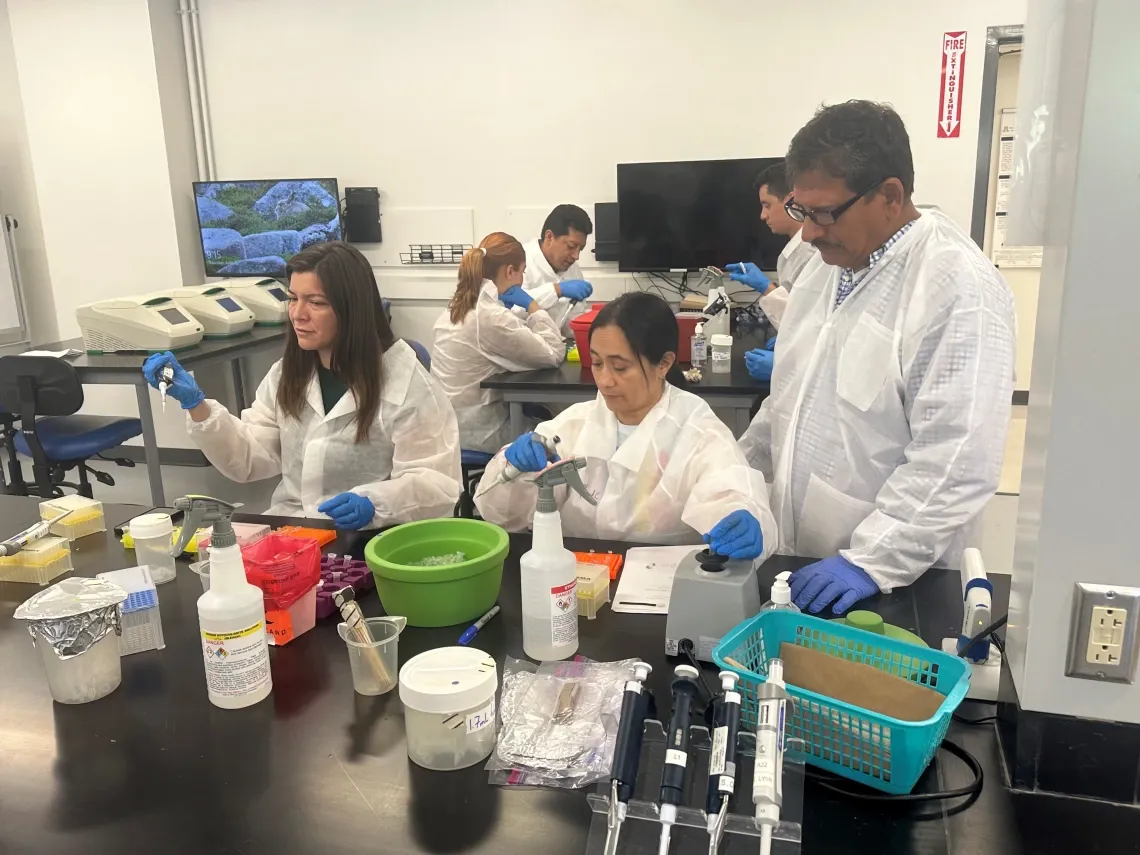
Dhar said the lab operates with three core missions. The first is providing diagnostic services to the shrimp industry, fielding samples and disease inquiries from researchers around the world. The second is training, with government officials, animal health professionals and academics traveling to Tucson from across the globe to learn disease diagnosis techniques.
The third is research.
"Whenever a new disease comes, we have to identify the etiology of the disease, come up with tools and technologies for disease detection," Dhar said. "More recently, we have been working to develop tools for disease control."
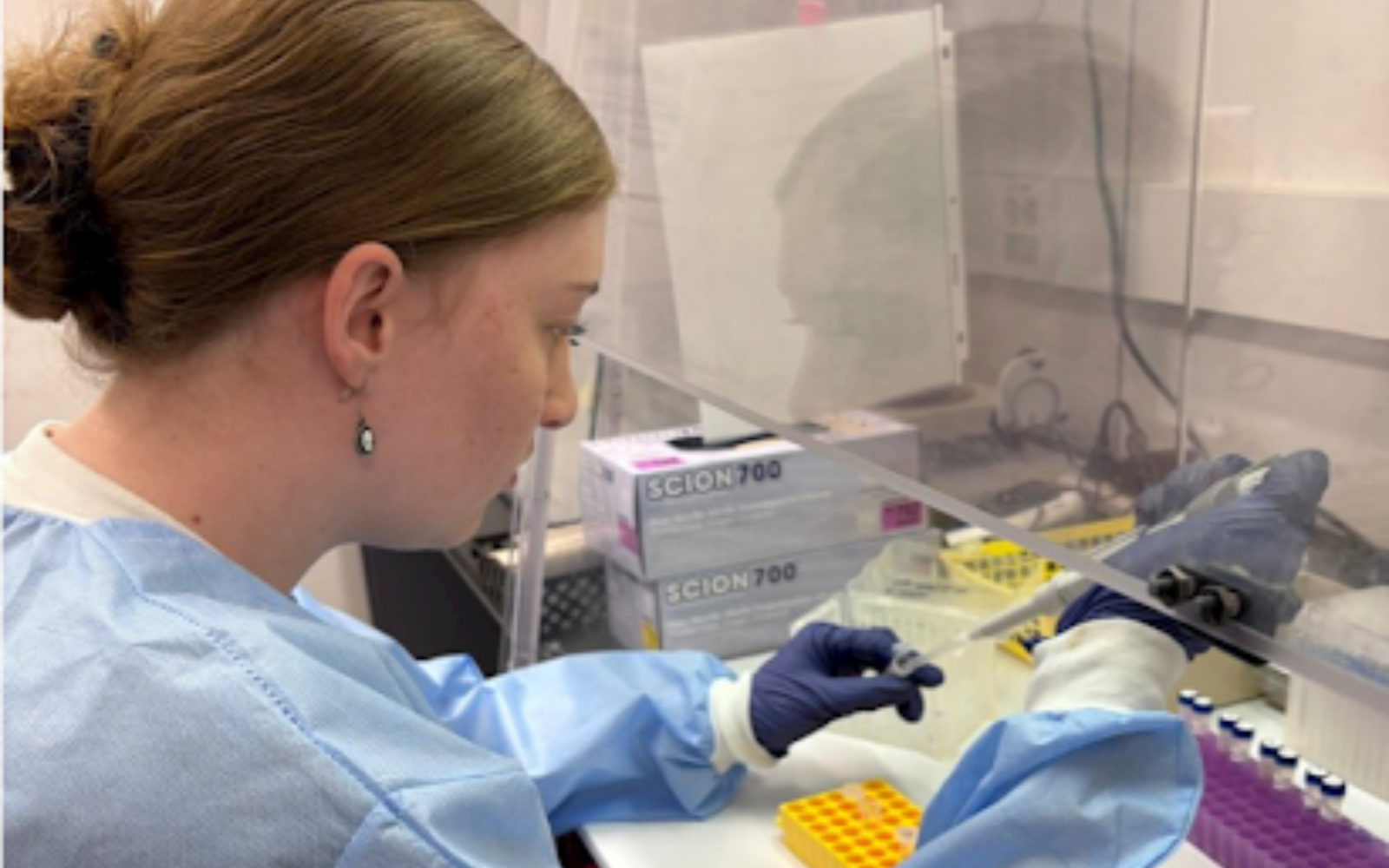
The APL holds about 150,000 tissue samples, some dating back to the 1970s, giving researchers and student interns a decades-long record of disease and pathogen evolution in crustaceans.
Interns undergo about three months of training before working independently on projects tailored to their own research interests.
"The U.S. is one of the largest producers of genetically superior broodstock — adult males and females used for spawning and producing larvae," Dhar said.
Several companies in states including Texas, Florida and Hawaii produce these broodstock, which must be screened for disease before being exported.
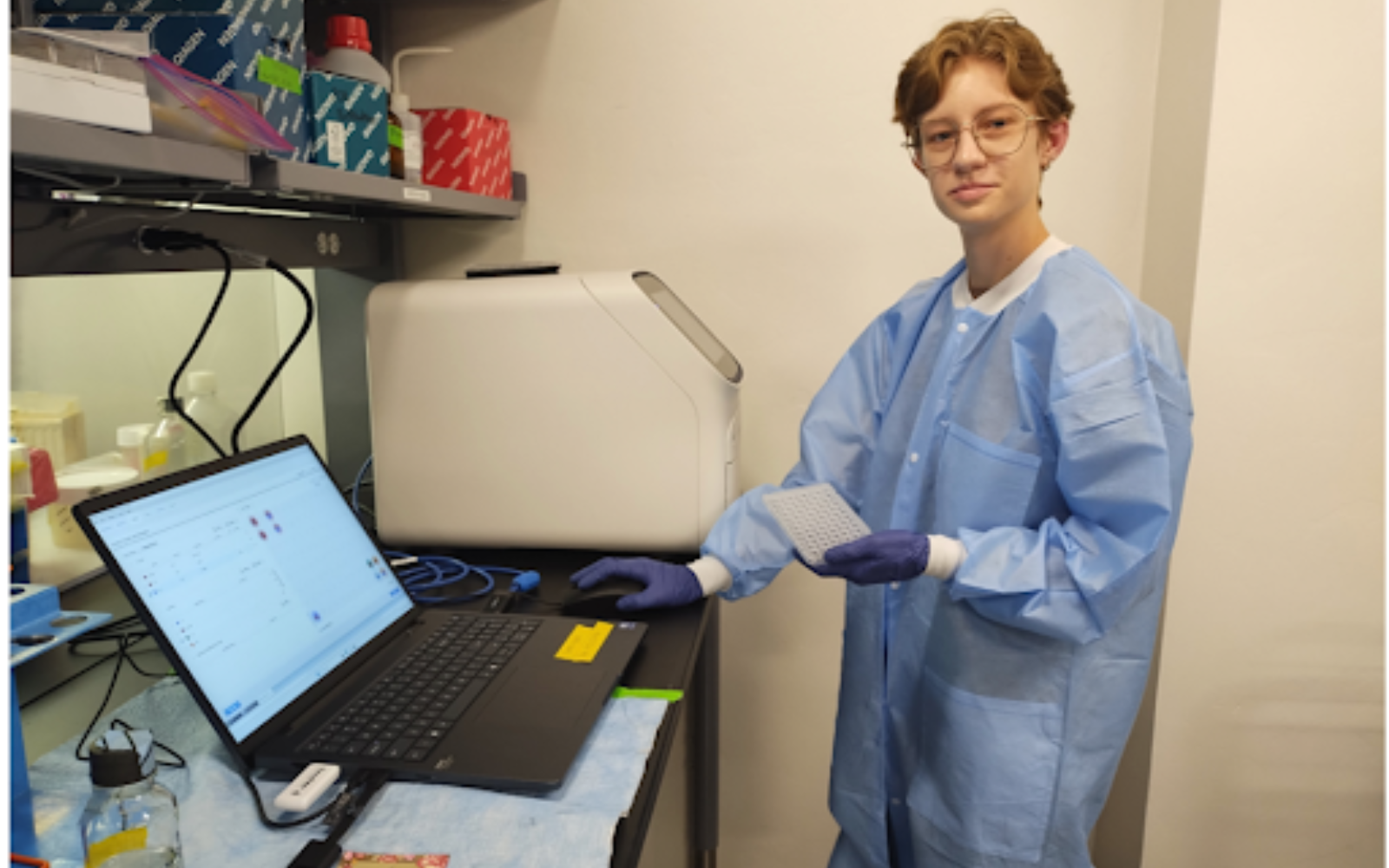
The APL conducts a large portion of these screenings.
"Just think about how COVID got spread. Infected individuals, traveling from one country to another, end up spreading the disease. That's the route. The same thing happens in the crustacean world, in the fish world. There are diseases that are being transmitted because infected stock got moved from one country through the other country," Dhar said.
Tucson's lack of natural saltwater bodies and its isolated location make it an ideal environment for this line of research, where containment is crucial when working with infectious diseases.
And if a pathogen were ever to escape the lab, Arizona's desert climate is too hot and too dry for shrimp or pathogens to survive. That natural containment isn't available everywhere.
"Imagine if there's a disease outbreak in Thailand and it causes enormous, large-scale mortalities and enormous economic losses to Thailand. Guess what? We import shrimp from Thailand," Dhar said. "The price of commodity shrimp would be increased in the U.S., and I'm giving this example because that's exactly what happened in 2012, 2013, when there was a major outbreak in Asia, Thailand, and a few other countries. We import a lot of shrimp from Asia, and there was less supply chain."
When the supply chain is interrupted, prices increase.
With marine aquaculture expected to more than double by 2050, according to DNV, the work done at labs like the APL will play an increasingly significant role in global food security.
Zoey Oberstein is a University of Arizona student majoring in journalism and a Tucson Spotlight intern. Contact her at zoeyoberstein@arizona.edu.
Tucson Spotlight is a community-based newsroom that provides paid opportunities for students and rising journalists in Southern Arizona. Please consider supporting our work with a tax-deductible donation.